The 100-meter freestyle stands as swimming's gold standard benchmark. Whether you're a weekend pool warrior or training for your first triathlon, understanding where you stack up against age-appropriate standards helps set realistic goals and track meaningful progress.
Why 100m Matters as Your Swimming Benchmark
The 100-meter freestyle serves as swimming's equivalent to running a 400-meter lap. It demands both speed and endurance while remaining accessible to swimmers of all levels. This distance effectively tests your stroke technique, cardiovascular fitness, and pacing strategy without requiring the extreme endurance of longer distances.
Most pools measure 25 or 50 meters, making 100m a convenient testing distance that translates directly to pool lap counts. Competitive swimmers use 100m times to gauge training progress, while recreational swimmers find it provides meaningful fitness benchmarks without overwhelming time commitments.
Average 100m Swim Times by Age Group
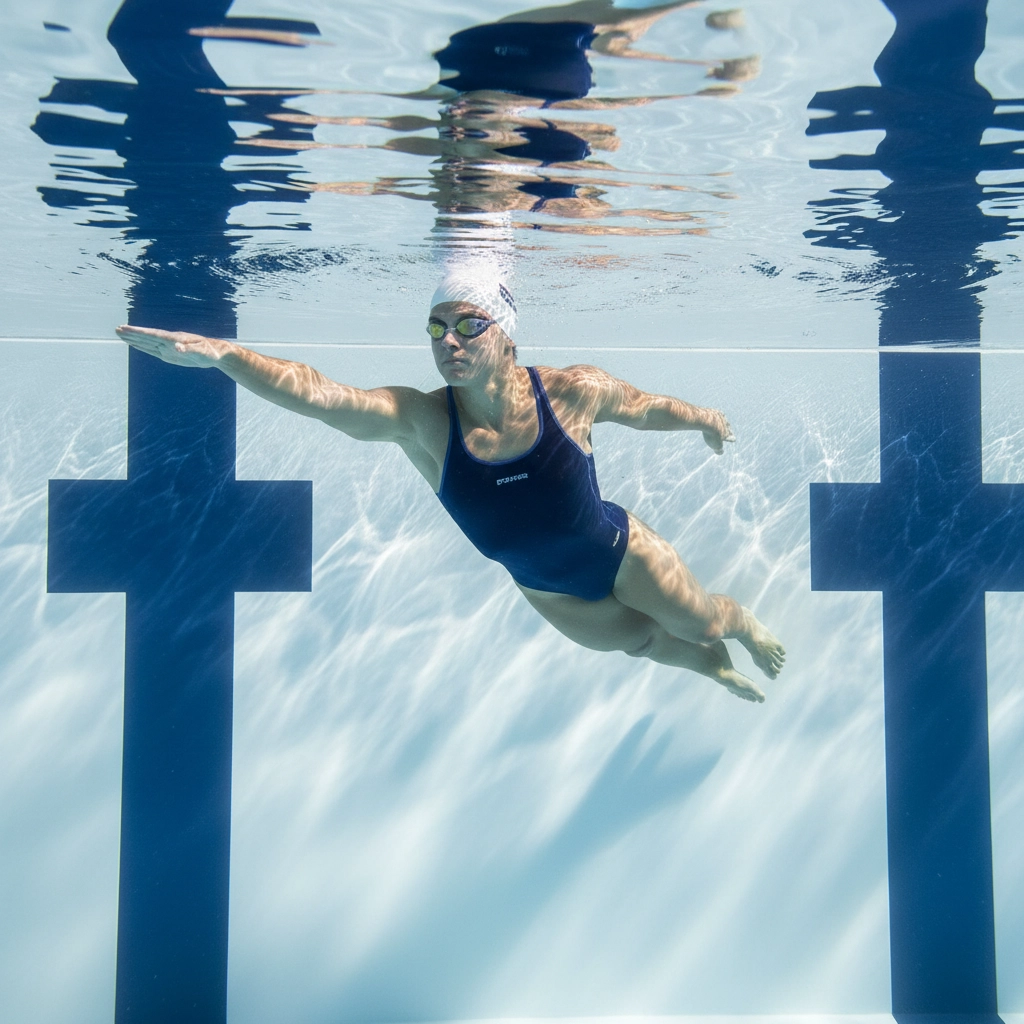
Swimming performance varies dramatically across age ranges and ability levels. The overall average 100m swim time falls between 1:45 and 2:15, but this broad range requires age-specific context for meaningful comparison.
Children and Teens (Ages 10-17)
Young swimmers demonstrate the fastest potential times due to natural buoyancy, flexibility, and rapid skill acquisition:
Ages 10-12:
- Beginner: 50-55 seconds
- Intermediate: 35-40 seconds
- Advanced: 17-22 seconds
Ages 13-17:
- Beginner: 45-50 seconds
- Intermediate: 30-35 seconds
- Advanced: 15-20 seconds
Young Adults (Ages 18-29)
Peak physical performance years, though technique development continues:
Recreational swimmers: 1:10-1:30 Club swimmers: 50-70 seconds Competitive swimmers: 45-55 seconds Elite level: Under 45 seconds
Middle-Aged Adults (Ages 30-49)
Slight performance decline offset by improved technique and training consistency:
Recreational swimmers: 1:15-1:35
Regular fitness swimmers: 55-75 seconds Masters competitors: 50-65 seconds
Older Adults (Ages 50-69)
Natural aging effects become more pronounced, but consistent training maintains strong performance:
Recreational swimmers: 1:20-1:45 Fitness swimmers: 1:00-1:20 Masters competitors: 55-70 seconds
Senior Swimmers (Ages 70+)
Age-related performance decline varies significantly based on training history and health status:
Ages 70-79:
- Beginner: 1:13-1:25
- Advanced: 44-50 seconds
Ages 80-90:
- Beginner: 1:25-1:38
- Advanced: 39-45 seconds
What Counts as "Fast Enough"?
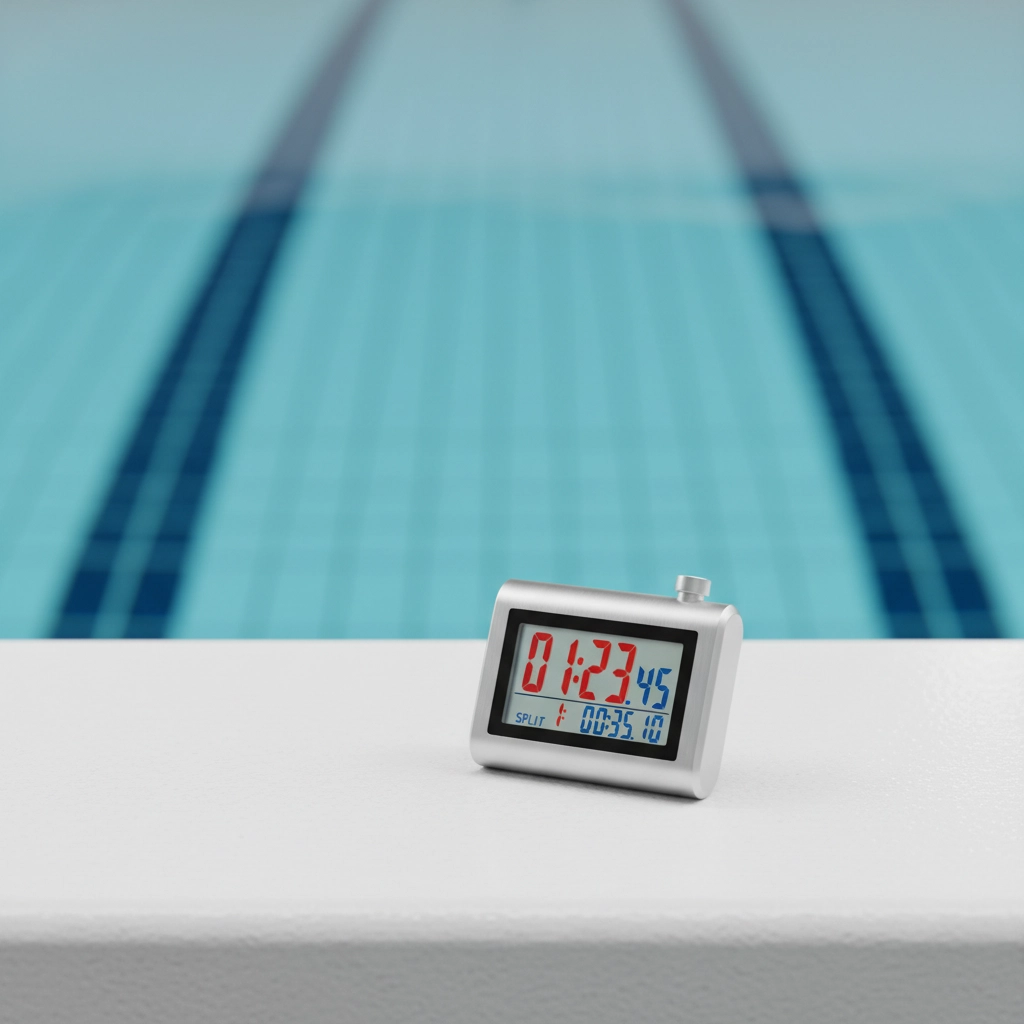
Your target time depends entirely on your swimming goals and current fitness level.
Health and Fitness Goals
For general cardiovascular health, completing 100m without stopping represents excellent progress regardless of time. Swimming 100m in under 2:30 indicates solid aerobic fitness for recreational swimmers.
Competitive Benchmarks
Local club level: Under 1:15 for adults demonstrates competitive potential Regional competition: Times under 1:00 qualify for most regional meets
National level: Sub-55 seconds typically required for national consideration Elite performance: Under 50 seconds approaches professional standards
Age-Group Standards
Rather than comparing across all ages, focus on your age-group percentiles:
- Top 10%: Exceptional performance requiring dedicated training
- Top 25%: Strong swimmer with consistent technique
- Top 50%: Above-average fitness and basic stroke proficiency
- Below 50%: Plenty of room for improvement through technique and conditioning
Proven Training Techniques to Improve Your 100m Time
Systematic training approaches deliver measurable improvements across all ability levels.
Stroke Technique Fundamentals
Poor technique creates drag and wastes energy. Focus on these key elements:
Body Position: Maintain horizontal alignment with slight downward head position. Your core should stay engaged to prevent hip drop.
Catch and Pull: Enter the water with fingertips first, extending fully forward before beginning the pull. Pull underwater with high elbow position, finishing past your hip.
Rotation: Rotate from your core, not your shoulders. Each stroke should engage your entire torso for maximum power transfer.
Breathing Pattern: Develop bilateral breathing (every 3-5 strokes) to maintain stroke symmetry and improve oxygen efficiency.
Training Structure for Time Improvement
Week 1-2: Technique Foundation
- 200m warm-up easy swimming
- 8 x 25m focus on stroke technique (30 seconds rest)
- 4 x 50m building speed (45 seconds rest)
- 200m cool-down
Week 3-4: Speed Development
- 300m warm-up with mixed strokes
- 6 x 25m sprint (45 seconds rest)
- 4 x 75m at 100m pace (60 seconds rest)
- 100m easy cool-down
Week 5-6: Race Pace Training
- 400m warm-up progressive build
- 3 x 100m at target pace (90 seconds rest)
- 6 x 25m faster than race pace (30 seconds rest)
- 200m cool-down
Dryland Training Benefits
Swimming-specific dryland exercises significantly impact pool performance:
Core Strengthening: Planks, Russian twists, and dead bugs improve body position and rotation power.
Shoulder Stability: Band exercises and controlled arm movements prevent injury while building stroke-specific strength.
Cardiovascular Base: Running, cycling, or rowing builds the aerobic foundation necessary for sustained swimming effort.
Mental focus and concentration play crucial roles in swimming performance. Consider supplements that support cognitive function during training, such as those found in specialized focus boost bundles.
Gender Differences in 100m Performance
Male and female swimmers show consistent performance gaps across all age groups, primarily due to physiological differences in muscle mass, lung capacity, and body composition.
Average Gender Gap: Male swimmers typically complete 100m approximately 10-15% faster than female swimmers of equivalent age and training level.
Elite Level Differences: The gap narrows slightly at competitive levels, where technique refinement and training intensity matter more than raw physical advantages.
Masters Swimming: Gender differences remain consistent into older age groups, though the absolute time gap decreases as both groups experience age-related performance decline.
Frequently Asked Questions
How long does it take to see improvement in 100m times?
Beginners often see dramatic improvements within 4-6 weeks of consistent training. Intermediate swimmers require 8-12 weeks for meaningful time drops. Advanced swimmers may need 6+ months of focused training for measurable gains.
Why am I plateauing in my 100m times?
Plateaus typically result from inadequate training variation, poor technique habits, or insufficient recovery. Consider working with a coach to identify technical issues, vary your training intensity, and ensure adequate rest between hard sessions.
Should I focus on distance or speed training?
The 100m requires both speed and endurance. Spend 60% of training time on technique and moderate-pace swimming, 25% on speed work, and 15% on longer aerobic sets. This ratio ensures balanced development.
How often should I test my 100m time?
Test every 4-6 weeks to track progress without overemphasizing time trials. More frequent testing can create unnecessary pressure and disrupt training consistency.
What's more important: stroke rate or stroke length?
Both matter, but stroke length (distance per stroke) typically provides greater efficiency gains for recreational swimmers. Focus on maximizing distance per stroke before increasing stroke rate.
Setting Your Personal Swimming Goals
Your swimming journey should reflect personal fitness objectives rather than comparing yourself to others. A 45-year-old completing their first 100m in 2:00 represents the same achievement level as a teenager swimming 1:15.
Track your progress consistently, celebrate improvements, and remember that swimming provides exceptional cardiovascular benefits regardless of your speed. Focus on technique development, training consistency, and gradual progression toward realistic time goals.
For additional insights on improving your swimming performance, explore our comprehensive guide on mastering speed swimming techniques.
The 100m benchmark offers a clear, achievable target for swimmers at every level. Whether you're aiming to break 2:00 for the first time or chasing a sub-60 second goal, consistent training and realistic expectations will guide your swimming success.