Zero-carbohydrate diets have gained significant attention in recent years, with proponents claiming they offer superior weight loss and metabolic benefits. But are these extreme dietary approaches actually healthy, or do they represent a dangerous escalation of the already restrictive ketogenic diet trend?
The evidence suggests that carb-free diets pose substantial health risks that far outweigh any potential short-term benefits. Understanding the science behind these extreme eating plans is crucial for anyone considering this dietary approach.
What Defines a Carb-Free Diet?
A truly carb-free diet eliminates virtually all carbohydrate sources, aiming for less than 5-10 grams of carbs per day. This differs significantly from other low-carb approaches:
- Standard ketogenic diet: 20-50g carbs daily (5-10% of calories)
- Low-carb diet: 50-130g carbs daily (10-26% of calories)
- Carb-free/zero-carb: Under 5-10g carbs daily (less than 2% of calories)
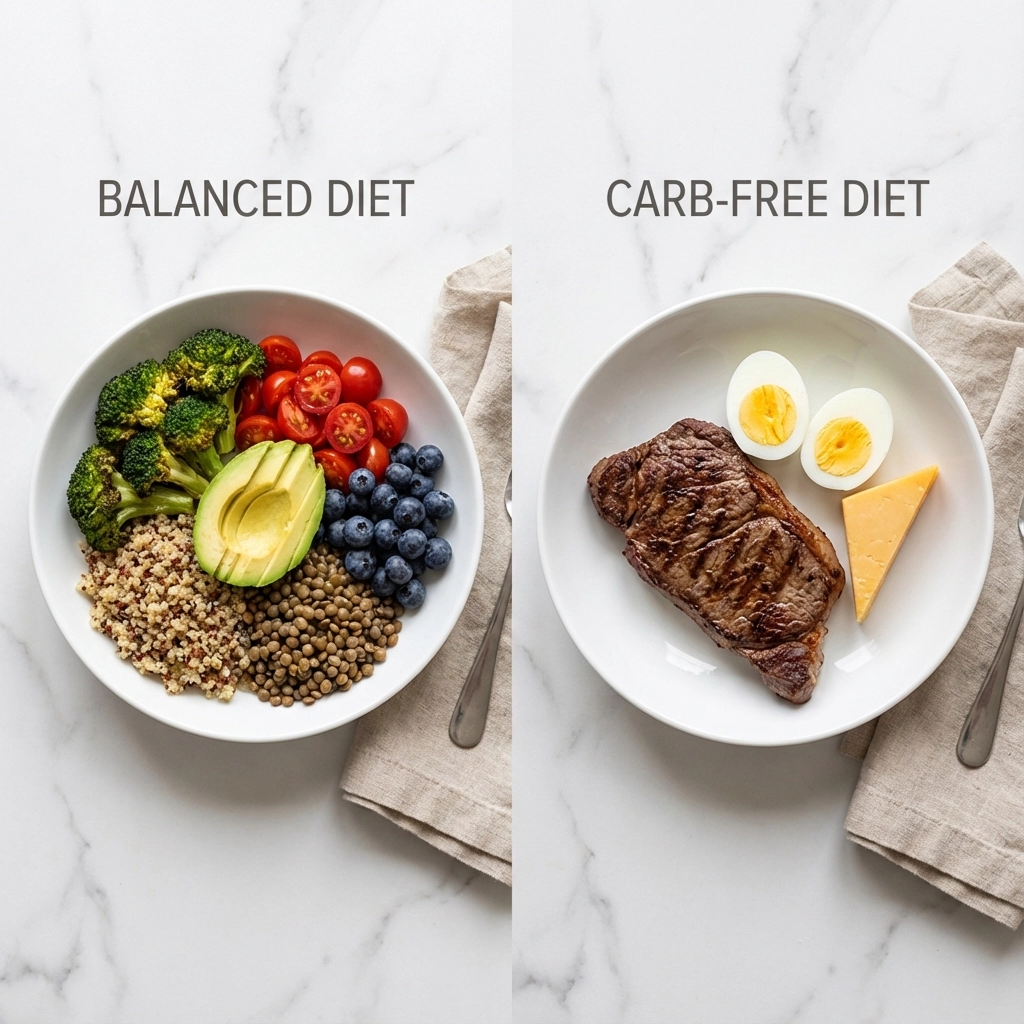
These diets typically consist almost entirely of animal products: meat, fish, eggs, and small amounts of dairy. Even vegetables are severely restricted or eliminated completely, as most contain some carbohydrates.
Popular Motivations Behind Carb-Free Diets
People pursue zero-carb eating plans for several reasons, though the scientific support varies considerably:
Rapid Weight Loss The most common motivation is quick weight reduction. Eliminating carbohydrates causes immediate water weight loss as the body depletes its glycogen stores. Each gram of stored glycogen holds 3-4 grams of water, leading to dramatic initial weight drops.
Claimed Mental Clarity Some adherents report improved focus and mental performance, though this likely reflects the temporary energy surge from ketone production rather than sustainable cognitive enhancement.
Metabolic Health Improvements Proponents claim better blood sugar control and insulin sensitivity. However, these benefits can be achieved through balanced, moderate carbohydrate restriction without the extreme elimination approach.
Digestive Issues Resolution People with certain digestive conditions may experience temporary symptom relief by removing high-FODMAP foods, though this doesn't require complete carbohydrate elimination.
Typical Carb-Free Foods and Meal Patterns
A zero-carb diet consists of an extremely limited food selection:
Primary Foods:
- Red meat (beef, lamb, pork)
- Poultry (chicken, turkey, duck)
- Fish and seafood
- Eggs
- Small amounts of hard cheese
- Animal fats (butter, lard, tallow)
Typical Daily Meals:
- Breakfast: Eggs cooked in butter with bacon
- Lunch: Grilled chicken thighs with cheese
- Dinner: Ribeye steak with bone marrow
- Snacks: Hard-boiled eggs or beef jerky (sugar-free)
This monotonous food selection poses immediate practical challenges for social eating, meal planning, and long-term adherence.

Short-Term Effects and Initial Benefits
The first weeks of a carb-free diet typically produce several noticeable changes:
Rapid Initial Weight Loss Most people lose 2-5 kg in the first week, primarily from water weight and glycogen depletion. This dramatic initial drop often motivates continued adherence despite the diet's restrictions.
Reduced Hunger Signals High protein and fat intake increases satiety hormones, potentially reducing overall calorie consumption. This effect can help with short-term weight management.
Stabilised Blood Sugar Without carbohydrate intake, blood glucose levels remain more stable throughout the day, which may benefit people with insulin resistance.
Ketosis Induction The body enters ketosis within 2-4 days, producing ketones as an alternative fuel source. Some people report increased energy once they adapt to this metabolic state.
However, these initial benefits come with significant side effects known as "keto flu": headaches, fatigue, nausea, constipation, and irritability lasting several days to weeks.
Serious Long-Term Health Risks
Extended periods of carbohydrate elimination pose substantial health risks that become more pronounced over time:
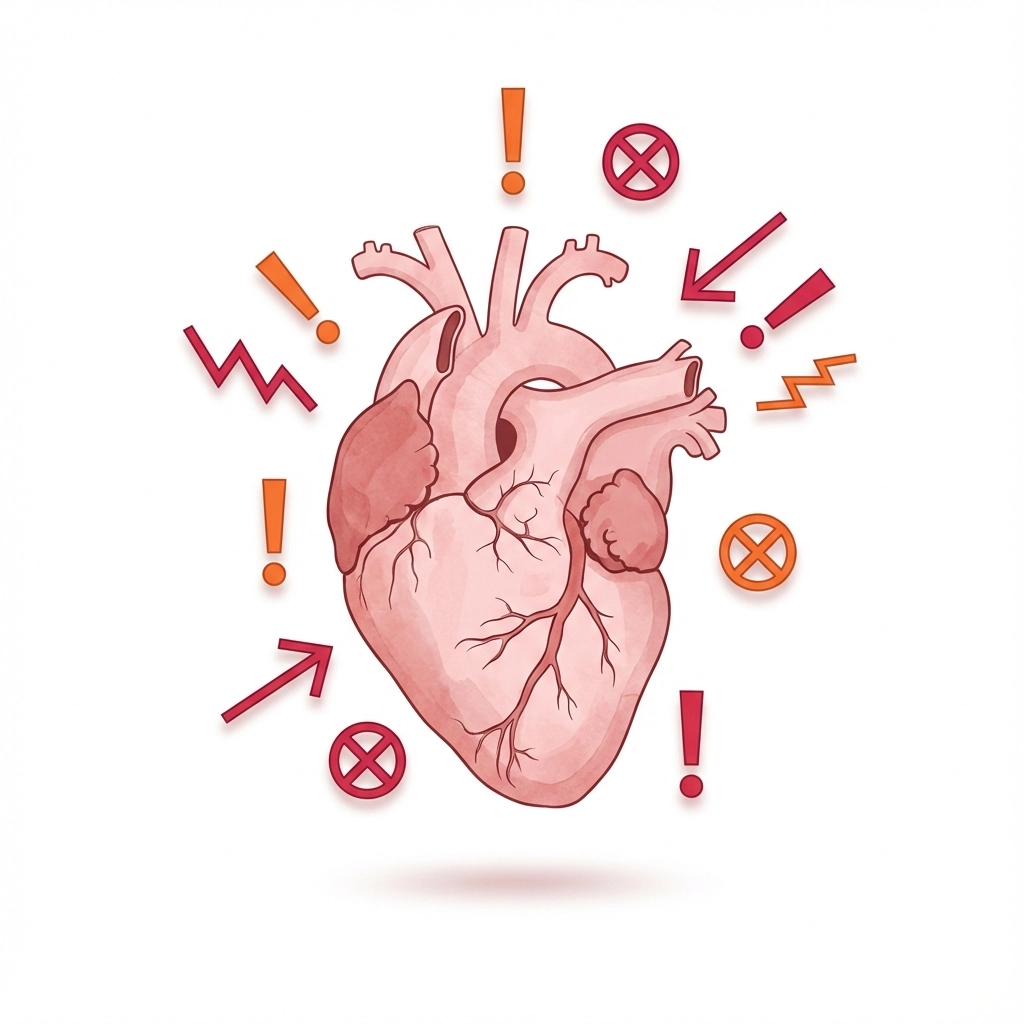
Cardiovascular Complications Research links prolonged carbohydrate restriction to increased risk of heart arrhythmias, elevated LDL cholesterol in some individuals, and potential cardiac function impairment. The high saturated fat content typical of carb-free diets may exacerbate these risks.
Bone Health Deterioration Studies show that people following strict ketogenic diets exhibit higher markers of bone breakdown and lower markers of bone formation. The acid load from high protein intake requires calcium buffering, potentially compromising bone density over time.
Kidney Stress The high protein intake typical of carb-free diets increases nitrogen waste production, placing additional strain on kidney function. People with existing kidney issues face particular risk of further damage.
Digestive System Disruption Complete fiber elimination severely disrupts gut microbiome diversity and function. This can lead to chronic constipation, reduced beneficial bacteria populations, and compromised digestive health.

Critical Nutrient Deficiencies
Eliminating all plant foods creates significant nutritional gaps:
Fiber Deficiency Zero fiber intake eliminates crucial benefits for digestive health, cholesterol management, and blood sugar regulation. The recommended daily intake is 25-35g for adults.
Vitamin Shortfalls
- Vitamin C: Essential for immune function and collagen synthesis
- Folate: Critical for DNA synthesis and red blood cell formation
- Vitamin E: Important antioxidant protection
- Vitamin K: Necessary for blood clotting and bone health
Mineral Imbalances
- Potassium: Crucial for heart rhythm and muscle function
- Magnesium: Essential for over 300 enzymatic reactions
- Calcium: Important beyond bone health for nerve and muscle function
Phytonutrient Absence Plant compounds like flavonoids, carotenoids, and polyphenols provide antioxidant protection and anti-inflammatory benefits that cannot be obtained from animal products alone.
Who Should Avoid Carb-Free Diets
Certain populations face heightened risks from zero-carb approaches:
Athletes and Active Individuals Carbohydrates provide the most efficient fuel for high-intensity exercise. Athletes on carb-free diets typically experience reduced performance, slower recovery, and increased injury risk.
People with Medical Conditions
- Diabetes (especially Type 1): Risk of dangerous blood sugar fluctuations
- Kidney disease: Increased protein load can worsen function
- Liver disease: Impaired ability to process ketones
- Eating disorder history: Extreme restriction can trigger relapse
- Gallbladder disease: High fat intake may provoke attacks
Pregnant and Breastfeeding Women Developing babies require adequate carbohydrates for proper brain and nervous system development. Ketosis during pregnancy poses potential risks to fetal development.
Children and Adolescents Growing bodies need balanced nutrition including carbohydrates for proper development. Extreme dietary restrictions can impair growth and academic performance.
Mental Health Implications
Emerging research suggests concerning psychological effects of extreme carbohydrate restriction:
Serotonin Reduction Studies indicate that low-carb diets may decrease brain serotonin levels, potentially increasing anxiety and depression risk. Carbohydrates play a role in serotonin synthesis, and their complete elimination may disrupt this crucial neurotransmitter balance.
Disordered Eating Risk The extreme restrictive nature of carb-free diets can foster unhealthy relationships with food. The binary thinking of "good" (zero-carb) versus "bad" (any carb) foods may trigger or worsen eating disorder behaviours.
Social Isolation The severely limited food choices make social eating extremely difficult, potentially leading to isolation from family gatherings, restaurant meals, and social events centred around food.
The Scientific Verdict
Current nutritional science does not support long-term carb-free dieting as a healthy approach. While short-term weight loss may occur, the risks substantially outweigh any potential benefits:
- Major health organisations recommend balanced diets including carbohydrates from whole food sources
- Long-term studies show higher mortality risk associated with very low-carb diets
- The extreme nature makes sustainable adherence unlikely for most people
A More Balanced Approach
Rather than eliminating carbohydrates entirely, evidence supports moderate carbohydrate intake focusing on:
- Vegetables and fruits for fiber, vitamins, and phytonutrients
- Whole grains for sustained energy and B vitamins
- Legumes for protein, fiber, and minerals
- Balanced portions with adequate protein and healthy fats
This approach provides metabolic benefits without the significant health risks of complete carbohydrate elimination.
For those seeking the benefits often attributed to carb-free diets: weight loss, stable blood sugar, and improved metabolic health: working with a registered dietitian to develop a sustainable, balanced eating plan proves far safer and more effective than extreme dietary elimination.

The allure of rapid results makes carb-free diets tempting, but the mounting scientific evidence clearly indicates that these extreme approaches pose serious health risks that far exceed any temporary benefits. Sustainable health improvements come from balanced, evidence-based nutrition approaches rather than dramatic dietary extremes.