

Following a ketogenic diet as a vegetarian might seem challenging at first glance, but it's entirely achievable with proper planning and the right food choices. The vegetarian keto approach combines the metabolic benefits of ketosis with plant-based eating principles, creating a sustainable lifestyle that supports both health goals and ethical food choices.
The key to success lies in understanding how to maintain ketosis: typically requiring less than 20-50 grams of net carbs per day: while avoiding meat and poultry. This means focusing heavily on low-carb vegetables, healthy fats, eggs, and dairy products if you include them in your vegetarian approach.
Essential Foods for Vegetarian Keto Success
Low-Carb Vegetables: Your Foundation
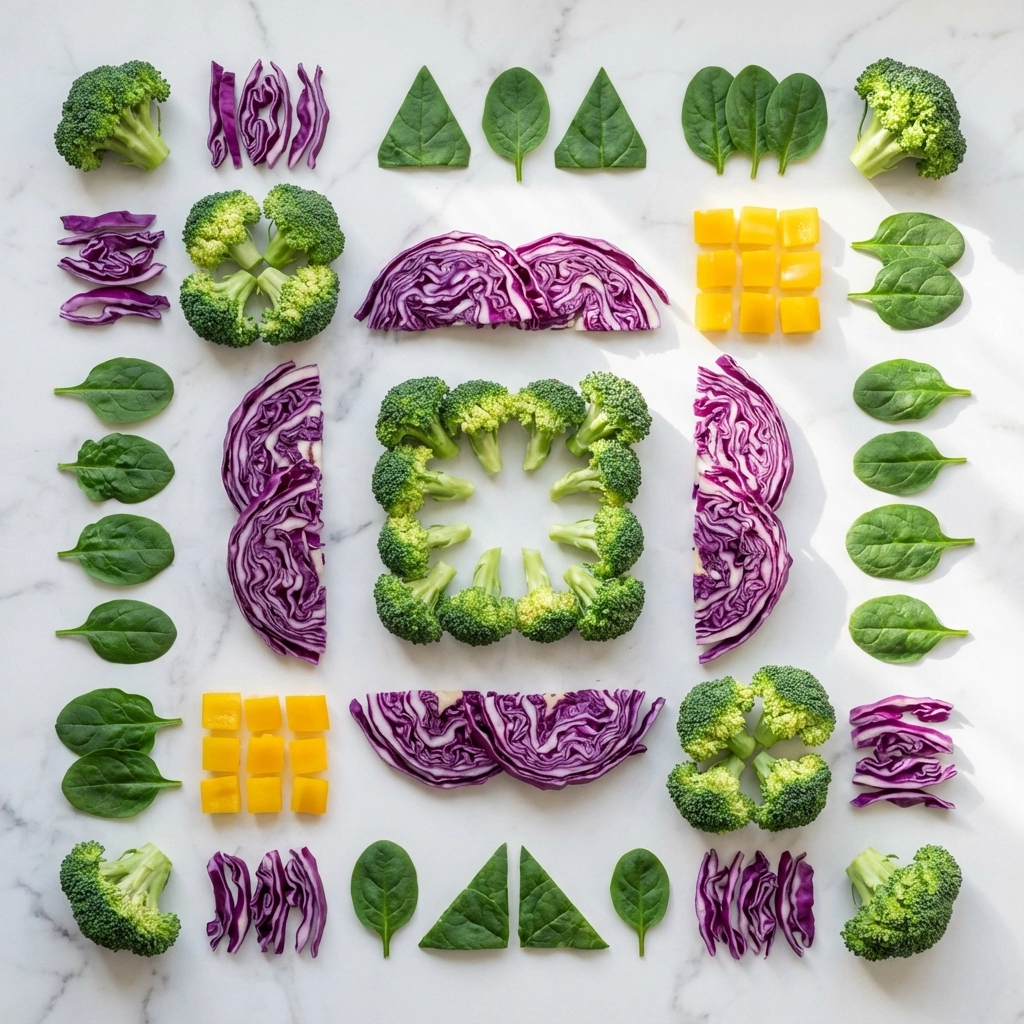
Above-ground vegetables form the backbone of any successful vegetarian keto diet. Leafy greens like spinach, kale, arugula, and lettuce contain virtually zero net carbs and provide essential micronutrients. Aim for 2-3 cups of raw leafy greens daily.
Cruciferous vegetables including broccoli, cauliflower, Brussels sprouts, and cabbage offer versatility and fiber while keeping carbs minimal. Cauliflower deserves special mention as it serves as an excellent substitute for rice, potatoes, and even pizza crusts.
Other low-carb champions include zucchini, cucumber, asparagus, green beans, mushrooms, and bell peppers. These vegetables typically contain 2-6 grams of net carbs per 100-gram serving, making them ideal for maintaining ketosis.
Protein Sources Without the Meat
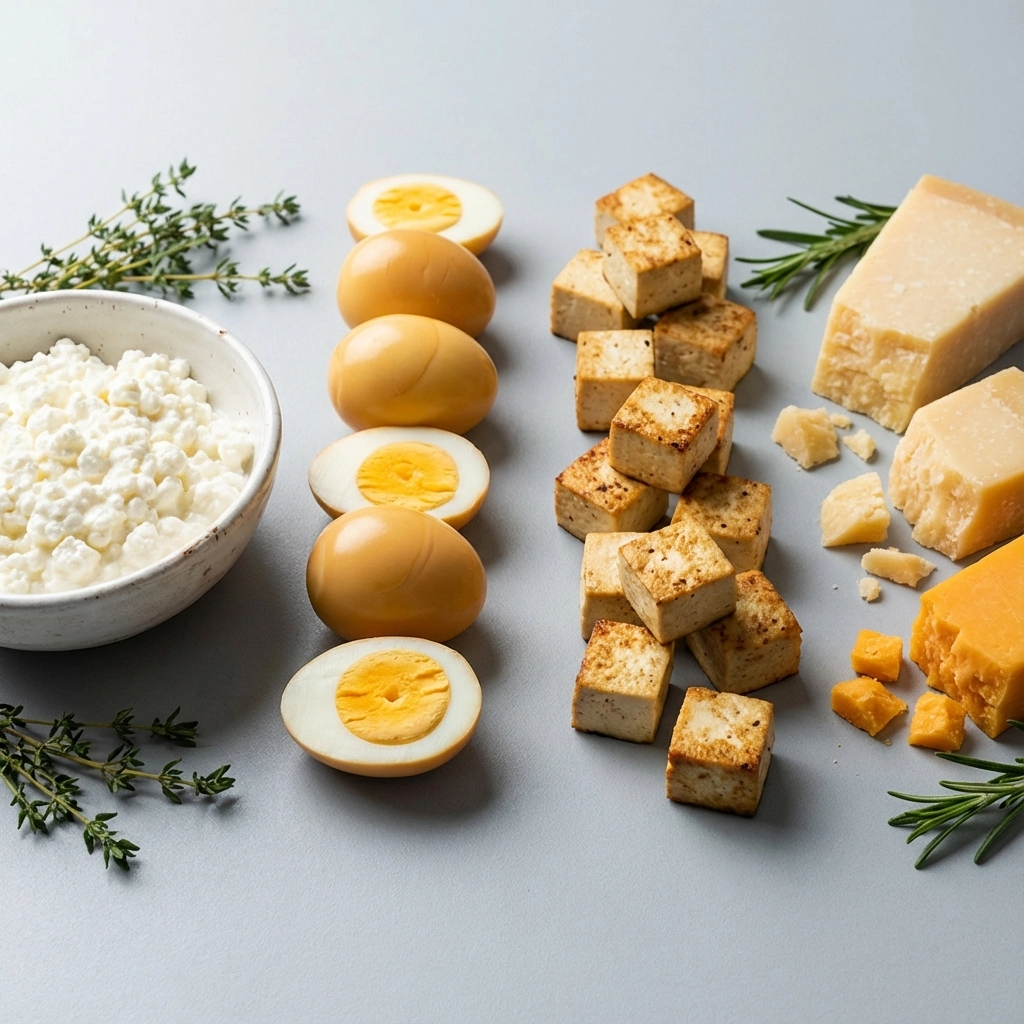
Eggs represent the gold standard for vegetarian keto protein. They contain zero carbs, provide complete amino acid profiles, and offer incredible versatility. Consider incorporating whole eggs, egg whites, and even egg-based dishes like frittatas and quiches into your meal rotation.
Dairy products can significantly boost your protein intake if you consume them. Full-fat Greek yogurt, cottage cheese, hard cheeses like cheddar and parmesan, and soft cheeses like brie and goat cheese all provide substantial protein with minimal carbs. Choose organic, grass-fed options when possible for optimal nutrient density.
Plant-based proteins require more careful selection on keto. Tofu and tempeh work well, containing roughly 2-3 grams of net carbs per 100 grams. Firm tofu absorbs flavors beautifully and can replace meat in many traditional recipes. Tempeh offers a nuttier flavor and slightly higher protein content.
Healthy Fats: Your Energy Source
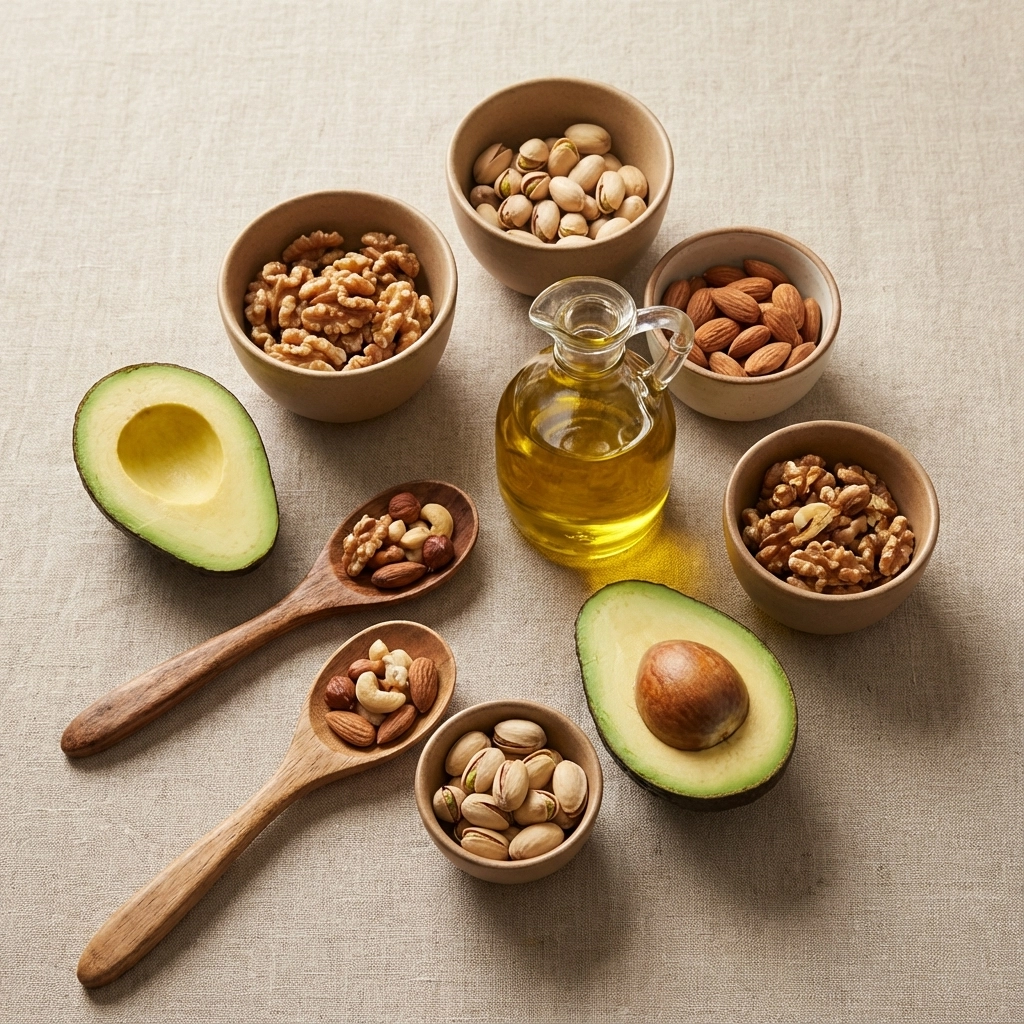
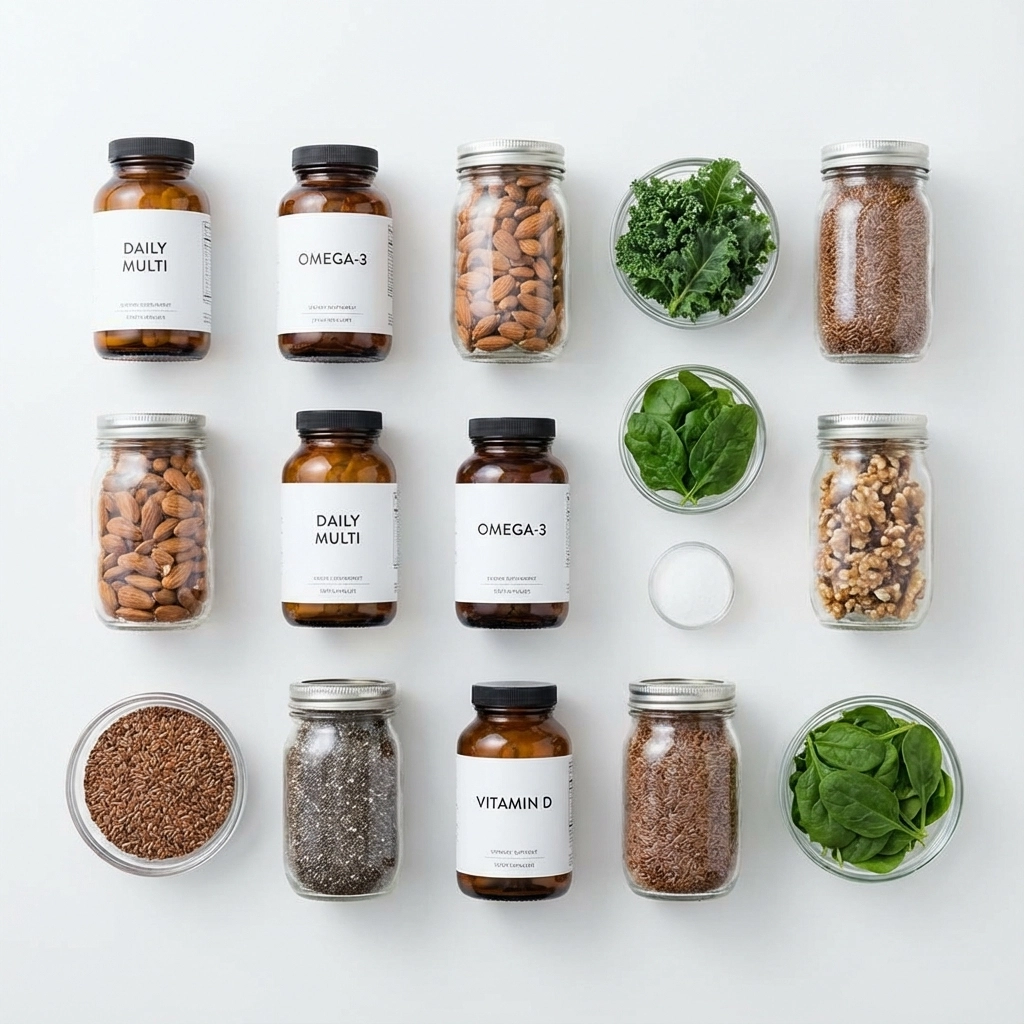
Nuts and seeds provide both protein and healthy fats while adding satisfying crunch to meals. Macadamia nuts, pecans, walnuts, and almonds contain the lowest carb counts among tree nuts. Chia seeds, flaxseeds, and hemp hearts offer omega-3 fatty acids and can be incorporated into smoothies, yogurt, or used as egg substitutes in baking.
Oils and spreads should focus on monounsaturated and saturated fats. Extra virgin olive oil, avocado oil, coconut oil, and grass-fed butter provide clean energy sources. Avocados deserve special recognition as they're technically fruits but function more like fats, containing healthy monounsaturated fats with minimal net carbs.
Foods to Strictly Avoid
Grains and Starches
All traditional grains including wheat, rice, oats, quinoa, and barley must be eliminated. These foods contain 20-40 grams of carbs per serving, making ketosis impossible to maintain.
Root vegetables like potatoes, sweet potatoes, carrots, beets, and parsnips are too high in carbs for keto. Even seemingly healthy options like butternut squash contain excessive carbohydrates for ketogenic eating.
Legumes and High-Carb Plant Proteins
Beans, lentils, chickpeas, and peas contain 15-25 grams of net carbs per half-cup serving. While nutritious for standard vegetarian diets, they're incompatible with ketosis requirements.
High-carb fruits including bananas, apples, oranges, grapes, and mangoes must be avoided. Stick to small portions of berries and focus primarily on avocados for fruit intake.
Mastering Your Macros as a Vegetarian
Achieving optimal ketogenic ratios (70-80% fat, 15-25% protein, 5-10% carbs) requires strategic meal planning. Calculate your individual needs based on activity level, age, and weight goals, typically ranging from 1,200-2,000 calories daily.
Protein targets should aim for 0.8-1.2 grams per kilogram of body weight. A 70kg person needs approximately 56-84 grams of protein daily. Track your intake initially to ensure adequate protein without exceeding carb limits.
Fat intake naturally increases to fill remaining caloric needs. Focus on variety: combining animal fats from dairy, plant fats from nuts and oils, and monounsaturated fats from avocados and olives.
Preventing Nutrient Deficiencies
Critical Vitamins and Minerals
Vitamin B12 deficiency poses the greatest risk for vegetarian keto dieters. Since B12 occurs naturally only in animal products, consider a high-quality supplement providing 250-1000 mcg daily. Nutritional yeast offers some B12 but supplementation ensures adequacy.
Iron absorption becomes crucial when avoiding meat-based heme iron. Combine iron-rich foods like spinach and pumpkin seeds with vitamin C sources such as bell peppers and strawberries. Consider iron supplementation if blood tests indicate deficiency.
Omega-3 fatty acids typically come from fish in ketogenic diets. Vegetarian sources include chia seeds, flaxseeds, walnuts, and algae-based supplements. Aim for 1-2 grams of EPA and DHA combined daily.
Electrolyte Balance
Ketogenic diets naturally increase water and electrolyte losses. Sodium needs increase to 3-5 grams daily: add high-quality sea salt to meals and consider electrolyte supplements. Potassium requirements (3-4 grams daily) can be met through avocados, spinach, and mushrooms. Magnesium supplementation (200-400mg) helps prevent cramping and supports sleep quality.
Sample Daily Meal Plan
Breakfast (7:00 AM): Three-egg spinach and cheese omelet cooked in butter, served with sliced avocado and cherry tomatoes. Net carbs: 6g
Mid-Morning Snack (10:00 AM): Greek yogurt (150g) with crushed macadamia nuts and a few raspberries. Net carbs: 8g
Lunch (1:00 PM): Large salad with mixed greens, cucumber, bell peppers, hard-boiled eggs, olive oil dressing, and crumbled feta cheese. Net carbs: 8g
Afternoon Snack (4:00 PM): Celery sticks with almond butter and a small piece of dark chocolate (85% cocoa). Net carbs: 5g
Dinner (7:00 PM): Cauliflower rice stir-fry with tofu, broccoli, mushrooms, and sesame oil, topped with hemp hearts. Net carbs: 10g
Evening Treat (9:00 PM): Small portion of berries with whipped cream. Net carbs: 5g
Daily Total: Net carbs: 42g, Protein: 95g, Fat: 145g
Creative Meal Ideas and Food Swaps
Breakfast Innovation
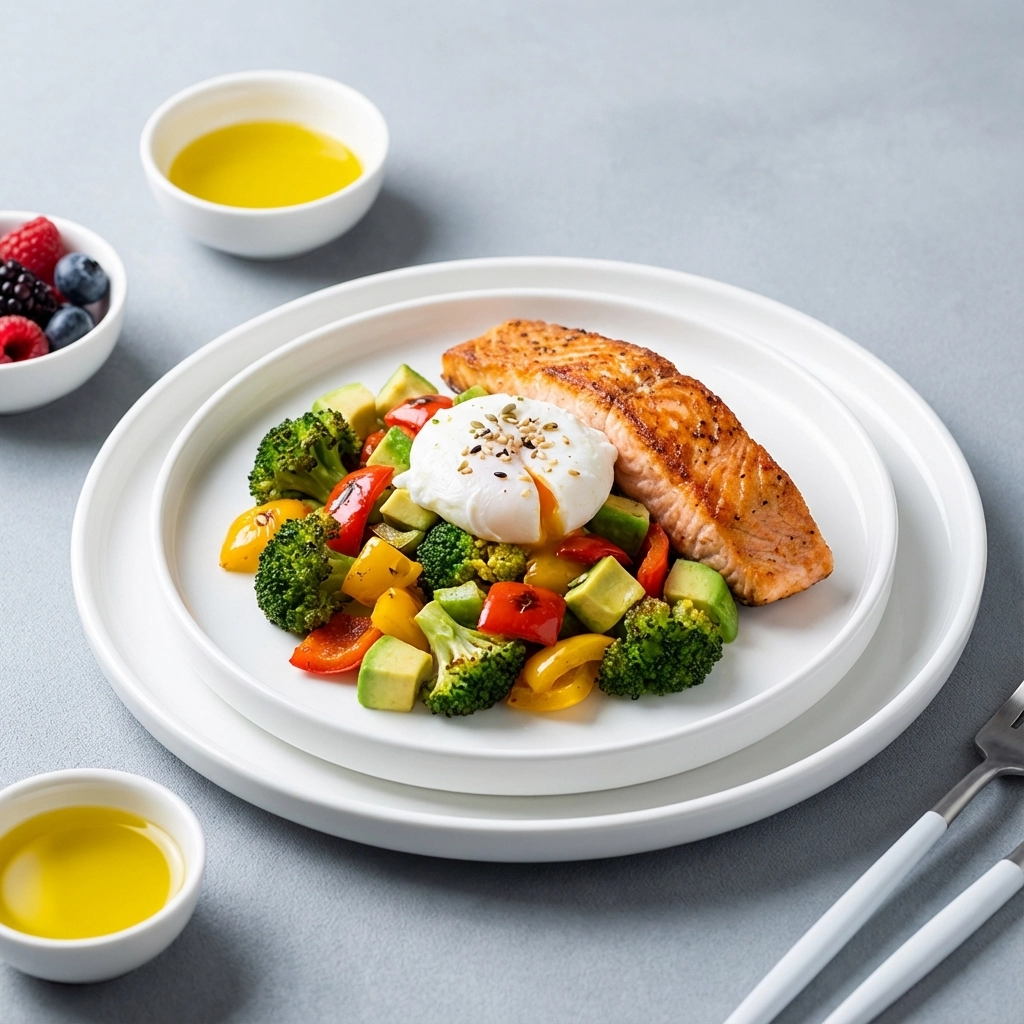
Replace traditional cereals with chia puddings made with coconut milk, vanilla, and berries. Create cauliflower hash browns seasoned with herbs and cooked in coconut oil. Protein pancakes using almond flour, eggs, and cream cheese satisfy traditional breakfast cravings.
Satisfying Lunches
Zucchini noodles with pesto and parmesan cheese create pasta-like satisfaction. Stuffed portobello mushrooms filled with cheese, herbs, and nuts provide hearty, meat-like texture. Egg salad wrapped in large lettuce leaves offers portable convenience.
Dinner Showstoppers
Eggplant lasagna layers thinly sliced eggplant with ricotta, mozzarella, and sugar-free marinara sauce. Cauliflower pizza topped with vegetables and cheese satisfies pizza cravings. Stuffed bell peppers filled with cauliflower rice, cheese, and herbs create complete meals.
Practical Implementation Tips
Meal Preparation Strategies
Batch cooking saves time and ensures keto compliance. Prepare large quantities of cauliflower rice, hard-boiled eggs, and roasted vegetables weekly. Pre-portion nuts and seeds to avoid overconsumption: they're calorie-dense and easy to overeat.
Menu planning prevents decision fatigue and ensures macro targets. Plan three days of meals in advance, including snacks and treats. Keep backup options like canned fish (if pescatarian), eggs, and cheese for quick meals.
Dining Out Guidelines
Research menus beforehand and don't hesitate to request modifications. Most restaurants accommodate vegetarian keto needs: request extra vegetables instead of starches, olive oil for cooking, and cheese-based dishes.
Focus on salads with added protein, vegetable-based entrees with cheese, and egg dishes. Avoid breaded items, pasta, rice, and sweetened sauces.
The vegetarian ketogenic approach offers a sustainable way to combine ethical eating with metabolic health benefits. Success requires careful planning, consistent tracking, and creative cooking, but the results: stable energy, potential weight management, and alignment with vegetarian values: make the effort worthwhile. Start gradually, monitor your body's responses, and adjust as needed to find your optimal approach to vegetarian keto living.










