The vegan keto diet combines two powerful nutritional approaches: plant-based eating and ketogenic macronutrient ratios. This eating pattern eliminates all animal products while maintaining the high-fat, low-carb structure needed to achieve ketosis: the metabolic state where your body burns fat for fuel instead of carbohydrates.
While challenging, a well-planned vegan keto diet can provide significant health benefits when executed properly. Success requires strategic food choices, careful macro tracking, and targeted supplementation to prevent nutrient deficiencies.
Understanding Vegan Keto Macronutrients
Your macronutrient distribution forms the foundation of successful vegan keto eating. Aim for approximately 70% of calories from plant-based fats, 25% from vegan proteins, and 5% from carbohydrates.
Keep total carb intake between 20-35 grams of net carbs daily to maintain ketosis. Net carbs equal total carbohydrates minus fiber, so focus on high-fiber plant foods that provide nutrients without disrupting ketosis.
Calculate your individual needs based on body weight and activity level. Most people require 0.8-1.2 grams of protein per kilogram of body weight, with active individuals needing higher amounts.
Essential Vegan Keto Food Groups
High-Fat Plant Foods
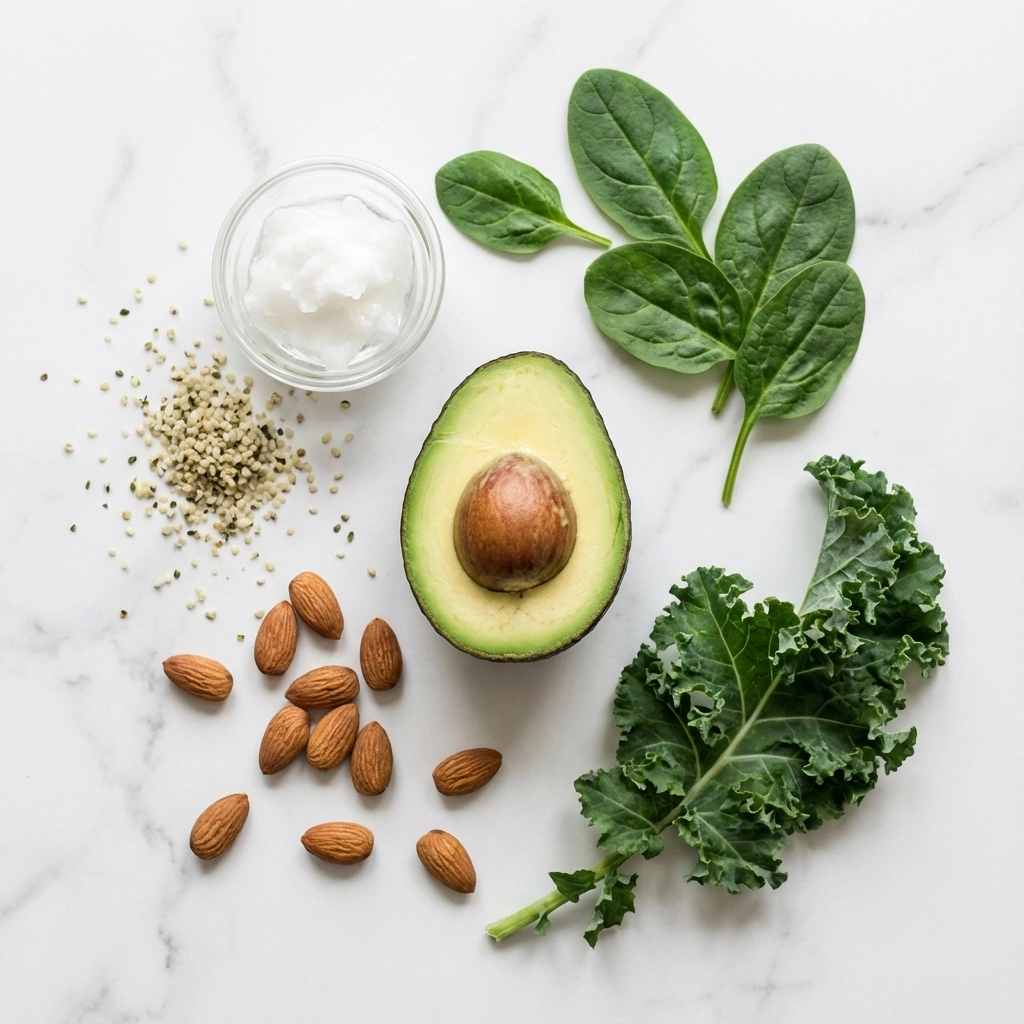
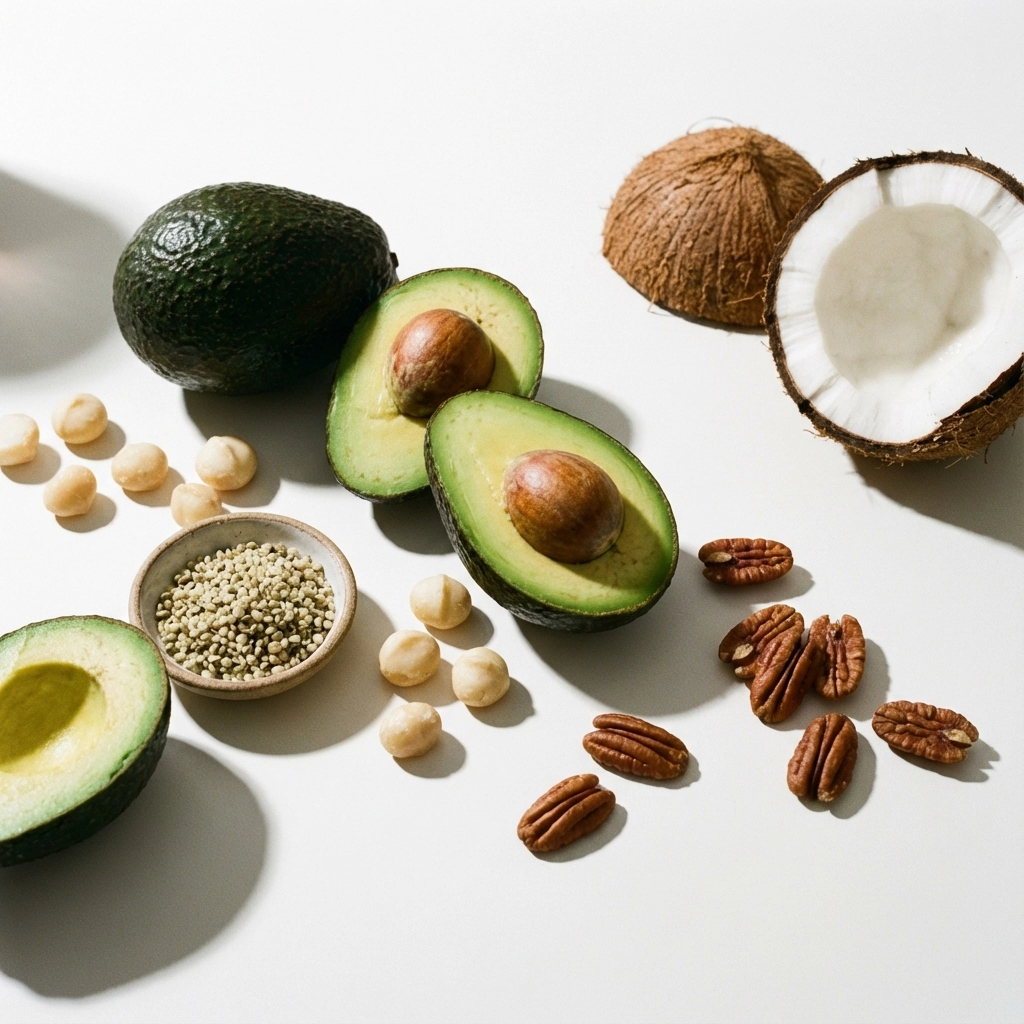
Avocados serve as your primary whole-food fat source, providing monounsaturated fats, fiber, and potassium. One medium avocado contains approximately 21 grams of fat and only 4 grams of net carbs.
Nuts and seeds offer concentrated nutrition and healthy fats:
- Macadamia nuts: 21g fat, 1.5g net carbs per 28g serving
- Pecans: 20g fat, 1g net carbs per 28g serving
- Hemp seeds: 14g fat, 1g net carbs per 30g serving
- Chia seeds: 9g fat, 2g net carbs per 28g serving
Coconut products provide medium-chain triglycerides (MCTs) that convert quickly to ketones:
- Coconut oil: Pure fat with zero carbs
- Full-fat coconut milk: High in saturated fats
- Coconut cream: Concentrated fat source for cooking
Low-Carb Vegetables
Non-starchy vegetables provide essential micronutrients while keeping carbs minimal:
Leafy greens: Spinach, kale, arugula, lettuce (1-2g net carbs per cup) Cruciferous vegetables: Broccoli, cauliflower, Brussels sprouts (3-5g net carbs per cup) Other low-carb options: Zucchini, bell peppers, mushrooms, asparagus (2-4g net carbs per cup)
These vegetables supply folate, vitamin K, magnesium, and fiber while supporting ketosis.
Vegan Protein Strategies Without Animal Products
Achieving adequate protein intake presents the biggest challenge on vegan keto. Traditional high-protein plant foods like legumes contain too many carbohydrates for strict ketogenic eating.
Primary Protein Sources
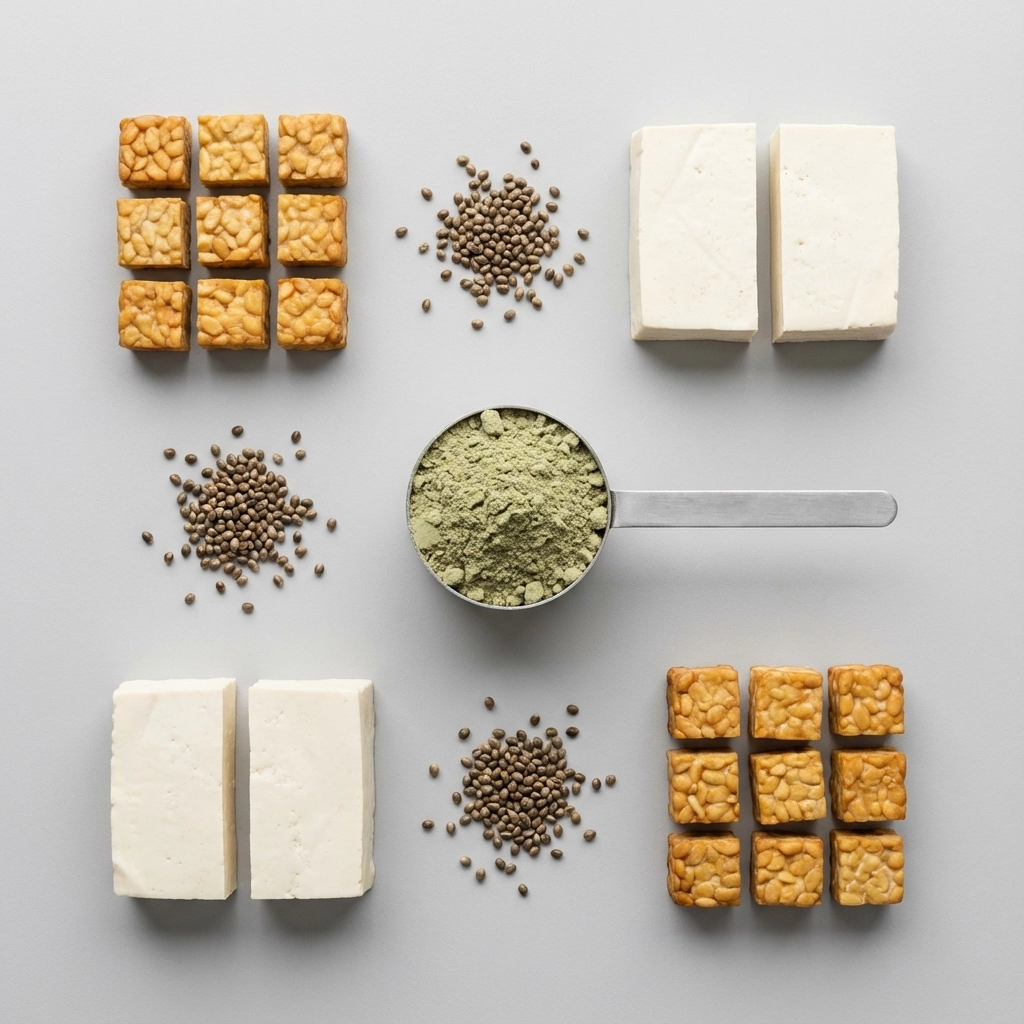
Tofu and tempeh provide complete proteins with moderate carb content:
- Extra-firm tofu: 15g protein, 3g net carbs per 150g serving
- Tempeh: 16g protein, 7g net carbs per 85g serving
Seitan offers high protein density but requires careful portion control due to wheat-based carbohydrates. Choose seitan with minimal added sugars and starches.
Plant-based protein powders help bridge the protein gap efficiently:
- Pea protein isolate: 20-25g protein, 1-2g carbs per scoop
- Hemp protein powder: 15g protein, 8g net carbs per 30g serving
- Pumpkin seed protein: 18g protein, 2g net carbs per 30g serving
Secondary Protein Sources
Nuts and seeds contribute moderate protein while providing healthy fats:
- Almonds: 6g protein per 28g serving
- Sunflower seeds: 6g protein per 28g serving
- Tahini: 5g protein per 2 tablespoons
Nutritional yeast adds B-vitamins and umami flavor while contributing 8g protein per 28g serving with only 5g net carbs.
Addressing Critical Nutrient Gaps
Vegan keto eating creates higher risks for specific nutrient deficiencies compared to standard vegan or ketogenic diets alone.
Essential Supplementation
Vitamin B12: Take 250-1000mcg daily as cyanocobalamin or methylcobalamin. Plant foods contain no reliable B12 sources.
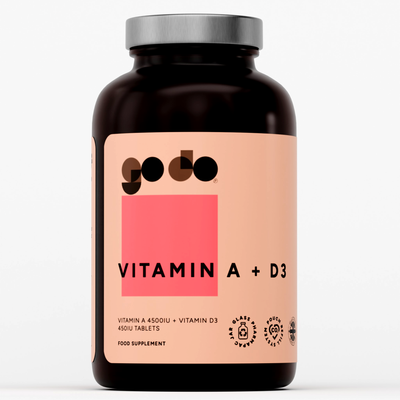
Vitamin D3: Supplement with 1000-4000 IU daily, especially during UK winters when sun exposure decreases significantly.
Omega-3 fatty acids: Use algae-based DHA/EPA supplements providing 250-500mg daily to support brain and heart health.
Iron: Consider 18mg daily if blood tests reveal deficiency. Pair with vitamin C-rich foods to enhance absorption.
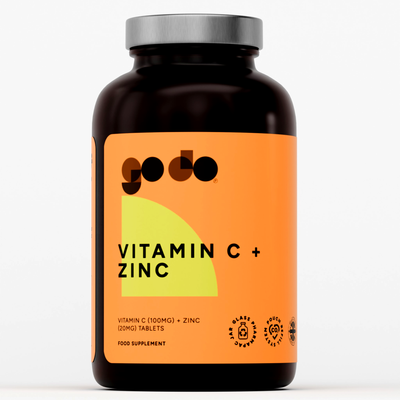
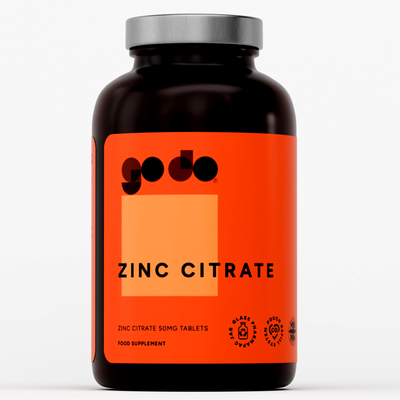
Zinc: Supplement 8-11mg daily, as plant-based zinc shows lower bioavailability than animal sources.
Monitoring Key Nutrients
Track these nutrients through food apps or periodic blood testing:
- Protein intake and amino acid balance
- Electrolytes: sodium, potassium, magnesium
- B-vitamins, especially B12, folate, and B6
- Minerals: iron, zinc, calcium
Sample Vegan Keto Meal Plan
Breakfast Options
- Chia pudding: 3 tbsp chia seeds, 200ml coconut milk, 1 tbsp almond butter, handful of raspberries
- Tofu scramble: 150g silken tofu, nutritional yeast, turmeric, spinach, avocado slices
- Green smoothie: Spinach, avocado, coconut milk, protein powder, MCT oil
Lunch Ideas
- Buddha bowl: Cauliflower rice, roasted broccoli, hemp seeds, tahini dressing, tempeh strips
- Zucchini noodles: Spiralized zucchini, pesto made with basil, pine nuts, nutritional yeast
- Stuffed portobello: Mushroom caps filled with cashew cream, herbs, sun-dried tomatoes
Dinner Choices
- Cauliflower curry: Coconut milk base, low-carb vegetables, tofu, curry spices
- Kelp noodle stir-fry: Shirataki or kelp noodles, mixed vegetables, tempeh, coconut aminos
- Eggplant lasagna: Grilled eggplant layers, cashew ricotta, sugar-free marinara sauce
Snacks and Treats
- Macadamia nuts with sea salt
- Cucumber slices with almond butter
- Coconut fat bombs made with cacao powder
- Olives and avocado slices
Evidence-Based Benefits and Risks
Potential Benefits
Weight management: The combination of ketosis and plant-based eating may support sustainable weight loss through improved satiety and metabolic flexibility.
Cardiovascular health: Plant-based fats from nuts, seeds, and avocados provide heart-protective monounsaturated and polyunsaturated fatty acids.
Environmental impact: Reduces carbon footprint compared to animal-based ketogenic approaches while maintaining metabolic benefits.
Documented Risks
Nutrient deficiencies: Higher risk for B12, vitamin D, iron, zinc, and omega-3 deficiencies requires careful monitoring and supplementation.
Social challenges: Limited food options when dining out or attending social events may impact long-term adherence.
Digestive adaptation: Sudden increases in fiber from plant foods may cause temporary digestive discomfort during the initial transition period.
Long-term sustainability: Limited research exists on long-term health outcomes of combining vegan and ketogenic approaches.

Practical Success Strategies
Meal Planning and Preparation
Dedicate time each week to meal planning and batch cooking. Prepare large quantities of cauliflower rice, roasted vegetables, and protein sources like baked tofu or tempeh.
Stock your pantry with shelf-stable essentials: canned coconut milk, nuts, seeds, nutritional yeast, and low-carb vegetables. This ensures you always have vegan keto options available.
Tracking and Monitoring
Use smartphone apps to track macronutrients, especially during the initial adjustment period. Monitor ketone levels using blood, breath, or urine testing methods to confirm you're maintaining ketosis.
Schedule regular blood work to monitor nutrient levels, particularly B12, vitamin D, iron, and omega-3 fatty acids. Adjust supplementation based on results.
Troubleshooting Common Issues
Insufficient protein: Increase protein powder servings, add hemp seeds to meals, or incorporate more tempeh and seitan within your carb limits.
Low energy: Ensure adequate electrolyte intake, particularly sodium and potassium. Consider increasing healthy fat consumption if energy remains low.
Digestive issues: Gradually increase fiber intake rather than making sudden changes. Include digestive enzymes if needed during the adaptation phase.
The vegan keto diet requires careful planning and commitment, but offers a unique approach to plant-based nutrition that may provide metabolic and environmental benefits. Focus on nutrient density, strategic supplementation, and regular monitoring to maintain optimal health while following this restrictive eating pattern.
Success depends on thorough preparation, realistic expectations, and willingness to adjust your approach based on individual responses and blood work results. Consider working with a registered dietitian experienced in both vegan and ketogenic nutrition to optimize your individual plan.