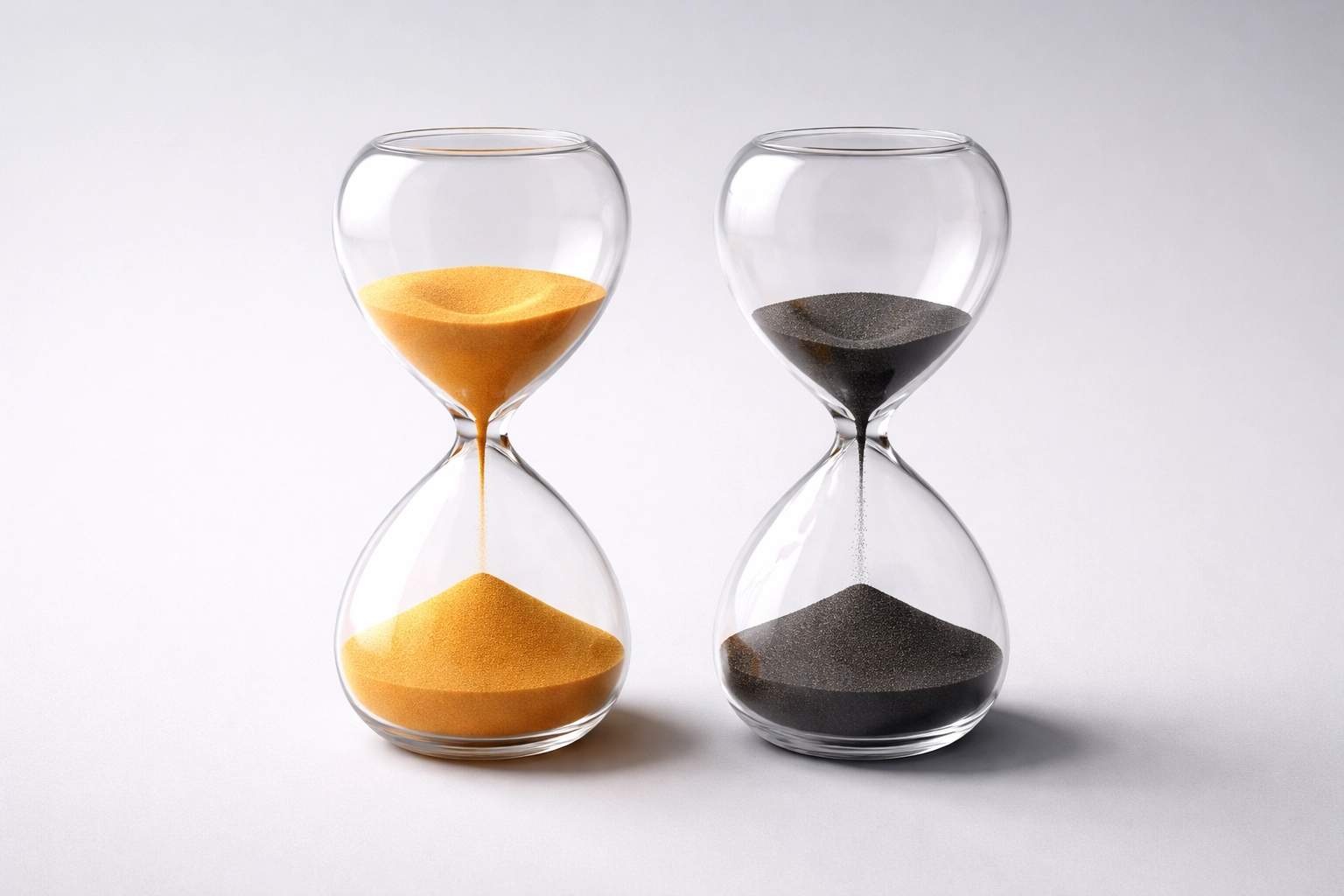
A 50-year-old marathon runner and a 50-year-old with chronic health conditions share the same birth year. Yet their bodies tell very different stories. This is the fundamental concept behind biological age testing: a growing field that measures how fast the body is actually aging at the cellular level, regardless of what the calendar says.
Understanding biological age offers more than curiosity. It provides actionable data about disease risk, longevity potential, and whether current lifestyle choices are working for or against the body's internal systems.
Chronological Age vs. Biological Age: What's the Difference?
Chronological age is straightforward: the number of years since birth. It's fixed and moves forward at the same rate for everyone.
Biological age reflects the actual condition of cells, tissues, and organs. Two people of the same chronological age can have biological ages that differ by 20 years or more, depending on genetics, lifestyle, and accumulated health factors.
Research shows that biological age correlates more strongly with:
- Risk of age-related diseases (cardiovascular disease, diabetes, dementia)
- Mortality risk
- Physical performance capacity
- Cognitive function
This explains why some individuals remain physically capable well into their 70s while others experience significant decline in their 40s. Biological age captures what chronological age cannot: the actual wear and tear on the body's systems.
How Biological Age Is Measured
Several validated methods exist for measuring biological age, each examining different aspects of cellular aging.
1. DNA Methylation Analysis (Epigenetic Clocks)
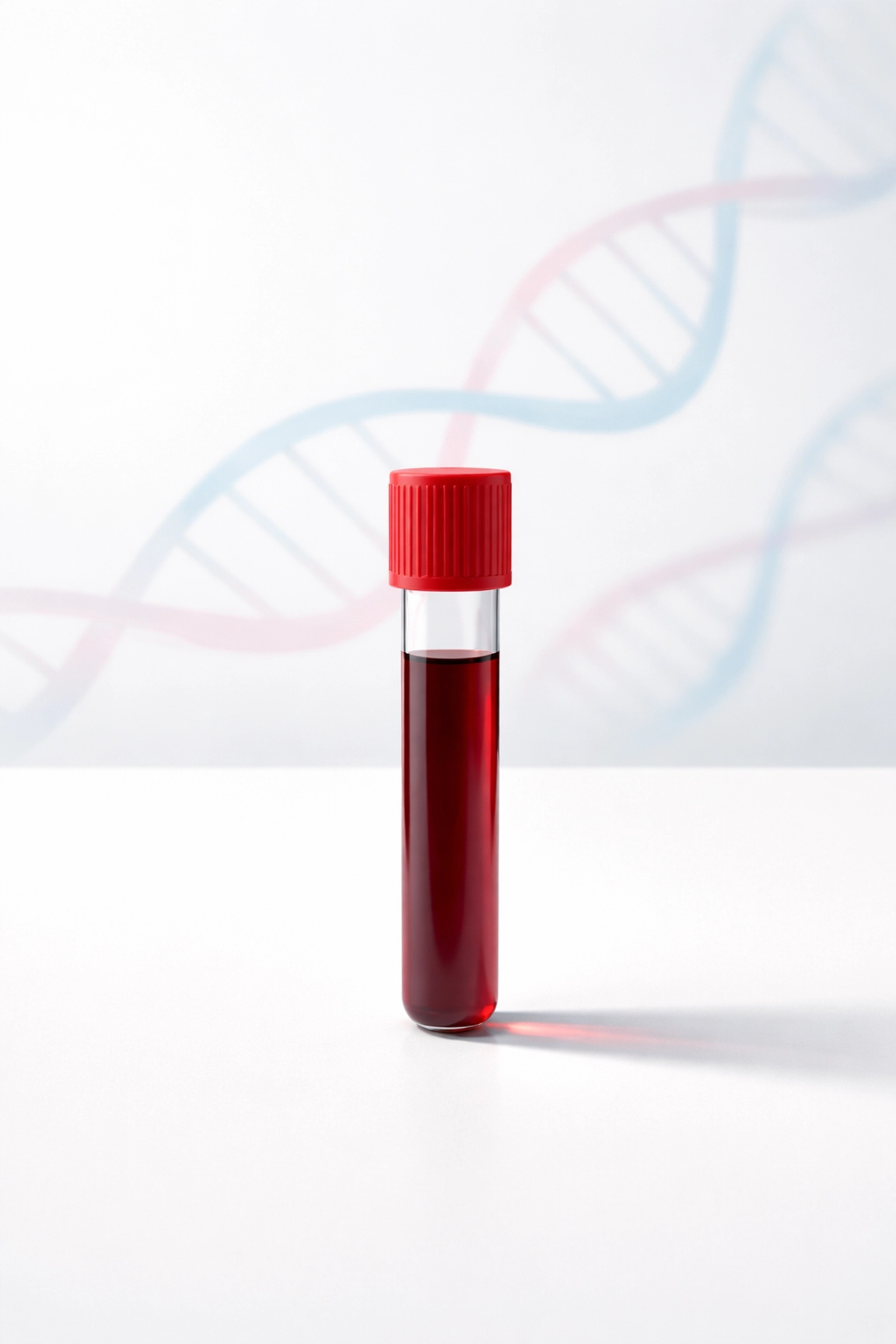
DNA methylation testing is currently the most validated and accurate approach to measuring biological age. These tests analyse chemical modifications to DNA that regulate gene expression: changes that accumulate predictably with aging.
Key epigenetic clocks include:
- Horvath's Multi-Tissue Clock: Developed in 2013, this was the first pan-tissue epigenetic clock, analysing 353 specific DNA sites
- GrimAge: Predicts lifespan and healthspan by incorporating smoking history and plasma protein levels
- Dunedin PACE: Measures the current pace of aging rather than cumulative damage
These clocks have demonstrated strong associations with mortality risk and age-related diseases across large population studies. A newer simplified method called EpiAgePublic, published in February 2025, achieves comparable accuracy by analysing just three DNA sites in the ELOVL2 gene, making testing more accessible and cost-effective.
2. Telomere Length Testing
Telomeres are protective caps on the ends of chromosomes that shorten with each cell division. Shorter telomeres generally indicate more cellular aging.
Limitations to consider:
- Telomere length varies significantly between individuals due to genetics
- Environmental factors beyond aging affect telomere length
- Single measurements provide limited insight compared to tracking changes over time
Telomere testing works best as one component of a broader biological age assessment rather than a standalone measure.
3. Blood-Based Biomarker Panels
Standard clinical markers can be combined to estimate biological age without specialised genetic testing.
Common biomarkers include:
| Category | Markers |
|---|---|
| Inflammatory | C-reactive protein, interleukin-6 |
| Metabolic | Fasting glucose, HbA1c, lipid profiles |
| Hormonal | Insulin-like growth factor 1, DHEA |
| Organ function | Creatinine, albumin, liver enzymes |
Machine learning algorithms now analyse these composite biomarker panels with high accuracy, making biological age estimation accessible through routine blood tests.
Physical Performance as a Biological Age Indicator
Beyond laboratory testing, physical performance serves as a practical indicator of biological age. Researchers use standardised fitness benchmarks to assess functional capacity across age groups.
Swimming performance provides one such benchmark. The average 100m freestyle time varies predictably with age in healthy populations:
- Ages 25-29: approximately 55-65 seconds (competitive recreational)
- Ages 40-44: approximately 60-75 seconds
- Ages 55-59: approximately 70-85 seconds
- Ages 65+: approximately 80-100+ seconds
An individual whose average 100 meter swim time significantly outperforms their age group may have a lower biological age than their chronological years suggest. Conversely, performance well below age-matched peers can indicate accelerated biological aging.
Similar patterns appear across other fitness measures:
- Grip strength
- VO2 max (cardiovascular fitness)
- Walking speed
- Balance and reaction time
These functional assessments complement laboratory testing by measuring real-world physical capacity.
What Accelerates Biological Aging?
Research has identified several factors that consistently accelerate biological age:
Lifestyle factors:
- Chronic sleep deprivation
- Sedentary behaviour
- Poor dietary patterns (high processed food intake, low nutrient density)
- Chronic psychological stress
- Smoking and excessive alcohol consumption
Health conditions:
- Chronic inflammation
- Obesity
- Uncontrolled blood sugar
- Cardiovascular disease
The EpiAgePublic validation study confirmed that chronic illness significantly accelerates measured biological age, supporting the connection between disease burden and cellular aging.

Slowing and Potentially Reversing Biological Age
The encouraging news: biological age is modifiable. Unlike chronological age, the cellular clock can be slowed: and some research suggests partially reversed: through targeted interventions.
Exercise
Regular physical activity is the single most validated intervention for slowing biological aging. Both aerobic exercise and resistance training independently contribute to:
- Reduced inflammation
- Improved mitochondrial function
- Enhanced telomere maintenance
- Better metabolic markers
Consistency matters more than intensity. Moderate exercise performed regularly outperforms sporadic intense sessions for long-term biological age outcomes.
Nutrition
Dietary patterns that support cellular health include:
- Caloric optimisation: Neither excess nor severe restriction; adequate calories with high nutrient density
- Anti-inflammatory foods: Colourful vegetables, fatty fish, nuts, olive oil
- Adequate protein: Essential for maintaining muscle mass and cellular repair
- Limited processed foods: Reducing advanced glycation end products and inflammatory compounds
For practical high-protein meal ideas that support cellular health, see 10 Quick and Easy High-Protein Breakfast Ideas.
Targeted Supplementation
Specific nutrients support the body's natural anti-aging mechanisms:
Antioxidants combat oxidative stress: a primary driver of cellular aging:
- Vitamin C and E protect cell membranes from free radical damage
- Coenzyme Q10 supports mitochondrial function
- Resveratrol activates longevity-related pathways
B-vitamins play essential roles in DNA methylation: the very process measured by epigenetic clocks. Adequate B12, folate, and B6 support healthy methylation patterns.
Vitamin D influences hundreds of genes related to immune function and cellular health. Deficiency is associated with accelerated biological aging across multiple studies.
For women over 40 navigating age-related changes, targeted supplementation becomes particularly relevant. The Ultimate Guide to Supplements for Women Over 40 provides specific recommendations.
Sleep and Stress Management
Chronic sleep deprivation and unmanaged stress accelerate biological aging through:
- Elevated cortisol and inflammatory markers
- Impaired cellular repair processes
- Reduced growth hormone secretion
Prioritising 7-9 hours of quality sleep and implementing stress management practices (meditation, breathing exercises, adequate recovery time) directly supports cellular longevity.
Should You Test Your Biological Age?
Biological age testing offers value for individuals who:
- Want baseline data to track the effects of lifestyle changes
- Are curious about their current aging trajectory
- Prefer data-driven approaches to health optimisation
- Have family history of age-related diseases
Important considerations:
- Results should guide: not replace: professional health assessments
- Single tests provide snapshots; tracking changes over time offers more insight
- Different testing methods may yield different results
- No test is perfectly accurate; use results as one input among many
Key Takeaways
- Biological age differs from chronological age and better predicts health outcomes and mortality risk
- DNA methylation testing is currently the most validated measurement method
- Physical performance benchmarks like swimming times provide practical biological age indicators
- Lifestyle factors: exercise, nutrition, sleep, stress management: directly influence biological aging
- Targeted supplementation with antioxidants, B-vitamins, and vitamin D supports cellular health
- Biological age is modifiable; consistent healthy habits can slow and potentially reverse cellular aging
Understanding biological age transforms aging from a passive process into an active area of health management. The body's internal clock responds to daily choices; making each decision about movement, nutrition, and recovery an opportunity to influence how quickly that clock ticks forward.