Women over 40 in the UK face specific period-health challenges as perimenopause begins. Hormone shifts often intensify bloating, mood changes and hormonal skin. The upside: targeted supplements, widely available from UK brands and high-street chemists, can help. This guide prioritises UK-made formulations, clear dosing, where to shop locally and when to follow NHS advice or see your GP.
Why Period Health Changes After 40
During your 40s, oestrogen and progesterone levels begin fluctuating more dramatically, even if you're still having regular periods. This hormonal volatility can cause:
- More severe bloating and water retention
- Increased PMS intensity and duration
- Adult acne or skin texture changes
- Heavier or more irregular periods
- Greater sensitivity to stress and inflammatory triggers
These changes require a different approach to supplementation than what worked in your younger years.
Essential Ingredients for Managing Period Symptoms
Magnesium: The Multi-Symptom Solution
Magnesium deficiency affects up to 75% of UK women, and the need increases during perimenopause. This mineral directly addresses multiple period-related concerns:
For Bloating: Magnesium helps regulate fluid balance and supports proper muscle function in the digestive tract, reducing period-related bloating and cramping.
For PMS Mood Symptoms: Studies show 200-400mg daily can reduce anxiety, irritability, and mood swings associated with PMS.
For Sleep: Many women over 40 experience disrupted sleep during their cycle. Magnesium supports natural sleep patterns.
Recommended Dose: 200-400mg daily, preferably magnesium glycinate or bisglycinate for better absorption and less digestive upset.
Curcumin: Anti-Inflammatory Powerhouse
Curcumin, the active compound in turmeric, offers significant benefits for hormonal skin issues and general inflammation that worsens during menstrual cycles.
For Hormonal Acne: Curcumin's anti-inflammatory properties help reduce the severity of hormonal breakouts common in perimenopause.
For Joint Comfort: Many women experience increased joint stiffness during their cycle, particularly after 40.
Recommended Dose: 500-1000mg daily with black pepper (piperine) for enhanced absorption.
B-Complex Vitamins: Energy and Hormone Support
B vitamins become increasingly important as you age, particularly B6, B12, and folate.
Vitamin B6: Specifically helps with PMS symptoms and mood regulation. Studies show 50-100mg daily can reduce PMS severity by up to 50%.
Vitamin B12: Supports energy levels and helps combat the fatigue that often accompanies period symptoms in your 40s.
Folate: Essential for proper hormone metabolism and cellular repair.
Omega-3 Fatty Acids: Inflammation Control
EPA and DHA omega-3s help reduce the inflammatory cascade that contributes to period pain, mood swings, and skin issues.
Recommended Dose: 1000-2000mg combined EPA/DHA daily, preferably from algae sources for better sustainability.
UK-Specific Product Recommendations for 2026
Value & UK-made
Fitness Health (UK-made, vegan, paper pouches)
- Magnesium Complex Capsules (from £9.89): 200mg per serving; low on stomach.
- B-Complex (from £8.09): Includes 20–50mg B6 to support PMS mood.
- Curcumin + Piperine (from £4.99): 500mg turmeric extract with black pepper for absorption.
-
Omega-3 DHA/EPA (from £8.09): 1000mg combined EPA/DHA per serving.
Premium UK Brands
Cytoplan Women's Range (UK)
- Women's Biotic (£35.60): 3.5 billion CFU with acid-resistant tech. Useful for bloating and gut-skin support.
- Biofood Magnesium (£23): 100mg food-state per tablet; gentle, stack to 200–400mg/day.
- CoQ10 Multi (£16.50): Low-iron, B-vitamin rich; suitable for over-40s.
-
Wild Nutrition Perimenopause Complex (£39–44)
- Food-grown B6, magnesium, ashwagandha and botanicals tailored for perimenopause symptoms (PMS mood, sleep, stress).
Timing and Dosage Strategy
Daily Supplements (Take Consistently)
- Magnesium: 200mg morning, 200mg evening
- B-complex: One capsule with breakfast
- Omega-3: 1000mg with largest meal
Cycle-Specific Supplements
- Increase magnesium to 400mg daily during the week before your period
- Add curcumin (500mg twice daily) during the 10 days before menstruation
- Consider additional B6 (up to 100mg total) during PMS phase

What to Expect: Realistic Timelines
Week 1-2: Improved energy levels and better sleep quality Week 3-4: Reduced bloating and digestive comfort Month 2-3: Noticeable improvement in PMS mood symptoms Month 3-6: Skin improvements and overall cycle regulation
Managing Hormonal Skin After 40
Period-related skin issues often worsen in your 40s due to declining collagen and changing hormone ratios.
Supplement Strategy for Skin
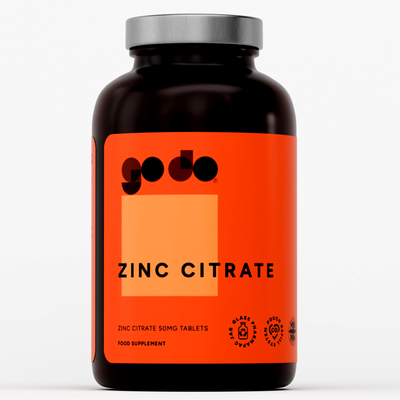
- Zinc: 15-30mg daily for acne prevention
- Vitamin D3: 1000-2000 IU daily for skin cell regulation
- Evening Primrose Oil: 1000mg daily for skin texture
- Probiotics: Support gut-skin axis with targeted women's formulas
External Support
Combine supplementation with gentle skincare routines that account for increased skin sensitivity during hormonal fluctuations.
UK Viral Trends: What UK women are trying (and what actually helps)
- Magnesium glycinate (“mag sleep” trend): Supported for PMS mood, cramps and sleep. Dose 200–400mg in the evening. Avoid if you have significant kidney disease unless advised by your GP.
- Evening primrose oil: Mixed evidence; may help breast tenderness and skin texture. Dose 500–1000mg/day. Caution with anticoagulants and epilepsy.
- Seed cycling (flax/pumpkin then sesame/sunflower): Food-based and safe, but evidence is limited. Use alongside, not instead of, proven supplements.
- Myo-inositol: Good evidence for cycle regularity and insulin sensitivity. Dose 2000mg once daily or split. Generally well tolerated.
- Spearmint tea: May modestly reduce androgen-related symptoms (chin/jawline spots). Try 2 cups/day for 30 days.
- Castor oil packs: Popular online but no robust clinical evidence for period symptoms. May irritate skin; avoid if you have sensitive skin or eczema.
- Berberine: Viral for “metabolic” support but interacts with many medicines. Not first-line for period symptoms; speak to your GP before use.
Key takeaway: Prioritise magnesium, B6, omega-3s and curcumin. Treat trends as optional extras with mixed evidence.
Safety Considerations for Women Over 40
NHS guidance and when to see your GP:
- Seek urgent care if you have severe pelvic pain, fainting, fever, or sudden heavy bleeding with dizziness, or if you might be pregnant.
- Book a GP appointment if you have:
- Heavy bleeding (flooding, passing large clots, needing double protection)
- Periods closer than 21 days or farther than 35 days apart
- Bleeding between periods or after sex
- New or worsening pain after age 45
- Marked changes while on HRT or with a coil (IUS)
- Symptoms that disrupt daily life despite self-care
- NHS-first treatment options your GP may discuss:
- Pain: ibuprofen or mefenamic acid
- Heavy bleeding: tranexamic acid, the combined pill, or a levonorgestrel IUS (e.g., Mirena)
- Iron deficiency: blood tests and iron treatment
Medical interactions:
- HRT, blood pressure medicines, antidepressants, thyroid medicines, anticoagulants, or diabetes medicines can interact with supplements. Check with your GP or pharmacist before starting anything new.
- Omega-3s and curcumin can increase bleeding risk when combined with anticoagulants or high-dose NSAIDs.
- Limit vitamin B6 to 100mg/day maximum. Long-term excess can cause neuropathy.
- Do not exceed label doses for fat-soluble vitamins (A, D, E, K) and avoid iron unless a test confirms need.
Quality and testing:
- Choose UK/EU GMP-made products with third-party testing. Look for clear forms (e.g., magnesium glycinate) and transparent dosing.
- Consider Informed-Sport certification if you’re a tested athlete.
Monitor symptoms:
- Keep a simple diary of cycle dates, flow, cramps, mood and skin. Review changes after 8–12 weeks to judge what’s working.
Building Your Supplement Routine
Start Simple
Begin with magnesium and a high-quality B-complex. Add other supplements gradually to identify what works best for your body.
Consistency Matters
Period health supplements work best with consistent daily use, not just during symptomatic phases.
Consider Professional Guidance
Many UK women benefit from working with a nutritional therapist who can create personalized protocols based on hormone testing and symptom patterns.

Cost-Effective Supplementation
Plan £35–£70 per month for a focused period-health stack. Most UK brands offer 10–20% subscription savings and multi-buy offers.
Example monthly stack (typical UK prices):
- Magnesium glycinate: £12–£18
- B-complex: £8–£12
- Omega-3 (algae or fish oil): £12–£20
- Curcumin with piperine: £12–£18 Approx. total: £44–£68/month.
Money-saving tips:
- Use high-street offers: Boots Advantage Card, Superdrug Health & Beautycard, Holland & Barrett Penny Sale.
- Choose refill pouches and UK-made lines (e.g., paper pouch packaging) to cut costs and plastic.
- Prioritise singles over “everything” multis so you only pay for what you need.
- If budget is tight, start with magnesium + B6, then add omega-3 and curcumin as needed.
The Bottom Line
Period health supplementation for women over 40 requires a more targeted approach than generic multivitamins. Focus on evidence-based ingredients like magnesium, B vitamins, and anti-inflammatory compounds that address the specific hormonal challenges of perimenopause.
Start with foundational supplements like magnesium and B-complex, then add targeted nutrients based on your most troublesome symptoms. With consistent use and proper dosing, most women see significant improvements in bloating, mood, and skin within 2-3 months.
Remember that supplements work best as part of a comprehensive approach including stress management, regular exercise, and adequate sleep. While they can significantly improve period-related symptoms, they're most effective when combined with healthy lifestyle practices tailored to your changing hormonal needs.
Quality matters more than quantity in supplementation. Choose reputable UK suppliers with third-party testing, and don't hesitate to invest in higher-quality products for nutrients like omega-3s and probiotics where manufacturing standards significantly impact effectiveness.