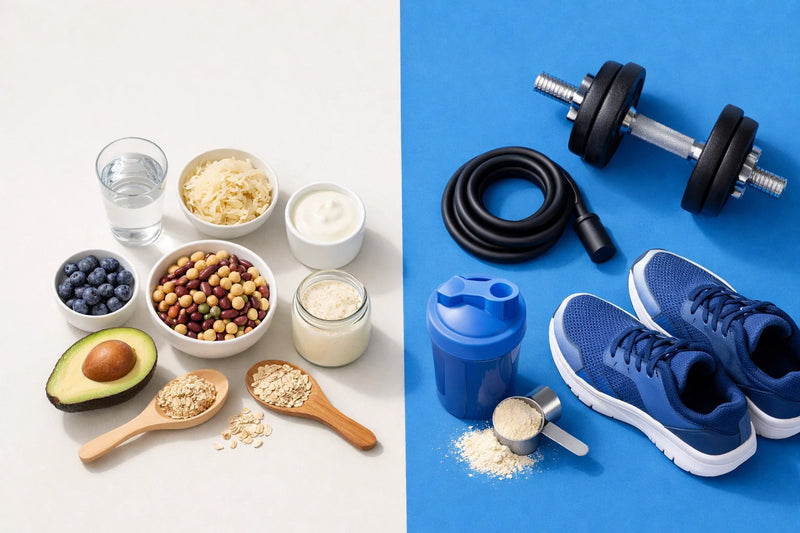
Supplements occupy a peculiar position in fitness culture—simultaneously overemphasized by marketing and potentially useful when applied appropriately. The supplement industry generates billions annually by promising accelerated muscle growth, enhanced recovery, and superior performance, yet most products deliver minimal benefits beyond what proper training and nutrition already provide. However, dismissing all supplementation as worthless oversimplifies reality. A small number of supplements demonstrate consistent evidence for supporting muscle building when combined with proper fundamentals of resistance training and nutrition.
This guide examines supplementation for muscle building through the lens of scientific evidence rather than marketing claims. Understanding which supplements actually work, how they function, appropriate dosing protocols, and realistic expectations allows making informed decisions about whether and how to incorporate supplementation into your muscle-building approach.

The Hierarchy of Importance: Where Supplements Actually Fit
Before examining specific supplements, understanding their relative importance prevents misallocating time, money, and attention. Supplements represent the smallest portion of the muscle-building equation, far less impactful than training, nutrition, and recovery fundamentals.
The hierarchy of factors determining muscle-building success:
Training quality and consistency form the foundation, providing the stimulus that triggers muscle growth adaptations. Without proper progressive resistance training, no amount of supplementation produces meaningful muscle gain. Training encompasses exercise selection, volume, intensity, frequency, progressive overload, and technique—all vastly more important than any supplement.
Nutrition comes second, providing the energy and building blocks necessary for muscle protein synthesis and recovery. Adequate total calories (modest surplus for muscle building), sufficient protein intake (1.6-2.2g per kg body weight daily), appropriate macronutrient distribution, and nutrient timing all dramatically impact results. Getting nutrition right matters far more than any supplement.
Recovery follows, including sleep quality and duration (7-9 hours nightly), stress management, adequate rest days, and periodic deloads. Poor recovery undermines even optimal training and nutrition, while excellent recovery maximizes adaptation to training stimulus. Recovery optimization provides greater returns than supplementation.
Genetics, age, training history, and other individual factors influence muscle-building capacity and rate, though these factors lie largely outside direct control (aside from maximizing what's controllable through training, nutrition, and recovery).
Supplementation occupies the top of the pyramid as the smallest factor—potentially providing 5-10% additional benefit when everything else is optimized, but offering minimal value when fundamentals are neglected. Someone training inconsistently, eating inadequate protein, or sleeping poorly wastes money on supplements that cannot compensate for these deficiencies.
This hierarchy doesn't mean supplements are worthless, but rather that they should be the last consideration after establishing proper training, nutrition, and recovery. Marketing inverts this relationship, suggesting supplements provide the primary muscle-building effect while training and nutrition merely support supplementation—precisely backwards from reality.

Protein Supplementation: Convenient Nutrition, Not Magic Formula
Protein supplements—particularly whey protein powder—represent the most commonly used supplements for muscle building, with good reason. However, understanding what protein supplements actually do versus marketing mythology prevents unrealistic expectations.
What protein supplements actually are: Protein powder represents concentrated, isolated protein derived from various sources (milk, eggs, plants) and processed into powder form for convenient consumption. Whey protein comes from milk, separated during cheese production, then filtered and dried into powder. Other protein powders follow similar processes using different starting materials.
Protein supplements provide nothing special or anabolic beyond what whole food protein sources deliver—they're simply convenient, cost-effective ways to increase total daily protein intake. The protein in whey powder is identical to protein in chicken, eggs, or beef in terms of amino acid profile and muscle-building effects. Any suggestion that protein powder possesses unique muscle-building properties beyond its amino acid content is marketing fiction.
When protein supplementation proves useful:
Meeting daily protein requirements (1.6-2.2g per kg body weight) through whole foods alone can prove challenging for some people due to appetite limitations, time constraints, food preferences, or cost considerations. Protein powder provides convenient solution by delivering 20-40g protein per serving that can be consumed quickly between meals, immediately post-workout, or when whole food meals prove impractical.
Cost per gram of protein often favors quality protein powder over some whole food sources (particularly lean beef or fish), making supplementation economical for those on tight budgets, though this varies by location and specific products compared.
Specific timing scenarios where protein powder offers practical advantages include post-workout nutrition (fast-digesting whey protein consumed within hours of training), pre-bed protein (slow-digesting casein providing sustained amino acid release overnight), and travel or work situations where carrying whole food meals proves impractical.
When whole foods remain preferable: Despite protein powder's convenience, whole food protein sources provide additional benefits beyond amino acids alone. Whole foods contain vitamins, minerals, healthy fats, and other nutrients absent in isolated protein powder. Chicken, fish, eggs, Greek yogurt, and lean meats provide complete nutrition packages rather than isolated protein.
Whole foods generally provide greater satiety than protein shakes, helping with appetite control and adherence to nutrition plans. The act of chewing and slower digestion triggers more robust satiety signals than quickly-consumed liquid protein.
Protein from whole foods integrates into regular meals and eating patterns more naturally than supplementation, supporting sustainable nutrition habits rather than reliance on powder and shakes.
Types of protein supplements and their characteristics:
Whey protein concentrate contains 70-80% protein by weight, with remaining content being small amounts of fat and lactose. More affordable than isolate while providing excellent amino acid profile. Suitable for most people unless lactose intolerant.
Whey protein isolate contains 90%+ protein by weight through additional filtering that removes virtually all fat and lactose. More expensive than concentrate with marginally higher protein content. Beneficial for those with lactose sensitivity or who want maximum protein per calorie.
Casein protein digests slowly, providing sustained amino acid release over 6-8 hours. Ideal for pre-bed consumption ensuring amino acid availability during overnight fast. Creates thicker, more filling shakes than whey.
Egg white protein provides complete amino acid profile from egg whites, suitable for those avoiding dairy or wanting alternative to whey. Generally more expensive than whey with similar muscle-building effects.
Plant-based proteins (pea, rice, hemp, soy) suit vegetarians, vegans, and those avoiding animal products. Individual plant proteins often have incomplete amino acid profiles, making blends combining multiple plant sources preferable to ensure all essential amino acids. Soy protein provides complete amino acid profile as single source.
Practical protein supplementation guidelines:
Use protein powder to supplement whole food protein intake, not replace it. Most protein should come from whole foods (60-80% of total intake), with powder filling gaps as needed.
Typical effective use involves 1-2 servings daily (20-40g protein per serving) consumed post-workout, between meals, or before bed depending on total daily protein distribution and whole food meal timing.
Quality matters less dramatically than marketing suggests—any reputable brand providing 20-25g protein per serving with reasonable amino acid profile works effectively. Third-party testing (Informed-Sport, NSF Certified for Sport) ensures quality and absence of banned substances for competitive athletes.
Protein timing, while less critical than once believed, can be optimized by consuming protein within a few hours of training and distributing intake across 3-5 meals daily for sustained muscle protein synthesis elevation.

Creatine Monohydrate: The Gold Standard Supplement
Among all supplements marketed for muscle building, creatine monohydrate stands virtually alone in possessing extensive research support, consistent effectiveness, excellent safety profile, and low cost. If choosing only one supplement to support muscle building, creatine represents the evidence-based choice.
Understanding creatine's mechanism: Creatine is a compound naturally produced in the body (liver, kidneys, pancreas) from amino acids and consumed through diet (primarily from meat and fish). Creatine stored in muscles as phosphocreatine serves as rapid energy source for high-intensity, short-duration activities by donating phosphate groups to regenerate ATP (adenosine triphosphate—the cellular energy currency).
During intense exercise like resistance training, muscles rapidly deplete ATP. Phosphocreatine systems allow quick ATP regeneration, supporting continued high-intensity effort for 10-30 seconds before other energy systems must take over. Higher muscle creatine stores mean more available phosphocreatine for ATP regeneration, enabling slightly more reps, slightly heavier weight, or slightly better performance across training sessions.

Research-supported benefits of creatine supplementation:
Increased muscle strength and power output by 5-15% on average, with effects most notable in exercises involving short bursts of maximal effort (heavy lifting, sprinting, jumping). This performance improvement translates to greater training stimulus and enhanced muscle-building results over time.
Increased lean mass by 1-3 pounds within the first few weeks of supplementation, partially through increased water retention in muscle cells (as muscles store water alongside creatine) and partially through enhanced training capacity enabling greater muscle growth over subsequent weeks and months.
Improved high-intensity exercise performance across multiple sets, as creatine helps maintain performance during repeated bouts of exercise with short rest periods—the exact pattern used in muscle-building resistance training.
Enhanced recovery between sets by accelerating phosphocreatine resynthesis, allowing maintenance of performance quality across training session.
Potential cognitive benefits including improved memory, mental fatigue resistance, and neurological function, though these effects are less extensively studied than physical performance benefits.
Practical creatine supplementation protocol:
Dosing follows simple, well-established guidelines: consume 3-5g creatine monohydrate daily, every day regardless of training days or rest days. Consistency matters more than timing—taking creatine with meals may slightly improve absorption, but the difference is minimal. Some people take creatine post-workout out of convenience or habit, which works fine, though timing itself doesn't significantly impact effectiveness.
Loading phases—consuming 20g daily (split into 4 doses of 5g) for 5-7 days to rapidly saturate muscle stores—accelerate initial results but aren't necessary. The same saturation occurs with 3-5g daily within 3-4 weeks. Loading provides faster initial effects at the cost of higher initial expense and potential GI discomfort from large doses.
Cycling (periods of supplementation alternating with periods off) is unnecessary. Research shows no benefit to cycling creatine, as the body doesn't down-regulate its own creatine production in response to supplementation. Consistent year-round use maintains elevated muscle creatine stores supporting ongoing performance.
Form matters less than marketing suggests—creatine monohydrate remains the most researched, effective, and affordable form despite countless "improved" variants marketed at premium prices. Micronized creatine monohydrate dissolves slightly better in water than regular monohydrate but provides identical effects once consumed.
Safety and side effects: Creatine monohydrate possesses excellent safety profile supported by hundreds of studies spanning decades. Common concerns and realities include:
Kidney damage concern: Extensively studied and consistently debunked in healthy individuals. Creatine does not damage healthy kidneys, though those with pre-existing kidney disease should consult physicians before supplementation. Blood tests showing elevated creatinine (kidney function marker) in creatine users reflect creatine metabolism, not kidney damage.
Water retention: True but beneficial for muscle-building goals. The 1-3 pounds of water weight gained when beginning creatine supplementation occurs inside muscle cells, contributing to muscle fullness and potentially supporting muscle protein synthesis through cell volumization signals. This isn't problematic bloating but rather increased intramuscular hydration.
Hair loss concern: Based on single study showing increased DHT (dihydrotestosterone—hormone associated with male pattern baldness) in rugby players, though numerous subsequent studies failed to replicate this finding and no direct evidence links creatine to accelerated hair loss. Those genetically predisposed to male pattern baldness might avoid creatine from abundance of caution, though evidence suggesting risk remains extremely limited.
Digestive issues: Some people experience mild GI discomfort, cramping, or diarrhea, typically with high doses (loading phase) or taking creatine on empty stomach. Starting with 3-5g daily taken with meals minimizes these effects. Switching to micronized creatine monohydrate sometimes helps.
Muscle cramping: Frequently blamed on creatine without supporting evidence. Research doesn't support increased cramping risk from creatine supplementation. Adequate hydration remains important for anyone training intensely, with or without creatine.
Responders versus non-responders: Roughly 20-30% of people show minimal response to creatine supplementation, termed "non-responders." These individuals typically have naturally high muscle creatine stores (often from high dietary meat consumption) leaving little room for supplementation to increase stores further. Vegetarians and vegans often show most dramatic responses to creatine supplementation given minimal dietary creatine intake.
The only way to determine response is trying creatine for 4-8 weeks while tracking strength and performance metrics. Non-responders see minimal or no strength improvements beyond normal training adaptations, while responders typically notice clear performance increases across exercises.

Caffeine: Performance Enhancement Through Stimulation
Caffeine represents one of the most widely consumed psychoactive substances globally, with established effects on exercise performance when used appropriately. While not building muscle directly, caffeine's performance-enhancing effects during training can indirectly support muscle building through improved training quality and volume.
Mechanism and benefits: Caffeine acts as central nervous system stimulant, blocking adenosine receptors (adenosine promotes sleepiness and relaxation) and increasing epinephrine release. These effects produce:
Increased alertness, focus, and motivation for training, particularly valuable for early morning workouts or training after mentally demanding work days. Enhanced mental readiness supports better mind-muscle connection and training intensity.
Reduced perceived exertion during exercise, making challenging sets feel somewhat more manageable and potentially allowing additional reps or slightly heavier weights. This doesn't increase actual physiological capacity but improves psychological ability to access that capacity.
Improved power output and strength performance by 3-7% in most studies, though individual responses vary substantially. Effects appear most notable in exercises requiring explosive effort and maximal motor unit recruitment.
Enhanced muscular endurance and work capacity, allowing completion of more total training volume before fatigue forces session termination. This increased volume capacity over time translates to enhanced muscle-building stimulus.
Practical caffeine use for muscle building:
Dosing follows body weight recommendations: 3-6mg caffeine per kg body weight consumed 30-60 minutes before training provides optimal performance benefits. For 70kg (154 pound) individual, this translates to approximately 200-400mg caffeine pre-workout—roughly equivalent to 2-4 cups of coffee or 1-2 servings of most pre-workout supplements.
Timing matters significantly—caffeine requires 30-60 minutes to reach peak blood levels, making consumption immediately before training suboptimal. Taking caffeine 30-60 minutes pre-training ensures peak effects coincide with training session.
Individual tolerance varies enormously based on genetics, habitual consumption, body size, and caffeine sensitivity. Some people tolerate 400mg+ without issues while others experience anxiety, jitteriness, or heart palpitations from 100mg. Start conservatively (200mg or less) and adjust based on response.
Tolerance develops with regular use, potentially requiring progressively higher doses to achieve same effects or periodic breaks (1-2 weeks) to restore sensitivity. Some research suggests habitual caffeine users still receive performance benefits even with tolerance, though acute effects may be less pronounced than in caffeine-naive individuals.
Considerations and potential drawbacks:
Sleep interference represents caffeine's most significant drawback for muscle building given sleep's critical importance for recovery and muscle growth. Caffeine's half-life (time for blood levels to decrease 50%) ranges from 3-7 hours depending on individual metabolism, meaning caffeine consumed at 3pm may still meaningfully affect sleep at 11pm. Avoid caffeine within 6+ hours of bedtime to prevent sleep disruption.
Anxiety and jitteriness affect some individuals, particularly at higher doses or in those with anxiety predisposition. These negative effects obviously impair training quality and potentially overall well-being. If experiencing significant anxiety from caffeine, reduce dose or eliminate entirely.
Dependence and withdrawal can develop with regular high-dose caffeine consumption. Withdrawal symptoms (headache, fatigue, irritability) emerge when abruptly discontinuing caffeine after prolonged regular use. This doesn't make caffeine dangerous but represents consideration for those using high doses daily.
Cardiovascular effects including temporarily elevated heart rate and blood pressure occur acutely with caffeine consumption. Those with cardiovascular conditions or hypertension should consult physicians before using caffeine supplements, though moderate caffeine consumption is generally safe for healthy individuals.
Sources and forms: Caffeine can be obtained from coffee (80-100mg per cup), tea (40-60mg per cup), pre-workout supplements (150-300mg per serving typically), or pure caffeine anhydrous pills (100-200mg per pill typically).
Coffee provides additional beneficial compounds (antioxidants, polyphenols) beyond caffeine and represents natural, enjoyable way to consume caffeine for many people. However, caffeine content varies significantly between preparations making precise dosing difficult.
Pre-workout supplements typically combine caffeine with other ingredients (beta-alanine, citrulline, etc.) for comprehensive pre-training formula. Convenient but often expensive per serving and may contain ingredients you don't want or need.
Pure caffeine pills allow precise dosing at low cost but lack the ritual and enjoyment some people derive from coffee or pre-workout drinks. Risk of overconsumption if not carefully tracking doses.

Beta-Alanine: Buffering Muscle Acidity
Beta-alanine represents a non-essential amino acid that combines with histidine to form carnosine, a dipeptide stored in muscles that buffers hydrogen ions accumulating during high-intensity exercise. By reducing muscle acidity, elevated muscle carnosine levels may delay fatigue during high-rep resistance training sets.
Mechanism and research findings: During intense exercise, muscle contractions produce hydrogen ions that lower muscle pH (increase acidity). This acidic environment impairs muscle contraction and contributes significantly to fatigue sensation in moderate-to-high rep ranges (8-15+ reps) or exercises lasting 60-240 seconds.
Muscle carnosine acts as buffer, neutralizing some hydrogen ions and maintaining more favorable pH. Beta-alanine supplementation increases muscle carnosine levels by 40-80% over 4-12 weeks, as beta-alanine (not histidine) limits carnosine synthesis.
Research demonstrates beta-alanine supplementation:
Improves performance in exercises lasting 60-240 seconds by 2-3%, most applicable to moderate-to-high rep resistance training sets (8-15 reps) that create significant metabolic acidosis.
Increases training volume through delayed fatigue, potentially allowing 1-2 additional reps per set in relevant rep ranges when training close to failure.
Shows minimal benefits for very heavy strength work (1-5 reps lasting under 30 seconds) where ATP-phosphocreatine systems predominate and metabolic acidosis plays smaller role.
Demonstrates unclear direct effects on muscle growth, with benefits likely mediated through increased training volume capacity over time rather than direct anabolic effects.
Practical beta-alanine supplementation:
Dosing requires 3-6g daily consumed consistently (timing doesn't matter for this supplement as it works through chronic elevation of muscle carnosine requiring weeks of supplementation). Effects emerge after 2-4 weeks and continue improving through 8-12 weeks.
Loading isn't necessary—consistent daily dosing at 3-6g gradually elevates muscle carnosine to beneficial levels. Some people split total daily dose (2g three times daily) to reduce paresthesia intensity.
Timing flexibility means beta-alanine can be consumed anytime—with meals, pre-workout, post-workout, or separately. No evidence suggests superior timing, making convenience the deciding factor.
The "tingling" sensation (paresthesia): Beta-alanine commonly causes harmless tingling or "pins and needles" sensation, particularly in face, neck, and hands, beginning 15-30 minutes after ingestion and lasting 60-90 minutes. This paresthesia results from beta-alanine activating sensory neurons and is completely harmless, though some people find it uncomfortable.
Strategies to minimize paresthesia include splitting doses throughout the day rather than single large dose, taking beta-alanine with meals (slows absorption), or using sustained-release formulations (though these cost more). The tingling diminishes with continued use as the body adapts.
Some people enjoy the tingling as "proof" the supplement is working, while others find it distracting or unpleasant. Personal preference determines whether paresthesia represents feature or bug.
Who benefits most from beta-alanine: Those training primarily in 8-15 rep range for hypertrophy, where metabolic stress and acidosis significantly limit performance, likely derive most benefit from beta-alanine.
Athletes in sports involving repeated high-intensity efforts lasting 60-240 seconds (rowing, swimming, combat sports, CrossFit) may see meaningful performance improvements.
Individuals focusing on heavy strength work (3-5 reps) likely see minimal benefits as these sets end before significant acidosis develops.
Cost-benefit analysis should consider modest performance improvements (2-3% in relevant rep ranges, translating to perhaps 1 additional rep per set) against supplement cost. Those getting excellent results without beta-alanine may reasonably conclude the marginal improvement doesn't justify the expense.

Supplements with Limited or Questionable Evidence
The supplement industry markets countless products claiming muscle-building, strength-enhancing, or performance-improving effects. Most lack convincing evidence despite aggressive marketing. Understanding which popular supplements show little actual efficacy prevents wasting money on ineffective products.
Branched-Chain Amino Acids (BCAAs): BCAAs (leucine, isoleucine, valine) are heavily marketed as essential for muscle building and recovery, yet research consistently shows no benefits beyond adequate protein intake already provides.
The theory behind BCAA supplementation suggests that providing these specific amino acids before or during training supports muscle protein synthesis and reduces muscle breakdown. While BCAAs do stimulate muscle protein synthesis (particularly leucine), complete protein sources containing all essential amino acids produce superior muscle protein synthesis compared to BCAAs alone.
Taking BCAAs while consuming inadequate total protein might provide some benefit, but the solution is increasing total protein intake, not adding expensive BCAA supplements. Anyone consuming 1.6-2.2g protein per kg body weight daily from quality sources already gets ample BCAAs within that protein.
Research directly comparing BCAA supplementation to placebo in people consuming adequate protein shows no additional muscle building, strength gains, or recovery benefits. BCAAs essentially represent expensive, incomplete protein—the same money buys more total protein from whey powder or whole foods.
Testosterone boosters (non-pharmaceutical): Legal supplements claiming to boost testosterone (Tribulus terrestris, D-aspartic acid, fenugreek, ashwagandha, etc.) show minimal to no actual testosterone increases in healthy young men, despite aggressive marketing.
Some studies show marginal testosterone increases with certain supplements in specific populations (older men with low-normal testosterone, infertile men), but healthy young men with normal testosterone see essentially no meaningful changes from legal supplements.
Even if supplements moderately increased testosterone (which they generally don't in healthy individuals), the magnitude would be far smaller than differences in testosterone levels that occur naturally throughout the day or from basic lifestyle factors (sleep, stress, body composition). Small changes in testosterone within normal physiological ranges don't dramatically impact muscle building in the way marketing implies.
Anyone with genuinely low testosterone requires medical evaluation and potentially pharmaceutical intervention (actual testosterone replacement therapy), not over-the-counter supplements. Those with normal testosterone optimize muscle building through proper training, nutrition, and recovery, not marginally altering hormone levels through supplementation.
HMB (Beta-Hydroxy Beta-Methylbutyrate): HMB is a metabolite of leucine marketed for preventing muscle breakdown and enhancing muscle growth. Research shows mixed results, with potential modest benefits in specific circumstances but minimal advantages for typical muscle-building scenarios.
Some evidence suggests HMB may help prevent muscle loss during extreme caloric deficits or immobilization (bed rest, limb casting), potentially useful for preserving muscle during aggressive fat loss phases. However, benefits for actual muscle building in people eating adequate protein and training consistently appear minimal.
Cost-benefit analysis typically doesn't favor HMB—it's relatively expensive compared to proven supplements like creatine, while providing questionable benefits in most practical scenarios. Those eating adequate protein and training properly likely see minimal or no additional benefits from HMB.
Nitric oxide boosters (arginine, citrulline): These supplements supposedly increase nitric oxide production, improving blood flow to muscles and enhancing "the pump" during training. Research shows modest effects on blood flow and potentially slight performance improvements, but minimal impact on actual muscle growth.
The enhanced pump feeling some people experience from these supplements can be motivating and enjoyable, but doesn't directly translate to increased muscle building. Muscle pumps from training occur from blood and metabolite accumulation in muscles, creating temporary swelling that has unclear relationship to actual hypertrophy.

Citrulline shows slightly more promise than arginine in research (as it converts to arginine in the body more efficiently), but even citrulline's effects on performance remain modest and inconsistent across studies. These supplements won't meaningfully enhance muscle building beyond proper training and nutrition.
Glutamine: This amino acid is marketed for muscle recovery, immune function, and gut health. Research in athletes consuming adequate protein shows essentially no benefits for muscle building or performance.
Glutamine is conditionally essential (becomes essential during extreme stress like severe illness or major surgery) but for healthy individuals eating adequate protein, the body produces sufficient glutamine and dietary protein provides more. Supplementation doesn't enhance recovery or muscle building beyond what adequate nutrition already delivers.
CLA (Conjugated Linoleic Acid): Marketed primarily for fat loss but also sometimes claimed to support muscle building, research shows inconsistent and generally disappointing results for both goals.
Some studies suggest modest fat loss from CLA supplementation, but many studies show no effects, and potential adverse effects on insulin sensitivity and inflammation have been noted. Benefits for muscle building specifically are essentially non-existent in research.
Pre-workout supplements (comprehensive formulas): These multi-ingredient supplements combine caffeine, beta-alanine, citrulline, BCAAs, and various other ingredients marketed as complete pre-training formulas.
Good pre-workout supplements essentially provide convenient delivery of caffeine and possibly beta-alanine (the ingredients with actual evidence), often at inflated prices compared to purchasing these ingredients separately. Additional ingredients typically provide minimal verified benefits beyond these core components.
Bad pre-workout supplements contain underdosed ingredients (providing insufficient amounts to produce effects verified in research), proprietary blends (hiding actual ingredient amounts), or ineffective ingredients included for marketing claims rather than actual efficacy.
Evaluation should focus on whether the supplement provides effective doses of proven ingredients (200-400mg caffeine, 3-6g beta-alanine if desired) at reasonable cost compared to buying these separately. Extensive ingredient lists don't necessarily mean better product—often the opposite as numerous ingredients get underdosed to fit within serving size and cost constraints.

Practical Supplement Recommendations by Experience Level
Different training experience levels warrant different supplement approaches based on priorities, budgets, and where individuals are in their muscle-building journeys.
For beginners (less than 1 year consistent training):
Minimum effective supplementation involves focusing almost entirely on fundamentals—proper training program, adequate protein from whole foods, sufficient calories, and good sleep. Beginners build muscle remarkably well from training stimulus alone without any supplementation.
If adding supplements, start with protein powder only if struggling to meet protein targets (1.6-2.2g per kg) from whole foods due to appetite, budget, or convenience. One serving daily (20-40g) post-workout or between meals often suffices.
Creatine monohydrate represents optional but worthwhile addition (3-5g daily) given strong evidence, excellent safety, and low cost. However, beginners shouldn't obsess over supplementation—training consistency and nutrition adequacy matter vastly more.
Avoid expensive pre-workout supplements, testosterone boosters, BCAAs, and other heavily-marketed products. These provide minimal to no benefits for beginners who should instead perfect fundamentals that will drive 95%+ of results.
For intermediate lifters (1-3 years consistent training):
Core supplementation should include protein powder (1-2 servings daily) if helpful for meeting protein requirements conveniently and affordably, and creatine monohydrate (3-5g daily) for well-established strength and performance benefits.
Optional additions based on preferences and response include caffeine (200-400mg) pre-training if it improves training quality without affecting sleep (either from coffee, pills, or pre-workout supplement), and beta-alanine (3-6g daily) if training emphasizes 8-15 rep range and the marginal performance improvement justifies cost.
Continue avoiding supplements without strong evidence (BCAAs, testosterone boosters, most pre-workout ingredients beyond caffeine and possibly beta-alanine, glutamine, etc.). At intermediate level, optimizing training volume, progressive overload, and recovery matters far more than experimenting with questionable supplements.
For advanced lifters (3+ years consistent training):
Foundational supplements remain the same—protein powder as needed for convenience, creatine monohydrate (3-5g daily) for ongoing performance support, and caffeine (200-400mg) pre-training if beneficial without sleep disruption.
Advanced lifters might experiment with beta-alanine if training volume is very high in moderate rep ranges and the modest performance improvement is worth the cost.
At advanced levels, minuscule advantages from marginal supplements might be worth exploring if budget and interest allow, though realistic expectations remain critical. No supplement will overcome plateaus that result from approaching genetic limits—only continued perfect execution of training, nutrition, and recovery fundamentals matter at this stage.
Advanced lifters should especially avoid falling for marketing targeting their desperation to continue progressing. Diminishing returns from training don't mean supplements suddenly become proportionally more important—they remain the smallest factor in muscle-building hierarchy.

Supplement Safety, Quality, and Regulation
The supplement industry operates under different regulations than pharmaceutical drugs, creating important considerations for safety and quality.
Regulatory environment: In the United States, the FDA regulates supplements as food products, not drugs. This means supplements don't undergo pre-market approval for safety and effectiveness the way pharmaceuticals do. Manufacturers are responsible for ensuring their products are safe and accurately labeled, but the FDA only intervenes after problems emerge rather than preventing them proactively.
This regulatory framework means supplement quality varies dramatically between manufacturers. Some companies implement rigorous quality control and accurate labeling while others cut corners, underdose ingredients, include unlisted ingredients, or make unsupported claims.
Third-party testing and certifications: Given minimal regulatory oversight, third-party testing provides important quality assurance. Reputable testing organizations include:
NSF Certified for Sport tests supplements for banned substances, verifies ingredient identity and quantities match labels, and checks for contaminants. Important for competitive athletes subject to drug testing.
Informed-Sport and Informed-Choice similarly test for banned substances and verify label accuracy, commonly used for sports supplements.
USP Verified confirms supplement contains ingredients listed on label in declared amounts and doesn't contain harmful contaminants, though less common for sports supplements specifically.
Products with these certifications cost slightly more but provide reasonable assurance of quality and label accuracy.
Potential risks and contamination: Supplements have been found to contain undeclared ingredients including pharmaceutical drugs (particularly in weight loss and sexual enhancement supplements), banned substances causing positive drug tests for athletes, heavy metals (lead, mercury, arsenic) above safe levels, and microbial contamination from poor manufacturing.
While not all supplements contain contaminants, the risk exists particularly with products from unknown manufacturers, excessively cheap supplements suggesting cost-cutting measures, supplements making extreme claims, or products purchased from unreliable sources.
Making safer supplement choices:
Purchase from reputable manufacturers with established track records and transparent quality control processes. Well-known brands in the sports nutrition space typically maintain better quality control than unknown manufacturers.
Look for third-party testing certifications when available, particularly if you're a competitive athlete or highly concerned about quality.
Research products before purchasing using independent review sites that evaluate supplements based on evidence and quality (Examine.com, LabDoor, Consumer Reports) rather than relying on manufacturer marketing or paid influencer reviews.
Be skeptical of extreme claims—if a supplement promises dramatic muscle gains, testosterone increases, or other results that seem too good to be true, it probably is marketing hyperbole rather than realistic expectation.
Report adverse effects to FDA's Safety Reporting Portal if you experience negative reactions to supplements. This helps build data on supplement safety issues.
Cost considerations: Effective supplements (protein powder, creatine) are generally inexpensive, while ineffective supplements often carry premium prices justified by marketing rather than evidence.
Budget-conscious approaches should prioritize whole food nutrition first, adding only protein powder if needed to conveniently meet protein targets (approximately 10-15 monthly). This basic stack costs roughly $40-65 monthly while providing essentially all benefits available from supplementation.
More comprehensive supplementation adding caffeine (if not from coffee), beta-alanine, and possibly a multivitamin increases monthly costs to $60-100 but provides marginal additional benefits that may not justify the expense for everyone.
Expensive supplement stacks costing $150-300+ monthly almost certainly include numerous ineffective ingredients providing no meaningful benefits beyond what basics already deliver—essentially wasting money that could be better spent on quality whole foods or other life priorities.
Conclusion: Evidence-Based Supplement Strategy
Supplementation for muscle building should be approached with realistic expectations, emphasis on evidence rather than marketing, and understanding that supplements remain the smallest factor in muscle-building success.
Core principles for effective supplementation:
Master fundamentals first—consistent progressive resistance training, adequate protein from mostly whole foods, appropriate caloric intake, and excellent sleep form the foundation. Supplements cannot compensate for deficiencies in these areas.
Prioritize proven supplements with strong evidence (protein powder for convenience, creatine monohydrate) while avoiding products with questionable or absent supporting research regardless of marketing claims.
Maintain realistic expectations—even effective supplements provide modest benefits (5-10% performance improvement translating to slightly better results over months and years) rather than dramatic transformations.
Consider cost-benefit analysis—supplements costing hundreds monthly for marginal benefits represent poor investment compared to directing that money toward quality whole foods, better training equipment, or working with qualified coach.
Focus on long-term consistency rather than searching for supplement shortcuts—muscle building requires years of consistent effort, and no combination of supplements changes this fundamental reality.
Practical implementation:
Beginners should focus almost entirely on fundamentals, potentially adding protein powder if needed for meeting protein targets and possibly creatine if interested and budget allows. Avoid expensive supplement stacks and questionable products.
Intermediate lifters can build around core proven supplements (protein powder as needed, creatine, possibly caffeine and beta-alanine) while continuing to prioritize training, nutrition, and recovery optimization.
Advanced lifters maintain the same evidence-based supplement foundation while understanding that continued progress depends overwhelmingly on perfect execution of fundamentals rather than supplement experimentation.
Regular evaluation of whether supplements are actually contributing to results versus representing habitual expense helps maintain cost-effectiveness and realistic perspective.
The most important supplement consideration is whether focusing on supplementation distracts from more impactful factors. Someone obsessing over supplement timing, brands, and formulations while training inconsistently or eating inadequate protein has their priorities backwards. Supplements should simplify muscle building (through convenient protein or proven performance support from creatine), not complicate it with excessive products, expense, or mental energy better directed toward fundamentals that actually drive results.