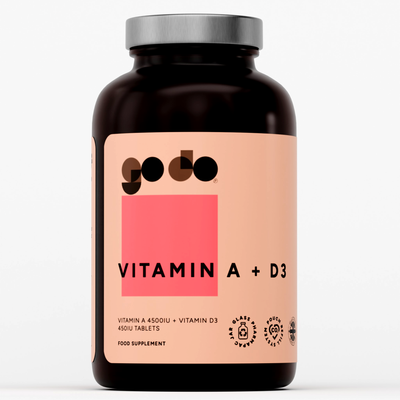
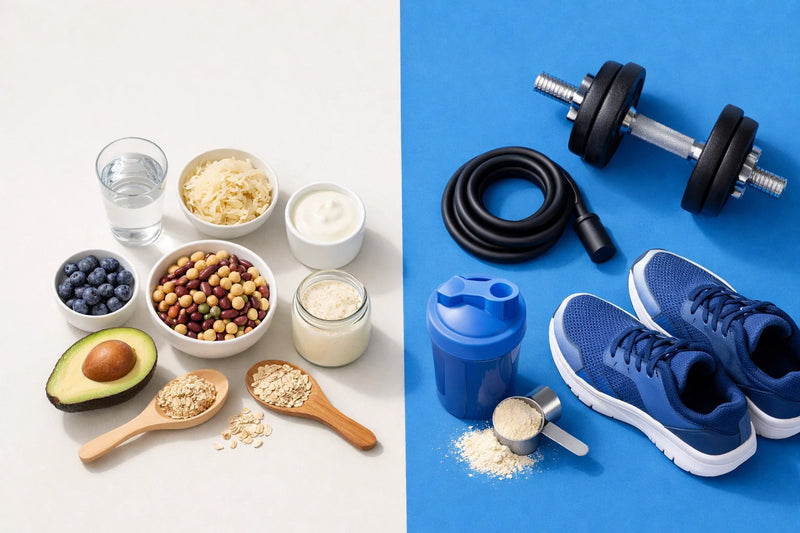
Fertility after 40 requires targeted nutritional support. As hormone levels shift and egg quality declines, choose supplements that use research-backed ingredients, clear lab testing, and UK-compliant labelling. Prioritise brands made in the UK, sold by trusted UK retailers, and aligned with NHS guidance and MHRA rules on health claims and medicines.
Understanding Your Nutritional Priorities Over 40
Your needs differ from your 20s and 30s. After 40, focus on nutrients with evidence for egg quality, hormone balance, and metabolic health.
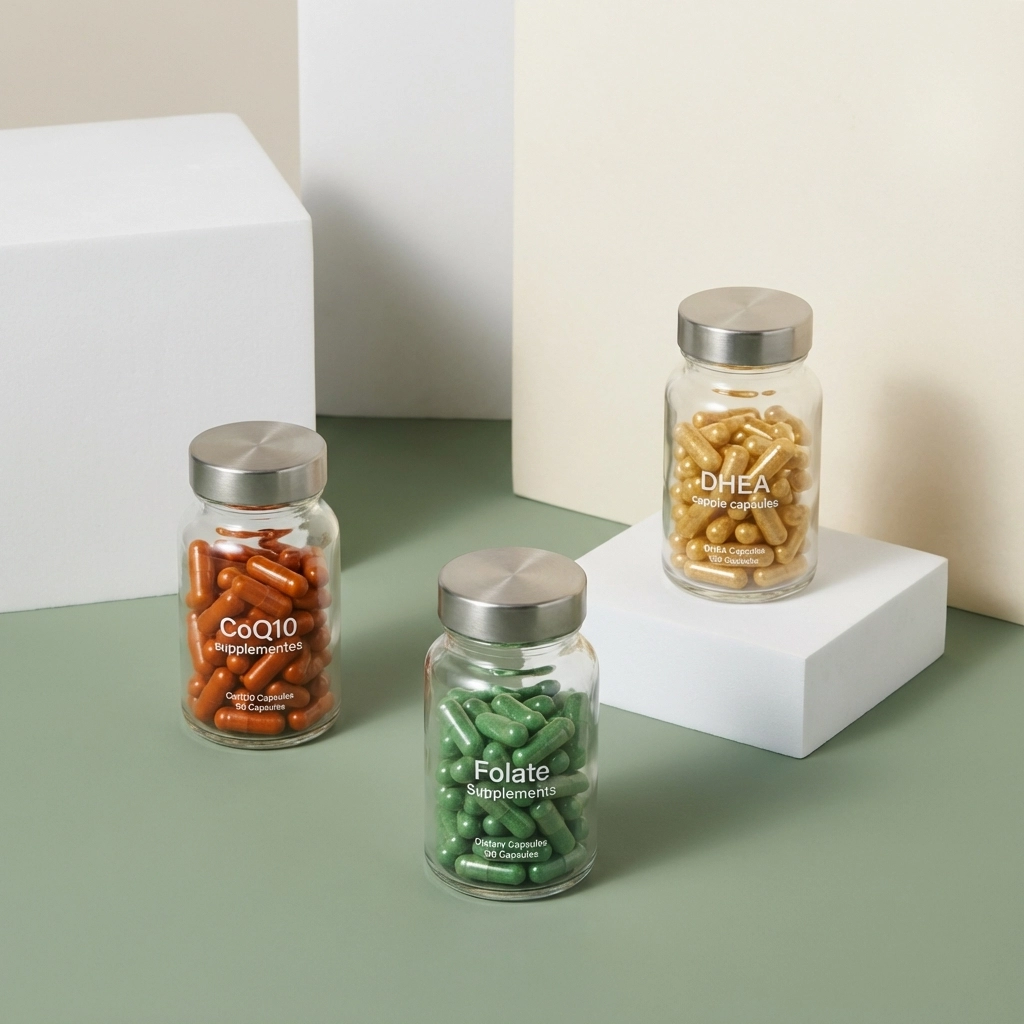
- Coenzyme Q10 (CoQ10): Supports mitochondrial energy in ageing eggs. Typical UK use is 200–400 mg daily (some studies use up to 600 mg). Ubiquinol forms can be more bioavailable.
- Advanced folate forms: L‑methylfolate (5‑MTHF) may suit women who do not process folic acid efficiently. The NHS recommends 400 µg folic acid daily when trying to conceive and for the first 12 weeks; higher 5 mg prescriptions are for specific risk groups via your GP.
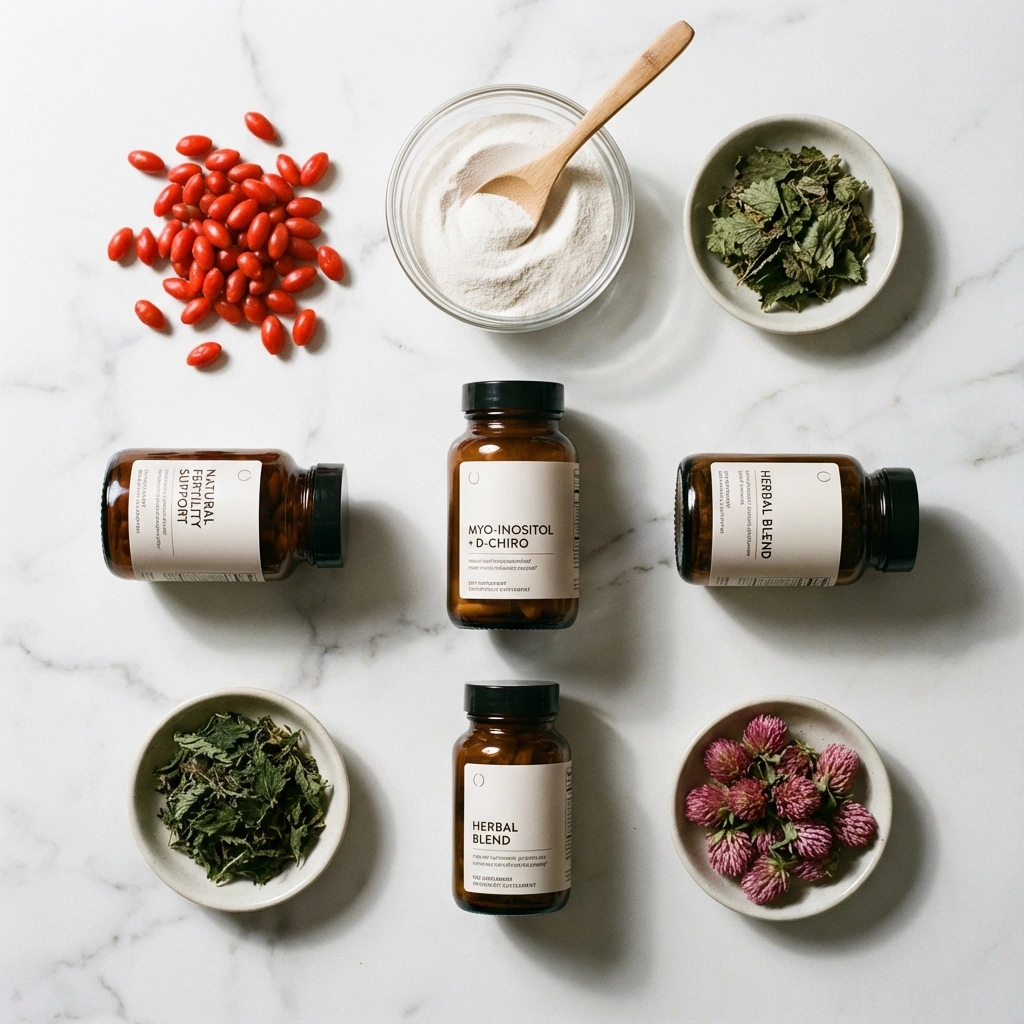
- Myo‑inositol: Helps insulin sensitivity and ovulatory function. Commonly used at 2–4 g daily, often split morning/evening.
- Vitamin D3: Low sunlight in the UK (especially autumn/winter) increases deficiency risk. The NHS advises 10 µg (400 IU) daily; many women use 25–50 µg (1000–2000 IU) based on blood tests. Do not exceed 100 µg (4000 IU) unless advised by a clinician.
- Zinc: Supports normal fertility and hormone production. 10–15 mg daily is typical within UK safe limits.
Note on DHEA: In the UK, DHEA is a medicine regulated by the MHRA. Do not buy it online or self‑supplement. Only consider it under advice from a fertility specialist.
Defining Clean, Natural, and Vegan Standards
Use simple checks to verify quality and ethics:
- Clean formulations: Minimal additives, no artificial colours or preservatives, and fully disclosed ingredient lists. Ask for a certificate of analysis (COA) per batch.
- Natural sourcing: Prefer plant/food‑derived nutrients and water/food‑grade extraction over harsh solvents.
- Vegan verification: Look for the Vegan Society sunflower or equivalent UK certification. Algae‑based DHA is a reliable vegan option.
- UK manufacturing: Choose brands that make products in the UK with GMP/BRCGS/ISO standards. Supplements are regulated as foods in the UK; MHRA regulates medicines and claims that imply treatment.
Top Fertility Supplement Categories for Women Over 40
Comprehensive Fertility Multivitamins
- Pregnacare Conception Max: Around £24.95 (about 89p daily). Includes L‑methylfolate, inositol, and key micronutrients tailored for conception.
- Vitl Female Fertility: Around £16.95 (about 67p daily). Covers essentials like folate, zinc, and B12 at good value.
Available from Boots, Holland & Barrett, Superdrug, and brand websites.
Hormone‑Balancing Formulas
- MyOva Myo‑Inositol Complex: From ~£24.99 (daily cost varies by dose). Combines myo‑inositol with supportive nutrients for cycle regularity and metabolic balance. Widely available online in the UK.
Natural Herbal Options
- Ferti‑Over‑40 by GinSen: ~£45. Combines conception‑focused herbs with vitamins, using water‑only extraction and Vegan Society registration. London‑based brand with UK manufacturing.
Targeted Age‑Specific Formulas
- Proceive Max Women (35+): Designed for women in their mid‑30s and beyond with higher strength B‑vitamins, antioxidants, and key minerals. Commonly stocked at Boots and Holland & Barrett. Pricing varies by pack size.
Essential Nutrients and Optimal Dosages
Primary Fertility Nutrients
- Folate/Folic Acid: 400–800 µg daily, preferably as L‑methylfolate (5‑MTHF). Follow the NHS minimum of 400 µg; speak to your GP if you may need the prescription 5 mg dose.
- Coenzyme Q10: 200–400 mg daily; consider ubiquinol for better absorption.
- Vitamin D3: 10–50 µg (400–2000 IU) daily depending on blood tests; do not exceed 100 µg (4000 IU) without medical advice.
- Omega‑3 DHA: 300–400 mg DHA daily from algae or fish oil. Choose IFOS‑tested or equivalent quality marks when possible.
- Zinc: 10–15 mg daily to support normal fertility and reproduction.
Age‑Specific Additions
- DHEA: Prescription‑only in the UK; only use under a fertility specialist. Do not buy online.
- Myo‑inositol: 2–4 g daily for hormonal and metabolic balance.
- B‑complex: Include B6, B12, and biotin to support energy and homocysteine metabolism.
- Vitamin E: 100–200 IU (67–134 mg) daily as an antioxidant; avoid high doses if on anticoagulants.
Evaluating Supplement Quality and Ethics
Manufacturing Standards
Select UK‑made products produced under GMP/BRCGS/ISO 22000. Supplements in the UK must follow FSA rules and advertising standards; if a product claims to treat infertility, it may fall under MHRA medicines regulation—avoid such claims.
Ingredient Testing
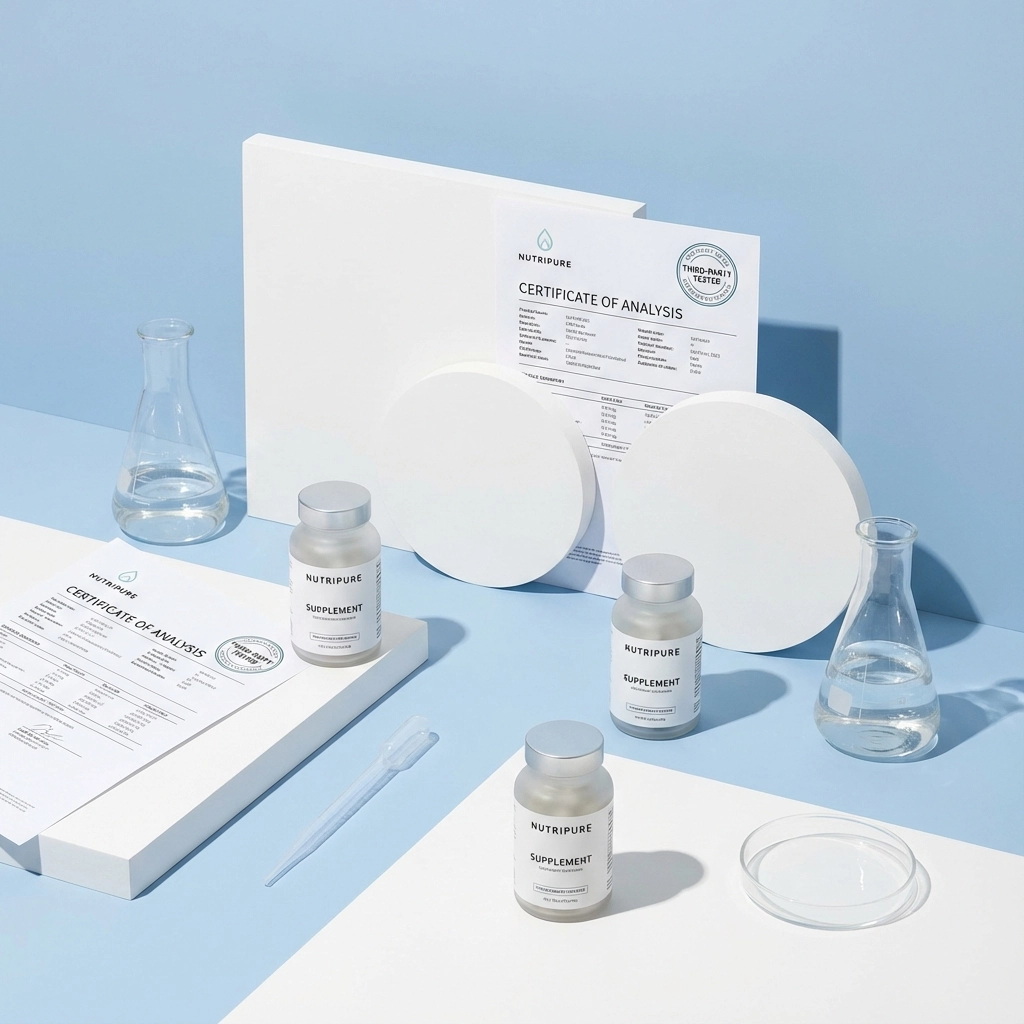
Look for third‑party testing for heavy metals, microbes, and contaminants. Reputable UK brands provide batch COAs on request or publish them online.
Absorption and Bioavailability
- Chelated minerals (e.g., bisglycinate) often absorb better than oxides.
- Methylated B‑vitamins support those with MTHFR variants.
- Liposomal or oil‑based formats can improve fat‑soluble vitamin uptake.
Sustainable and Ethical Sourcing
Prefer algae‑based omega‑3 and eco‑conscious packaging (e.g., recyclable bottles or paper pouches). These choices reduce plastic and align with UK sustainability goals.
Practical Selection Strategy
Step 1: Identify Your Primary Goals
Decide if you need general fertility support, hormone balancing (e.g., inositol‑focused), or specific nutrient top‑ups (e.g., vitamin D in winter). Women over 40 often benefit from a comprehensive multinutrient plus targeted add‑ons like CoQ10.
Takeaway: Match the product to your main outcome (egg quality, cycle regularity, or overall nutrient cover).
Step 2: Review Your Current Diet
- If you eat oily fish (salmon, mackerel, sardines) 1–2 times per week, you may need less omega‑3.
- If you are vegetarian/vegan, check B12, iodine (iodised salt is uncommon in the UK), and choline.
- Consider UK lifestyle factors: winter vitamin D, tea/coffee caffeine (aim ≤200 mg caffeine/day when trying to conceive).
Takeaway: Supplement only what your diet and blood tests don’t provide.
Step 3: Consider Your Budget
- Work out cost per day, not just shelf price.
- Use Boots Advantage prices and Holland & Barrett promotions to reduce cost.
- A high‑quality multi plus 1–2 targeted add‑ons usually beats buying many single products.
Takeaway: Plan a 3–6 month budget; fertility nutrition is a medium‑term investment.
Step 4: Check for Interactions
- Review medicines and existing supplements for conflicts (e.g., high‑dose vitamin E with anticoagulants).
- Use the NHS Medicines A–Z for basic checks and speak to your GP or pharmacist.
Takeaway: Safety first—especially with higher doses or multiple products.
Making Your Final Decision
- Natural and clean ingredients: Ferti‑Over‑40 by GinSen offers water‑extracted herbs, Vegan Society registration, and UK manufacturing (~£45).
- Maximum convenience and research backing: Pregnacare Conception Max provides core nutrients in balanced ratios at ~89p/day.
- Budget‑conscious: Vitl Female Fertility (~67p/day) covers essentials; add standalone CoQ10 and vitamin D if needed.
- Comprehensive over‑40 support: Proceive Max Women (35+) is a strong all‑rounder with higher‑strength nutrients, widely available at Boots and Holland & Barrett.

Getting Started Safely
- Start with a comprehensive fertility multi, then layer in CoQ10, vitamin D, omega‑3, or inositol as required. Introduce one change at a time and monitor tolerance.
- Expect 3–6 months of consistent use to reflect in egg quality and cycle patterns (this matches the egg maturation timeline).
- Consult your GP or fertility specialist before high‑dose supplements and for any prescription‑only options (e.g., DHEA). Ask about blood tests for vitamin D, ferritin, B12, thyroid, and HbA1c.
- Follow NHS preconception advice: 400 µg folic acid (or GP‑prescribed 5 mg if indicated), keep caffeine ≤200 mg/day, avoid vitamin A (retinol), stop smoking, and limit alcohol.
- Keep a simple supplement and cycle log to review progress with your GP, pharmacist, or fertility clinic.
Quality UK‑made supplements support reproductive health after 40, but they work best alongside a balanced diet, regular movement, stress management, and appropriate medical care through your GP or fertility clinic.