The seed oil debate has exploded across social media, with carnivore diet advocates and ancestral health enthusiasts declaring war on common cooking oils. From TikTok influencers dumping bottles of sunflower oil down the drain to restaurants proudly advertising "seed oil free" menus, the anti-seed oil movement has gained serious momentum in the UK and beyond.
But is there genuine science behind these claims, or are consumers falling victim to another round of diet culture fear-mongering wrapped in wellness language?
What Are Seed Oils and Why the Controversy?
Seed oils: including sunflower, rapeseed (canola), corn, soybean, and safflower oils: are extracted from plant seeds through industrial processing methods. These oils became dietary staples in the 20th century as cheaper alternatives to traditional fats like butter, lard, and olive oil.

The controversy centres around their high omega-6 polyunsaturated fat content, particularly linoleic acid. Critics argue that modern diets contain excessive omega-6 fats compared to omega-3s, creating an inflammatory imbalance that drives chronic disease. They point to the timing of seed oil introduction coinciding with rising rates of heart disease, obesity, and diabetes.
The carnivore and ancestral health communities have made seed oils their primary villain, claiming these "industrial lubricants" are more toxic than sugar. Some advocates suggest that eliminating seed oils can reverse everything from acne to autoimmune conditions.
The Case Against Seed Oils
Anti-seed oil proponents present several arguments backed by selective research interpretations:
Oxidative Damage Theory: They argue that polyunsaturated fats are unstable and prone to oxidation, creating harmful aldehydes and free radicals when exposed to heat, light, or air. This oxidative stress supposedly damages cells and promotes inflammation.
Historical Diet Mismatch: Advocates claim humans didn't evolve eating concentrated seed oils, making them inherently problematic. They point to traditional diets rich in saturated fats and argue that our ancestors thrived without industrial oils.
Reanalyzed Studies: Some cite reexaminations of older trials like the Minnesota Coronary Experiment and Sydney Diet Heart Study, suggesting that increased polyunsaturated fat intake led to higher mortality rates: data allegedly suppressed by original researchers.
Cell and Animal Studies: Laboratory research showing inflammatory markers and cellular damage from high omega-6 intake forms part of their evidence base.
What Mainstream Nutrition Science Actually Says
The scientific consensus from major health institutions directly contradicts toxicity claims. Harvard researchers, the American Heart Association, and the American Chemical Society have all concluded that current evidence doesn't support the idea that seed oils are harmful.

A comprehensive 2025 review of human outcome data found that linoleic acid from seed oils does not increase chronic disease risk. More significantly, clinical trials and observational studies consistently show that higher unsaturated fat intake is associated with lower rates of cardiovascular disease and type 2 diabetes.
The Evidence Breakdown:
- Multiple randomized controlled trials have given participants seed oils without observing harmful effects
- Population studies link higher polyunsaturated fat consumption to reduced heart disease risk
- The World Cancer Research Fund explicitly states there's no scientific evidence that seed oils increase cancer risk
- Meta-analyses of omega-6 intake show neutral to beneficial effects on health outcomes
Dr. Walter Willett from Harvard's School of Public Health notes that "the charges against these oils are misleading and based on flawed interpretations of research."
The "Seed Oil Free" Marketing Phenomenon
The anti-seed oil sentiment has spawned a profitable marketing trend. Restaurants across the UK now prominently advertise "tallow-fried chips" and "seed oil free kitchens," often charging premium prices for traditionally-prepared foods.

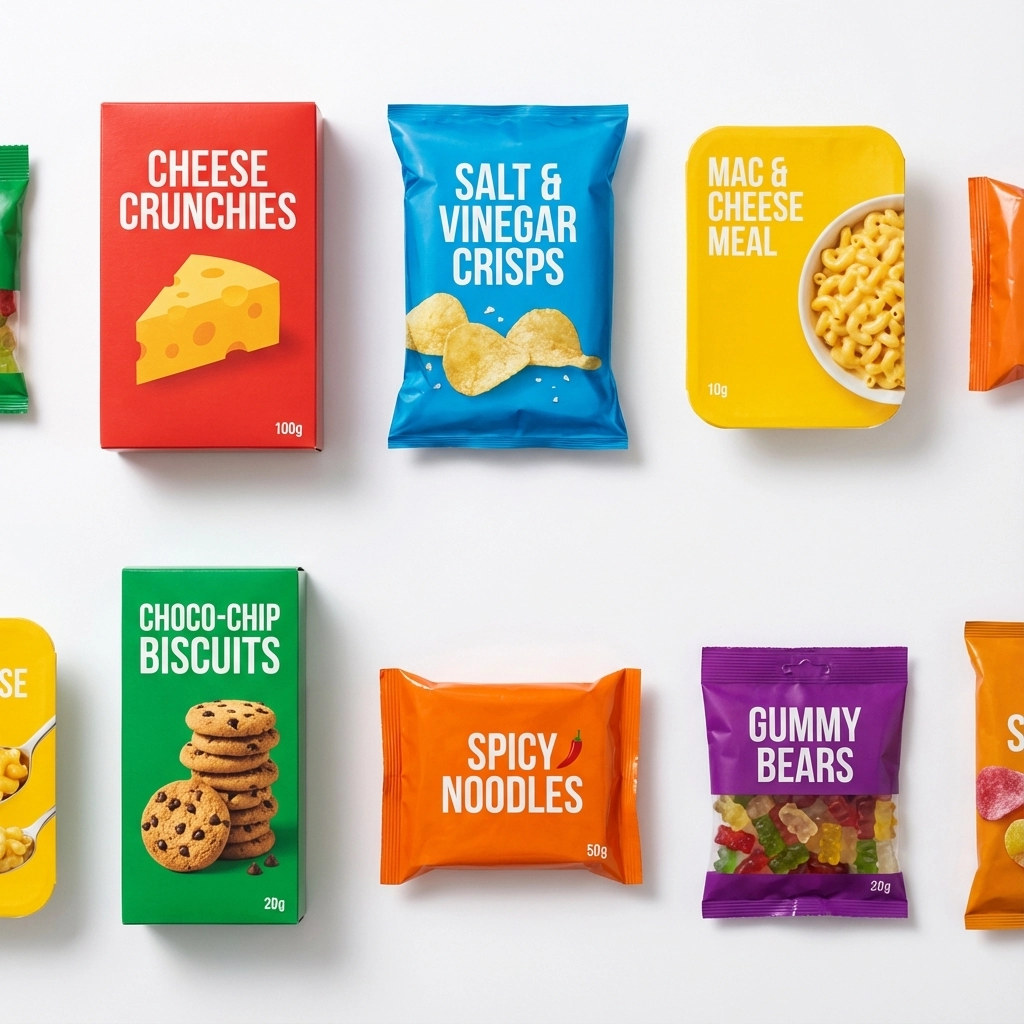
This marketing capitalizes on consumer anxiety while obscuring the real issue. Most seed oil consumption doesn't come from restaurant cooking: it comes from ultra-processed foods where these oils are combined with refined sugars, excess sodium, and artificial additives.
A takeaway's cooking oil is far less relevant to health than whether customers are eating home-cooked meals versus processed foods multiple times per week. The "seed oil free" label can distract from more important dietary patterns.
Separating Legitimate Concerns from Conspiracy Theories
While blanket toxicity claims lack scientific support, some concerns around seed oils have merit:
Processing Methods: Industrial extraction often involves chemical solvents and high heat, potentially creating harmful compounds. Cold-pressed alternatives may be preferable when available.
Context Matters: Seed oils aren't consumed in isolation: they're often found in processed foods alongside refined carbohydrates and excess calories. The health impact of a biscuit isn't solely due to its sunflower oil content.
Oxidation During Cooking: High-heat cooking can indeed oxidize polyunsaturated fats, though this applies to all oils to varying degrees. Proper storage and cooking methods matter more than oil type.
Individual Variation: Some people may respond differently to various fat ratios, though this doesn't support universal avoidance recommendations.
Where Conspiracy Thinking Emerges:
The seed oil debate veers into conspiracy territory when advocates claim deliberate suppression of evidence or suggest that mainstream nutrition organizations are corrupted by industry influence. While legitimate conflicts of interest exist in nutrition research, the consistency of findings across multiple independent institutions suggests genuine scientific consensus rather than coordinated deception.
Practical Middle-Ground Approaches to Cooking Oils
Rather than eliminating seed oils entirely, evidence supports a balanced approach:
For Daily Cooking:
- Extra virgin olive oil remains the gold standard for most culinary needs
- Rapeseed oil works well for higher-heat cooking and has a favorable omega profile
- Avocado oil offers stability at high temperatures
- Coconut oil can be used in moderation for flavor
Storage and Usage Tips:
- Keep oils in cool, dark places to minimize oxidation
- Avoid repeated heating of the same oil
- Don't let oils smoke during cooking
- Replace oils that smell rancid or "off"
Focus on the Bigger Picture:
- Prioritize whole foods over processed alternatives
- Aim for a variety of fat sources rather than relying heavily on any single oil
- Consider overall dietary patterns rather than obsessing over individual ingredients
- Base cooking oil choices on taste, availability, and budget rather than fear
The Bottom Line on Seed Oil Safety
Current scientific evidence doesn't support claims that commonly consumed seed oils are toxic or inherently harmful. The anti-seed oil movement appears to conflate correlation with causation while cherry-picking research that supports predetermined conclusions.

However, this doesn't mean all criticism is unfounded. The quality and context of oil consumption matter. A diet high in ultra-processed foods containing oxidized seed oils, excess sugar, and artificial additives will likely be less healthy than one emphasizing whole foods prepared with various cooking fats.
The seed oil debate ultimately reflects broader tensions between traditional dietary wisdom and modern food production. While returning to some ancestral eating patterns may offer benefits, wholesale rejection of food categories based on incomplete evidence rarely serves consumers well.
For most people, focusing on overall dietary quality: emphasizing vegetables, fruits, whole grains, lean proteins, and minimizing ultra-processed foods: will have far more health impact than meticulously avoiding specific cooking oils. The seed oil controversy may generate clicks and sell products, but it's unlikely to revolutionize anyone's health outcomes.
Rather than falling into either extreme camp, consumers benefit from understanding both the legitimate concerns and the overblown claims surrounding seed oils. As with most nutrition debates, the truth lies somewhere between the hysteria and the dismissal.