The anti-aging supplement market has found its latest darling: NAD+ boosters. From Silicon Valley executives to wellness influencers, everyone seems to be talking about these compounds that promise to turn back the cellular clock. But beneath the marketing buzz lies a more complex story: one that reveals both genuine scientific potential and significant gaps between laboratory promises and real-world results.
The NAD+ Revolution in Wellness
NAD+ (nicotinamide adenine dinucleotide) has emerged as the supplement industry's answer to cellular aging. This coenzyme, essential for energy production and DNA repair, naturally declines with age: dropping by approximately 50% between ages 20 and 60. The wellness community has seized on this decline as a key target for intervention.
Celebrity endorsements and biohacking communities have propelled NAD+ boosters into mainstream consciousness. Tech entrepreneurs document their supplement protocols on social media, while longevity clinics offer expensive IV infusions promising cellular rejuvenation. The narrative is compelling: restore this crucial molecule and potentially slow the aging process itself.
Understanding NAD+ Boosters: The Science Behind the Trend
NAD+ boosters work by providing precursor molecules that cells convert into NAD+. The most researched compounds include nicotinamide riboside (NR) and nicotinamide mononucleotide (NMN), both of which follow different metabolic pathways to increase cellular NAD+ levels.
People gravitate toward these supplements for several reasons. The aging population seeks scientifically-backed interventions beyond basic vitamins. Younger biohackers use them preventatively, hoping to maintain peak cellular function. Athletes explore potential performance benefits, while those experiencing age-related fatigue look for energy enhancement.
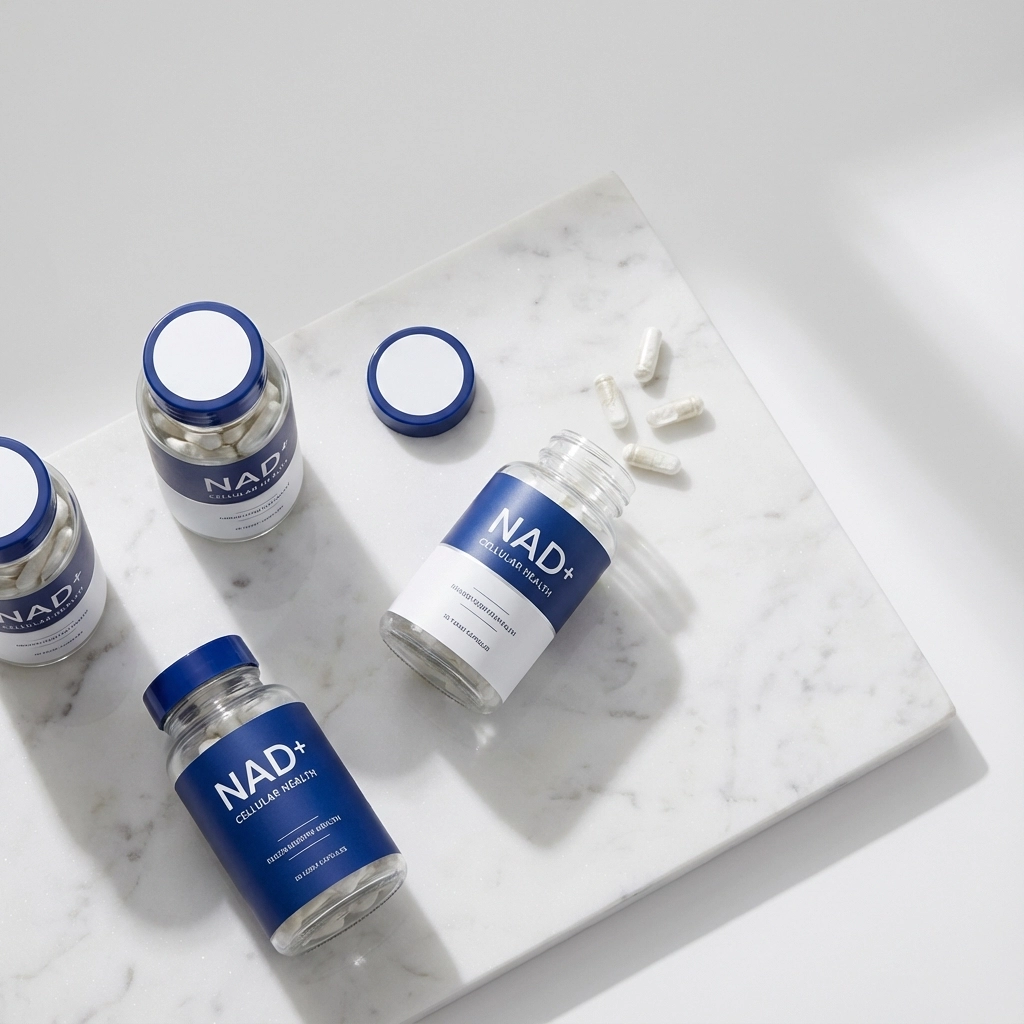
The appeal extends beyond individual health optimization. NAD+ boosters represent a shift toward precision wellness: supplements with specific biochemical targets rather than general health claims. This scientific approach attracts consumers who want evidence-based solutions to aging.
Cellular Aging Science: What Research Reveals
The cellular aging science supporting NAD+ boosters shows both promise and limitations. Animal studies consistently demonstrate impressive results. Mice receiving NAD+ precursors show improved mitochondrial function, enhanced DNA repair, and extended lifespans: some studies report 20-30% longer survival in treated animals.
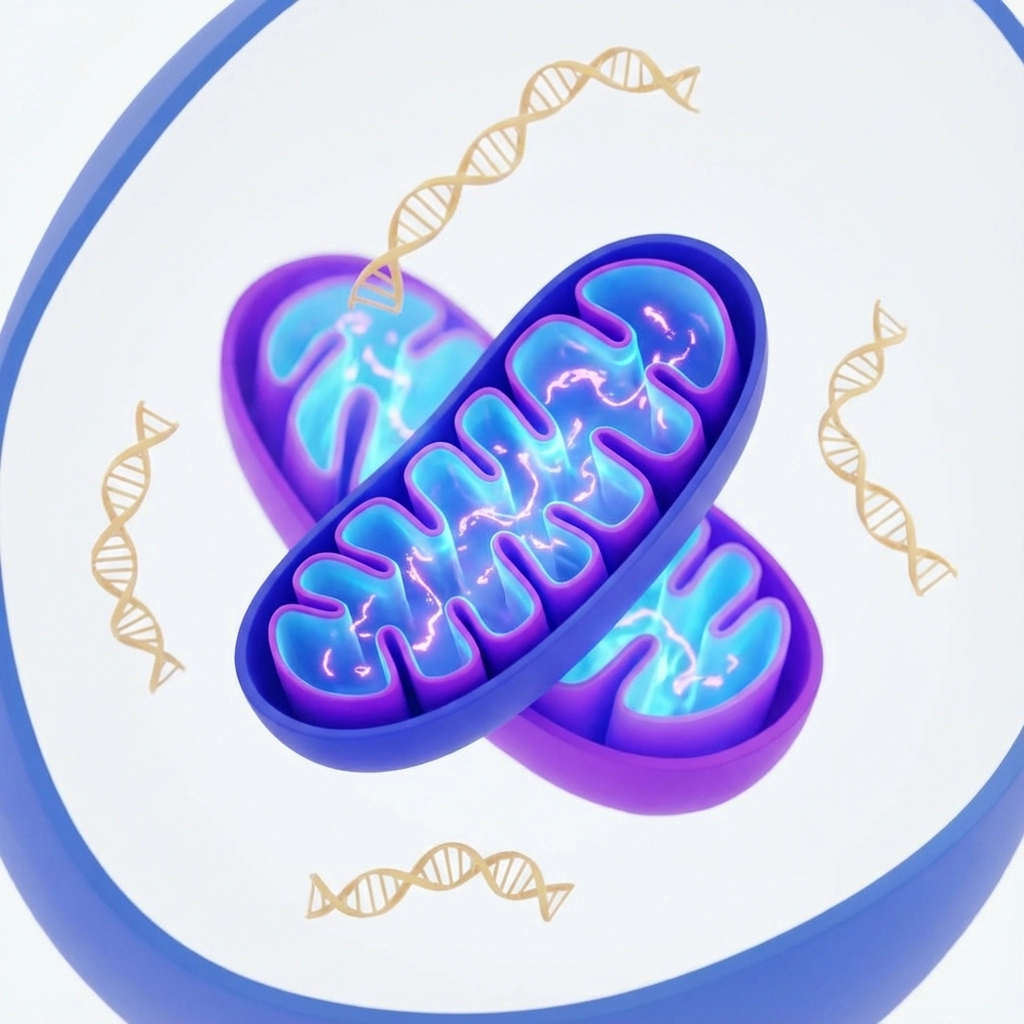
These preclinical findings reveal NAD+'s role in crucial cellular processes. The coenzyme activates sirtuins, proteins linked to longevity and stress resistance. It supports mitochondrial biogenesis, helping cells maintain energy production. NAD+ also enables DNA repair mechanisms that protect against age-related cellular damage.
However, translating animal research to humans proves challenging. Laboratory mice live in controlled environments with identical genetics and diets: conditions impossible to replicate in human populations. The aging process in short-lived laboratory animals may not mirror human longevity mechanisms.
Research highlights include restored muscle function in aged mice, improved cognitive performance, and enhanced cardiovascular health. These studies form the foundation for human trials, though the translation hasn't been seamless.
Supplement Types and Modern Stacking Trends
The NAD+ supplement market offers several options, each with distinct characteristics. Nicotinamide riboside (NR) represents the most studied option, with multiple human trials demonstrating reliable NAD+ elevation. Brands like Niagen have established market presence with consistent dosing protocols.
Nicotinamide mononucleotide (NMN) has gained popularity despite less human research. Proponents argue it converts more directly to NAD+, though evidence supporting superior effectiveness remains limited. Dosing ranges from 125mg to 2000mg daily, with higher doses not necessarily providing greater benefits.
Modern supplement stacking combines NAD+ boosters with complementary compounds. Popular combinations include:
- NR + Pterostilbene: This pairing aims to enhance sirtuin activation
- NMN + Resveratrol: Targets multiple longevity pathways
- NAD+ precursors + CoQ10: Supports mitochondrial function
- Comprehensive stacks: Include additional compounds like PQQ, alpha-lipoic acid, and vitamin B complex
Stacking trends reflect biohacking culture's systematic approach to optimization. Users track biomarkers, adjust dosing based on blood tests, and document subjective improvements. However, interaction studies between these compounds remain scarce.
Evidence: Do These Actually Slow Aging?
The evidence for NAD+ boosters presents a mixed picture that doesn't match the enthusiastic marketing claims. Human trials consistently show NAD+ levels increase by 130-150% with supplementation. This biomarker improvement represents the strongest evidence supporting these supplements.
Functional improvements in humans prove more elusive. Multiple 12-week studies in healthy adults show minimal changes in cognition, muscle performance, or cardiovascular function despite significant NAD+ elevation. This disconnect between biomarker improvement and functional outcomes challenges the simple narrative that higher NAD+ equals better aging.
Some positive human results do exist. A small study found NR improved blood vessel function in patients with peripheral artery disease. Another trial showed reduced inflammation markers with NR plus pterostilbene supplementation. Research in Parkinson's disease patients demonstrated decreased inflammatory cytokines with NR treatment.
The limitation lies in study design and duration. Most human trials last 4-12 weeks with small participant numbers. True anti-aging effects might require years to manifest, while current research captures only short-term biochemical changes.
Study quality varies significantly. Some research uses proper randomized, placebo-controlled designs, while others rely on observational data or uncontrolled protocols. The supplement industry funds much NAD+ research, potentially introducing bias toward positive results.
Typical Users: Real-World Experiences
NAD+ booster users span diverse demographics with varying motivations and experiences. Tech professionals in their 30s and 40s represent a significant user base, drawn by the scientific approach and longevity optimization potential. These users often track multiple biomarkers and maintain detailed supplement protocols.
Subjective reports frequently mention improved energy levels, better sleep quality, and enhanced mental clarity. However, these effects often coincide with other lifestyle changes, making direct attribution to NAD+ boosters difficult. The placebo effect complicates assessment, particularly given the supplements' premium pricing and scientific positioning.
Athletes and fitness enthusiasts explore NAD+ boosters for potential performance benefits. Some report improved recovery times and sustained energy during training, though controlled studies supporting these claims remain limited. The intersection with existing supplement regimens makes isolating NAD+ effects challenging.
Older adults represent another significant user group, often seeking evidence-based interventions for age-related decline. Their experiences vary widely, with some reporting noticeable improvements while others detect no clear benefits. Duration of use appears important, with longer-term users more likely to report sustained benefits.
Safety, Side Effects, and Unknowns
NAD+ boosters demonstrate favorable safety profiles in available research. Most studies report minimal side effects, with occasional mild gastrointestinal upset being the primary concern. This safety record contributes to their appeal among health-conscious consumers seeking low-risk interventions.
However, significant unknowns remain. Long-term safety data doesn't exist for chronic NAD+ booster use. Most studies span weeks to months, leaving questions about effects from years of supplementation. The optimal dosing strategy remains unclear, with some evidence suggesting lower doses may prove more effective than higher amounts.
Interaction potential exists with medications and other supplements, though specific data remains limited. Individuals taking blood thinners, diabetes medications, or immune suppressants should consult healthcare providers before beginning NAD+ supplementation.

Quality control represents another concern. The supplement industry's limited regulation means product purity and potency can vary between brands. Third-party testing provides some assurance, though not all manufacturers participate in these programs.
Special populations require particular caution. Pregnant women, nursing mothers, and individuals with cancer history should avoid NAD+ boosters until more safety data emerges. The supplements' effects on rapidly dividing cells remain incompletely understood.
Cost vs. Benefit: UK Consumer Perspective
NAD+ boosters carry premium pricing that challenges their cost-effectiveness for average consumers. Quality NR supplements range from £40-80 monthly, while NMN products often exceed £100 per month. These costs position NAD+ boosters as luxury wellness products rather than mainstream health supplements.
UK consumers face additional considerations regarding supplement regulation and healthcare integration. The Medicines and Healthcare products Regulatory Agency (MHRA) doesn't specifically regulate NAD+ boosters, leaving quality assurance to manufacturer discretion. This regulatory gap creates uncertainty about product consistency and safety standards.
The cost-benefit calculation depends heavily on individual circumstances and expectations. High earners seeking cutting-edge wellness interventions may find the expense justified, while budget-conscious consumers might question spending significant money on supplements with limited proven benefits.
Alternative approaches offer potential value. Lifestyle interventions like exercise, caloric restriction, and adequate sleep naturally support NAD+ levels without supplement costs. These proven strategies provide broader health benefits beyond NAD+ optimization.
Private health insurance doesn't cover NAD+ boosters, requiring out-of-pocket expenses. This financial barrier limits access to higher-income demographics, potentially creating wellness inequality around longevity interventions.
NHS and Medical Community Stance
The NHS doesn't currently recommend NAD+ boosters for anti-aging purposes, reflecting the limited human evidence for functional benefits. NHS guidance emphasizes proven interventions like regular exercise, balanced nutrition, and preventive care for healthy aging.
Medical professionals express cautious optimism about NAD+ research while noting evidence limitations. The Royal College of Physicians hasn't issued specific guidance on NAD+ boosters, though general supplement recommendations emphasize evidence-based approaches and medical supervision.
Private healthcare providers increasingly offer NAD+ testing and supplementation, particularly in London's premium wellness clinics. These services target affluent clients seeking personalized longevity protocols, though costs remain prohibitive for most consumers.
The medical community's measured response reflects the gap between promising research and clinical application. While cellular aging science supports theoretical benefits, the lack of long-term human studies prevents definitive recommendations.
Real Potential or Smart Marketing?
NAD+ boosters occupy a unique position between legitimate scientific interest and sophisticated marketing. The research foundation is genuine: NAD+ plays crucial roles in cellular function, and levels do decline with age. However, the leap from restored NAD+ levels to meaningful anti-aging benefits remains unproven in humans.
The reality suggests a more nuanced picture than either enthusiastic promotion or complete dismissal. NAD+ boosters reliably increase target biomarkers and demonstrate good safety profiles. These factors support their use as research tools and potentially beneficial supplements for specific populations.
However, the evidence doesn't support claims of dramatic anti-aging effects or cellular rejuvenation. The gap between animal research and human outcomes highlights the complexity of translating longevity science into practical interventions.
For consumers considering NAD+ boosters, realistic expectations prove essential. These supplements represent one tool in a comprehensive approach to healthy aging, not a standalone solution. The substantial costs require careful consideration against proven alternatives like exercise and nutrition optimization.
The future of NAD+ boosters likely depends on longer-term human studies that can demonstrate functional benefits beyond biomarker improvements. Until then, they remain an intriguing but unproven addition to the anti-aging toolkit: promising enough to warrant continued research, but not revolutionary enough to justify the current marketing enthusiasm.
Visit Fitness Health for evidence-based guidance on supplements and healthy aging strategies.