I'm going to be completely honest with you, when I first heard the term "biohacking" about eight years ago, I rolled my eyes. Hard. I'd been a personal trainer for many years at that point, working with everyone from office workers in Manchester to competitive athletes, and this sounded like another fitness fad wrapped in fancy terminology.
But then something happened that changed my perspective entirely. I hit 40, and suddenly my body wasn't responding the way it used to. My recovery was slower, my energy was inconsistent, and I found myself struggling with the same challenges I'd been helping my clients overcome for years. That's when I decided to dive deeper into what "biohacking" actually meant, and it transformed not just my own health, but how I approach training with every single client.
What Is Biohacking? (And Why It's Not Just for Tech Nerds)
My biohacking lightbulb moment came during a particularly rough patch in 2019. I was training harder than ever, eating what I thought was a perfect diet, but feeling absolutely knackered. My sleep was rubbish, my mood was all over the place, and I was basically a walking contradiction to everything I preached to my clients.
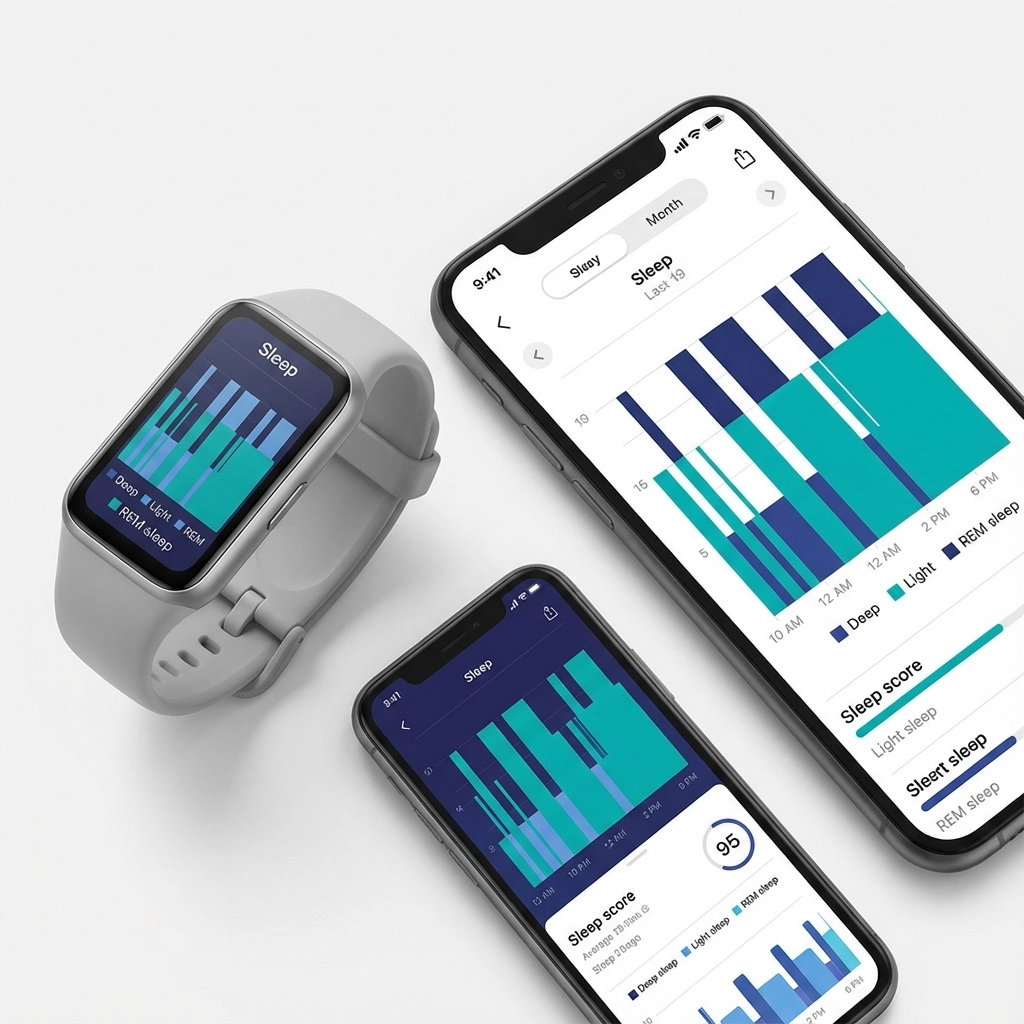
That's when I started tracking my sleep with a basic fitness watch, nothing fancy, just a Garmin I'd had for running. What I discovered shocked me. Despite thinking I was getting 7-8 hours of sleep, I was actually only getting about 3-4 hours of quality deep sleep. My stress levels were chronically elevated, and my recovery metrics were in the toilet.
Biohacking, I learned, isn't about becoming a cyborg or spending thousands on fancy gadgets. It's simply about using data and science to understand what your body actually needs, rather than guessing or following generic advice. In my experience with UK clients, from busy London executives to stay-at-home parents in Yorkshire, it's about finding practical, measurable ways to optimise your health within your real-world constraints.
I tell all my clients now: biohacking is just intelligent self-awareness. It's asking "what's actually working for my body?" instead of blindly following the latest Instagram fitness trend.
The Wearable Tech I Actually Recommend (Based on Real Results)
After 20 years in this industry, I've seen every gadget and gimmick under the sun. Most end up in drawers after two weeks. But there are three pieces of wearable tech that I've seen genuinely transform my clients' results, and my own.
Oura Ring: I started recommending this to my more data-driven clients about three years ago. Sarah, a 38-year-old solicitor from Birmingham, was convinced she had a thyroid issue because she was exhausted despite exercising five times a week. Her Oura data revealed she was consistently under-recovering, her heart rate variability was terrible and her deep sleep was almost non-existent. We adjusted her training intensity and focused on sleep hygiene. Within six weeks, her energy levels completely transformed.
Garmin Watches (specifically the Forerunner or Fenix series): These aren't just for runners. I use mine to track training load, recovery, and stress throughout the day. The body battery feature has been a game-changer for timing intense sessions with my clients. When someone's body battery is below 25, we do restorative work instead of pushing through a heavy lifting session.
WHOOP Strap: This one's for my more serious athletes and the clients who really want to geek out on data. The strain and recovery metrics help us periodise training in a way that actually matches their physiology rather than a generic programme.
Here's what I tell my sceptical clients (and I have many): you don't need to become obsessed with the numbers. Use them as a guide, not a dictator. If your tracker says you're recovered but you feel awful, listen to your body. The technology should inform your decisions, not make them for you.
Hormones, Sleep, and Recovery: What I've Learned After 40
This is where things get personal. When I hit my forties, I had to completely rethink everything I thought I knew about recovery and hormones. My testosterone wasn't what it used to be, my cortisol patterns were erratic, and I was basically living proof that age does change the game, but it doesn't have to end it.
Sleep became non-negotiable. I'd spent years telling clients that sleep was important while getting by on 5-6 hours myself. Hypocrite much? Now I prioritise 7-8 hours religiously. My evening routine includes magnesium supplementation (I use a high-quality magnesium glycinate), no screens an hour before bed, and keeping my bedroom temperature around 18°C.
Cold exposure changed everything. I started with cold showers in my own bathroom, 30 seconds of cold water at the end of my regular shower. Now, three years later, I do 2-3 minutes of cold exposure most mornings. My energy levels are more stable, my immune system is stronger (I've had fewer colds in the past three years than I had in any single previous year), and my mood is more consistent.
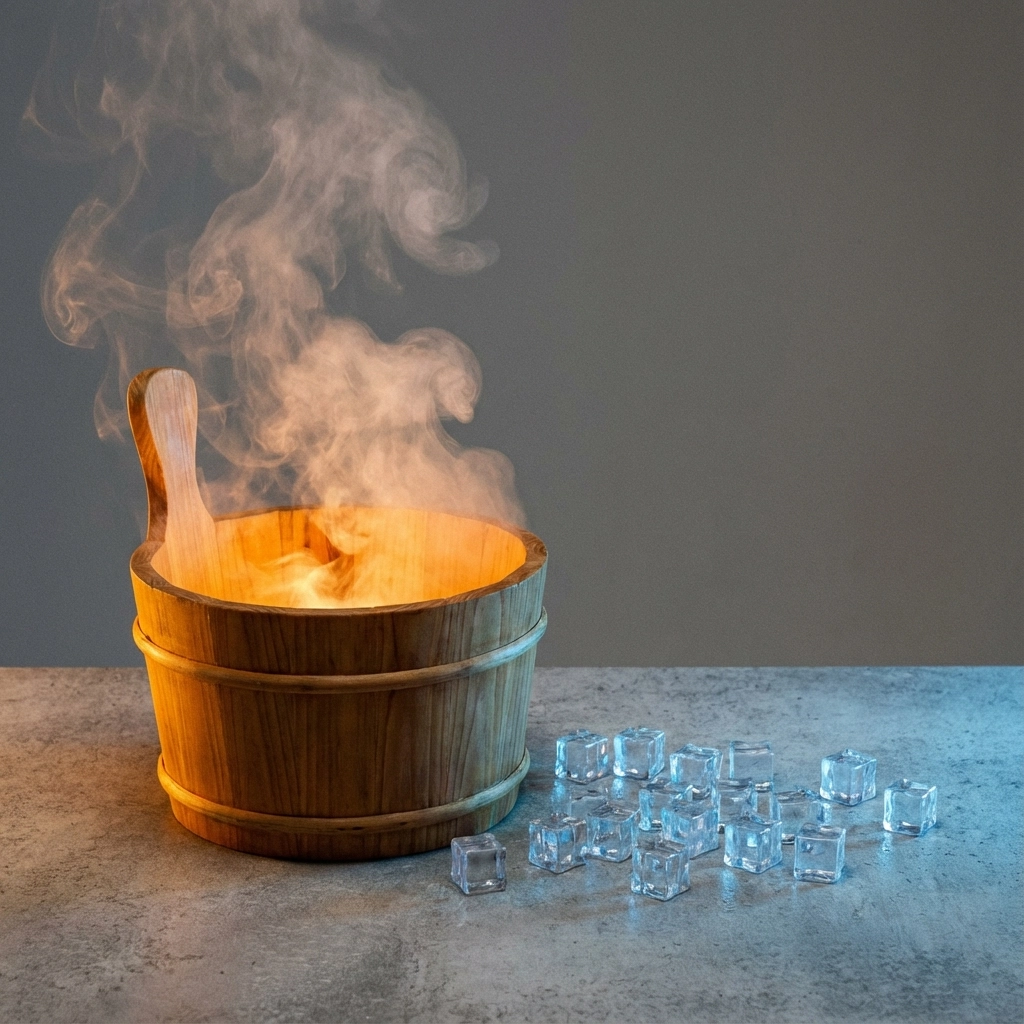
Heat therapy through sauna use has become my secret weapon for recovery. I found a local gym with a proper sauna and use it 2-3 times per week, usually after training sessions. The combination of heat followed by cold (even just a cold shower) has dramatically improved my recovery between sessions.
I track my heart rate variability now, and it's the best indicator I have of whether my body is ready for intense training or needs more recovery time. When my HRV is low, I focus on yoga, walking, or light movement instead of pushing through heavy lifts.
Nutrition Hacks That Actually Work for Real UK Clients
Forget everything you've read about perfect macro ratios and exotic superfoods. After working with hundreds of British clients, from shift workers to office executives, I've learned that the best nutrition "hacks" are embarrassingly simple, and completely sustainable.
Case study: James, 42, Finance Director from Leeds. James was doing everything "right", meal prepping on Sundays, counting macros, training five times a week. But he was gaining weight and feeling terrible. The problem? He was eating the same foods every single day and his cortisol was through the roof from the restriction. We introduced flexible eating windows (not strict intermittent fasting, just eating within a 10-hour window most days) and focused on food quality rather than quantity. He lost 2.5 stone in eight months without feeling deprived.
The 80/20 rule in practice: I tell all my clients to focus on nutrient-dense whole foods 80% of the time, and not worry about the other 20%. This means having your Sunday roast without guilt, enjoying a pint with mates, or having birthday cake at the office. The key is making the 80% really count, proper vegetables, quality protein, healthy fats.
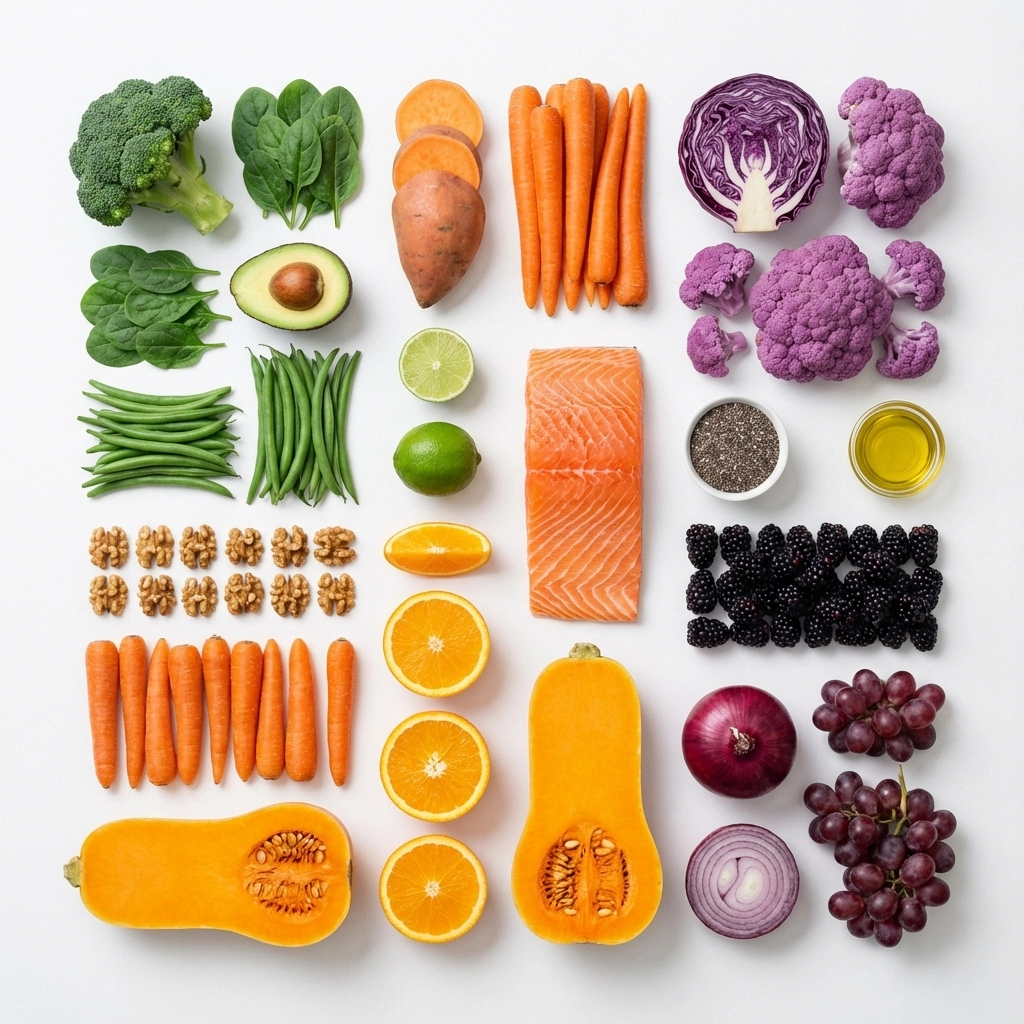
Strategic supplementation: I'm not a supplement pusher, but there are a few that I've seen make real differences with UK clients. Vitamin D3 (especially during our lovely British winters), quality omega-3s, and a good magnesium supplement for sleep. Everything else should come from food first.
Meal timing that works with real life: Instead of forcing clients into rigid eating schedules, I help them find patterns that work with their actual lives. For night shift workers, this might mean eating their main meal at 3am. For busy parents, it might mean strategic meal replacement shakes on chaotic days. The best nutrition plan is the one you can actually stick to.
Red Flags and Biohacking Myths I've Seen Over 20 Years
Instagram has made my job both easier and infinitely harder. Easier because there's more health awareness than ever before. Harder because there's also more complete nonsense masquerading as science than I've ever seen.
The "more is better" trap: I've watched clients burn out trying to implement every biohack they've read about simultaneously. Cold showers, sauna, meditation, fasting, red light therapy, grounding, ice baths, all in the first week. Your body can't adapt to everything at once. I always recommend picking one thing, mastering it for at least a month, then adding something else.
The expensive gadget obsession: I've seen people spend £5,000 on red light panels and hyperbaric oxygen chambers while ignoring the basics like getting adequate sleep or eating vegetables. The most powerful biohacks cost nothing, sunlight exposure, proper sleep, stress management, and consistent movement.
Extreme approaches that ignore individuality: The 20-year-old influencer doing 72-hour fasts and ice baths at 4am might look impressive, but that doesn't mean it's right for a 45-year-old parent juggling work and family commitments. I've learned that the best interventions are the ones that enhance your life rather than disrupting it completely.
Ignoring the fundamentals: I still see people trying to optimise their mitochondrial function while drinking six cups of coffee, sleeping five hours a night, and living on meal deals. You can't biohack your way out of consistently poor lifestyle choices.
The biggest mistake I see is people treating biohacking like a destination rather than a journey. Your needs will change as you age, as your life circumstances change, and as your body adapts. What worked for you at 25 probably won't work at 45, and that's completely normal.
Your Next Steps: Starting Smart, Not Perfect
After two decades of helping people transform their health and fitness, I've learned that the most successful clients aren't the ones who implement everything perfectly from day one, they're the ones who start with one small change and build from there.
If you're ready to start your own biohacking journey, begin with sleep. Track it for a week using whatever device you have (even your phone), then pick one thing to improve. Maybe it's keeping your bedroom cooler, or putting your phone away an hour before bed, or taking a magnesium supplement.
From there, add one thing each month. Cold exposure at the end of your shower. A 10-minute morning walk in natural light. Paying attention to how different foods make you feel. The compound effect of these small changes will surprise you, I promise you that.
Remember, biohacking isn't about becoming superhuman. It's about becoming the best version of yourself, using science and self-awareness to make informed decisions about your health. After 20 years of trial and error, with myself and hundreds of clients, I can tell you that the simple, sustainable approaches always win in the long run.
What's your first step going to be? I'd love to hear about your biohacking experiments and questions. Drop me a comment below: whether you're just starting out or you've been optimising your health for years, we're all in this journey together.