Recovery technology has evolved from simple ice baths and basic sleep tracking to sophisticated systems that monitor, analyze, and optimize your body's repair processes in real-time. In 2026, the most effective fitness enthusiasts aren't just focusing on their workouts: they're leveraging cutting-edge recovery tools to maximize gains, prevent injury, and maintain peak performance.
This shift toward data-driven recovery represents a fundamental change in how we approach fitness. Instead of relying on how we feel, modern recovery tech provides precise measurements of your body's readiness to train, recover, and adapt.
The Foundation: Advanced Wearable Technology and Biometric Monitoring
Recovery optimization starts with understanding what's happening inside your body. Today's wearable technology extends far beyond step counting, incorporating sophisticated biosensors that measure heart rhythm, sleep quality, blood glucose levels, and stress response continuously.
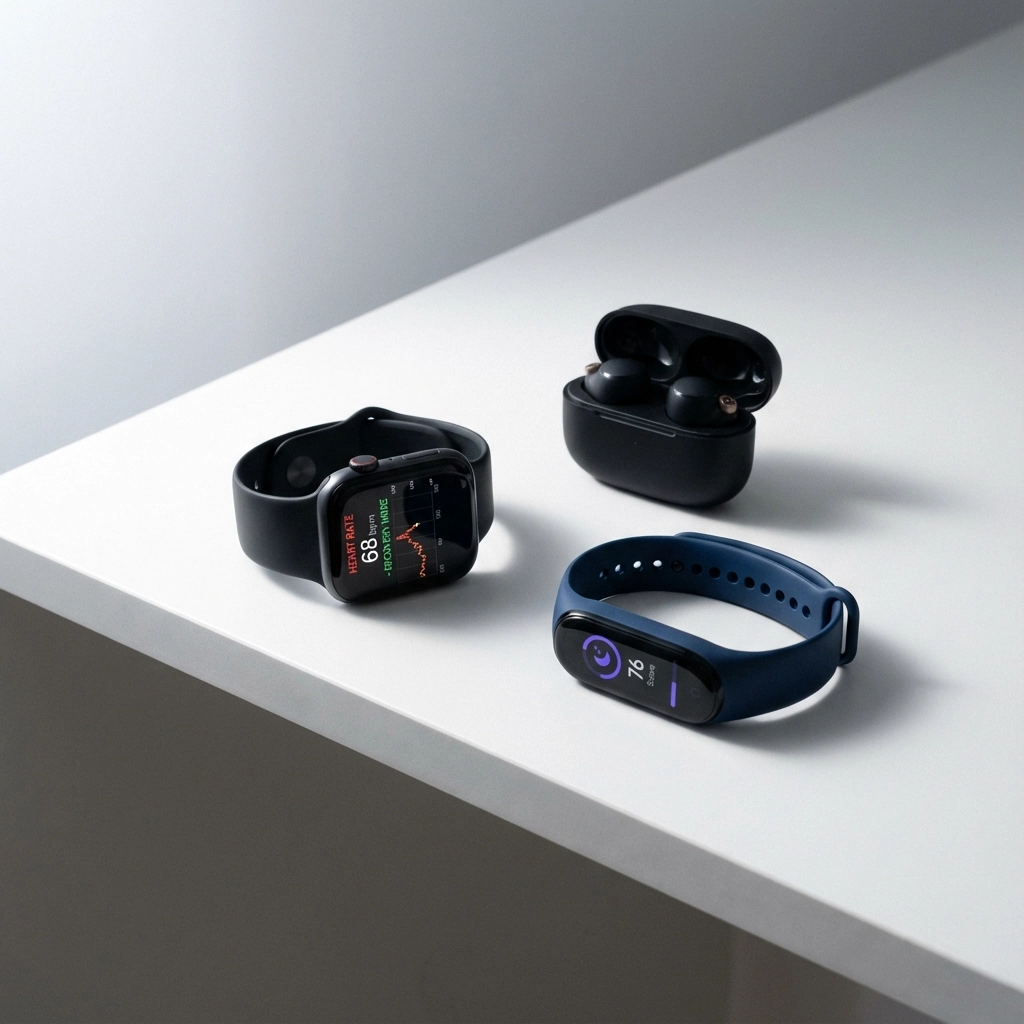
The most valuable metrics for recovery include:
Heart Rate Variability (HRV): This measures the variation in time between heartbeats, indicating your nervous system's balance. Higher HRV typically means better recovery and readiness for intense training.
Sleep Quality Data: Modern devices track deep sleep phases, REM cycles, and sleep efficiency rather than just total sleep time.
Cortisol Rhythm Tracking: Advanced wearables can detect stress hormone patterns, helping you align your training and recovery with your body's natural cortisol cycles.
Real-Time Stress Response: Continuous monitoring allows you to see how different activities, foods, and recovery protocols affect your stress levels throughout the day.
This data-driven approach transforms recovery from guesswork into personalized intervention based on measurable physiological responses. You can now predict when to push harder in training and when to prioritize rest, leading to more consistent progress and fewer setbacks.
Cold Plunge Therapy: The Science of Controlled Stress
Cold plunge therapy has moved from elite athlete circles into mainstream fitness, and for good reason. The controlled stress of cold water immersion triggers powerful physiological adaptations that accelerate recovery and enhance performance.
Optimal Cold Plunge Protocols:
- Temperature Range: 50-59°F (10-15°C) for therapeutic benefits
- Duration: 2-4 minutes for beginners, up to 10 minutes for experienced users
- Frequency: 3-4 sessions per week for maximum adaptation
- Timing: Within 2 hours post-workout for recovery benefits
Physiological Benefits:
Cold exposure activates the sympathetic nervous system, triggering the release of norepinephrine and dopamine. This response reduces inflammation, accelerates muscle repair, and improves mental resilience. The vasoconstriction followed by vasodilation helps flush metabolic waste products from muscles while delivering fresh nutrients.
Practical Implementation:
Start with 30-second exposures and gradually increase duration. Focus on controlled breathing during immersion: this builds mental resilience while maximizing physiological benefits. Many users report improved sleep quality and reduced muscle soreness when incorporating regular cold plunges into their routine.
Infrared Therapy: Deep Heat for Cellular Recovery
Infrared therapy uses specific light wavelengths to penetrate deep into tissue, promoting cellular repair at the mitochondrial level. Unlike traditional saunas that heat the air around you, infrared directly warms your body's core temperature.
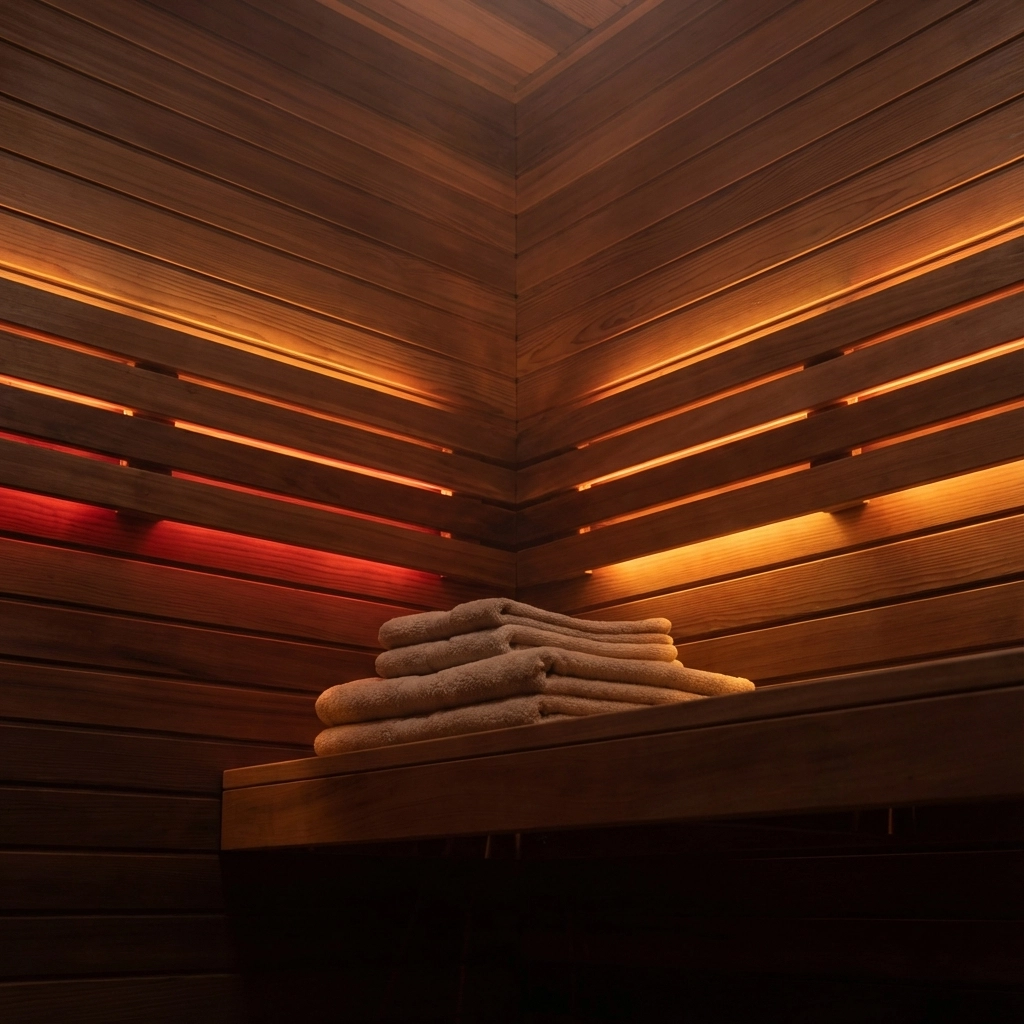
Key Benefits of Infrared Therapy:
- Enhanced Circulation: Improved blood flow delivers more oxygen and nutrients to recovering muscles
- Cellular Energy Production: Infrared light stimulates mitochondria, increasing ATP production for faster recovery
- Inflammation Reduction: Regular sessions help manage chronic inflammation that can impede recovery
- Sleep Improvement: The relaxation response improves sleep quality and duration
Optimal Usage Protocols:
- Session Length: 20-30 minutes at 120-140°F (49-60°C)
- Frequency: 3-5 times per week for active recovery
- Timing: Evening sessions promote better sleep, while post-workout sessions accelerate recovery
Combination with Cold Therapy:
Contrast therapy: alternating between infrared heat and cold plunges: creates a powerful recovery stimulus. The temperature variation enhances circulation, reduces inflammation, and triggers hormetic stress responses that strengthen your body's adaptive capacity.
PEMF Technology: Electromagnetic Recovery Enhancement
Pulsed Electromagnetic Field (PEMF) therapy uses electromagnetic pulses to stimulate cellular repair and regeneration. This technology works at the cellular level to optimize the electrical activity that drives healing processes.
How PEMF Works:
Every cell in your body generates electrical activity. PEMF devices deliver electromagnetic pulses that synchronize and optimize these cellular electrical processes, enhancing:
- Protein Synthesis: Faster muscle repair and growth
- Bone Density: Improved calcium uptake and bone strength
- Circulation: Enhanced blood flow and nutrient delivery
- Pain Reduction: Decreased inflammation and improved nerve function
Practical PEMF Protocols:
- Intensity: Start with low-intensity settings (1-10 Gauss) for general recovery
- Duration: 20-30 minute sessions
- Frequency: Daily use for acute recovery, 3-4 times weekly for maintenance
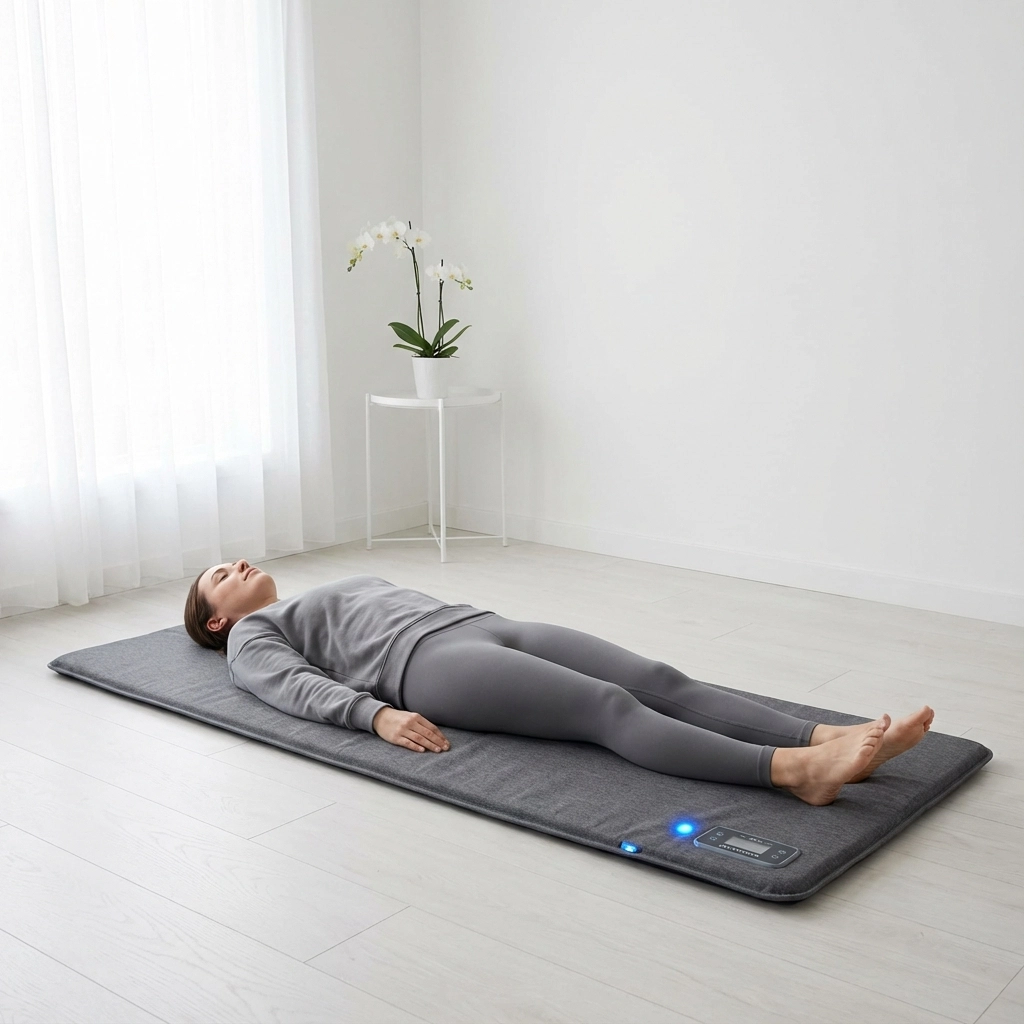
- Timing: Can be used during sleep or as part of your recovery routine
PEMF devices range from full-body mats to targeted applicators for specific muscle groups. The technology is particularly effective for addressing chronic pain, enhancing bone health, and accelerating recovery from intense training.
Sleep Optimization: The Ultimate Recovery Technology
Sleep represents the most critical recovery period, when your body performs essential repair and adaptation processes. Modern sleep optimization goes beyond quantity to focus on quality, timing, and circadian alignment.
Advanced Sleep Optimization Strategies:
Temperature Control: Your core body temperature naturally drops during sleep. Optimize your sleeping environment between 65-68°F (18-20°C) and consider cooling mattress technology for deeper sleep phases.
Light Management: Blue light exposure disrupts melatonin production. Use blue light blocking glasses 2-3 hours before bed and maintain complete darkness during sleep.
Cortisol-Sleep Cycle Alignment: Rebalance your cortisol rhythm by maintaining consistent sleep and wake times, even on weekends. This alignment improves recovery capacity and energy levels.
Breathing Optimization: Sleep breathing disorders significantly impact recovery. Consider monitoring your sleep breathing patterns and addressing any disruptions through breathing exercises or medical intervention.
Supplement Integration for Enhanced Recovery
Recovery technology becomes more effective when combined with targeted nutritional support. Strategic supplementation can amplify the benefits of your recovery protocols.
Key Recovery-Supporting Supplements:
- Magnesium: Supports muscle relaxation and sleep quality, enhancing the benefits of both cold therapy and infrared sessions
- Vitamin D3: Essential for muscle recovery and immune function: particularly important when using intensive recovery protocols
- Probiotics: Support gut health and reduce inflammation, amplifying the anti-inflammatory benefits of recovery technologies
For those following plant-based diets, ensuring adequate protein and B-vitamin intake becomes crucial when implementing intensive recovery protocols. Consider comprehensive nutritional support to maximize your recovery investment.
Creating Your Integrated Recovery Protocol
The most effective approach combines multiple recovery technologies in a systematic way:
Daily Foundation:
- Continuous biometric monitoring via wearables
- Consistent sleep optimization protocols
- Strategic nutrition timing
Weekly Recovery Cycles:
- 3-4 cold plunge sessions
- 3-5 infrared therapy sessions
- 3-4 PEMF treatments
- Contrast therapy sessions combining heat and cold
Recovery Periodization: Adjust your recovery intensity based on training phases. During high-volume training periods, increase recovery technology frequency. During deload weeks, maintain baseline protocols while focusing on sleep quality.
Monitoring and Adjustment: Use your wearable data to assess protocol effectiveness. Track metrics like HRV, resting heart rate, and sleep scores to determine which combinations work best for your individual physiology.
Implementation Guidelines
Start by establishing one recovery technology at a time. Begin with sleep optimization and biometric monitoring, as these provide the foundation for all other interventions. Add cold therapy or infrared sessions gradually, monitoring your response through your tracking devices.
Budget considerations vary significantly: from basic cold showers and sleep hygiene practices to high-end recovery centers offering comprehensive protocols. The key is consistency with whatever level of technology you can access.
Safety considerations are paramount. Always consult healthcare providers before implementing intensive recovery protocols, particularly if you have cardiovascular conditions or are taking medications that affect circulation or temperature regulation.
Recovery technology in 2026 offers unprecedented opportunities to optimize your fitness gains through scientific, data-driven approaches. By combining cold therapy, infrared treatment, PEMF technology, and sleep optimization with proper monitoring and nutritional support, you can accelerate recovery, prevent injury, and maintain peak performance consistently.
The future of fitness isn't just about how hard you train; it's about how smart you recover.