Managing blood sugar levels effectively has become increasingly important for millions of people across the UK. While metformin remains the go-to prescription medication for type 2 diabetes, a natural compound called berberine is gaining attention for its remarkable blood sugar control properties. But how do these two options actually compare, and what does the research tell us?
What Are Berberine and Metformin?
Metformin is a prescription medication that's been the first-line treatment for type 2 diabetes for decades. The landmark UK Prospective Diabetes Study (UKPDS) established metformin as the only oral medication proven to reduce serious cardiovascular complications in diabetic patients.
Berberine is a natural compound extracted from several plants, including goldenseal, barberry, and Oregon grape. It's been used in traditional Chinese medicine for centuries, but only recently has modern science begun to understand its powerful effects on blood sugar metabolism.
Head-to-Head Effectiveness: The Research Results
The most striking finding from recent clinical trials is that berberine performs remarkably similarly to metformin for blood sugar control. In a three-month study with newly diagnosed diabetic patients, berberine (500mg three times daily) achieved:
- 2% reduction in HbA1c (long-term blood sugar marker)
- 3.8 mmol/L decrease in fasting blood glucose
- 8.8 mmol/L reduction in post-meal blood sugar
These results were statistically identical to metformin at the same dosage.
A comprehensive analysis of 37 studies involving over 3,000 patients confirmed berberine's ability to:
- Lower fasting blood sugar by 0.82 mmol/L
- Reduce HbA1c by 0.63%
- Decrease post-meal glucose spikes by 1.16 mmol/L
Research suggests berberine can lower fasting blood sugar levels by up to 20% and long-term markers by 12% when taken at doses of 600-2,700mg daily.
The Key Difference: Lipid Benefits
Here's where berberine pulls ahead, its effects on cholesterol and triglycerides are superior to metformin. After 13 weeks of treatment, berberine significantly reduced:
- Total cholesterol by up to 31%
- LDL ("bad") cholesterol by 36%
- Triglycerides to levels lower than metformin achieved
- Dietary cholesterol absorption by 45%
This dual action makes berberine particularly attractive for people managing both diabetes and high cholesterol, a common combination.
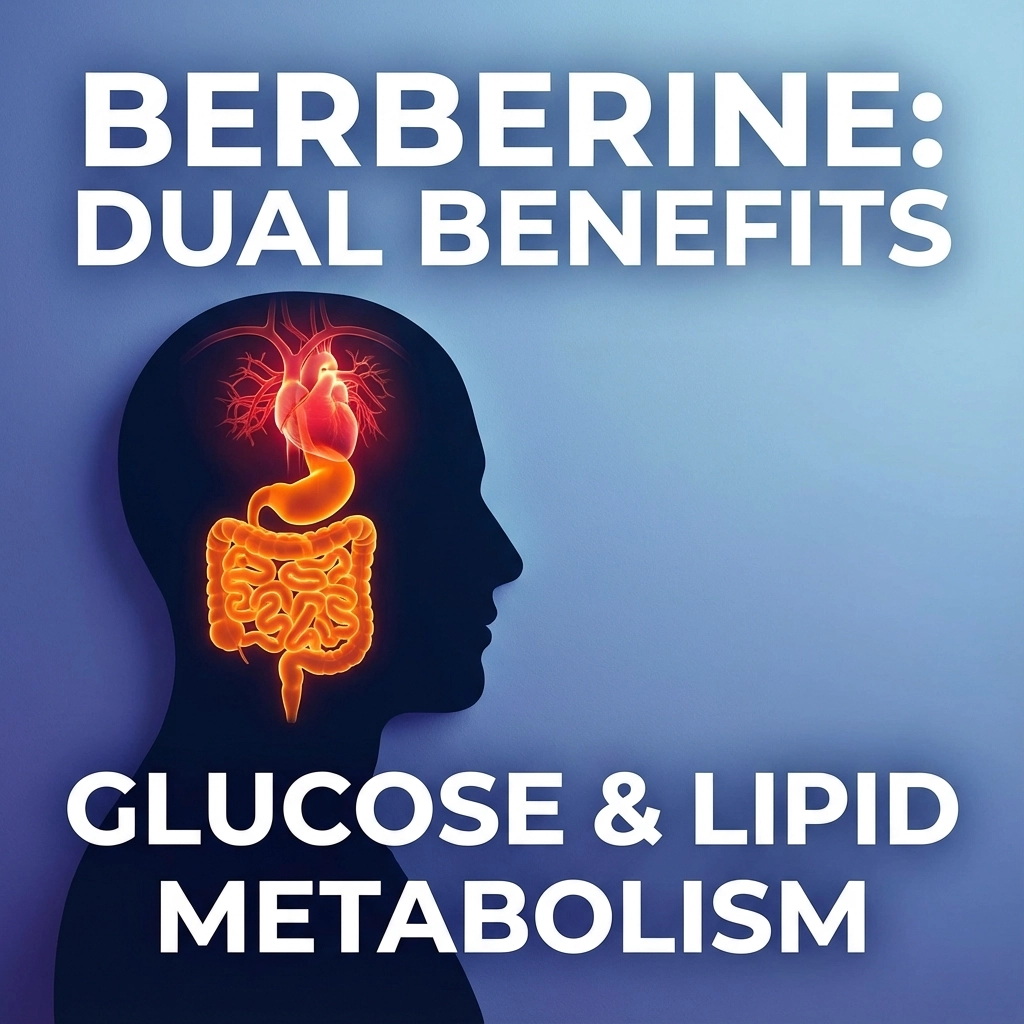
How They Work: Different Mechanisms, Similar Results
Both compounds improve blood sugar control but through different pathways:
Metformin:
- Reduces glucose production by the liver
- Improves insulin sensitivity in muscle tissue
- Slows glucose absorption in the intestines
Berberine:
- Activates AMPK (cellular energy sensor)
- Enhances insulin receptor expression
- Improves glucose uptake by cells
- Modulates gut bacteria to produce beneficial compounds
Interestingly, both drugs positively alter gut microbiota, enriching bacteria that produce short-chain fatty acids, beneficial compounds that help regulate metabolism.
Safety Profile and Side Effects
Berberine has demonstrated an excellent safety profile in clinical trials:
- No increased risk of dangerous low blood sugar (hypoglycemia)
- Lower overall incidence of adverse events compared to control groups
- Primary side effect: mild gastrointestinal discomfort (manageable by reducing dose to 300mg three times daily)
Metformin also has a well-established safety record:
- Generally well-tolerated
- Common gastrointestinal side effects (nausea, diarrhea)
- Rare risk of lactic acidosis in people with kidney problems
- Proven long-term cardiovascular benefits
Popular UK Berberine Brands and Dosage
Several reputable UK brands offer high-quality berberine supplements:
Recommended Dosage:
- Standard dose: 500mg three times daily (with meals)
- Alternative: 600mg twice daily
- Reduced dose for sensitive individuals: 300mg three times daily
What to Look For:
- Third-party tested products
- Berberine HCl (hydrochloride) form
- Capsules that protect from light and moisture
- Clear labeling of berberine content per serving
Real User Experiences from the UK
Many UK users report positive experiences with berberine:
Sarah, 52, Manchester: "I've been taking berberine for six months alongside dietary changes. My HbA1c dropped from 7.8% to 6.9%, and my GP was impressed with the improvement."
David, 45, Birmingham: "Started berberine when my pre-diabetes numbers were climbing. Three months later, my fasting glucose went from 6.4 to 5.8 mmol/L. The only side effect was some initial stomach upset that settled after a week."
Michelle, 38, London: "I take berberine for both blood sugar and cholesterol. My triglycerides have come down significantly, which my doctor said was unexpected from just dietary changes."
Combination Therapy: The Best of Both Worlds?
Emerging research suggests combining berberine with metformin may provide synergistic benefits. A six-month trial showed better blood sugar control in patients taking both compared to metformin alone. This approach may allow:
- Lower doses of each medication
- Reduced side effects
- Enhanced glucose control
- Additional lipid benefits from berberine
Comparison at a Glance
| Factor | Berberine | Metformin |
|---|---|---|
| Blood sugar reduction | Comparable to metformin | Gold standard effectiveness |
| Cholesterol effects | Significant improvement | Limited effects |
| Prescription required | No | Yes |
| Cardiovascular benefits | Under investigation | Proven in UKPDS |
| Side effects | Mild GI upset | Moderate GI effects |
| Cost | £15-30/month | £2-10/month (NHS) |
FAQs: Who Should Use What?
Q: Can I replace metformin with berberine? A: Never stop prescribed medication without consulting your healthcare provider. While berberine shows comparable effects, metformin has proven long-term cardiovascular benefits that berberine hasn't yet demonstrated.
Q: Who might benefit more from berberine? A: People with pre-diabetes, those with both blood sugar and cholesterol concerns, or individuals seeking natural alternatives as part of a comprehensive lifestyle approach.
Q: Can I take both together? A: Some research supports combination therapy, but this should only be done under medical supervision to monitor for interactions and adjust dosing.
Q: How long before I see results with berberine? A: Most studies show improvements within 4-12 weeks of consistent use. Blood sugar changes may be noticeable sooner, while cholesterol improvements typically take longer.
Q: Are there any drug interactions with berberine? A: Berberine can interact with certain medications, particularly those metabolized by specific liver enzymes. Always consult a healthcare provider before starting any new supplement.
When to Consult a Professional
Seek medical advice if you:
- Have diagnosed diabetes and take prescription medication
- Experience symptoms of high or low blood sugar
- Want to combine berberine with existing treatments
- Have kidney, liver, or heart conditions
- Take multiple medications that might interact
- Are pregnant or breastfeeding
The Bottom Line
While metformin remains the evidence-based first choice for diabetes treatment with proven cardiovascular benefits, berberine offers a compelling natural alternative with comparable blood sugar control and superior lipid effects. The choice between them: or whether to use both: depends on individual circumstances, current medications, and treatment goals.
For those seeking natural blood sugar support or dealing with both glucose and cholesterol concerns, berberine presents a scientifically-backed option. However, the decision should always involve healthcare professionals who can provide personalized guidance based on your complete health picture.
Remember, neither medication nor supplement replaces the fundamental importance of a healthy diet, regular exercise, and ongoing medical monitoring for optimal diabetes management.