More isn't always better: especially when it comes to supplements. While vitamins and minerals can fill nutritional gaps, taking too much can trigger a cascade of health problems that often get mistaken for other issues. Your body has limits on what it can process, and exceeding those limits comes with consequences.
Here's how to recognize the warning signs before over-supplementation causes serious damage.
Physical Symptoms That Signal You've Gone Too Far
Your body sends clear signals when you're overdoing supplements. The problem is that many people ignore these warnings or attribute them to other causes.
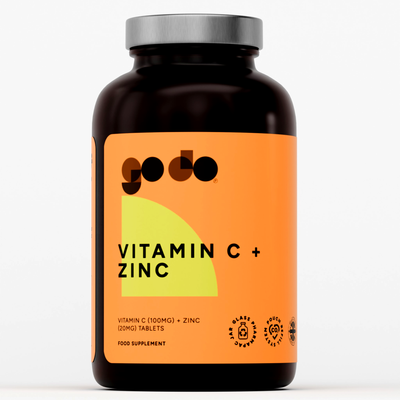
Digestive distress tops the list of early indicators. If you experience persistent nausea, diarrhea, vomiting, stomach cramps, or abdominal pain after starting a new supplement regimen, your gut is telling you something. Excess vitamin C and zinc are common culprits: both can irritate the digestive tract when taken in high doses. Fiber supplements cause bloating and gas when you exceed your body's processing capacity.
Neurological changes deserve immediate attention. Headaches, dizziness, tingling sensations in your hands or feet, and sleep disruptions can all indicate supplement toxicity. Iron overload specifically triggers dizziness and cognitive fog. If you're experiencing unexplained numbness or altered sensation, review your supplement stack immediately.

Cardiac symptoms require urgent medical evaluation. Heart palpitations, rapid heartbeat, or chest pain can result from supplements containing high caffeine levels or those that affect blood pressure regulation. If you notice any cardiac irregularities, stop supplementation and consult a physician the same day.
Skin and appearance changes often get overlooked. Rashes, allergic-type reactions, unexplained hair loss, and changes in skin tone can all signal your body is processing more nutrients than it can handle. Your urine color matters too: abnormally bright or dark urine, especially accompanied by yellowing skin, indicates potential liver stress from supplement overload.
Unexplained fatigue is particularly tricky because people often take more supplements when they feel tired, creating a vicious cycle. If your energy levels drop despite taking multiple vitamins, you might be experiencing the opposite of what you intended.
How Fat-Soluble Vitamins Accumulate and Cause Damage
Not all vitamins process the same way. Water-soluble vitamins (B-complex and C) flush out through urine relatively easily. Fat-soluble vitamins: A, D, E, and K: store in your body tissues and liver, creating cumulative toxicity risks that build over time.
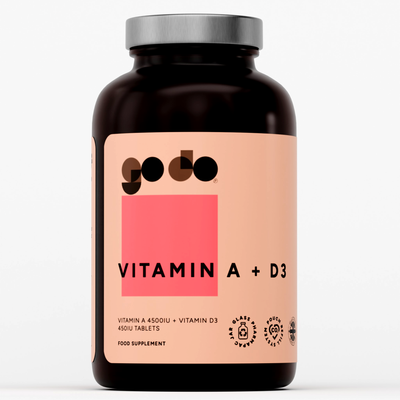
Vitamin A toxicity manifests in multiple ways. Headaches and blurred vision appear first, followed by liver damage in chronic cases. Excess vitamin A weakens bone density and increases fracture risk: the opposite of what most people expect from a "health" supplement. For pregnant women, vitamin A toxicity can cause severe birth defects. Maximum safe intake is 10,000 IU daily, but many multivitamins combined with fortified foods easily exceed this threshold.
Vitamin D overdose leads to hypercalcemia: too much calcium in your bloodstream. This causes nausea, weakness, and frequent urination initially. Long-term excess damages kidneys and creates calcium deposits in soft tissues including blood vessels and heart. Despite the current trend of high-dose vitamin D supplementation, more than 4,000 IU daily without medical supervision poses real risks.

Vitamin E excess thins your blood to dangerous levels. If you're taking blood-thinning medication or facing surgery, high vitamin E intake increases bleeding risk significantly. Doses above 1,000 mg daily can cause hemorrhagic complications.
Vitamin K rarely causes toxicity, but excessive supplementation interferes with blood-thinning medications like warfarin, creating dangerous clotting or bleeding situations depending on the interaction.
Mineral Overload: When Essential Nutrients Become Toxic
Minerals operate within narrow therapeutic windows. Small increases above optimal levels trigger toxic effects quickly.
Iron toxicity damages your liver and creates oxidative stress throughout your body. Early symptoms include nausea, vomiting, and abdominal pain. Chronic excess causes organ damage, particularly to your liver and heart. Unless diagnosed with iron-deficiency anemia, avoid supplements containing iron: you likely get adequate amounts from food.
Calcium overdose (hypercalcemia) alters your blood pH and impairs kidney function. Symptoms include bone pain, kidney stones, confusion, and irregular heartbeat. The push to supplement calcium for bone health has led many people: especially older women: to consume 2,000+ mg daily from combined sources, well above the 1,000-1,200 mg recommended maximum.

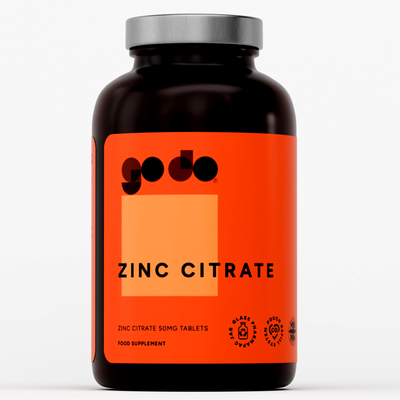
Zinc excess causes significant problems despite zinc's reputation as an immune booster. More than 40 mg daily triggers nausea, vomiting, loss of appetite, stomach cramps, and headaches. Long-term high doses interfere with copper absorption, leading to copper deficiency and neurological problems.
Selenium toxicity (selenosis) produces distinctive symptoms: hair loss, brittle nails, gastrointestinal upset, fatigue, irritability, and mild nerve damage. Many people take selenium for thyroid health without realizing they're already getting adequate amounts from food. The safe upper limit is 400 mcg daily: easy to exceed when combining supplements with selenium-rich foods like Brazil nuts.
Dangerous Nutrient Interactions You're Probably Missing
Your supplements compete for absorption and processing. Taking multiple products creates interactions that reduce effectiveness or increase toxicity.
Calcium blocks iron absorption when taken together. This compromises both supplements' benefits. If you need both, separate doses by at least two hours.
High-dose zinc inhibits copper absorption, potentially causing copper deficiency over time. This leads to anemia, bone abnormalities, and immune dysfunction: ironic outcomes when zinc is taken to boost immunity.
Vitamin C enhances iron absorption, which sounds beneficial but becomes problematic if you're already getting adequate iron. This combination accelerates iron overload in susceptible individuals.
Magnesium and calcium compete for absorption. Taking high doses of both simultaneously reduces the effectiveness of each. This matters particularly for people addressing specific deficiencies.
What Your Lab Results Actually Mean
Abnormal blood work often reveals over-supplementation before you feel symptoms. Key markers to monitor:
Elevated liver enzymes (ALT, AST) indicate your liver is stressed from processing excess nutrients. This commonly occurs with vitamin A, iron, and niacin overload.
Kidney function markers (creatinine, BUN) rise when calcium, vitamin D, or protein supplements exceed your kidneys' processing capacity.
Complete blood count changes can show iron overload (high ferritin, transferrin saturation) or vitamin B12 toxicity (elevated B12 levels with normal or low red blood cell parameters).
Request comprehensive nutrient testing if you've been supplementing heavily for more than three months. Don't assume you need more just because you're taking supplements: verify with actual measurements.
Immediate Steps If You Recognize These Signs
Stop doesn't mean taper: if you're experiencing toxicity symptoms, discontinue the suspect supplements immediately. Your body needs time to eliminate accumulated excess.
Document everything: Write down all supplements you're taking, including doses and timing. Bring this list to your healthcare provider.
Schedule comprehensive blood work: Request testing for vitamin D, iron studies (ferritin, transferrin saturation), liver function, kidney function, and any specific nutrients you've been supplementing heavily.
Review your food sources: Many fortified foods, protein powders, and energy bars contain added vitamins and minerals. You might be getting 200-300% of daily values from food alone before adding supplements.
Consult a registered dietitian: They can assess your actual nutrient needs based on your diet, health status, and lab results: not marketing claims or general recommendations.
Read labels carefully: "Natural" doesn't mean safe. Many plant-based supplements contain concentrated nutrients that accumulate to toxic levels just like synthetic versions.
The Bottom Line on Supplement Safety
Your body operates within specific nutrient ranges optimized through evolution. Exceeding these ranges doesn't create superhuman health: it creates metabolic stress and organ damage.
Most people need far fewer supplements than they're currently taking. Quality nutrition comes primarily from whole foods that provide nutrients in balanced, bioavailable forms your body recognizes and regulates naturally.
If you choose to supplement, do it strategically: test first, supplement specific deficiencies, use the lowest effective dose, monitor symptoms and lab work regularly, and reassess need every 3-6 months.
The goal is optimal health, not maximal supplementation. Sometimes the best thing you can do for your body is stop adding more and let your natural regulatory systems recover.
For guidance on structuring your overall wellness approach, including strength training recovery that complements rather than conflicts with your supplement strategy, explore our evidence-based resources at Fitness Health.