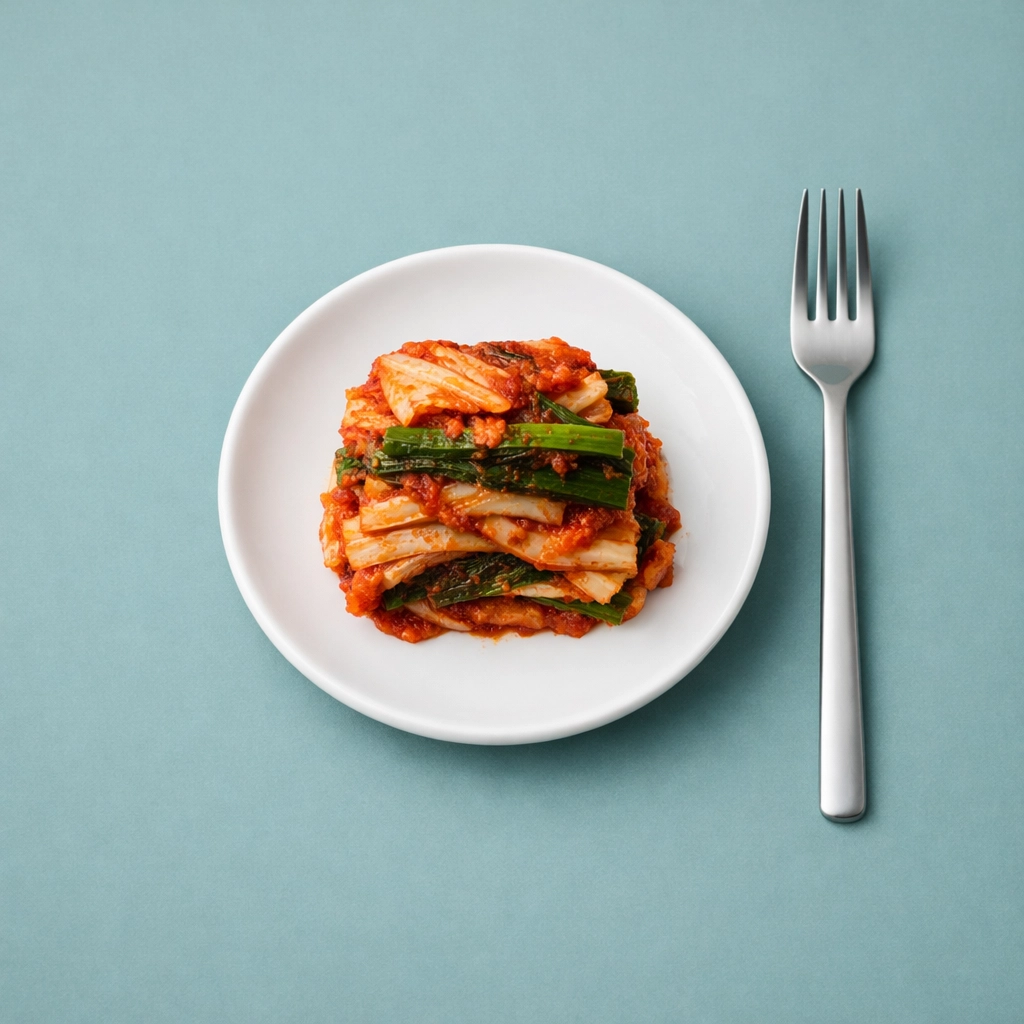
Fermentation is one of the oldest and most effective ways to preserve food and boost its nutritional value. At Fitness Health, we are big believers in the power of the gut microbiome. Fermented foods are packed with probiotics: the beneficial bacteria that support digestion, enhance nutrient absorption, and fortify your immune system.
However, many beginners feel intimidated by the idea of "leaving food out on the counter." While the process is generally safe and straightforward, there are specific rules you must follow to ensure your ferment is healthy, delicious, and free from harmful pathogens. Whether you are making sauerkraut, kimchi, or fermented pickles, this guide covers everything you need to know.
The Science of Fermentation: An Anaerobic Process
Before we dive into the list of rules, it is important to understand what is actually happening inside your jar. Vegetable fermentation primarily relies on Lacto-fermentation. Lactic-acid bacteria (LAB) are naturally present on the skins of fruits and vegetables. When placed in an environment without oxygen (anaerobic), these bacteria convert sugars into lactic acid.
This acid acts as a natural preservative, inhibiting the growth of harmful bacteria while giving fermented foods their signature tang. To help your gut health journey, you might also want to explore our Gut Health Collection for supplements that complement a fermented-rich diet.
The Essential "Dos" of Fermenting
To achieve a successful ferment, you need to create the perfect environment for beneficial bacteria to thrive. Follow these steps for the best results.
1. Do Keep Vegetables Submerged
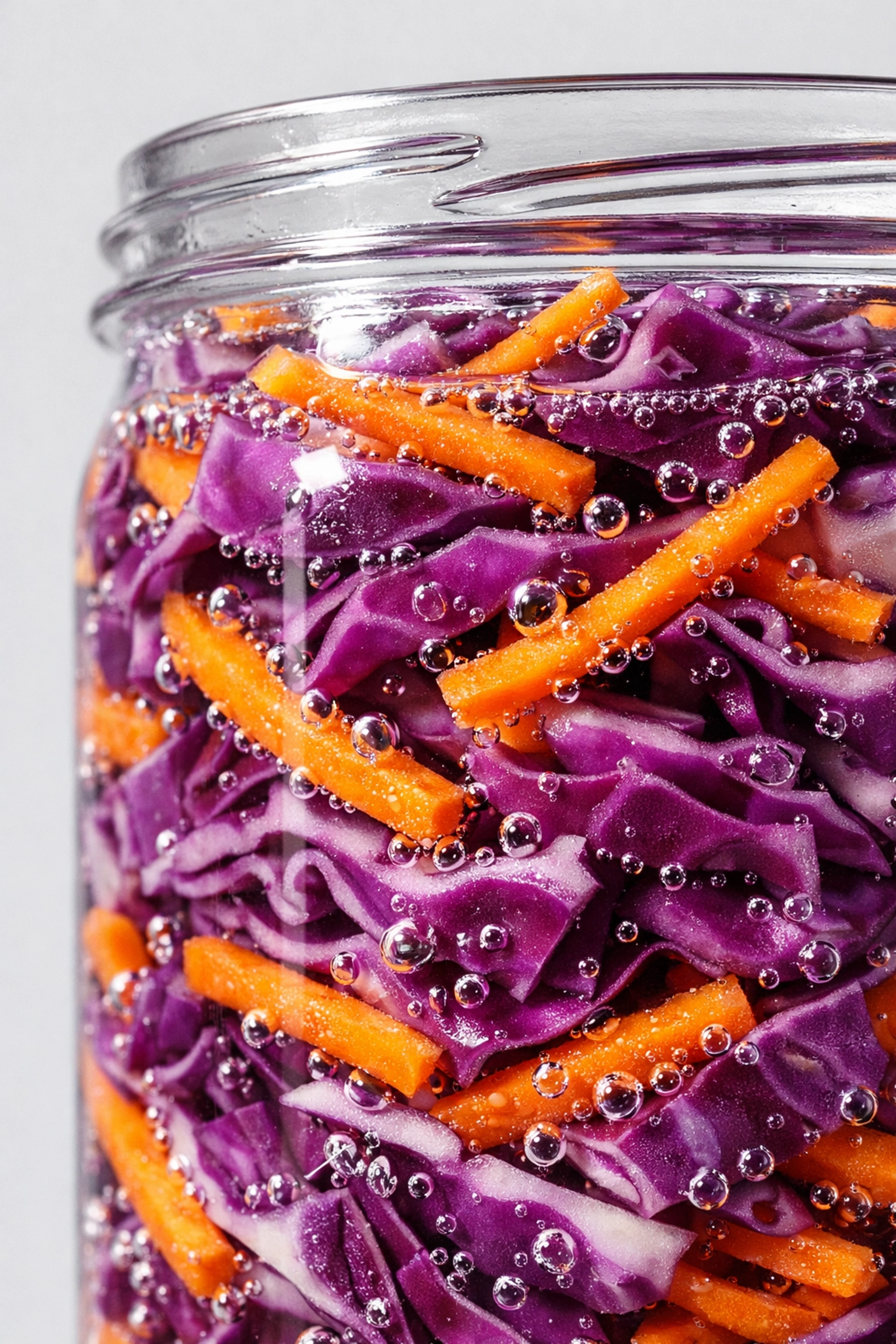
The most important rule in fermentation is: "Under the brine, everything is fine." Because fermentation is an anaerobic process, the vegetables must remain completely submerged under the liquid (the brine). If the vegetables are exposed to air, they are likely to develop mold or yeast.
- Pro Tip: Use glass fermentation weights, a clean cabbage leaf, or even a smaller glass jar filled with water to push your vegetables down below the liquid level.
2. Do Use the Right Salt
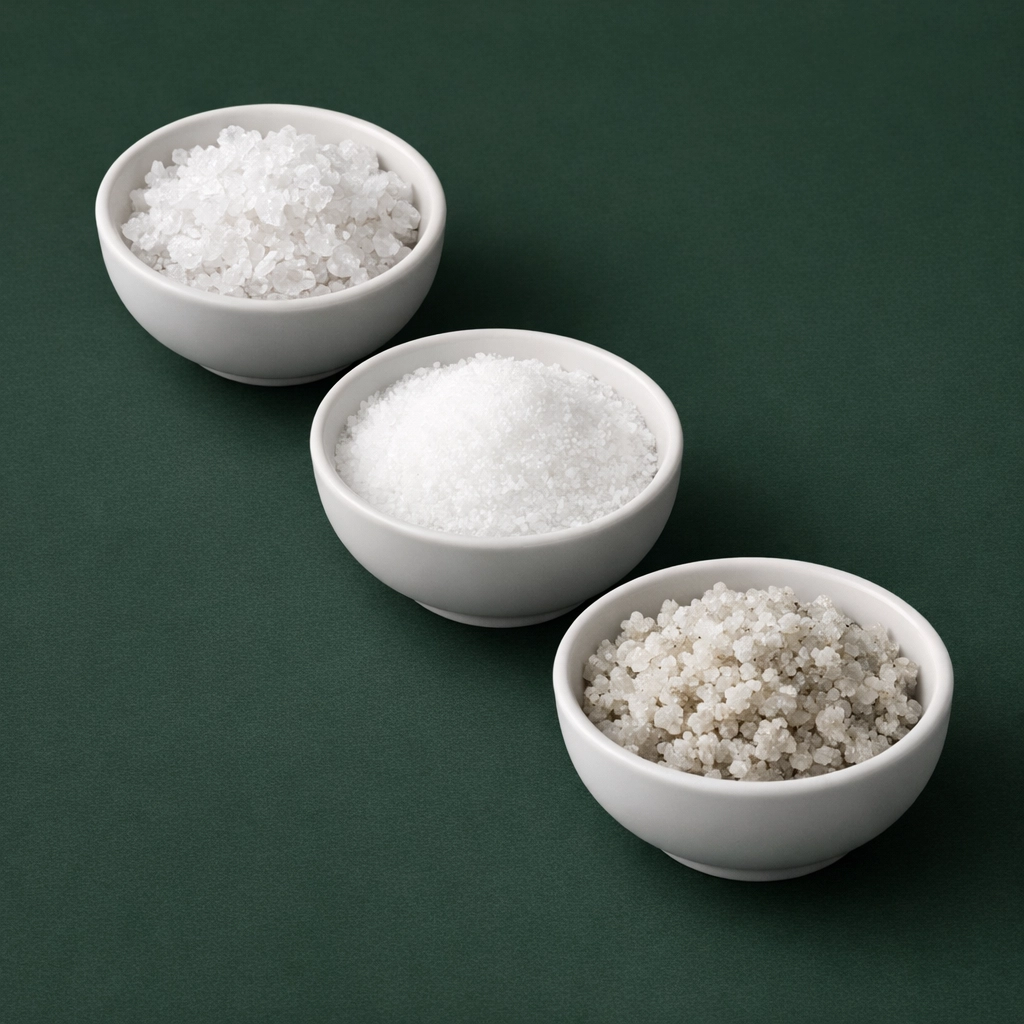
Salt is your most important tool. It draws moisture out of the vegetables to create the brine and creates an environment where "bad" bacteria cannot survive, but "good" bacteria can.
- Use: High-quality, unrefined sea salt or kosher salt.
- Avoid: Table salt with added iodine. Iodine is an antimicrobial agent that can kill the very bacteria you are trying to grow.
- The Ratio: A general rule of thumb is roughly 1.5 to 2 tablespoons of salt per kilogram (about 2.2 lbs) of vegetables.
3. Do Use Filtered Water
If your recipe requires adding water (like for fermented pickles), avoid using tap water straight from the sink. Most municipal water contains chlorine or fluoride, which are designed to kill bacteria. This can stall or completely stop your fermentation process.
- The Solution: Use filtered water or spring water. If you only have tap water, boil it and let it sit uncovered for 24 hours to allow the chlorine to dissipate before using it.
4. Do Maintain Strict Cleanliness
You don't need to sterilize your kitchen like a laboratory, but cleanliness is vital. Wash your jars, weights, and utensils thoroughly with hot, soapy water. Ensure your hands are clean before handling the produce. This prevents the introduction of unwanted competitive bacteria into the jar.
5. Do Control the Temperature
The ideal temperature for most vegetable ferments is between 18°C and 22°C (64°F to 72°F).
- If it’s too hot: The fermentation happens too quickly, often resulting in mushy vegetables or "off" flavors.
- If it’s too cold: The process will slow down significantly, sometimes taking weeks to show any signs of activity.
Keep your jars in a cool, dark corner of your kitchen away from direct sunlight, which can fluctuate temperatures and degrade nutrients.
6. Do Burp Your Jars
As bacteria consume sugars, they release carbon dioxide (CO2). If you are using a standard Mason jar with a tight lid, this gas can build up and create significant pressure.
- The Fix: "Burp" your jars once a day by slightly unscrewing the lid to let the gas escape, then tightening it again. Alternatively, invest in a fermentation airlock, which allows gas to escape automatically without letting oxygen in.
The Critical "Don’ts" of Fermenting
Avoiding these common mistakes will save you from wasting produce and ensure your ferments are safe for consumption.
1. Don’t Use Plastic Containers
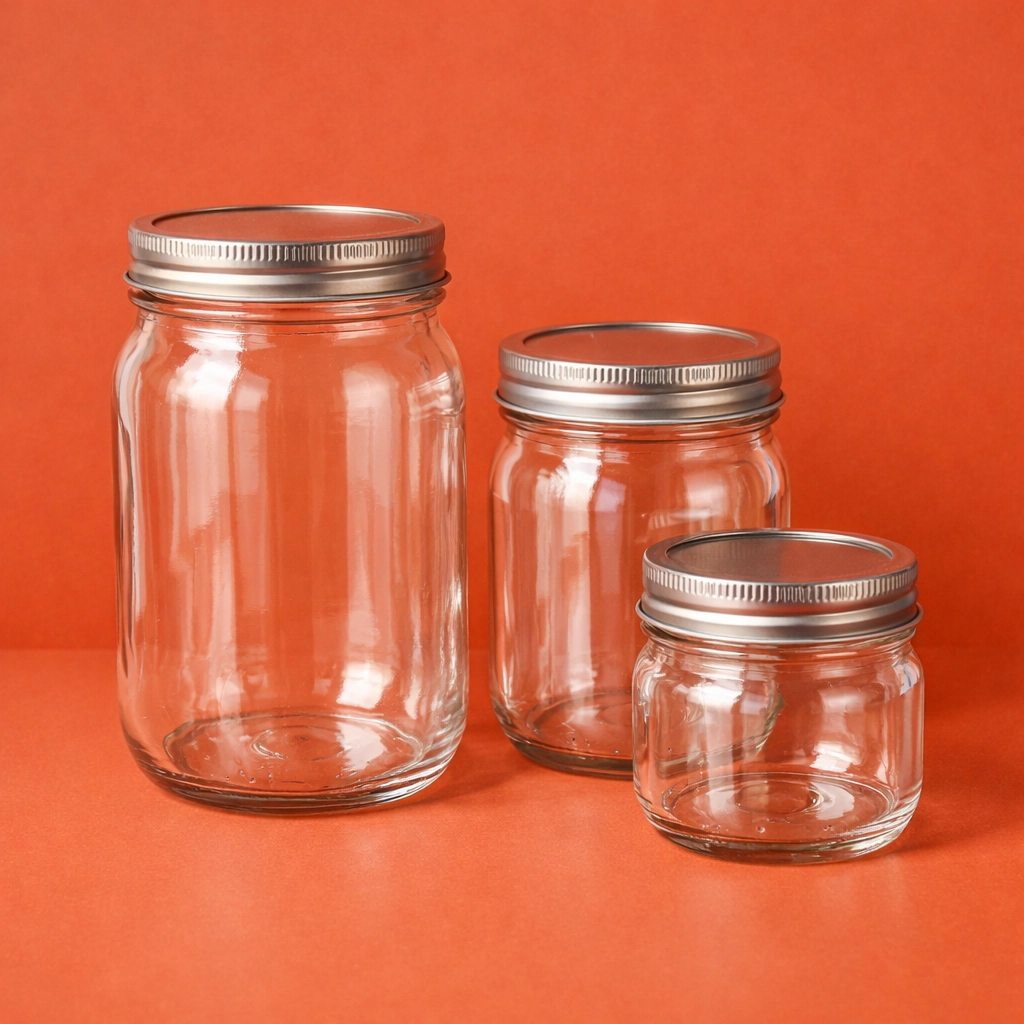
Plastic can leach chemicals like BPA into your food, especially as the acidity of the ferment increases over time. Additionally, plastic is porous and can harbor old bacteria or odors from previous batches.
- Always Use: Glass jars (like Mason or Weck jars) or lead-free ceramic crocks. These are non-reactive and easy to clean.
2. Don’t Use Low-Quality Produce
The quality of your ferment is directly tied to the quality of your ingredients. Old, limp, or pesticide-laden vegetables won't ferment as well.
- Why Organic? Pesticides and herbicides can inhibit the growth of the natural lactic-acid bacteria on the skins of the produce.
- Freshness Matters: Fresh vegetables have higher water content, which makes it easier to create a natural brine.
3. Don’t Over-Scrub or Peel
While cleanliness is important, you don't want to remove the "starters." The bacteria needed for fermentation live on the surface of the vegetables. Gently rinse your produce to remove dirt, but avoid aggressive scrubbing or peeling unless the recipe specifically calls for it.
4. Don’t Use Powdered or Dried Spices
When flavoring your ferments, stick to whole spices like peppercorns, mustard seeds, or whole cloves of garlic. Powdered spices can make the brine cloudy and may clump together, sometimes causing the ferment to spoil or develop "off" textures.
5. Don’t Open the Jar Constantly
It’s tempting to check on your progress, but every time you open the jar, you introduce oxygen and potential mold spores. During the first 7 days, try to keep the jar closed as much as possible, only opening it briefly to burp it or to ensure the veggies are still submerged.
Safety and Troubleshooting: Is My Ferment Bad?
One of the biggest concerns for new fermenters is safety. Here is how to distinguish a healthy ferment from a failed one.
Kahm Yeast vs. Mold
- Kahm Yeast: This is a white, thin, flat, and often wavy-looking film that forms on the surface of the brine. It is harmless but can affect the flavor if left too long. You can simply scrape it off.
- Mold: Mold is usually fuzzy and can be green, black, or pink. If you see fuzzy mold, discard the entire batch. Do not try to save the vegetables underneath, as mold spores can penetrate deep into the jar.
The "Smell Test"
A healthy ferment should smell sour, tangy, or vinegary: much like a pickle. It may smell strong, but it should not smell like rotting food or putrefaction. If it smells "rotten," something went wrong, and it’s time to toss it.
Cloudy Brine
Don’t panic if your brine turns cloudy. This is a perfectly normal sign that the lactic-acid bacteria are doing their job. It is one of the first signs that fermentation is successful.
Why Fermenting Fits Your Fitness Routine
At Fitness Health, we know that physical performance starts from the inside out. A healthy gut contributes to better energy levels, reduced inflammation, and a stronger immune response. By incorporating fermented foods into your diet, you are providing your body with the tools it needs to recover and thrive.
If you are looking to further boost your health, consider checking out our Antioxidants collection or our Immunity supplements to work alongside your new probiotic-rich diet.
Summary Checklist for Success
To make things easy, here is your quick-start checklist:
- Clean everything with hot soapy water.
- Chop your veggies and weigh them to calculate your salt (roughly 2%).
- Pack them tightly into a glass jar.
- Keep them submerged below the brine level at all times.
- Use non-iodized salt and filtered water.
- Store at 18-22°C in a dark spot.
- Burp the jar daily to release CO2.
- Wait 1-4 weeks, depending on how tangy you like your food!
Fermentation is a skill that improves with practice. Start small with a simple jar of sauerkraut (just cabbage and salt) and expand your repertoire as you get more comfortable. For more health tips or if you have questions about your wellness journey, feel free to visit our Help page or contact us directly.
Happy fermenting!