Walk into any gym, scroll through fitness social media, or peek inside a health-conscious colleague's desk drawer, and the same product appears repeatedly: brightly coloured electrolyte packets promising optimal hydration, enhanced performance, and sustained energy. The electrolyte supplement market has exploded over the past five years, with brands like LMNT leading a cultural shift that has people questioning whether plain water is actually enough.
But beneath the influencer endorsements and sleek branding lies a genuine question: who actually needs electrolyte packets, and who is simply paying premium prices for flavoured salt water?
The Electrolyte Packet Explosion
The modern electrolyte packet phenomenon can trace its roots to a convergence of dietary trends and athletic performance research. LMNT, one of the market leaders, emerged specifically to serve communities following low-carbohydrate, ketogenic, and intermittent fasting protocols: dietary approaches that genuinely do alter electrolyte balance.
The formula is straightforward: 1,000 mg of sodium, 200 mg of potassium, and 60 mg of magnesium per serving. Zero sugar, no artificial colours, and a clean ingredient list that appeals to health-conscious consumers tired of neon-coloured sports drinks loaded with high-fructose corn syrup.
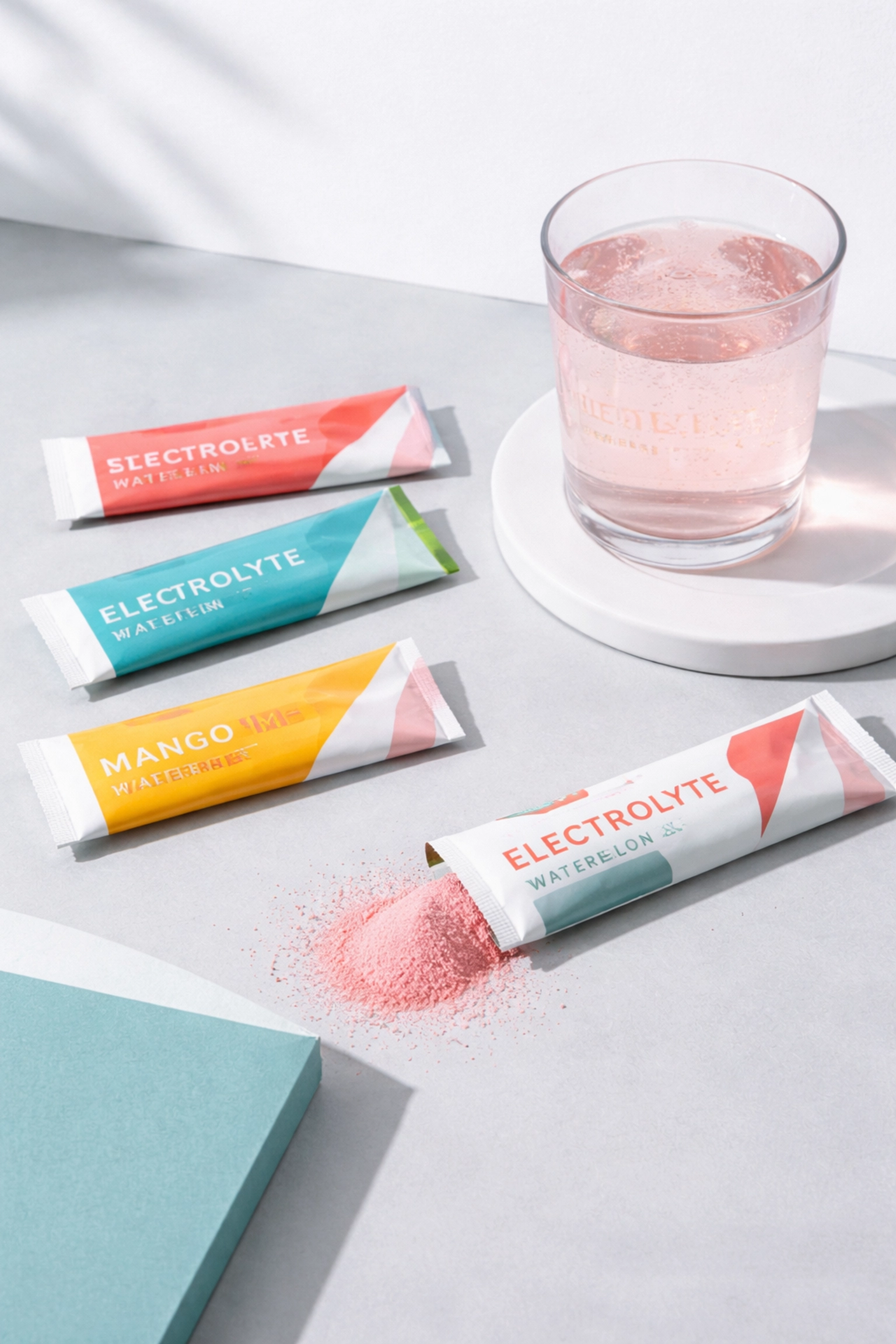
This positioning struck a nerve. Electrolyte packets became status symbols in certain fitness circles, signalling both dedication to performance and alignment with particular dietary philosophies. The visual of tearing open a packet and stirring it into a water bottle became almost ritualistic.
The Science Behind Sodium and Hydration
Understanding why electrolyte packets have gained such traction requires examining how the body actually manages fluid balance. Water alone does not hydrate cells efficiently. Sodium acts as the primary driver of fluid absorption and retention, pulling water into cells through osmotic gradients.
When sodium levels drop too low: a condition called hyponatremia: symptoms include:
- Fatigue and brain fog
- Muscle cramps and weakness
- Headaches
- Dizziness and nausea
- In severe cases, seizures
The body loses sodium primarily through sweat, urine, and respiration. Heavy exercisers, those working in hot environments, and individuals following certain dietary patterns lose substantially more sodium than sedentary people consuming standard Western diets.
Here's where context matters enormously. The average UK diet contains approximately 8g of salt daily (roughly 3,200mg of sodium), well above the recommended 6g maximum. Most sedentary individuals consuming typical diets are not sodium-deficient. They're sodium-excessive.
Who Actually Needs Electrolyte Packets?
The electrolyte packet industry thrives partly on genuine need and partly on perceived deficiency. Separating these categories clarifies who benefits most from supplementation.
Genuine Candidates for Electrolyte Supplementation
Endurance athletes: Anyone training for more than 60-90 minutes, particularly in warm conditions, loses significant sodium through sweat. Marathon runners, cyclists, and triathletes have documented sodium losses of 500-2,000mg per hour of intense exercise. For these individuals, electrolyte packets serve a legitimate performance and safety function.
Low-carbohydrate dieters: Ketogenic and very low-carb diets cause the kidneys to excrete sodium more rapidly. When carbohydrate intake drops, insulin levels fall, and the kidneys respond by releasing sodium and water. This explains the rapid initial weight loss on such diets: and the fatigue, headaches, and muscle cramps commonly called "keto flu." Electrolyte supplementation genuinely helps during this transition.
Fasting individuals: Extended fasting and even intermittent fasting protocols can deplete electrolytes, particularly when combined with coffee consumption (a mild diuretic).
Heavy sweaters: Individual variation in sweat composition is substantial. Some people lose 3-4 times more sodium per litre of sweat than others. Those who notice white residue on workout clothing or experience frequent cramping may benefit from targeted supplementation.

Those Who Probably Don't Need Them
Sedentary individuals eating standard diets: Most people sitting at desks, exercising moderately, and consuming normal food get adequate: often excessive: sodium from their meals. Adding electrolyte packets simply increases an already sufficient intake.
Light exercisers: A 30-minute walk or casual gym session rarely depletes electrolytes meaningfully. Water handles hydration adequately for most moderate activity.
Those using electrolytes as a general wellness supplement: The marketing around electrolyte packets often suggests everyone is chronically dehydrated and mineral-depleted. For the majority of the population, this simply isn't accurate.
The Cost-Benefit Analysis
Premium electrolyte packets typically cost £1.50-£2.50 per serving. For someone using them daily, that adds up to £45-£75 monthly: a significant supplement expense.
The irony is that the active ingredients are remarkably inexpensive. Table salt (sodium chloride), lite salt (sodium and potassium chloride), and magnesium supplements cost pennies per serving when purchased separately.
DIY Electrolyte Solutions
Those who genuinely need electrolyte supplementation can create effective solutions at home:
Basic electrolyte drink:
- 1/4 teaspoon table salt (roughly 600mg sodium)
- 1/4 teaspoon lite salt (adds potassium)
- Squeeze of lemon or lime for flavour
- 500ml water
Post-workout recovery drink:
- 1/2 teaspoon salt
- 1/4 teaspoon lite salt
- Splash of fruit juice for taste and minimal carbohydrates
- 750ml water
Total cost: approximately 5-10p per serving.
The difference between this and premium electrolyte packets is primarily flavouring, convenience, and branding. The electrolytes themselves are identical.
The Influencer Marketing Factor
Understanding the electrolyte packet phenomenon requires acknowledging the role of influencer partnerships. Many popular health and fitness personalities receive sponsorship deals from electrolyte brands, creating a feedback loop where supplementation appears universal and essential.
Podcast hosts mention their favourite electrolyte packets. Instagram athletes share discount codes. YouTube fitness channels feature electrolyte brands in nearly every video. This saturation creates the impression that everyone serious about health uses these products.

The marketing messaging often leans on fear: "You're chronically dehydrated." "Water isn't enough." "Your headaches are probably electrolyte deficiency." While sometimes accurate, these claims are overgeneralized to populations that don't match the evidence.
When Electrolyte Packets Make Sense
Rather than dismissing electrolyte packets entirely or embracing them uncritically, a practical approach considers individual context:
Use electrolyte packets when:
- Training intensely for over 60 minutes
- Exercising in hot or humid conditions
- Following strict low-carbohydrate or ketogenic diets
- Practising extended or regular fasting
- Experiencing symptoms of electrolyte depletion (cramps, fatigue, dizziness) during or after exercise
Skip electrolyte packets when:
- Engaging in light to moderate exercise
- Eating a varied diet with normal salt intake
- Not experiencing any symptoms of depletion
- Using them primarily because social media suggests everyone should
For those exploring nutrition strategies to support training, electrolyte management represents just one piece of a larger puzzle.
Finding Quality Electrolyte Formulations
Those who determine they genuinely benefit from electrolyte supplementation should prioritise products with:
- Transparent ingredient lists
- Adequate sodium content (500-1,000mg per serving for athletic use)
- Balanced potassium and magnesium
- No excessive added sugars or artificial additives
- Third-party testing for quality assurance
Avoid products that:
- Contain minimal electrolytes despite marketing claims
- Load up on sugar or artificial sweeteners
- Cost dramatically more than comparable formulations
- Make exaggerated health claims
The Bottom Line
The electrolyte packet trend represents a mixture of legitimate science, smart marketing, and social media influence. For specific populations: endurance athletes, low-carb dieters, heavy sweaters, and those in hot climates: electrolyte supplementation addresses real physiological needs.
For the majority of moderately active individuals eating normal diets, electrolyte packets are an expensive solution to a problem that doesn't exist. A pinch of salt in water achieves the same result for those rare occasions when extra sodium actually helps.
The key is honest self-assessment. Understanding personal activity levels, dietary patterns, and actual symptoms allows for informed decisions about whether electrolyte packets represent a worthwhile investment or simply flavoured salt water with premium branding.