![[HERO] Salmon Fish Cakes: A High-Protein Recipe for Brain & Heart Health](https://cdn.marblism.com/OsRzqfo4zJ0.webp)
Let's be honest. You're busy. Between work deadlines, gym sessions, and trying to maintain some semblance of a social life, the last thing you want is a complicated recipe that requires seventeen ingredients and three hours of your precious evening.
Enter salmon fish cakes. These crispy, golden discs of deliciousness pack a serious nutritional punch while taking roughly 20 minutes from start to plate. We're talking 16-21 grams of protein per serving, brain-boosting omega-3s, and a recipe so simple you could make it half asleep on a Tuesday night.
This salmon fish cakes recipe isn't just convenient. It's genuinely good for you. Your brain and heart will thank you, and your taste buds won't feel like they've been sacrificed at the altar of "healthy eating."
Why Salmon Fish Cakes Deserve a Spot in Your Meal Rotation
Salmon fish cakes have been around for generations, and there's a good reason they've stuck around. They're affordable (canned salmon works brilliantly), they're versatile, and they deliver serious nutrition without requiring culinary school credentials.
A single serving typically contains:
- 16-21 grams of protein for muscle maintenance and satiety
- Omega-3 fatty acids (approximately 1 gram per serving)
- 200-280 calories depending on preparation method
- Vitamin D and selenium for overall wellness
For busy professionals looking to fuel their bodies properly, this salmon fish cakes recipe ticks every box. High protein brain health support? Check. Heart-healthy fats? Absolutely. Ready in under half an hour? You bet.
The Brain Benefits: Why Your Neurons Love Omega-3s
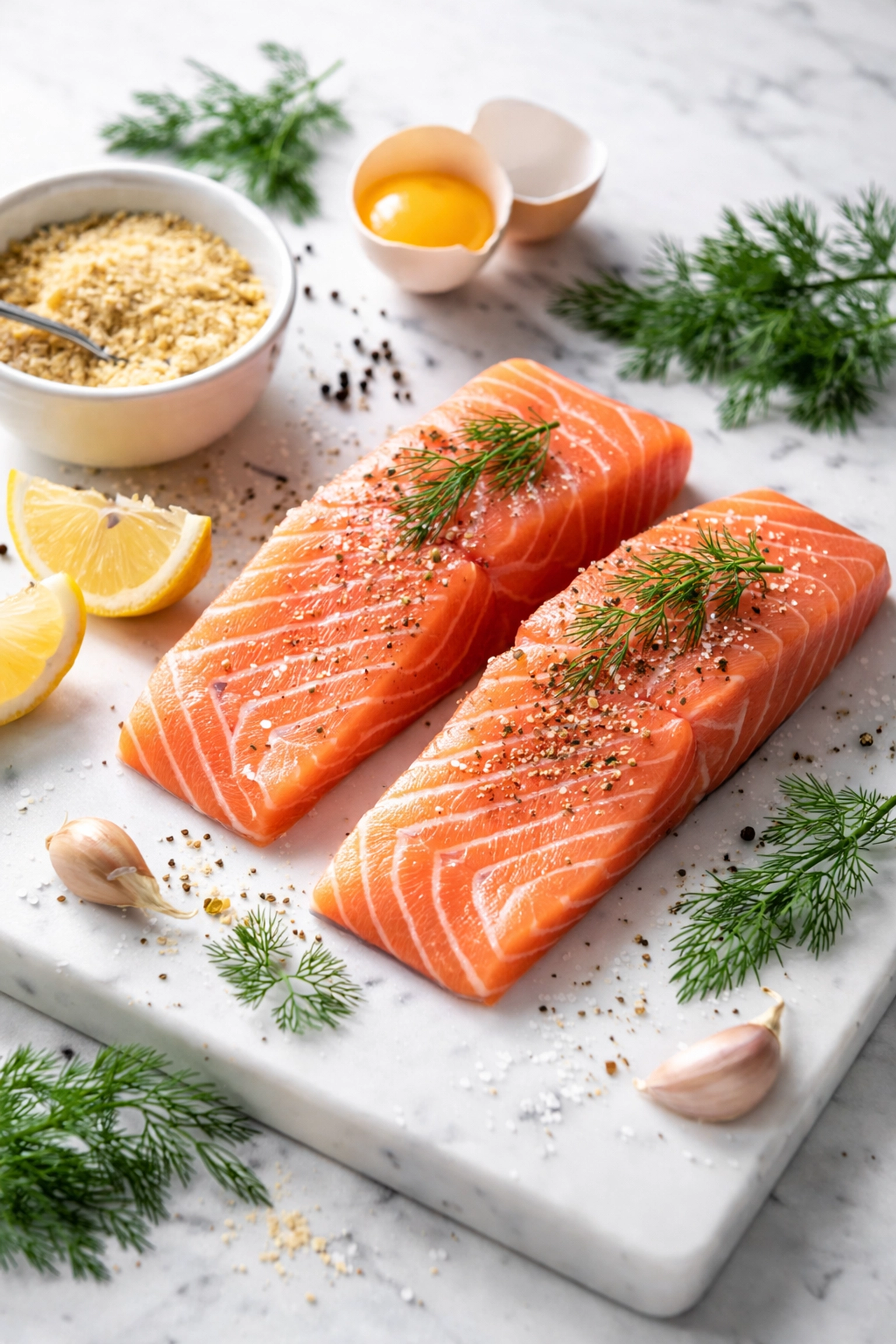
Here's the thing about your brain: it's roughly 60% fat, and it's particularly fond of omega-3 fatty acids. DHA (docosahexaenoic acid), one of the primary omega-3s found in salmon, makes up a significant portion of your brain's grey matter.
When you eat salmon regularly, you're essentially giving your brain the building blocks it needs to function optimally. Research consistently shows that omega-3 consumption supports:
- Cognitive function and memory
- Focus and concentration
- Mood regulation
- Protection against age-related cognitive decline
Medical recommendations suggest consuming 250-1,000 milligrams of long-chain omega-3s daily. Eating seafood twice weekly gets you well within that range, and salmon fish cakes make hitting that target remarkably easy.
If you're interested in other ways to support mental wellness through nutrition, check out our guide on top supplements for mental health.
Heart Health: The Cardiovascular Case for Salmon
Your heart pumps roughly 2,000 gallons of blood through your body every single day. It deserves better than a diet of processed convenience foods.
Omega-3 fatty acids (specifically EPA and DHA) support cardiovascular health in several key ways:
- Reducing triglyceride levels in the bloodstream
- Supporting healthy blood pressure
- Decreasing inflammation throughout the cardiovascular system
- Promoting healthy cholesterol ratios
The American Heart Association recommends eating fatty fish at least twice per week. This salmon fish cakes recipe makes that recommendation genuinely enjoyable rather than a chore.
Combined with regular cardio exercise, a diet rich in omega-3s creates a solid foundation for long-term heart health.

The High-Protein Salmon Fish Cakes Recipe
Right, let's get to the good stuff. This recipe serves 4 (or 2 if you're particularly hungry) and takes approximately 20 minutes from start to finish.
Ingredients
- 2 cans (5 oz each) wild-caught salmon, drained thoroughly
- 1/2 cup breadcrumbs (use almond flour for gluten-free or keto)
- 1 large egg, beaten
- 2 tablespoons mayonnaise (or Greek yogurt for a lighter option)
- 1 tablespoon Dijon mustard
- 2 tablespoons fresh dill or parsley, finely chopped
- 1 tablespoon lemon juice
- 1/4 teaspoon black pepper
- Pinch of salt
- 2 tablespoons olive oil for cooking
Instructions
Step 1: Prep the salmon. Open your cans and drain them completely. Transfer the salmon to a large mixing bowl and use a fork to break it into small flakes. Remove any bones or skin if present (though the small bones are edible and add calcium).
Step 2: Combine the wet ingredients. In a small bowl, whisk together the beaten egg, mayonnaise, Dijon mustard, and lemon juice until smooth.
Step 3: Mix everything together. Pour the wet mixture over the flaked salmon. Add the breadcrumbs, fresh herbs, salt, and pepper. Mix thoroughly until all ingredients are evenly distributed. The mixture should hold together when pressed.
Step 4: Form the patties. Divide the mixture into 4 equal portions. Shape each portion into a patty approximately 3/4 inch thick. If the mixture feels too wet, add another tablespoon of breadcrumbs.
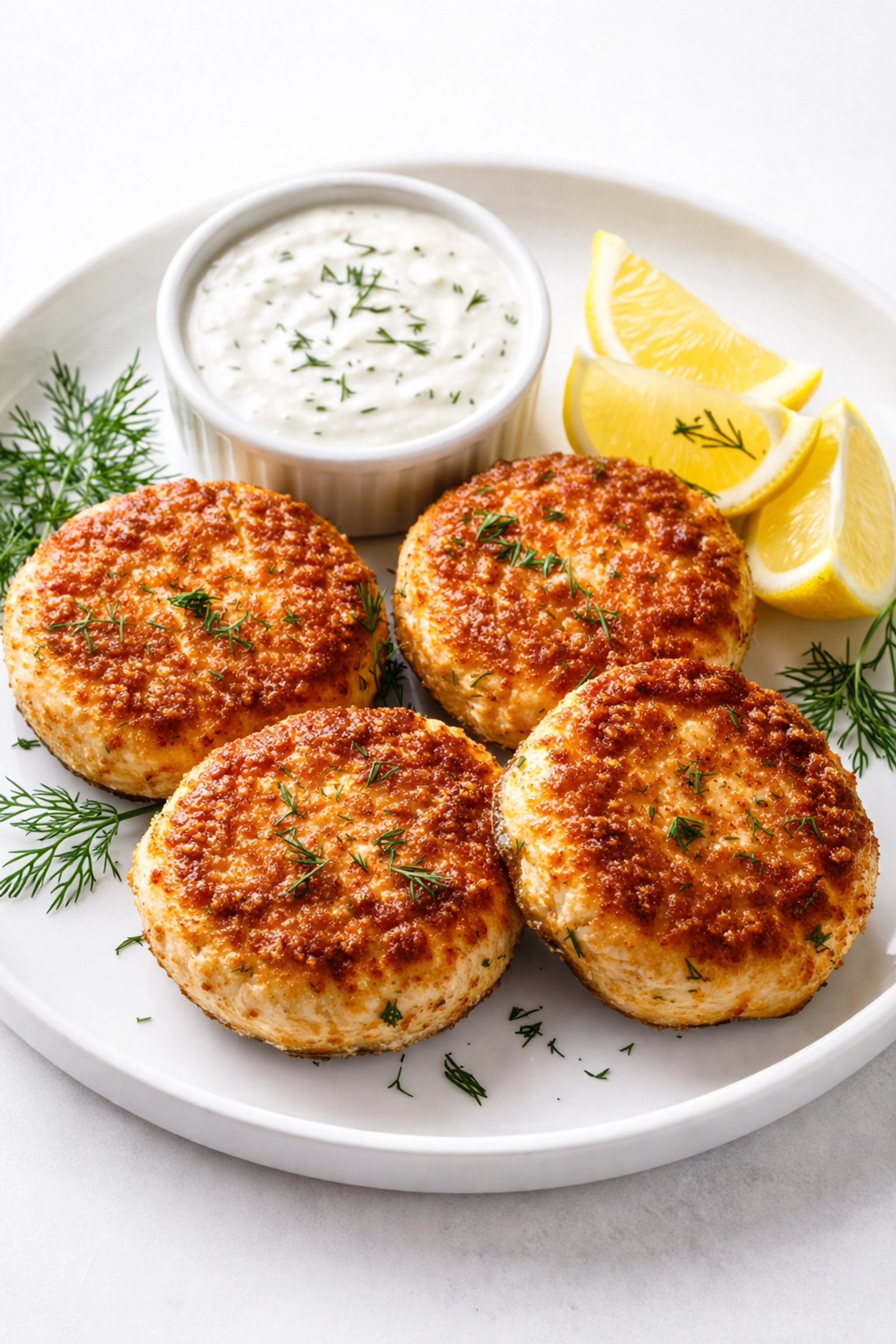
Step 5: Cook the fish cakes. Heat olive oil in a large non-stick pan over medium heat. Once the oil shimmers, add the patties. Cook for 3-4 minutes per side until golden brown and crispy. Avoid moving them around too much: let them develop that gorgeous crust.
Step 6: Serve immediately. These are best eaten fresh and hot, though they reheat well for meal prep purposes.
Healthier Cooking Alternatives
If you want to reduce the fat content, baking works brilliantly:
- Preheat your oven to 400°F (200°C)
- Place patties on a lined baking sheet
- Lightly brush or spray with olive oil
- Bake for 20 minutes, flipping halfway through
The texture differs slightly from pan-frying: less crispy exterior, but still delicious and noticeably lighter.
Storage and Meal Prep Tips
One of the best things about this salmon fish cakes recipe is how well it fits into a meal prep routine. Here's what you need to know:
Refrigerator storage: Cooked salmon cakes keep for up to 3 days in an airtight container. Reheat in a pan over medium heat for 2-3 minutes per side to restore crispiness.
Freezer storage: Freeze cooked patties for up to 2 months. Place parchment paper between each patty to prevent sticking. Thaw in the refrigerator overnight before reheating.
Uncooked patties: Form patties and freeze raw for up to 1 month. Cook directly from frozen, adding 2-3 minutes to each side's cooking time.
For a complete high-protein day, pair these with one of our quick high-protein breakfast ideas.
Dietary Adaptations
Gluten-free: Substitute regular breadcrumbs with almond flour, crushed gluten-free crackers, or certified gluten-free breadcrumbs.
Keto-friendly: Use almond flour instead of breadcrumbs and choose full-fat mayonnaise. This drops the carbohydrate content significantly while maintaining excellent texture.
Dairy-free: This recipe is naturally dairy-free. Just ensure your chosen mayonnaise doesn't contain dairy-derived ingredients.
Lower sodium: Use fresh salmon instead of canned, and skip the added salt entirely.
Serving Suggestions
These salmon fish cakes work brilliantly as:
- A protein-packed main served over mixed greens with lemon vinaigrette
- Burger-style in a whole grain bun with avocado and tomato
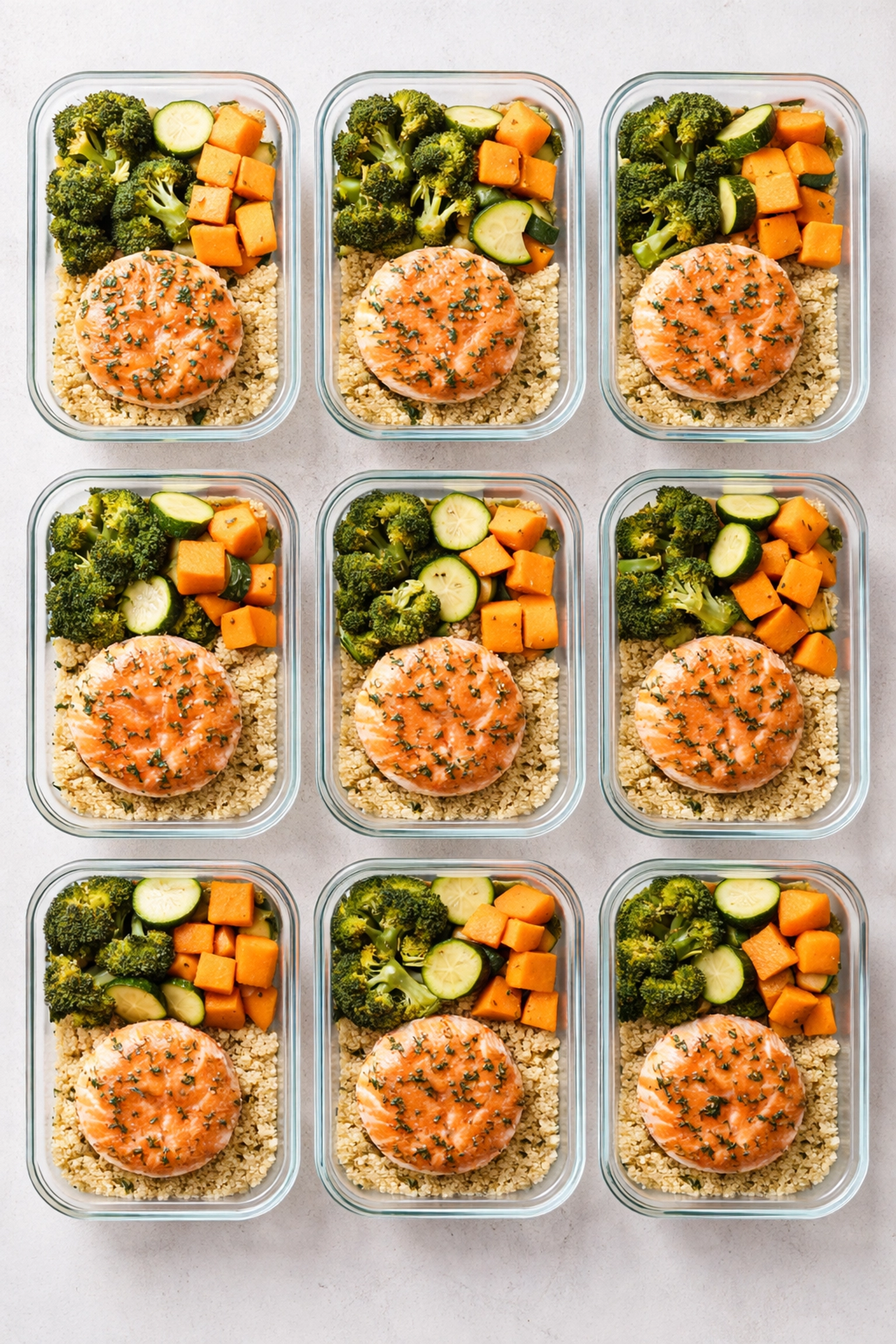
- Meal prep lunches alongside roasted vegetables and quinoa
- Appetiser portions shaped smaller and served with a dill yogurt dip
The Bottom Line
This salmon fish cakes recipe delivers exactly what busy professionals need: maximum nutrition with minimum fuss. You get high-quality protein for sustained energy, omega-3 fatty acids for brain and heart health, and a meal that actually tastes like something you'd order at a restaurant.
High protein brain health support doesn't have to be complicated or time-consuming. Sometimes the simplest recipes are the most powerful.
Make a batch this week. Your brain, heart, and taste buds will all be better for it.
For more nutrition guidance tailored to your health goals, explore our full nutrition blog or browse our supplement collection for additional support.