If you want to swim faster, you usually think about yardage. You think about your high-elbow catch, your kick rhythm, or how many laps you can cram into a sixty-minute session. But in 2026, the elite swimming community has shifted its focus. We aren't just looking at the water anymore; we’re looking at the engine driving the movement: your lungs.
Lung capacity isn't just a fixed stat you’re born with. It’s a trainable asset. While time in the pool is essential, the constraints of water: like the pressure on your chest and the rhythmic restriction of when you can actually take a breath: can sometimes hinder your ability to focus purely on respiratory mechanics. That’s where dry-land breathing drills come in.
By training your respiratory system on land, you can isolate the muscles involved in breathing, increase your CO2 tolerance, and build a more efficient "internal bellows." Here are three powerhouse drills to help you dominate your next pool session, along with the science of why they work.
The Science: Why Dry-Land Training Works
When you swim, your body is under constant "air hunger." Your brain monitors the buildup of carbon dioxide (CO2) more than the lack of oxygen. That "I need to breathe" panic? That’s CO2 talking. Dry-land drills allow you to train your brain and nervous system to handle higher levels of CO2 without hitting the panic button.
Furthermore, breathing is a muscular action. Your diaphragm and intercostal muscles (the ones between your ribs) do the heavy lifting. Just like you’d hit the gym for compound vs isolation exercises to build your quads or lats, you need specific movements to strengthen these respiratory muscles.
Drill 1: Deep Breathing Wall Sits (The Powerhouse)
This is a favorite in 2026 high-performance circles because it mimics the "stress-loading" of a race. You aren't just breathing in a vacuum; you’re breathing while your lower body is screaming for oxygen.
How to do it:
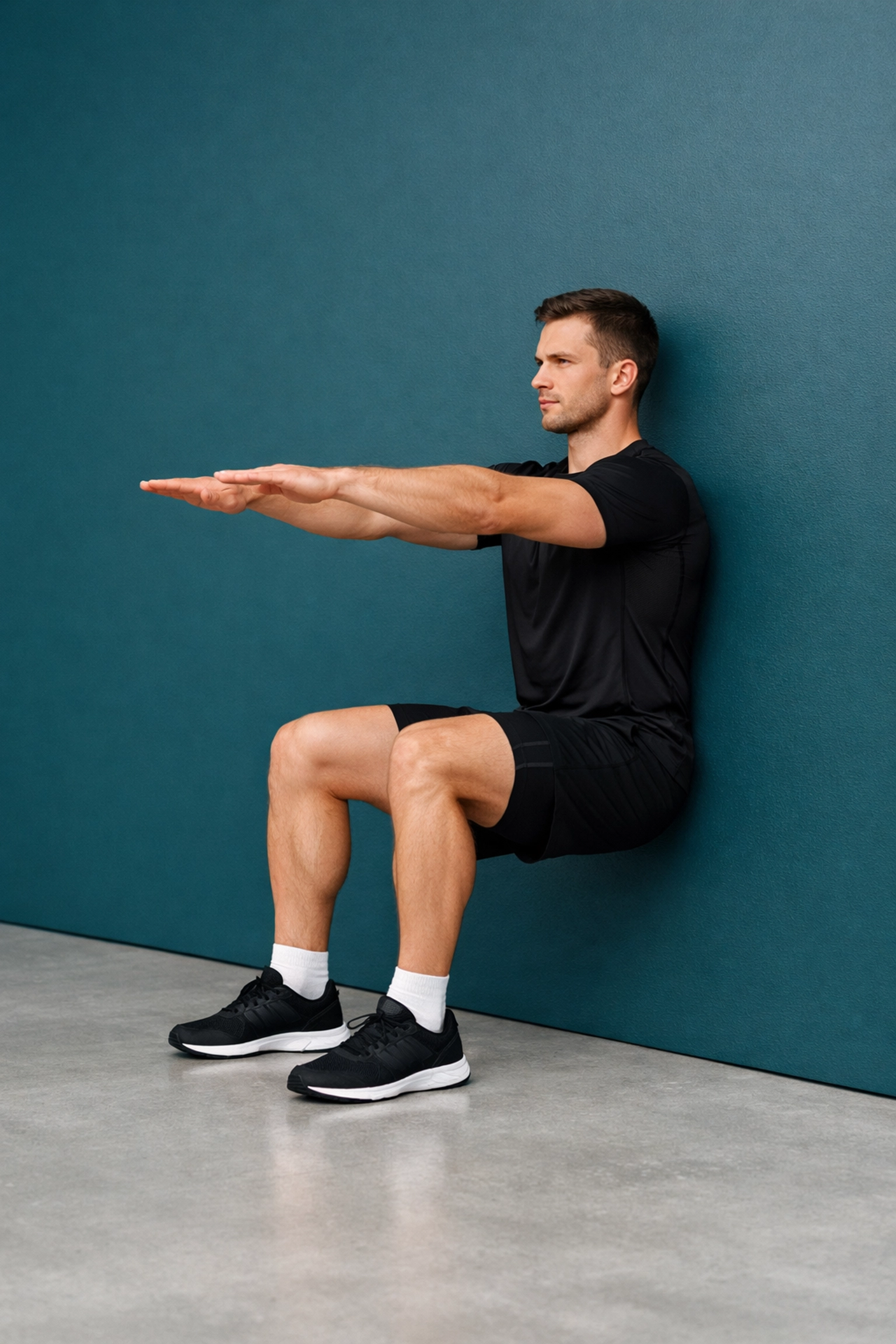
- Find a flat wall and lower yourself into a standard wall sit (thighs parallel to the floor, back flat against the wall).
- Raise your arms straight out in front of you at shoulder height. This opens up the ribcage.
- The Inhale: Breathe in slowly through your nose for a count of 5. Focus on expanding your belly and lower ribs, not shrugging your shoulders toward your ears.
- The Exhale: Purse your lips and blow the air out slowly for a count of 10. Imagine you are blowing through a tiny straw. Empty your lungs completely until you feel your abs contract.
- Repeat for 3 sets of 60 seconds.
The Pool Translation: By forcing deep, diaphragmatic breaths while your legs are under tension, you train your body to maintain a calm respiratory rate during the "burn" of a heavy set. This prevents the shallow, "dog-pant" breathing that leads to early fatigue in the pool.
Drill 2: Abdominal Hollowing (The Streamline Secret)
Swimmers often struggle with the "see-saw" effect: where their hips drop because their core is loose. Abdominal hollowing trains your deep transverse abdominis and teaches you how to exhale fully while maintaining core tension.
How to do it:
- You can do this standing tall or lying on your back with knees bent.
- Take a deep breath in, then exhale every last bit of air in your lungs.
- Once empty, "suck" your belly button in toward your spine as hard as you can without inhaling.
- Hold this "hollow" position for 5 to 10 seconds. You should feel a deep tightness in your midsection.
- Relax, take a recovery breath, and repeat 10 times.
The Pool Translation: In the water, a full exhale is crucial. If you don't get the "old" air out, there’s no room for "new" oxygen. This drill ensures you have the muscular strength to force air out quickly during a flip turn or a quick breath to the side, all while keeping your body in a tight, hydrodynamic streamline.
Drill 3: Tactical Box Breathing (The Mental Game)
Originally used by special forces to stay calm under fire, tactical breathing is now a staple for competitive swimmers looking to manage pre-race jitters and increase CO2 tolerance.
How to do it:
- Inhale: 4 seconds (slow and steady).
- Hold: 4 seconds (keep the throat open, don't "clamp" down).
- Exhale: 4 seconds (steady stream).
- Hold (Empty): 4 seconds. This is the "CO2 tolerance" phase.
- Repeat for 5-10 minutes.
The Pool Translation: This drill teaches your nervous system that it’s okay to have empty lungs for a few seconds. When you’re pushing that last 15 meters of a 100m fly and your lungs are burning, the mental discipline gained from tactical breathing keeps you from breaking your form.

Supporting Your Respiratory System
You can have the best breathing technique in the world, but if your blood isn't efficient at carrying oxygen, you'll still hit a wall. Oxygen binds to hemoglobin, and hemoglobin requires iron. If you’re feeling chronically short of breath even with training, you might need to look at your mineral levels.
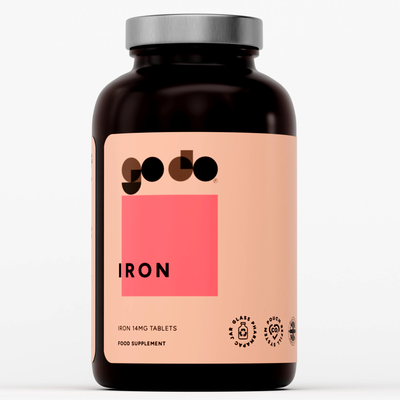
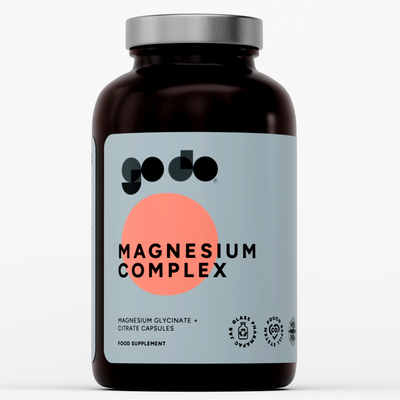
Using a high-quality Iron 14mg supplement can support healthy blood oxygen levels, ensuring that every deep breath you take actually reaches your muscles. Additionally, for muscle recovery and to prevent the cramping that often comes with deep-water exertion, many swimmers rely on a Zinc, Magnesium, and Vitamin B6 blend before bed.
2026 Trends: Precision Breathing
We’re seeing a massive rise in "Precision Breathing" this year. Athletes are using wearable sensors that track their respiratory rate in real-time. The goal is "respiratory efficiency": the ability to move the most amount of oxygen with the least amount of muscular effort.
Training your lungs on land allows you to "calibrate" your system. When you finally jump into the water, your breathing becomes a subconscious, powerful rhythm rather than a frantic struggle for air.
Key Takeaways for Success:
- Consistency is King: Do these drills 3–4 times a week. You don't need a gym; you just need 10 minutes and a floor.
- Nose vs. Mouth: On land, practice nasal inhaling as much as possible to filter and warm the air, but remember that in the pool, you'll likely use "explosive" mouth exhales.
- Don't ignore recovery: Breathing muscles can get "sore" too. Ensure you’re getting enough Omega-3 Fish Oil to manage systemic inflammation from high-intensity training.
Safety First
While breathing drills are generally safe, always listen to your body. If you feel dizzy or lightheaded during dry-land drills, stop immediately and return to normal breathing. Never practice breath-holding inside the water without professional supervision: save the "empty lung" holds for your living room rug!
By taking your training "beyond the pool," you’re giving yourself a massive competitive advantage. You aren't just a swimmer; you're an athlete who has mastered the most fundamental movement of life. Now, go grab that wall, sit deep, and start breathing.
Ready to level up your recovery? Check out our full range of performance supplements to support your journey to a new PB. Whether you're looking for Creatine Monohydrate for power or Vitamin B Complex for sustained energy, we've got you covered.