When people think about swimming, they think about lung capacity, shoulder mobility, and perfectly timed flip turns. But there is a silent partner in your performance that most swimmers completely overlook: magnesium.
If you have ever felt your calf seize up in the middle of a 200m set, or if you find yourself tossing and turning at night after a heavy evening session in the pool, you are likely dealing with a magnesium deficiency. In the world of sports science in 2026, we have moved past just "drinking more water." We are now looking at the cellular level of recovery.
At Fitness Health, we see athletes every day who are training harder than ever but failing to see the results because their recovery is lagging. Magnesium is the missing link that bridges the gap between a hard workout and a recovered body.
Why Swimmers Lose More Than Just Water
It is a common myth that swimmers don't sweat. Because you are submerged in water, your body’s cooling mechanism: sweating: is less obvious, but it is definitely happening. During intense endurance sessions lasting over an hour, you are losing vital electrolytes through your skin.
Magnesium is the second most common electrolyte in the human body. It is responsible for over 300 enzymatic reactions. For a swimmer, these reactions govern everything from how your heart beats to how your muscles turn fuel into energy. When you lose magnesium through sweat and don't replace it, your performance doesn't just plateau; it drops.

1. The End of the Mid-Pool Cramp
We’ve all been there. You’re pushing off the wall, and suddenly your foot or calf locks into a painful, rigid knot. This isn't just "fatigue"; it’s a chemical imbalance.
Muscles require a delicate balance of calcium and magnesium to function:
- Calcium is responsible for muscle contraction.
- Magnesium is responsible for muscle relaxation.
When your magnesium levels are low, the calcium stays in the muscle fibers longer than it should, causing a prolonged contraction. That is a cramp. By maintaining high magnesium levels, you ensure that your muscles can relax as quickly as they contract, allowing for a smoother, more efficient stroke and preventing those agonizing mid-set interruptions.
2. Lactic Acid and Faster Turnaround
After a heavy sprint set, your muscles often feel heavy and "acidic." This is partly due to the buildup of lactic acid and other metabolic waste. Magnesium plays a critical role in ATP (adenosine triphosphate) production: the energy currency of your cells.
More importantly, magnesium helps the body break down and clear lactic acid more efficiently. If you can clear toxins from your bloodstream faster, you reduce post-exercise soreness and stiffness. This means you can show up to your 6:00 AM session the next day feeling fresh rather than "heavy."
For those looking to understand how this fits into a broader training regime, checking out our guide on compound vs. isolation exercises can help you balance your dry-land training with your pool time.
3. The Sleep-Performance Loop
Recovery doesn't happen in the pool; it happens in bed. However, high-intensity training increases cortisol (the stress hormone), which can make falling asleep difficult.
Magnesium is a natural relaxant. It binds to GABA receptors in the brain: the same receptors targeted by some sleep medications: which helps to quiet the nervous system. For swimmers, this results in:
- Faster Sleep Onset: Falling asleep quicker after a late-night session.
- Deeper REM Sleep: Where the majority of physical tissue repair occurs.
- Lower Cortisol: Reducing the "wired but tired" feeling.
If you aren't sleeping, you aren't recovering. It’s that simple.

4. Mental Focus and Neural Signaling
Swimming is as much a mental game as a physical one. Maintaining your form when you’re exhausted requires intense neurological focus. Magnesium is essential for healthy nerve transmission. It helps regulate the signals sent from your brain to your muscles.
When your magnesium levels are optimal, your "proprioception": your awareness of your body's position in the water: stays sharp. This prevents the "sloppy" form that often leads to shoulder impingements and other common swimming injuries.
How to Get Your Magnesium Fix
While you can get magnesium from foods like spinach, almonds, and dark chocolate, the modern diet (and modern soil) often lacks the concentrations needed for high-performance athletes. Swimmers, in particular, need a multi-faceted approach to replacement.
Supplementation
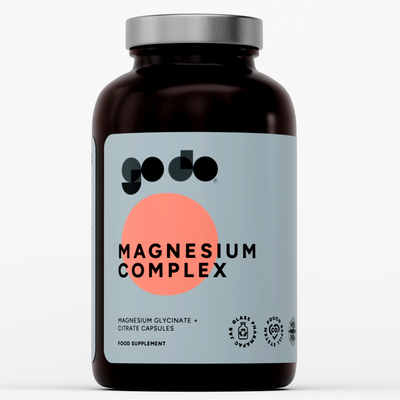
Taking a high-quality magnesium supplement is the most direct way to ensure your levels stay topped up. At Fitness Health, we prioritize bioavailable forms of magnesium that the body can actually absorb, rather than cheap "fillers" that often cause digestive upset. You can find our curated range in the Strength & Fitness collection.
Transdermal Absorption (Epsom Salts)
One of the best ways for swimmers to recover is through magnesium flakes or Epsom salt baths. Soaking for 20 minutes in a warm bath with two cups of magnesium flakes allows the mineral to be absorbed through the skin, bypassing the digestive system and providing immediate relief to tired muscles.
Dietary Adjustments
Focus on "magnesium-dense" foods to support your supplements:
- Pumpkin seeds: One of the highest natural sources.
- Swiss Chard & Spinach: Leafy greens are essential.
- Black Beans: Great for long-term energy and mineral replenishment.

Choosing the Right Type of Magnesium
Not all magnesium is created equal. If you look at a standard bottle, you might see several different types. Here is a quick cheat sheet for swimmers:
- Magnesium Citrate: Great for general absorption and keeping things moving.
- Magnesium Glycinate: The "gold standard" for sleep and anxiety. It is highly bioavailable and gentle on the stomach.
- Magnesium Malate: Often recommended for muscle pain and fatigue.
- Magnesium Chloride: Usually found in oils and flakes for skin absorption.
For most athletes, a high-quality complex or a Glycinate-based supplement is the best bet for improving recovery times.
Summary Checklist for Swimmers
To make the most of the "Magnesium Advantage," follow this simple protocol:
- Daily Dose: Take a magnesium supplement (like Glycinate) 30-60 minutes before bed to aid sleep.
- Post-Race/Heavy Set: Use magnesium flakes in a warm bath for 20 minutes to jumpstart muscle relaxation.
- Hydration: Ensure you are getting a full spectrum of electrolytes, not just salt. Check our immunity and health collections for overall wellness support.
- Listen to the Body: If you start experiencing eye twitches, muscle spasms, or restless legs, increase your intake immediately.
The Fitness Health Commitment
At Fitness Health, we believe that high-quality nutrition shouldn't be a luxury. We provide affordable, science-backed supplements designed to keep you in the water longer and recovering faster. Whether you are a competitive club swimmer or a weekend lane-warrior, your body deserves the right tools to rebuild.
If you have questions about which supplement is right for your training volume, feel free to visit our Help Center or reach out via our Chat.

Key Takeaways
- Magnesium is lost through sweat, even in the pool.
- It is the primary mineral responsible for preventing muscle cramps.
- Magnesium improves sleep quality, which is when the body repairs itself.
- Supplementing with high-quality sources like those from Fitness Health can provide a competitive edge in recovery.
Don't let a simple mineral deficiency hold back your PB. Address your recovery today and feel the difference in your next session.