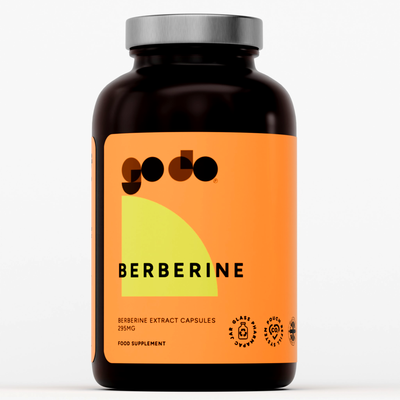
Recent clinical evidence from institutions such as the National Center for Complementary and Integrative Health (NCCIH) suggests that berberine is one of the few botanical compounds with a significant impact on metabolic health. However, as demand for this "metabolic master switch" has surged, so has the prevalence of low-quality, underdosed products. Independent lab reports have recently sounded the alarm, revealing that many products on the market contain only a fraction of what they claim.
Table of Contents
- The Berberine Boom & The Quality Problem
- What Lab Testing Shows: The "Consumer Reports" Angle
- How to Spot a High-Quality Berberine
- Why Fitness Health is a Trusted Choice
- Practical Step-by-Step Supplementation Framework
- Real-World View: "Nature's Ozempic" vs. Reality
- Evidence-Based Benefits & Safety Warnings
- Frequently Asked Questions
- Recommended Reading
Key Takeaways
| Feature | The Reality of Berberine Quality |
|---|---|
| Lab Testing Results | Recent tests by NOW Foods and SuppCo found >50% of brands failed label claims. |
| Typical Failure | Some "no-name" brands contained less than 1% of the stated berberine dose. |
| Best Form | Berberine HCl is the most studied form in clinical trials for glucose and lipids. |
| Dosage Range | Research-backed doses range from 500mg to 1,500mg daily, usually split. |
| Cost Expectation | High-quality, verified berberine should cost between $13–$25 per month. |
The Berberine Boom & The Quality Problem
Berberine has transitioned from a niche botanical in Traditional Chinese Medicine to a mainstream powerhouse for metabolic health. It works primarily by activating AMPK (AMP-activated protein kinase), an enzyme that regulates how the body produces and uses energy. When you buy herbal supplements online, berberine is often the top choice for those managing blood sugar, cholesterol, or weight.
However, the rapid "boom" in popularity has attracted unscrupulous manufacturers. Unlike regulated pharmaceuticals, herbal supplements in many regions are self-regulated, meaning the responsibility of quality assurance falls on the brand. This has led to a market saturated with "ghost" brands: products with sleek labels but almost no active ingredient inside.
"Berberine is a complex alkaloid. Ensuring its purity and potency requires sophisticated high-performance liquid chromatography (HPLC) testing, which many budget-driven brands skip to save costs." : Supplement Quality Industry Report

What Lab Testing Shows (The "Consumer Reports" Angle)
In late 2023 and early 2024, independent testing labs and major manufacturers conducted "market-basket" studies on berberine supplements sold on major marketplaces like Amazon and Walmart. The results were startling.
According to reports from NOW Foods and SuppCo, a staggering number of products were significantly underdosed.
Independent Lab Findings Summary
| Organization | No. Brands Tested | Failure Rate (Below Label Claim) | Notable Findings |
|---|---|---|---|
| NOW Foods | 33 | 97% | Only 1 brand (NOW) hit 100% of the claim; 7 brands had <1% dose. |
| SuppCo | 13 | 54% | 7 of 13 popular brands failed; many contained <2% berberine. |
| ConsumerLab | 15 | 60% | 9 products contained only 33% to 89% of the claimed amount. |
These findings suggest that when you buy "no-name" herbal supplements, you have a coin-flip's chance of receiving a product that does absolutely nothing for your metabolic health.
How to Spot a High-Quality Berberine
Navigating the world of herbal supplements requires a discerning eye. To ensure you aren't wasting money on fillers, look for these quality hallmarks:
- Standardized Extract (HPLC Verified): The label should specify that the product is standardized to a certain percentage of berberine (usually 97% or higher).
- GMP Certification: Good Manufacturing Practice (GMP) ensures the facility follows strict hygiene and quality protocols.
- Third-Party Testing: Look for brands that utilize independent labs (ISO 17025 accredited) to verify every batch.
- No Proprietary Blends: Avoid products that hide berberine behind a "metabolic blend" without listing the exact milligrams of berberine HCl.
Pro Tip: If a berberine supplement is significantly cheaper than the market average (e.g., $5 for a 2-month supply), it is highly likely to be underdosed. Genuine berberine raw material is expensive; quality comes at a fair, but not "dirt cheap," price.
Why Fitness Health is a Trusted Choice
At Fitness Health, we bridge the gap between expensive "designer" supplements and low-quality marketplace brands. We believe that health shouldn't be a luxury, which is why our Berberine Extract and other herbal supplements are formulated with transparency at their core.
- UK-Made Quality: All our supplements are manufactured in the UK under strict quality control standards, ensuring that what is on the label is exactly what is in the bottle.
- Eco-Conscious Packaging: We have transitioned away from plastic bottles to eco-friendly paper pouches, reducing our environmental footprint while keeping our products fresh.
- Affordable Pricing: Most of our products, including our metabolic supports, range from $13 to $15 (£10–£12), making consistent supplementation sustainable for your wallet.
- Vegan-Friendly: Our formulations use plant-based capsules and ingredients, aligning with a wide variety of dietary preferences.

Practical Step-by-Step Supplementation Framework
If you and your healthcare provider decide to add berberine to your regimen, follow this evidence-based framework for optimal results.
- Select Your Dose: Clinical research often uses 500mg doses. If you use a high-strength 1000mg Berberine Tablet, follow the once-daily recommendation.
- Timing Matters: Take your berberine 15–30 minutes before a meal or with a meal. This helps manage post-meal glucose spikes.
- The "Split-Dose" Strategy: If you experience digestive upset, try splitting your dose (e.g., taking a lower-dose capsule multiple times a day) rather than one large dose.
- Consistency is Key: Metabolic changes don't happen overnight. Most studies on HbA1c and lipids show results after 8 to 12 weeks of consistent use.
- Monitor Your Progress: Track your fasting glucose or lipid panels through your doctor to see how your body is responding to the supplement.
Real-World View: "Nature's Ozempic" vs. Reality
Social media has dubbed berberine "Nature's Ozempic," suggesting it mimics the effects of GLP-1 agonists used for weight loss. While the science shows that berberine does support metabolic health, it is important to distinguish hype from reality.
- The Science: Berberine improves insulin sensitivity and helps the body process carbohydrates more efficiently. A meta-analysis published in PubMed showed an average weight loss of about 2kg over 12 weeks.
- The Reality: Unlike prescription medications, berberine is a supportive tool. It works best when combined with a balanced diet and regular exercise. It is not a "magic pill" that allows for a poor lifestyle, but rather a powerful ally for those already making healthy choices.
Evidence-Based Benefits & Safety Warnings
Primary Health Benefits
- Glucose Metabolism: Supports healthy blood sugar levels already within the normal range.
- Lipid Support: May help maintain healthy LDL cholesterol and triglyceride levels.
- Gut Health: Berberine has been shown to positively modulate the gut microbiome, encouraging the growth of beneficial bacteria.
- Inflammation: Acts as a mild antioxidant to support systemic health.
Safety & Contraindications
Berberine is powerful and must be used with caution:
- Medication Interactions: Berberine can interact with diabetes medications (metformin, insulin) and blood thinners. Always consult a doctor first.
- GI Upset: Common side effects include cramping, diarrhea, or constipation. Starting with a lower dose can help.
- Pregnancy/Breastfeeding: Do not take berberine if you are pregnant or nursing, as it can cross the placental barrier and affect the infant.
Fitness Health: Quality You Can Trust
Looking for high-quality, UK-made supplements that don't break the bank? Our mission is to provide premium nutrition in eco-friendly packaging. Explore our full range of health solutions today.

Frequently Asked Questions
1. Is Berberine HCl better than other forms? Berberine HCl (hydrochloride) is the most common form used in successful clinical trials. While some "phytosome" versions claim higher absorption, the vast majority of human data is based on the HCl form.
2. How long does it take for berberine to work? Most users see improvements in blood sugar markers within 4 weeks, but significant changes to cholesterol and weight typically take 3 months of consistent use.
3. Can I take berberine with Metformin? You should never combine berberine with prescription diabetes medication without direct medical supervision, as it may cause your blood sugar to drop too low (hypoglycemia).
4. Why is Fitness Health berberine more affordable? We cut out the middleman and avoid expensive plastic packaging. By manufacturing in the UK and selling directly to you, we keep our costs between $13 and $15 without sacrificing lab-verified quality.
Recommended Reading
- The Best Supplements for Gut Health
- Your Heart Health Supplement Regimen in 2026
- Hormonal Balance: Supplements for Women Over 40
Article generated by Penny