If you have ever wondered, “Do fat burners work?”, you are asking the right question. The honest answer is that some thermogenic ingredients can slightly increase energy expenditure, but the effect is usually small and short-lived. The NIH Office of Dietary Supplements explains that weight-loss supplements have limited evidence overall and should not replace a balanced diet, regular movement, good sleep or appropriate medical care.
Thermogenic fat burners are often marketed as if they can turn your body into a 24-hour furnace. Real physiology is much less dramatic. Let’s look at what thermogenesis means and what the evidence says about caffeine, green tea extract, capsaicin, synephrine and yohimbine.
Table of contents
- What thermogenesis actually means
- Do thermogenic fat burners work?
- Caffeine and green tea extract
- Capsaicin supplements
- Synephrine and bitter orange
- Yohimbine supplement safety
- The problem with stimulant stacking
- A sensible approach to fat-loss supplements
- Recommended reading
What thermogenesis actually means
Thermogenesis is the production of heat by your body. It is part of your normal daily energy expenditure. You create heat when you digest food, exercise, maintain your body temperature and move through the day.
Certain ingredients may increase thermogenesis by stimulating the nervous system or activating receptors linked with heat production and fat oxidation. Fat oxidation means using fat as a fuel source. It does not automatically mean losing more body fat.
That distinction matters. Your body can burn more fat during one workout and still maintain the same body weight if you eat more later, move less or compensate in another way. Fat loss depends mainly on your average energy balance over time.

Do thermogenic fat burners work?
Some ingredients work in a narrow laboratory sense. They may raise resting energy expenditure or increase fat oxidation for a few hours. However, this does not make them powerful weight-loss tools.
The extra calorie burn is generally measured in tens of calories rather than hundreds. Even when a study finds a statistically significant difference, the real-world effect may be too small to notice. Appetite, food intake, sleep, training and long-term consistency usually matter much more.
The best-supported potential benefits are modest:
- A small, temporary increase in energy expenditure.
- A possible increase in fat oxidation during exercise.
- Improved alertness or exercise motivation from caffeine.
- A possible reduction in appetite for some people.
- Better adherence to training when energy and focus are improved.
These are possible effects, not guarantees. They also do not mean that every commercial fat burner is effective. Many products combine several ingredients, making it difficult to know what caused an effect. Some formulas also use proprietary blends that do not clearly state the amount of each stimulant.
The FDA explains that dietary supplements are not evaluated in the same way as medicines before sale. This makes product quality, accurate labelling and third-party testing important considerations.
Caffeine and green tea extract
Caffeine has some of the most consistent evidence among thermogenic ingredients. It stimulates the central nervous system, increases alertness and can temporarily raise energy expenditure. It may also make exercise feel easier, which can help some people train with more focus.
Still, caffeine is not a shortcut. Tolerance develops, and the effect may become less noticeable with regular use. A late-afternoon serving can also damage sleep. That matters because poor sleep can increase hunger, reduce training quality and make weight management harder.
Green tea extract contains catechins, especially epigallocatechin gallate, or EGCG. Some extracts also contain caffeine. Research suggests that green tea catechins may slightly increase thermogenesis and fat oxidation, particularly when combined with caffeine. However, results are inconsistent, and average weight-loss differences tend to be small.
A cup of green tea is not the same as a concentrated extract. The NIH ODS notes that green tea beverages are generally well tolerated, while concentrated extracts have been linked with rare cases of liver injury.
Safety warnings:
- Avoid high caffeine intake if it causes anxiety, palpitations, tremors or insomnia.
- Take care with coffee, energy drinks, pre-workouts and fat burners used on the same day.
- Ask a healthcare professional before using concentrated green tea extract if you have liver disease or take medicines that affect the liver.
- Pregnant or breastfeeding people should seek personalised advice about caffeine and concentrated extracts.
Capsaicin supplements
Capsaicin is the compound that gives chilli peppers their heat. Capsaicin supplements and capsinoids may activate TRPV1 receptors, which are involved in heat production and sensory responses.
Some human studies suggest that capsaicin can slightly increase resting energy expenditure. It may also influence appetite or food intake in certain situations. A review published in PubMed Central found that the effects were generally modest and varied between studies.
The practical message is simple: adding chilli to food may be enjoyable and nutritious, but a capsule is unlikely to create a meaningful calorie deficit on its own. There is no strong evidence that capsaicin supplements produce substantial, reliable long-term weight loss.
Possible benefits supported by research:
- A small increase in energy expenditure.
- A possible short-term effect on fat oxidation.
- A possible reduction in appetite for some people.
Safety warnings and contraindications:
- Capsaicin can cause stomach pain, nausea, diarrhoea or heartburn.
- It may worsen reflux or irritate an already sensitive digestive system.
- People with gastrointestinal conditions should be cautious.
- Stop using it if you experience persistent pain, vomiting or severe digestive symptoms.
Food-based chilli is usually easier to regulate than a concentrated capsule. More is not automatically better.
Synephrine and bitter orange
Synephrine is commonly obtained from bitter orange. It has stimulant-like effects and may increase resting metabolic rate through adrenergic pathways.
Short-term studies suggest that synephrine can raise energy expenditure. The problem is that there is limited evidence showing meaningful, sustained fat loss from synephrine alone. Many studies use multi-ingredient products, small sample sizes or short follow-up periods.
The safety profile is more concerning than the modest potential benefit. Synephrine may increase heart rate and blood pressure. The concern becomes greater when it is combined with caffeine or other stimulants.
Use particular caution or avoid synephrine if you:
- Have high blood pressure, heart disease or a history of arrhythmia.
- Experience panic attacks, anxiety or sensitivity to stimulants.
- Take medicines for blood pressure, mood, attention or thyroid conditions.
- Are pregnant or breastfeeding.
- Use caffeine, pre-workout products, decongestants or other stimulant supplements.
Synephrine is not a benign “natural metabolism booster”. Natural describes where an ingredient comes from. It does not tell you how safe or effective it is.
Yohimbine supplement safety
Yohimbine is derived from yohimbe bark and works differently from caffeine. It blocks alpha-2 adrenergic receptors, which can increase noradrenaline activity. This has led to claims that it helps mobilise stubborn body fat.
The evidence is weak. A small, short trial has suggested a possible effect under strict dieting conditions, but this is not enough to establish reliable long-term fat loss. There is no strong reason to view yohimbine as a necessary part of a sensible weight-management plan.
Yohimbine supplement safety deserves special attention because side effects can be intense. Reported problems include anxiety, agitation, dizziness, nausea, rapid heartbeat and raised blood pressure. The NIH weight-loss supplement fact sheet also highlights the limited evidence and safety concerns around yohimbe and yohimbine products.
Avoid yohimbine if you have cardiovascular disease, uncontrolled blood pressure, kidney or liver problems, panic disorder or significant anxiety. It can also interact with medicines, including some antidepressants and blood-pressure treatments. Anyone taking regular medication should speak with a qualified healthcare professional before considering it.
For many people, the likely risk is simply not worth the uncertain reward.
The problem with stimulant stacking
One of the biggest problems with thermogenic fat burners is not always a single ingredient. It is the combination.
A person might have coffee at breakfast, take a pre-workout before training, use a fat burner at lunch and drink an energy drink later. Each product may appear manageable on its own. Together, they can create a much larger stimulant load.
Look for caffeine, synephrine, yohimbine, green tea extract, guarana and other stimulant sources on labels. Be especially careful with proprietary blends that list ingredients without clear amounts.
Stop using a product and seek medical advice if you develop chest pain, fainting, severe headache, shortness of breath, a sustained racing heartbeat or severe agitation.
Undisclosed or adulterated ingredients are another concern. Weight-loss products have sometimes been found to contain pharmaceutical or stimulant compounds that are not listed on the label. Choose transparent products from reputable suppliers, but remember that a neat label cannot remove the biological risks.
A sensible approach to fat-loss supplements
The most effective fat-loss strategy is usually less exciting, but far more reliable: a manageable nutrition plan, resistance training, regular daily movement and enough sleep.
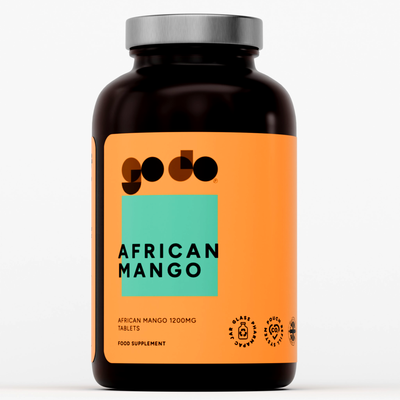
If you are interested in non-stimulant support, Fitness Health’s African Mango 1200mg tablets are positioned as support for appetite and weight-management goals rather than as a high-stimulant fat burner. They are vegan-friendly, UK-made and available with a refill pouch. We do not present them as a replacement for nutrition, exercise or professional advice.

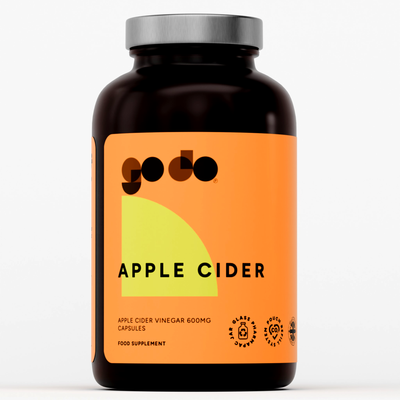
The same honest approach applies to products such as Apple Cider Vinegar capsules and Chromium tablets. They should be viewed as optional nutritional support, not as proven fat burners.
At Fitness Health, we focus on clear formulations and practical wellness support. Explore the Weight Loss collection, and speak with a healthcare professional if you have a medical condition, take medication or are experiencing unexplained changes in weight.

Recommended reading
For more realistic, sustainable guidance, explore:
- The 80/20 Nutrition Rule for Real Life
- Periodization for Your Plate: How to Eat in Training Blocks
- Fitness Health Weight Loss collection
- Fitness Health Energy collection
Meta description: Thermogenic Fat Burners: What the Evidence Actually Says About Capsaicin, Synephrine and Yohimbine, an honest guide to caffeine, green tea extract, capsaicin supplements, stimulant stacking and yohimbine supplement safety.