Meta Description: Discover why 2026 is all about the "less is more" approach in our guide, The Recovery Revolution: Why Doing Less Gets You More. Learn how rest days, active recovery, and the right nutrients help you reach peak performance without the burnout.
Ever feel like you’re doing all the right things: hitting the gym five days a week, tracking every macro, and pushing yourself to the absolute limit: but you’re still just... tired? Trust me, I’ve been there. I used to think that if I wasn't crawling out of the gym, I wasn't working hard enough. But it turns out, the "no pain, no gain" mantra is a bit of a relic. Modern science, like this great overview from the Mayo Clinic, shows that the real magic doesn't happen while you’re lifting heavy or sprinting; it happens while you’re sleeping, lounging, or just taking a slow walk. Welcome to the Recovery Revolution, where we finally learn that doing less can actually give us way more.
Table of Contents
- The "Hustle" Trap vs. The Recovery Revolution
- Why Your Muscles Actually Need a Day Off
- 5 Reasons Why Doing Less Gets You More
- Listening to Your Body: Red Flags of Overtraining
- Safety First: When Rest Isn't Enough
- The Recovery Toolkit: Supplements for the Soft Era
- How to Master "Active Recovery"
The "Hustle" Trap vs. The Recovery Revolution
For years, fitness culture has been obsessed with the "hustle." We’ve been told to "grind" until we can't anymore. But in 2026, we’re seeing a massive shift. We’re finally realizing that our bodies aren't machines: they’re biological systems that need maintenance. I remember a few years back, I tried one of those "six days a week" hardcore programs. By week four, I wasn't getting stronger; I was getting cranky, my joints hurt, and I was catching every cold that went around the office.
That was my wake-up call. The Recovery Revolution is about stepping away from that constant high-intensity noise and focusing on nervous system health. It’s about understanding that a well-timed rest day is just as productive as a heavy leg day. When we lower the volume, we actually allow our bodies to adapt to the stress we've put them under. It’s not about being lazy; it’s about being strategic.
Why Your Muscles Actually Need a Day Off

When you’re in the gym, you’re actually breaking your body down. You’re creating tiny micro-tears in your muscle fibers. The growth: what we call muscle protein synthesis after training: happens during the 24 to 48 hours after you’ve finished your workout. If you hit the same muscle group again too soon, you’re just interrupting the repair crew before they’ve finished the job.
It’s not just about the muscles, though. Your central nervous system recovery is arguably even more important. Your brain and spine are responsible for telling your muscles to fire. When you're constantly pushing, that system gets "fried." You might notice your grip strength is down or you just don't have that "pop" in your movements. That’s your CNS telling you to take a seat. Plus, rest days allow your body to perform glycogen replenishment, refilling the energy stores in your muscles so you can go hard again when the time is right.
5 Reasons Why Doing Less Gets You More
If you’re still feeling a bit guilty about skipping a workout, here are five evidence-based active recovery benefits that might change your mind:
- Explosive Power: Giving your body 3 to 5 days of relative rest can actually lead to a boost in vertical jump height and pressing force. Your muscles "snap" back with more energy.
- Hormonal Harmony: Constant high-intensity training keeps your cortisol (the stress hormone) spiked. Rest days help bring cortisol down and allow growth hormones to do their thing.
- Reduced Injury Risk: Most injuries aren't freak accidents; they're "overuse" issues. Rest gives your tendons and ligaments: which have less blood flow than muscles: time to catch up and strengthen.
- Better Sleep: Overtraining often leads to "tired but wired" syndrome where you can't fall asleep. Proper recovery cycles help regulate your circadian rhythm.
- Mental Longevity: It’s hard to stay motivated when you’re exhausted. Scheduled rest keeps the "spark" alive so you actually want to keep training for years, not just weeks.
Listening to Your Body: Red Flags of Overtraining
Sometimes, we get so caught up in the routine that we ignore the very clear signals our bodies are sending us. Identifying the signs of overtraining in athletes and hobbyists alike is the first step in the Recovery Revolution. Here are a few things I always look out for:
- The Heavy Leg Syndrome: If every step feels like you’re walking through mud, you’re likely overdoing it.
- Increased Resting Heart Rate: If your heart is beating faster than usual when you first wake up, your nervous system is likely under stress.
- Irritability: If you’re snapping at your partner or feeling "blue" for no reason, your hormones might be out of whack from too much training.
- Plateaus: If you’ve been lifting the same weight for a month despite trying harder, you don't need more weight: you need more sleep.
Safety First: When Rest Isn't Enough
While we love the "less is more" vibe, it’s important to remember that recovery is a serious part of health. Sometimes, what we think is just "tiredness" might be something more.
Safety Warnings & Contraindications:
- Chronic Pain: If you have sharp, localized pain that doesn't go away with rest, don't just "roll it out." See a professional to rule out stress fractures or tears.
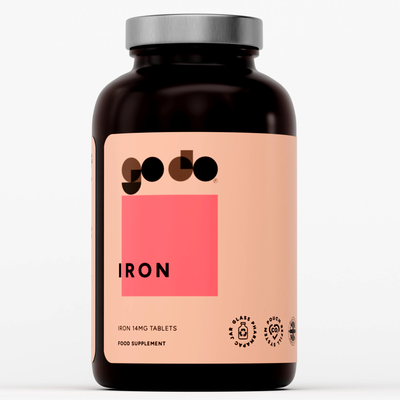
- Systemic Fatigue: If you’re taking rest days but still feel utterly exhausted for weeks, it might be worth checking your iron levels or thyroid function with a GP.
- Medical Conditions: If you have underlying heart conditions or metabolic issues, your recovery window might look different. Always follow your doctor’s specific advice on training recovery time.
- Supplement Safety: Always check for allergies or interactions with existing medications before starting new supplements (like our magnesium or ZMA blends).
The Recovery Toolkit: Supplements for the Soft Era
Even the best rest day can use a little boost. At Fitness Health, we’re all about high-quality formulations that don't break the bank. When it comes to the Recovery Revolution, two of our favorites are Magnesium and ZMA.

Magnesium Complex: Magnesium is like nature’s muscle relaxant. It’s involved in over 300 biochemical reactions in the body, including muscle and nerve function. Taking it in the evening can help your muscles unwind and support a deeper, more restorative sleep.

Zinc Magnesium B6 (ZMA): This is a classic for a reason. Zinc supports the immune system (which takes a hit during heavy training), while the B6 helps with energy metabolism. It’s the ultimate "before bed" ritual for anyone looking to maximize their recovery window.
How to Master "Active Recovery"

"Doing less" doesn't always mean sitting on the sofa (though that’s great too!). Active recovery is about low-intensity movement that gets the blood flowing without adding stress. Think of it as a "flush" for your system. It helps move nutrients into your muscles and clears out metabolic waste.
My favorite active recovery day? A slow 30-minute walk in nature, followed by some very light stretching. No heart rate monitors, no pacing: just moving because it feels good. You could also try some gentle yoga or a leisurely swim. The goal is to finish feeling more energized than when you started. If you feel tired after your recovery session, you’re doing it too hard!
Join the Fitness Health Family
Ready to take your recovery as seriously as your training? At Fitness Health, we specialize in premium nutritional supplements designed to support your peak fitness and optimal health. From our UK-made formulations to our eco-conscious paper packaging, we’re here to help you live your best, most balanced life.