Losing weight can feel brilliant at first. Then, a few weeks or months in, hunger starts getting louder. You may think about food more often, feel less satisfied after meals, or find your old portions suddenly seem very small. If that sounds familiar, you are not failing. As the NHS explains, sustainable weight management is influenced by biology, lifestyle, sleep, stress and your wider health: not simply willpower.
Table of contents
- Why hunger often rises after weight loss
- Ghrelin: the hormone that turns hunger up
- Leptin: the signal that changes when body fat falls
- Metabolic adaptation and the body’s weight-defence system
- Why willpower is not the problem
- Practical ways to manage hunger after weight loss
- Evidence-based benefits of a hunger-friendly approach
- Where supplements may fit
- Safety warnings and contraindications
- Support your routine with Fitness Health
- Recommended reading
Why hunger often rises after weight loss
A common experience goes like this: you lose weight, your clothes fit better, and your routine feels manageable. Then your appetite increases. The meals that used to keep you full do not seem to last as long. Cravings become more persistent. You may even find yourself thinking, “Why am I suddenly so hungry when I am doing everything right?”
This happens because the body does not view weight loss as a neutral event. It detects changes in energy intake, body fat and stored energy. In response, it can increase hunger signals and reduce energy expenditure. In simple terms, the body starts trying to restore some of the weight it believes has been lost.
This is not a sign that your metabolism is “broken”. It is a normal biological response that varies from person to person.
Ghrelin: the hormone that turns hunger up
Ghrelin is often called the hunger hormone. It is produced mainly in the stomach and tends to rise before meals. It helps signal to the brain that food may be needed.
During calorie restriction and weight loss, ghrelin can increase. That may make hunger feel stronger and can make food more noticeable throughout the day. A review published through the National Center for Biotechnology Information describes ghrelin as one of the key signals involved in the body’s response to reduced energy intake.
You may notice this as:
- Feeling hungry sooner after eating
- Larger portions seeming more appealing
- More frequent thoughts about snacks
- Stronger cravings for energy-dense foods
- Less satisfaction from the same meals
Ghrelin is not “bad”. It is doing its job. The challenge is that dieting can make that signal more persistent, especially when the calorie deficit is aggressive or has continued for a long time.

Leptin: the signal that changes when body fat falls
Leptin is produced mainly by fat cells. It helps the brain understand how much stored energy is available. When energy stores are sufficient, leptin contributes to signals linked with fullness and energy balance.
When body fat decreases, leptin levels usually decrease too. The brain may interpret this as a sign that energy availability has fallen. Appetite can rise, while energy expenditure may fall slightly.
This is one reason feeling hungrier after weight loss is not simply a matter of lacking discipline. The body is receiving different signals than it did before.
It is also worth remembering that leptin is more complicated than a simple “fullness switch”. People can have plenty of leptin in circulation and still experience reduced sensitivity to its signals. Hunger is influenced by many systems, including sleep, stress, food availability, eating habits, gut hormones and emotional cues.
Ghrelin and leptin are important pieces of the puzzle, but they are not the entire puzzle.
Metabolic adaptation and the body’s weight-defence system
Metabolic adaptation describes changes in energy expenditure that occur during weight loss. Some of the reduction is expected because a smaller body generally requires less energy to move and maintain. However, additional changes can occur beyond what body-size changes alone would predict.
You might unconsciously move less during the day. Resting energy expenditure may decrease. Hunger may rise. Satiety signals may become less powerful. Together, these changes can make weight loss harder to continue and weight maintenance more demanding.
A widely cited study in the New England Journal of Medicine found that appetite-related and energy-expenditure changes can remain after weight loss. The important point is not that regain is inevitable. It is that the body may continue to push back, so long-term maintenance often requires ongoing support rather than a short, intense diet.
This is why a slower and more sustainable approach can be useful. You are not trying to overpower your biology with the smallest possible calorie intake. You are creating a routine that you can maintain while keeping hunger at a manageable level.
Why willpower is not the problem
Willpower gets too much credit: and too much blame.
If you are tired, under-eating, sleeping badly and surrounded by highly palatable food, resisting hunger all day can become exhausting. That does not mean you are weak. It means several biological and environmental factors are working at the same time.
I have seen this pattern in many people: breakfast is tiny, lunch is rushed, training happens after work, and by the evening they feel as if they could eat everything in the kitchen. The issue is rarely a lack of motivation. More often, the day has created a large hunger debt.
A better goal is to reduce the amount of willpower required. Build meals that are filling. Keep convenient foods available. Protect your sleep. Use strength training to preserve muscle. Make the plan fit your real life.
Practical ways to manage hunger after weight loss
Prioritise protein at meals
Protein tends to be more filling than carbohydrate or fat on a calorie-for-calorie basis. It can help reduce hunger and support fullness after eating. A practical target for many people is around 25–30 grams of protein in a meal, although individual needs vary.
Useful options include Greek yoghurt, eggs, fish, chicken, tofu, tempeh, beans, lentils and protein powders. If you follow a vegan diet, combining legumes, soy foods, grains and a suitable plant protein supplement can make daily intake easier.
Fitness Health’s protein supplement range can be useful when meals are busy, but supplements should support: not replace: a varied diet.
Increase fibre gradually
Fibre adds bulk and can slow digestion. It is found in vegetables, fruit, beans, lentils, oats, whole grains, nuts and seeds. A gradual move towards around 30 grams per day is often a sensible goal, provided your digestive system tolerates it.
Start with one extra portion of vegetables or fruit. Add beans to soups, chilli or salads. Choose oats or wholegrain bread more often. Increasing fibre too quickly can cause bloating, so give your body time to adjust.
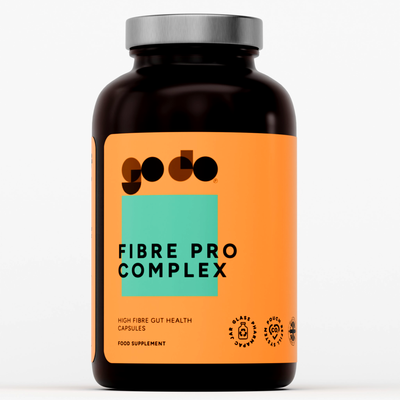
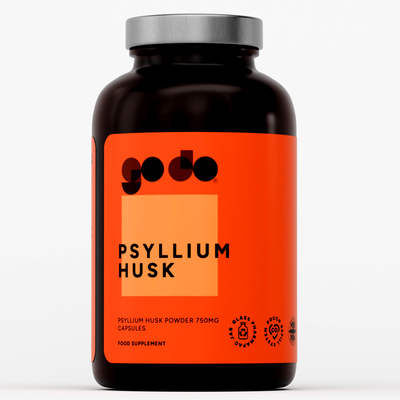
Fitness Health’s Fibre Pro Capsules and Psyllium Husk Capsules are options to explore, particularly if your diet is low in fibre. Always follow the label and drink enough fluid.
Use volume eating
Volume eating means choosing foods that provide plenty of physical volume for their calories. Think vegetable soups, salads, berries, potatoes, melon, steamed vegetables and bean-based dishes.
This can make meals feel more generous. That matters because satisfaction is not only about calories. Seeing a full plate and taking time to eat can also make a meal feel more complete.

Protect your sleep
Poor sleep can make hunger and cravings harder to manage. It may also reduce your ability to make planned choices when you are tired.
Try to keep a fairly consistent sleep and wake time. Reduce bright screens close to bed. Keep caffeine earlier in the day if it affects your sleep. You do not need a perfect night every night, but regular sleep is a powerful part of appetite management.
Keep resistance training in your routine
Resistance training helps preserve muscle during weight loss. Maintaining lean mass supports physical function and may help reduce the drop in energy expenditure that can occur as body weight falls.
Two or three full-body sessions each week can be a useful starting point. Focus on movements you can perform consistently, such as squats, hinges, presses, rows and carries. You do not need to train to exhaustion every time.
Avoid an unnecessarily aggressive rate of loss
Fast weight loss can be tempting, but a very large calorie deficit may increase hunger, fatigue and the risk of losing lean mass. A slower rate is not a lack of ambition. It may simply be easier to live with.
If hunger is intense, your training performance is falling and you are thinking about food constantly, your deficit may be too large. Consider speaking with a registered dietitian or qualified healthcare professional about a more suitable plan.
Evidence-based benefits of a hunger-friendly approach
A strategy built around filling food and recovery can support:
- Better fullness after meals
- More consistent energy throughout the day
- Improved preservation of lean muscle
- Better training performance and recovery
- Greater dietary flexibility
- Reduced reliance on willpower
- A more realistic chance of maintaining weight loss
These benefits are not magic, and no single food controls appetite on its own. The strongest approach combines several manageable habits.

Where supplements may fit
Supplements can be convenient, especially when appetite management is part of a busy lifestyle. Fibre products may help you increase your intake when food alone is difficult. A protein powder can make it easier to build a filling breakfast or post-training snack.
However, supplements do not override ghrelin, replace sleep or create a calorie deficit by themselves. Be cautious with products marketed as powerful appetite suppressants or “metabolism boosters”. Evidence is often limited, and stronger claims do not always mean stronger results.
Safety warnings and contraindications
This article is educational and is not medical advice. Speak with a healthcare professional before making major dietary changes if you are pregnant, breastfeeding, under 18, living with diabetes, have kidney or liver disease, or have a history of an eating disorder.
Ask for professional advice before using fibre supplements if you have swallowing difficulties, bowel narrowing, unexplained abdominal pain or a history of bowel obstruction. Fibre supplements can affect the absorption of some medicines, so separate them from medication when advised by a pharmacist or clinician.
Do not use supplements to compensate for severe restriction. Seek help if weight loss is accompanied by dizziness, fainting, persistent fatigue, missed periods, compulsive exercise, binge eating or intense anxiety around food.
Support your routine with Fitness Health

At Fitness Health, we believe health support should be practical, affordable and easy to fit into everyday life. Our UK-made supplements include fibre, digestive health, vitamins, minerals and fitness products, with vegan-friendly choices and eco-conscious packaging across the range.
Explore the Fitness Health weight loss collection for products designed to complement balanced nutrition, regular movement and sustainable habits.
Recommended reading
Meta description: Appetite Hormones 101: Why You Feel Hungrier After Weight Loss (and What to Do): understand ghrelin, leptin, metabolic adaptation and practical hunger strategies.