Weight management in 2026 has been fundamentally reshaped by the "GLP-1 revolution." Whether you are using GLP-1 receptor agonists or simply adopting the eating habits popularized by this clinical breakthrough, the focus has shifted. It is no longer just about calorie deficits; it is about muscle preservation, metabolic health, and the "satiety trifecta."
A GLP-1-style diet prioritizes high protein, strategic low-carb intake, and high fiber to mimic the hormones that signal fullness to your brain. This blueprint provides a structured, actionable guide to mastering this nutritional approach for sustainable weight management.
The Foundation: Why High-Protein is Non-Negotiable
When you lose weight rapidly: a common result of GLP-1 medications or aggressive low-carb strategies: your body often sacrifices muscle mass alongside fat. To prevent "skinny fat" syndrome and keep your metabolism firing, protein must be your primary focus.
Calculating Your Protein Target
In 2026, the gold standard for protein intake is based on your goal body weight rather than your current weight. This ensures you are fueling the body you want to have.
- Lower Range: Multiply your goal body weight (in pounds) by 0.7.
- Upper Range: Multiply your goal body weight (in pounds) by 1.0.
For example, if your goal weight is 150 pounds, your target range is 105 to 150 grams of protein per day. If you are engaging in heavy resistance training, aim for the higher end of that spectrum.
Best Sources of Protein
To keep carbs low while hitting these high targets, you must choose lean, nutrient-dense sources:
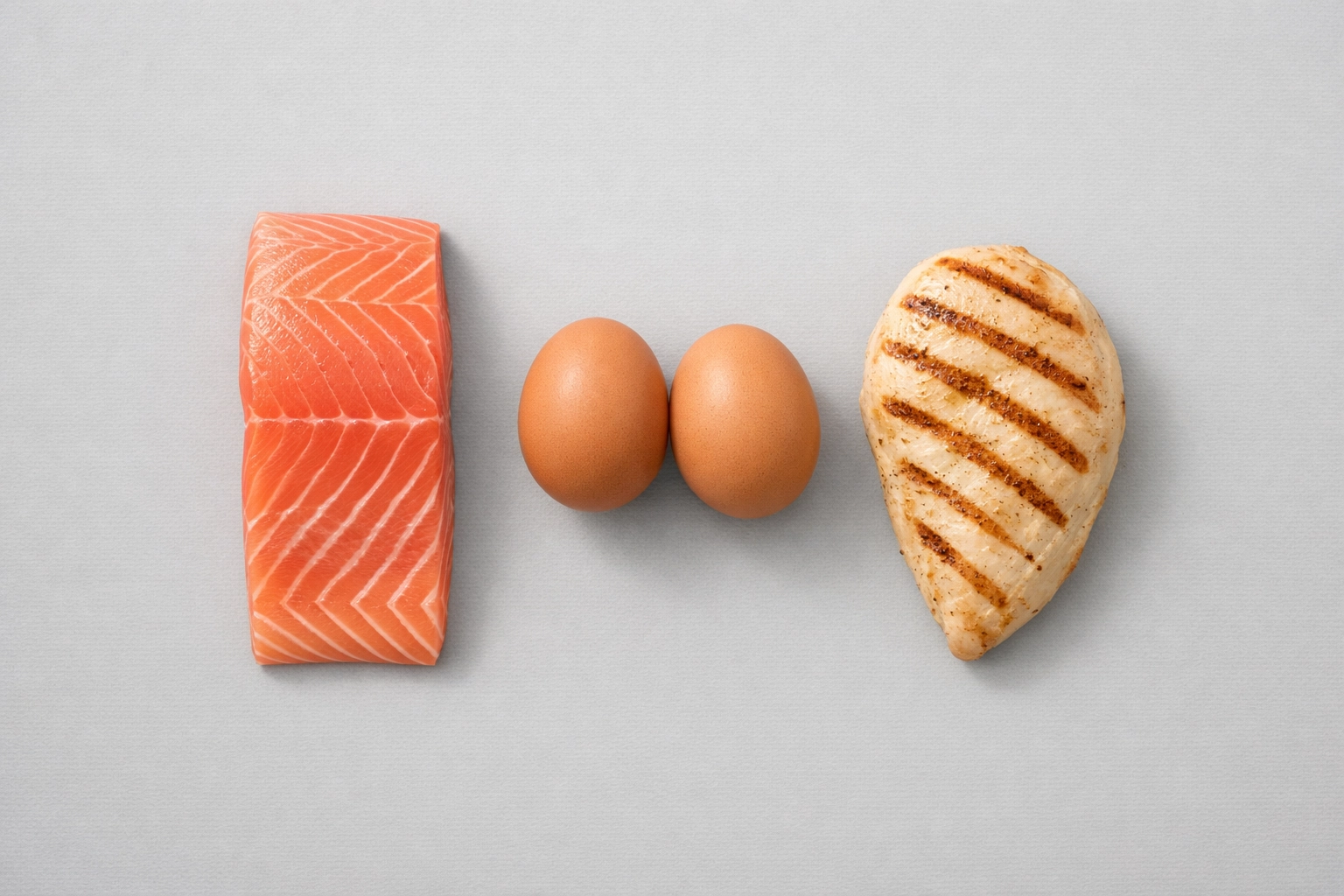
- Animal-Based: Chicken breast, turkey, lean beef, eggs, and wild-caught salmon.
- Dairy-Based: Greek yogurt (plain), cottage cheese, and high-quality whey or casein supplements.
- Plant-Based: Edamame, tempeh, and lupin beans.
For those focusing on muscle maintenance during weight loss, check out our strength and fitness collection to support your protein goals.
The "Balanced Plate" Method vs. Traditional Keto
While low-carb strategies are effective, 2026 nutritional science warns against "hardcore" keto for those on GLP-1 protocols. High-fat diets can slow gastric emptying even further, leading to nausea and digestive discomfort. Instead, use the Balanced Plate Method.
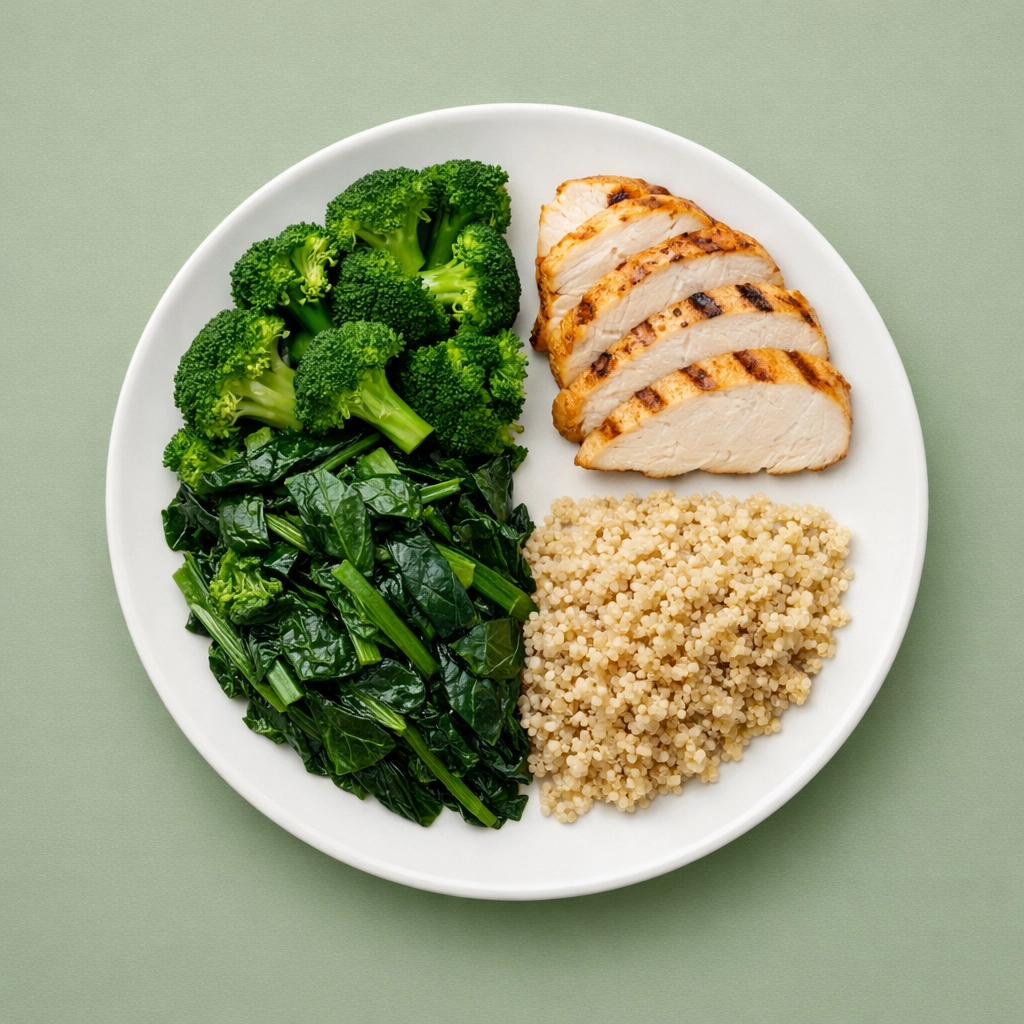
How to Structure Your Plate
- 50% Non-Starchy Vegetables: Leafy greens, broccoli, cauliflower, zucchini, and bell peppers.
- 25% Lean Protein: As calculated above.
- 25% Complex Carbohydrates: Quinoa, sweet potatoes, berries, or small portions of brown rice.
This structure provides enough glucose for brain function and workout energy while keeping insulin levels stable. If you are specifically looking to support your weight loss journey, you can find targeted supplements in our weight loss collection.
Fiber-Maxxing: The 2026 Gut Health Trend
Fiber is the "secret weapon" of GLP-1 eating habits. It slows digestion, provides bulk to your meals, and feeds the beneficial bacteria in your microbiome. In 2026, we call this "fiber-maxxing."
Why Fiber Matters Now
GLP-1 medications and high-protein diets can sometimes lead to sluggish digestion. Fiber ensures motility and metabolic health. Aim for 25–35 grams of fiber per day.
Top Fiber Sources for Low-Carb Diets:
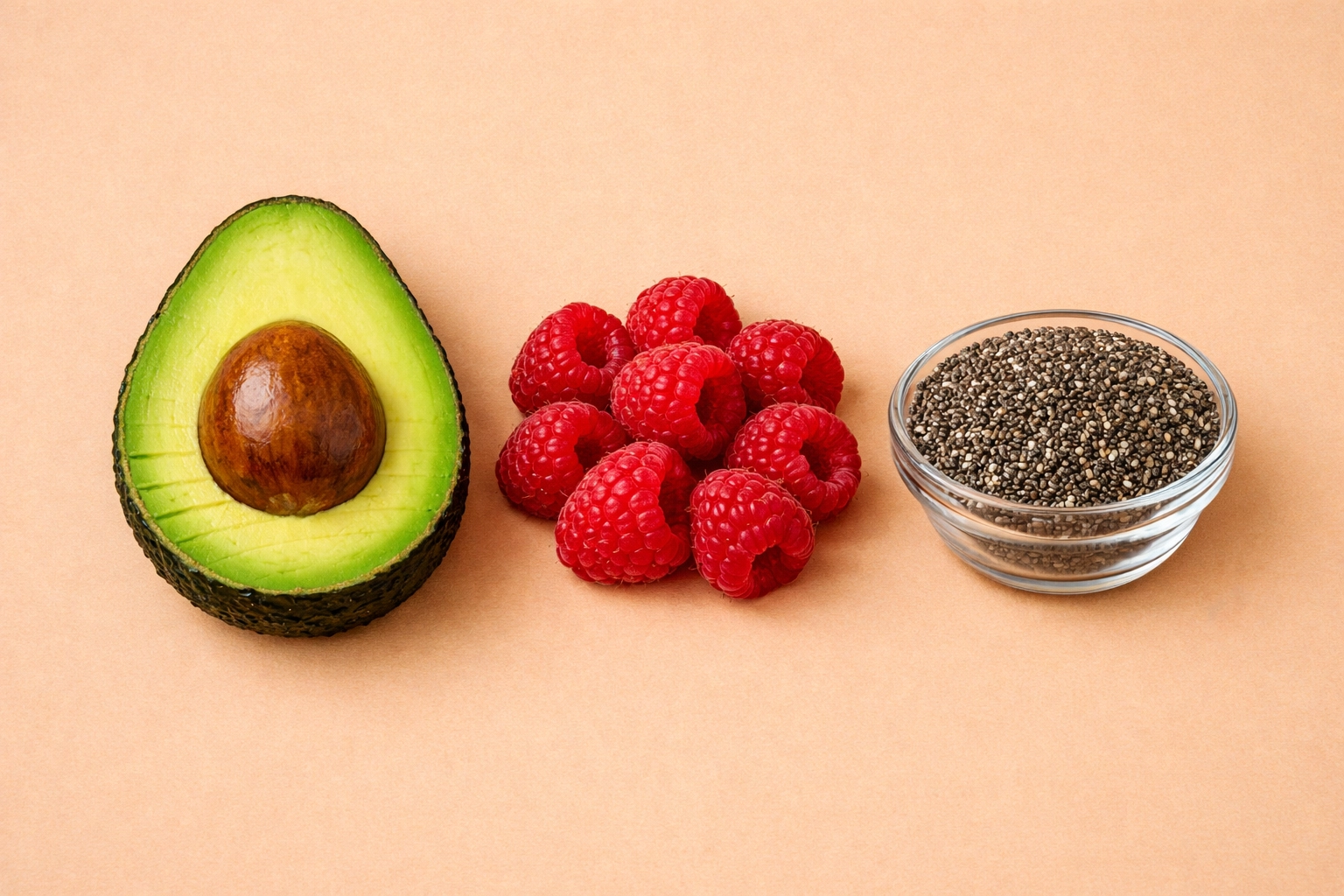
- Chia Seeds: 10g of fiber per 2 tablespoons.
- Avocado: 10g per medium fruit (also provides healthy fats).
- Raspberries: 8g per cup.
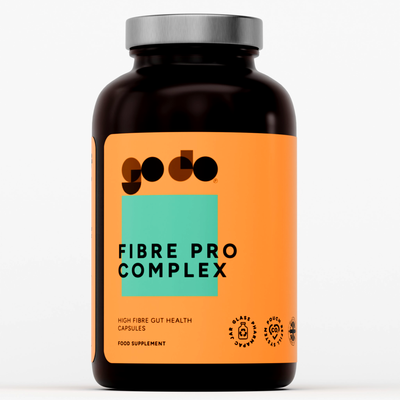
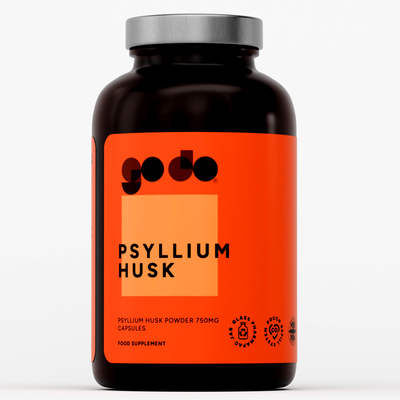
- Psyllium Husk: An excellent supplement for those struggling to hit fiber targets through whole foods alone.
For more information on optimizing your internal environment, explore our gut health collection.
Managing Slower Digestion and Side Effects
One of the hallmarks of GLP-1-style eating is "gastric emptying delay." Your food stays in your stomach longer, which helps you feel full but can also cause issues if not managed correctly.
Meal Timing and Frequency
In 2026, the trend has moved away from "One Meal a Day" (OMAD) and toward three smaller main meals and two high-protein snacks. This prevents you from feeling "overly stuffed" and ensures a steady stream of amino acids to your muscles.
- Stop eating 2–3 hours before bed: Because digestion is slower, eating late can lead to acid reflux or poor sleep quality.
- Prioritize hydration: Drink at least 2–3 liters of water daily. Slower digestion requires more water to process nutrients effectively.
The Role of Healthy Fats and Micronutrients
Low-carb does not mean no-fat. Healthy fats are essential for hormone production and the absorption of fat-soluble vitamins (A, D, E, and K). However, because fat is calorically dense and slows digestion, it should be used as a "condiment" rather than a main course.
Smart Fat Choices
- Extra virgin olive oil (drizzled, not drenched).
- Raw nuts and seeds (walnuts, almonds, pumpkin seeds).
- Fatty fish (mackerel, sardines).
Filling the Micronutrient Gap
Restricting carb groups can sometimes lead to deficiencies in B vitamins, magnesium, and potassium. Ensuring you have a solid foundation of vitamins and minerals is crucial for maintaining energy levels while in a calorie deficit. Furthermore, adding antioxidants can help combat the oxidative stress that often accompanies metabolic shifts.
A Sample Day in the GLP-1 Blueprint
To give you a concrete starting point, here is a typical day of eating that follows the high-protein, low-carb, high-fiber 2026 blueprint.
- Breakfast: 3 scrambled egg whites with 1 whole egg, spinach, and half an avocado.
- Mid-Morning Snack: A high-quality protein shake or a cup of Greek yogurt with a handful of raspberries.
- Lunch: Grilled chicken breast over a large bed of mixed greens, cucumbers, and bell peppers with a lemon-tahini dressing.
- Afternoon Snack: A small handful of almonds or a stick of string cheese.
- Dinner: Baked salmon with roasted asparagus and a small serving (1/2 cup) of quinoa.
- Evening: Herbal tea (Peppermint or Ginger to aid digestion).
Critical Safety and Practicality Tips
While this strategy is highly effective for weight management, you must listen to your body’s signals.
- Monitor for Fatigue: If you feel excessively tired, you may need to slightly increase your complex carbohydrate intake or check your electrolyte levels.
- Consult Professionals: Always speak with a healthcare provider before starting a significant new diet protocol, especially if you are taking GLP-1 medications.
- Consistency Over Perfection: One "high carb" day won't ruin your progress, but consistent protein intake will save your muscle mass.
For those looking to optimize their focus and mental clarity during this dietary transition, our nootropics collection can provide the cognitive support needed to stay on track.
Summary of the GLP-1 Blueprint
- Prioritize Protein: Aim for 0.7g to 1.0g per pound of goal body weight.
- Embrace the Plate: Fill half your plate with non-starchy vegetables to manage volume and fiber.
- Fiber-Max: Target 25-35g of fiber daily to support gut health and satiety.
- Small and Frequent: Eat smaller meals to accommodate slower gastric emptying.
- Hydrate: Increase water intake to support the metabolic process of fat loss.
Managing weight in 2026 is about being smarter, not just eating less. By focusing on the quality of your macros and the timing of your meals, you can achieve sustainable results while feeling energized and satiated. For all your nutritional support needs, visit Fitness Health to find the right supplements for your journey.