In the pursuit of weight loss and peak performance, the pendulum often swings to extremes. For several years, "zero-carb" and strict ketogenic protocols have dominated the health space. However, as we move through 2026, the conversation is shifting toward metabolic flexibility: the body’s ability to efficiently switch between burning fats and carbohydrates.
While cutting refined sugars and processed flours is objectively beneficial, eliminating fibrous carbohydrates entirely can lead to unintended metabolic consequences. Achieving optimal health isn't about removing an entire macronutrient; it is about choosing the right versions of that macronutrient to support your biological systems.
Here is why "carb-free" might be holding you back and three science-backed reasons why fibrous carbs are non-negotiable for your metabolic health.
1. Blood Sugar Regulation and Insulin Sensitivity
The primary argument for going carb-free is often to keep insulin levels low. While this works in the short term, the long-term goal should be high insulin sensitivity, not just low insulin production. Fibrous carbohydrates: specifically those containing soluble fiber: are essential tools for training your body to handle glucose efficiently.
The Mechanism of Soluble Fiber
When you consume fibrous vegetables, legumes, or seeds, the soluble fiber dissolves in water within the gut to form a gel-like substance. This gel acts as a physical barrier that slows down the absorption of glucose into the bloodstream. Instead of a rapid spike followed by a "crash," you experience a sustained, slow release of energy.
- Prevents Glucose Spikes: By slowing digestion, fiber prevents the sharp insulin surges that lead to fat storage and systemic inflammation.
- Improves Satiety: Fiber triggers stretch receptors in the stomach and promotes the release of satiety hormones like GLP-1, helping you feel full longer.
- Metabolic Training: Regularly consuming small amounts of complex, fibrous carbs keeps the glucose-burning pathways active, preventing the "physiological insulin resistance" sometimes seen in long-term zero-carb dieters.
For those struggling with blood sugar management, supplementing with Chromium Picolinate can provide additional support for healthy metabolism.

2. The Gut Microbiota and Metabolic Compounds
Your metabolism is not just a collection of human cells; it is heavily influenced by the trillions of bacteria living in your gut. These bacteria require fuel to survive, and their preferred fuel source is prebiotic fiber found in complex carbohydrates.
Short-Chain Fatty Acids (SCFAs)
When beneficial gut bacteria ferment fibrous carbs, they produce compounds called Short-Chain Fatty Acids, primarily butyrate, propionate, and acetate. These compounds are metabolic powerhouses:
- Reduced Inflammation: SCFAs help maintain the integrity of the gut lining, preventing "leaky gut" which can cause systemic inflammation: a primary driver of metabolic syndrome.
- Increased Fat Oxidation: Research indicates that SCFAs can stimulate the expression of genes involved in fat burning and reduce the storage of fat in adipose tissue.
- Appetite Control: These fatty acids communicate directly with the brain to signal fullness and regulate energy expenditure.
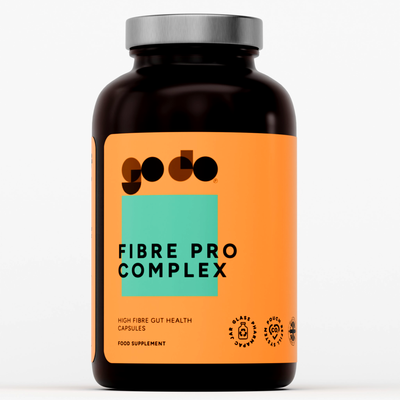
A diet devoid of fiber starves these beneficial bacteria. Over time, this leads to a less diverse microbiome, which is strongly correlated with obesity and insulin resistance. If you find it difficult to hit your daily fiber targets through whole foods alone, a supplement like Fibre Pro Capsules can bridge the gap by providing both prebiotics and probiotics.
3. Hormonal Balance and Metabolic Flexibility
The human body is highly adaptive, but it also has baseline requirements to function without being in a state of "stress." Long-term carbohydrate deprivation can, in some individuals, signal a state of scarcity to the endocrine system.
Thyroid and Cortisol Levels
The conversion of the thyroid hormone T4 (inactive) to T3 (active) is partially dependent on the presence of insulin and adequate glucose. T3 is the primary hormone responsible for regulating your basal metabolic rate. When carbohydrates are too low for too long, T3 levels can drop, causing the metabolism to slow down as a survival mechanism.
Furthermore, extremely low-carb diets can increase cortisol (the stress hormone). While cortisol is necessary for fat mobilization, chronically high levels contribute to water retention, muscle breakdown, and difficulty losing abdominal fat.
Preserving Lean Muscle Mass
The body requires a minimum amount of glucose (roughly 50 to 100 grams) for specific functions, including brain activity and red blood cell health. If you do not provide this through fibrous carbs, the body may undergo gluconeogenesis: a process where it breaks down protein (often from your own muscle tissue) to create glucose.
To protect your muscle mass during weight loss phases, ensure you are getting enough Zinc and Magnesium to support recovery and hormonal health.
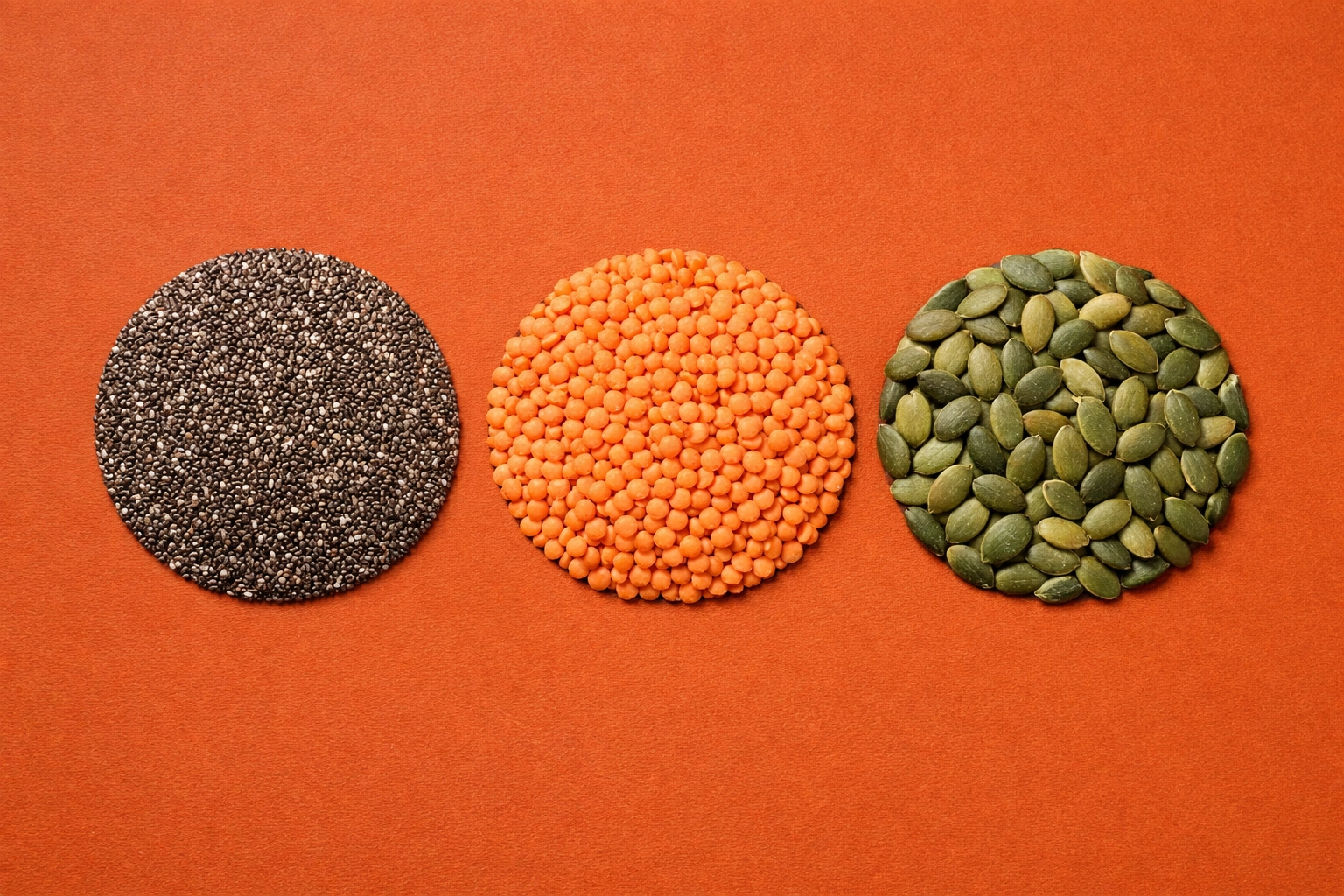
How to Implement "Fiber-Maxxing" Without the Bloat
If you have been low-carb for a long time, reintroducing fiber must be done strategically to avoid digestive discomfort. Follow these steps to optimize your intake:
Step 1: Prioritize Non-Starchy Fibrous Veg
Start with vegetables that provide high fiber volume with low net carbs.
- Leafy Greens: Spinach, kale, and Swiss chard.
- Cruciferous Veg: Broccoli, cauliflower, and Brussels sprouts.
- Asparagus and Celery: Excellent for prebiotic fiber.
Step 2: Incorporate Resistant Starch
Resistant starch behaves like fiber because it "resists" digestion in the small intestine and reaches the colon to feed your bacteria. Small amounts of cooled potatoes or green bananas can be beneficial for metabolic health without causing massive insulin spikes.
Step 3: Hydrate and Supplement Wisely
Fiber requires water to move through your system. Increase your water intake as you increase your fiber. For digestive support during this transition, consider Apple Cider Vinegar capsules to help prime your stomach for better digestion.
Key Takeaways for Metabolic Success
- Avoid the "Zero" Trap: Total carbohydrate elimination can lead to microbiome depletion and hormonal stagnation.
- Focus on Quality: Shift the focus from "how many carbs" to "how much fiber." Aim for 30–50 grams of fiber per day.
- Leverage SCFAs: Feed your gut bacteria to produce short-chain fatty acids that naturally boost fat burning and reduce inflammation.
- Listen to Your Body: If you feel lethargic, cold, or have hit a weight-loss plateau on zero-carb, your body might be asking for fibrous carbohydrates to jumpstart thyroid function.
Metabolic health is not about restriction; it is about providing the right inputs for your biological machinery. By including strategic, fibrous carbohydrates, you support your gut, your hormones, and your long-term ability to maintain a healthy weight.
For those looking to optimize their metabolic rate further, African Mango Extract is a popular choice for supporting weight management alongside a fiber-rich diet.

Summary Checklist:
- Daily Fiber Target: 30g+ for women, 38g+ for men.
- Diversity: Eat at least 10 different types of fibrous plants per week.
- Timing: Consume your highest-fiber foods early in the meal to blunt the glucose response of the rest of the food.
- Support: Use supplements like Vitamin B Complex to ensure your energy metabolism pathways have the necessary co-factors to function.