You're eating clean. You're hitting the gym four times a week. You're sleeping seven hours a night. But the scale won't budge, your energy is flat, and your lifts have plateaued for months.
The culprit might not be your training program or your macros. It could be chronic inflammation: a silent physiological process that disrupts everything from fat loss to muscle recovery to hormone function.
Here's what you need to know about how inflammation blocks results, how to identify it, and what to do about it.
What Chronic Inflammation Actually Does to Your Body
Inflammation isn't inherently bad. Acute inflammation: the kind you get after a hard workout or when fighting off a cold: is part of your body's normal healing response. It's temporary and necessary.
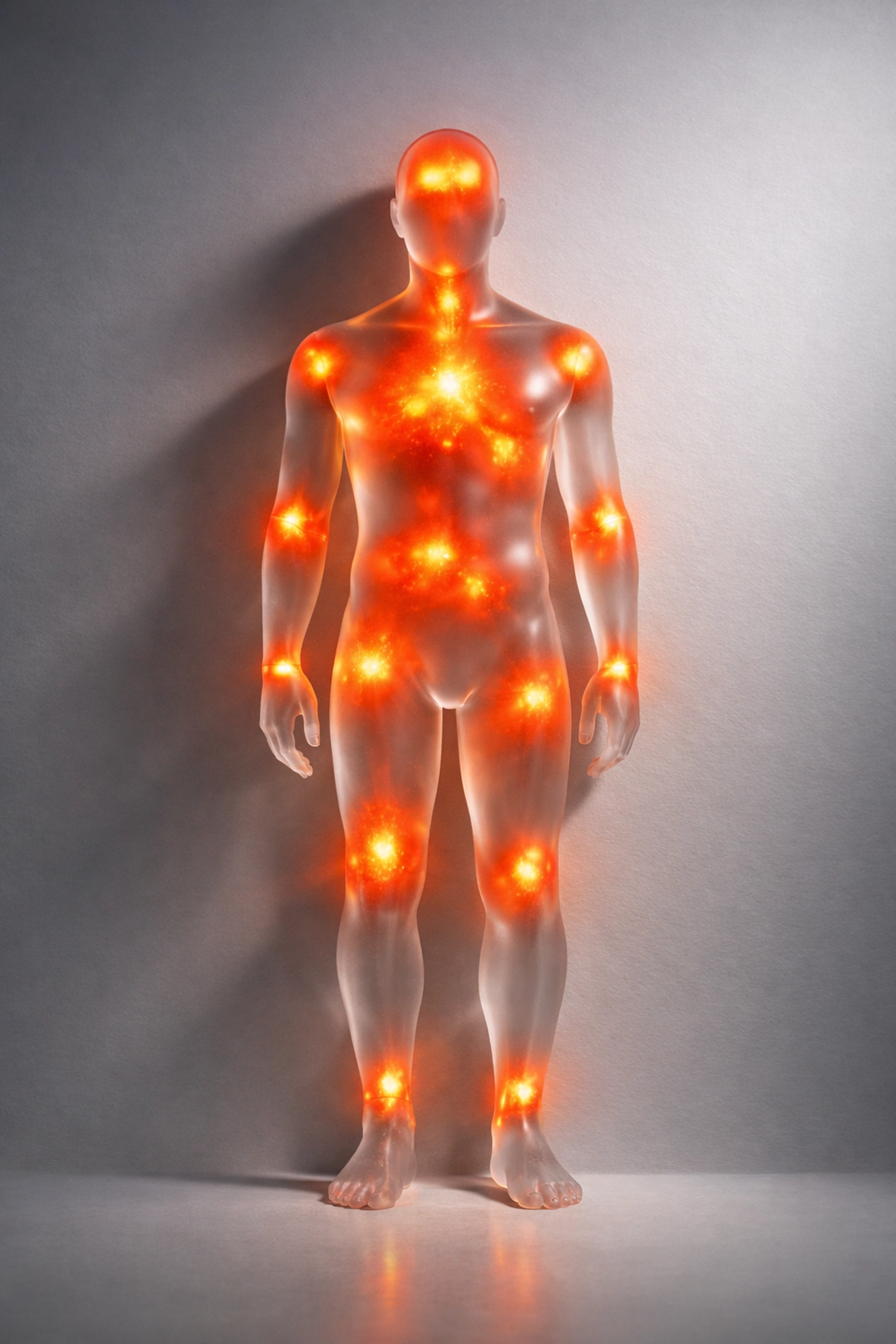
Chronic inflammation is different. It's low-grade, systemic, and persistent. Instead of healing tissues, it creates a constant state of stress that interferes with multiple body systems.
It Sabotages Insulin Sensitivity
Chronic inflammation directly antagonizes insulin action. Insulin is the hormone responsible for shuttling glucose from your bloodstream into muscle and liver cells. When inflammation disrupts this process, your cells become insulin resistant.
What this means for your results:
- Your body stores more fat, especially around your midsection
- Muscle cells struggle to absorb nutrients post-workout
- Energy levels crash between meals
- You're at higher risk for type 2 diabetes and metabolic syndrome
Research shows that inflammatory cytokines: proteins released during inflammation: block insulin receptors on cell surfaces. Your pancreas responds by pumping out more insulin, which eventually leads to weight gain and metabolic dysfunction.
It Amplifies Pain and Limits Training Capacity
When tissues are inflamed, they release chemicals like prostaglandins and bradykinin. These compounds sensitize nerve endings, making even light pressure feel painful.
In chronic cases, this creates central sensitization: permanent changes in your spinal cord and brain that amplify pain signals long after the original injury heals.
The practical impact:
- Joint pain that limits your range of motion
- Muscle soreness that doesn't resolve with rest
- Reduced tolerance for training volume
- Inability to push intensity during workouts
If you're constantly dealing with aches and stiffness that interfere with training, inflammation is likely involved.
The Hidden Ways Inflammation Kills Your Performance
Beyond the obvious physical symptoms, chronic inflammation creates systemic effects that directly undermine your fitness goals.
Fatigue That Doesn't Respond to Sleep
Inflammatory cytokines travel through your bloodstream and cross the blood-brain barrier. Once in your central nervous system, they trigger neurological responses including:
- Persistent fatigue that rest doesn't fix
- Decreased motivation to train
- Reduced physical activity levels outside the gym
- Cognitive fog that affects focus during workouts
This is why you can sleep eight hours and still wake up feeling exhausted. The inflammation is creating biological fatigue at the cellular level.
Impaired Recovery Between Sessions
Muscle growth happens during recovery, not during training. When chronic inflammation is present, your body struggles to complete the repair process efficiently.
Inflammation disrupts protein synthesis: the mechanism your muscles use to rebuild stronger after training. It also interferes with glycogen replenishment, meaning your muscles don't fully refuel between sessions.
The result: You accumulate fatigue faster, recover slower, and make minimal progress despite consistent training.
Cognitive Effects That Undermine Consistency
Inflammatory markers can cause memory lapses, confusion, and difficulty concentrating. This affects your ability to:
- Stick to a training plan consistently
- Track workouts and progressive overload
- Make good nutrition decisions throughout the day
- Maintain the mental discipline required for long-term results
When your brain is fighting low-level inflammation, everything feels harder than it should.
Signs You're Dealing with Chronic Inflammation
Most people don't realize inflammation is the problem because the symptoms are subtle and varied. Watch for these patterns:
Physical indicators:
- Joint stiffness, especially in the morning
- Persistent muscle soreness that doesn't improve with rest days
- Digestive issues like bloating, gas, or irregular bowel movements
- Skin problems including acne, eczema, or psoriasis
- Frequent minor illnesses or slow wound healing
Performance indicators:
- Strength plateaus that last longer than 4-6 weeks
- Inability to increase training volume without getting run down
- Excessive fatigue during or after workouts
- Poor pump during resistance training
- Longer recovery times between sets
Metabolic indicators:
- Stubborn fat around your midsection despite a calorie deficit
- Blood sugar crashes between meals
- Difficulty building muscle even with adequate protein intake
- Water retention that fluctuates significantly day-to-day
If three or more of these apply to you consistently, inflammation is likely interfering with your results.

What Actually Causes Chronic Inflammation
Understanding the root causes helps you address the problem instead of just managing symptoms.
Dietary Triggers
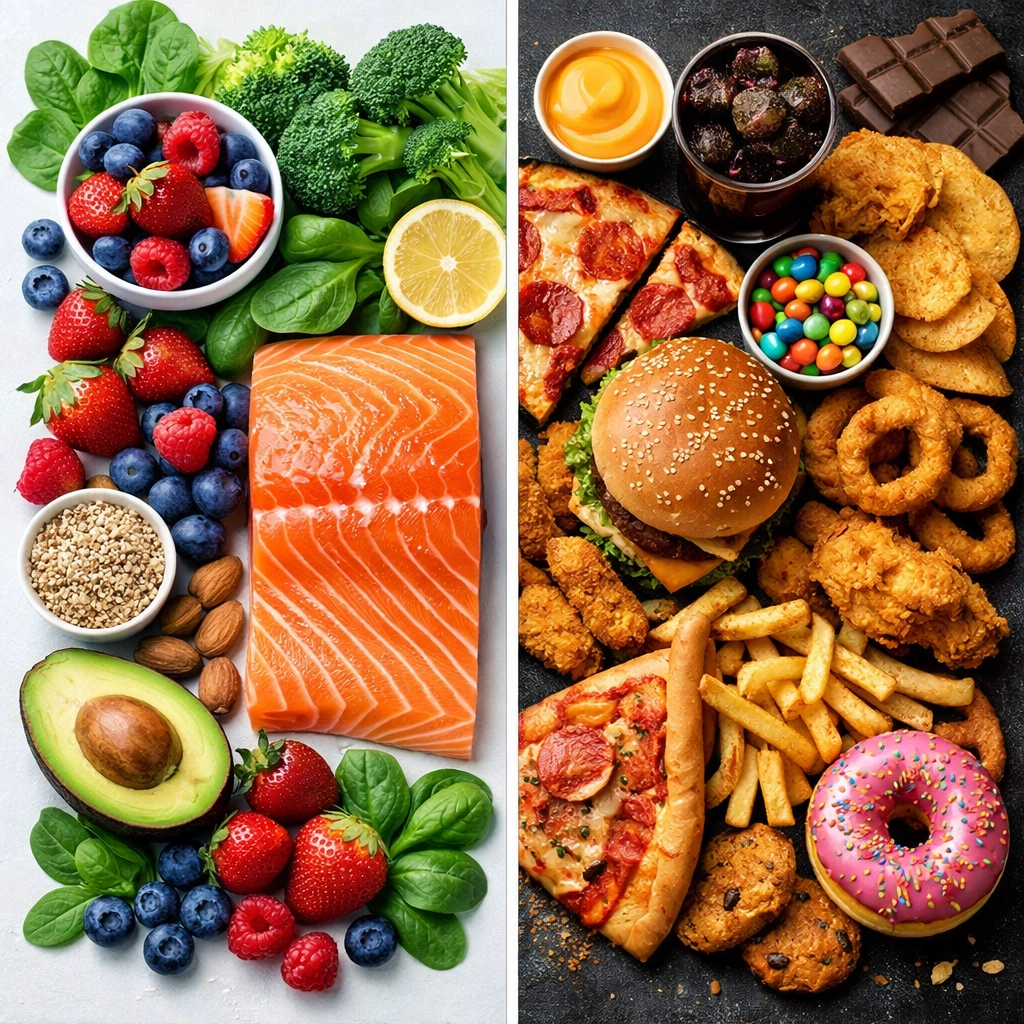
Certain foods promote inflammatory responses:
- Refined carbohydrates and added sugars
- Industrial seed oils high in omega-6 fatty acids
- Processed meats with high sodium and preservatives
- Alcohol in excess of moderate intake
- Foods you're personally sensitive or allergic to
Even "healthy" foods can be inflammatory if you have individual sensitivities. Common culprits include gluten, dairy, nightshades, and lectins.
Lifestyle Factors
- Chronic stress: Elevated cortisol promotes inflammatory cytokine production
- Poor sleep quality: Less than 7 hours consistently increases inflammatory markers
- Sedentary behavior: Lack of movement outside formal exercise sessions
- Overtraining: Excessive volume without adequate recovery creates systemic stress
- Environmental toxins: Exposure to pollutants, chemicals, and endocrine disruptors
Gut Health Disruption
Your gut houses 70% of your immune system. When gut barrier function is compromised: a condition called intestinal permeability or "leaky gut": partially digested food particles and bacteria can enter your bloodstream, triggering immune responses and inflammation.
Factors that damage gut health include antibiotics, NSAIDs, chronic stress, alcohol, and diets low in fiber and diversity.
How to Reduce Inflammation and Unlock Your Results
Addressing inflammation requires a multi-pronged approach. Here's what actually works.
Step 1: Identify and Eliminate Food Triggers
Consider a 30-day elimination protocol:
- Remove common inflammatory foods: gluten, dairy, refined sugar, alcohol, and processed foods
- Track symptoms daily including energy, digestion, pain levels, and sleep quality
- Reintroduce one food group at a time after 30 days
- Monitor for reactions over 48-72 hours before adding the next group
This helps you identify specific triggers rather than guessing.
Step 2: Prioritize Anti-Inflammatory Foods
Build your diet around:
- Fatty fish: Salmon, mackerel, sardines (3-4 servings weekly)
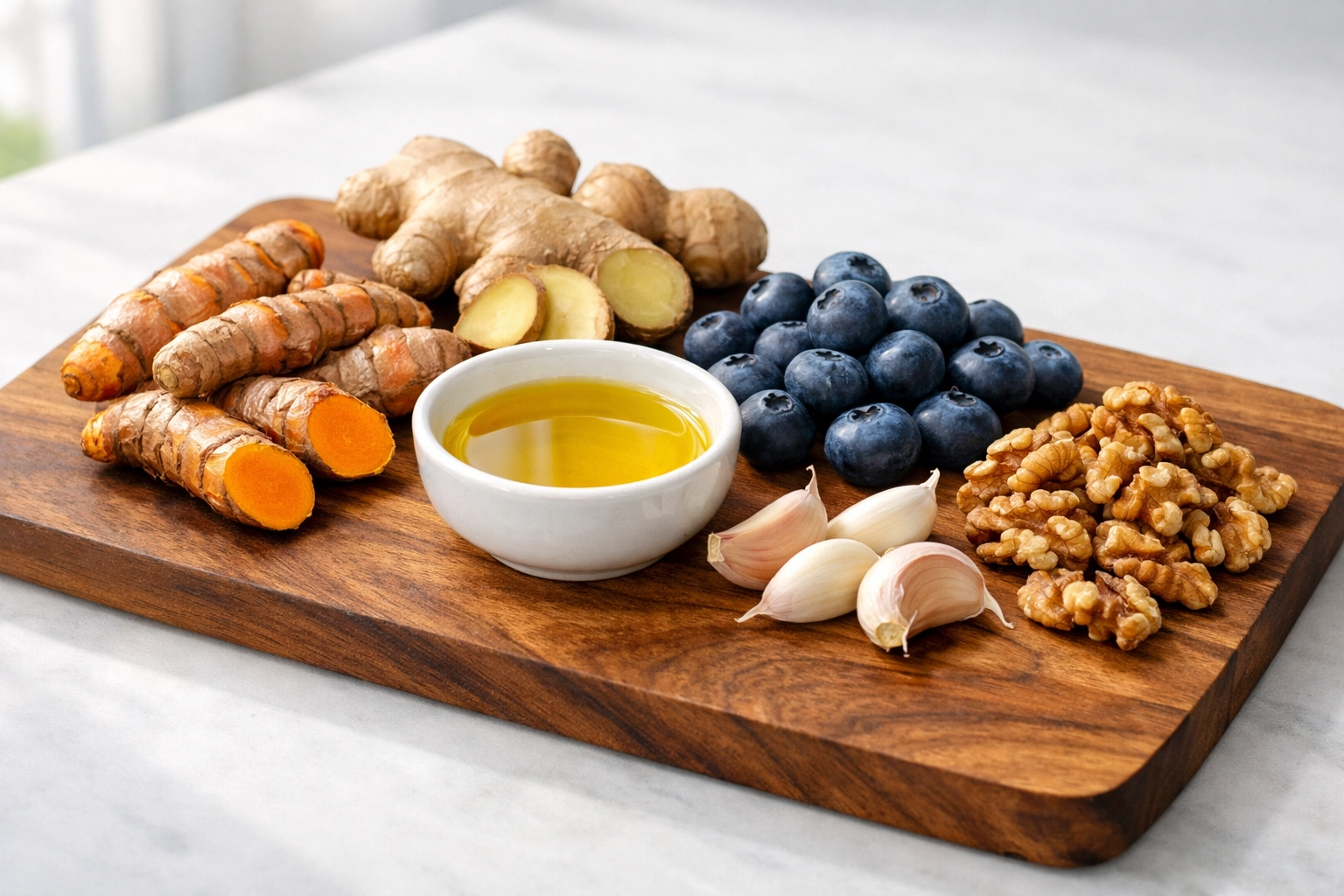
- Colorful vegetables: Especially leafy greens, cruciferous vegetables, and berries
- Healthy fats: Extra virgin olive oil, avocados, nuts, seeds
- Herbs and spices: Turmeric, ginger, garlic, cinnamon
- Fermented foods: Yogurt, kefir, sauerkraut, kimchi for gut health
Aim for 8-10 servings of vegetables daily and include omega-3-rich fish at least three times per week.
Step 3: Optimize Recovery Practices
- Sleep 7-9 hours consistently: Set a fixed bedtime and create a dark, cool environment
- Manage training volume: Track weekly volume and avoid increases greater than 10% per week
- Include true rest days: At least one day weekly with no structured exercise
- Consider active recovery: Light walking, swimming, or yoga on off days
- Practice stress management: 10-15 minutes daily of meditation, breathwork, or similar practices
You can learn more about structuring recovery properly in our guide on training to failure.
Step 4: Support Gut Health
- Eat 30+ different plant foods weekly for microbiome diversity
- Include prebiotic fiber from vegetables, legumes, and whole grains
- Add fermented foods daily
- Consider a probiotic supplement with multiple strains
- Minimize unnecessary antibiotic use and NSAIDs
Step 5: Address Lifestyle Factors
- Reduce alcohol to 2-3 drinks weekly maximum
- Minimize exposure to endocrine-disrupting chemicals in plastics and personal care products
- Move throughout the day, not just during structured workouts
- Get morning sunlight exposure to regulate circadian rhythm
- Maintain social connections and manage psychological stress

When to Consider Testing and Professional Help
If you've addressed lifestyle factors for 6-8 weeks without improvement, consider working with a healthcare provider who can order inflammatory marker testing:
- High-sensitivity C-reactive protein (hs-CRP): General inflammation marker
- Erythrocyte sedimentation rate (ESR): Measures how quickly red blood cells settle
- Complete blood count: Can reveal signs of chronic inflammation
- Food sensitivity testing: Identifies specific immune reactions to foods
Persistently elevated markers may indicate underlying conditions like autoimmune disease, chronic infections, or metabolic disorders that require medical treatment.
The Bottom Line
Chronic inflammation operates silently, disrupting insulin sensitivity, amplifying pain, creating systemic fatigue, and interfering with recovery. It's entirely possible to do everything "right" with training and nutrition while inflammation sabotages your progress behind the scenes.
The solution isn't a single supplement or quick fix. It requires identifying and removing inflammatory triggers, supporting your body's natural anti-inflammatory mechanisms through diet and lifestyle, and prioritizing recovery as seriously as you prioritize training.
Address inflammation systematically over 8-12 weeks, and you'll likely see improvements not just in body composition and performance, but in energy, sleep quality, and overall well-being. The results you've been working for are often waiting on the other side of resolving chronic inflammation.