![[HERO] The Ultimate Guide to Intra-Workout Fueling: When and Why to Use Electrolytes](https://cdn.marblism.com/JKeDLlObl4m.webp)
You're 45 minutes into a long run, and suddenly your legs feel like they're made of concrete. Your mouth is parched despite drinking water, and you can feel a cramp threatening to sideline you completely. Sound familiar? You're probably not just dehydrated, you're running low on electrolytes.
Understanding when to use electrolytes during workout sessions can be the difference between hitting a new personal best and bonking halfway through. Let's break down exactly when, why, and how to fuel with electrolytes during exercise.
When to Use Electrolytes During Workout: The 60-Minute Rule
Here's the baseline: if your workout lasts longer than 60-90 minutes, you need electrolytes. Plain water isn't enough once you cross that threshold.
For shorter sessions, say, a quick 30-minute weight session or a gentle yoga flow: your body can typically manage on its own, provided you eat a balanced diet throughout the day. But once you're into endurance territory, the game changes entirely.
High-priority situations for intra-workout electrolytes:
- Training sessions exceeding 90 minutes
- High-intensity intervals or prolonged cardio
- Exercise in hot or humid conditions (summer runs, heated studios)
- Multiple training sessions in one day
- Early morning fasted workouts

The heat factor deserves special attention. Training in temperatures above 25°C dramatically increases your sweat rate, which means you're losing sodium, potassium, magnesium, and calcium at an accelerated pace. That Sunday long run in July? Electrolytes are non-negotiable.
Why Your Muscles Actually Need Electrolytes During Exercise
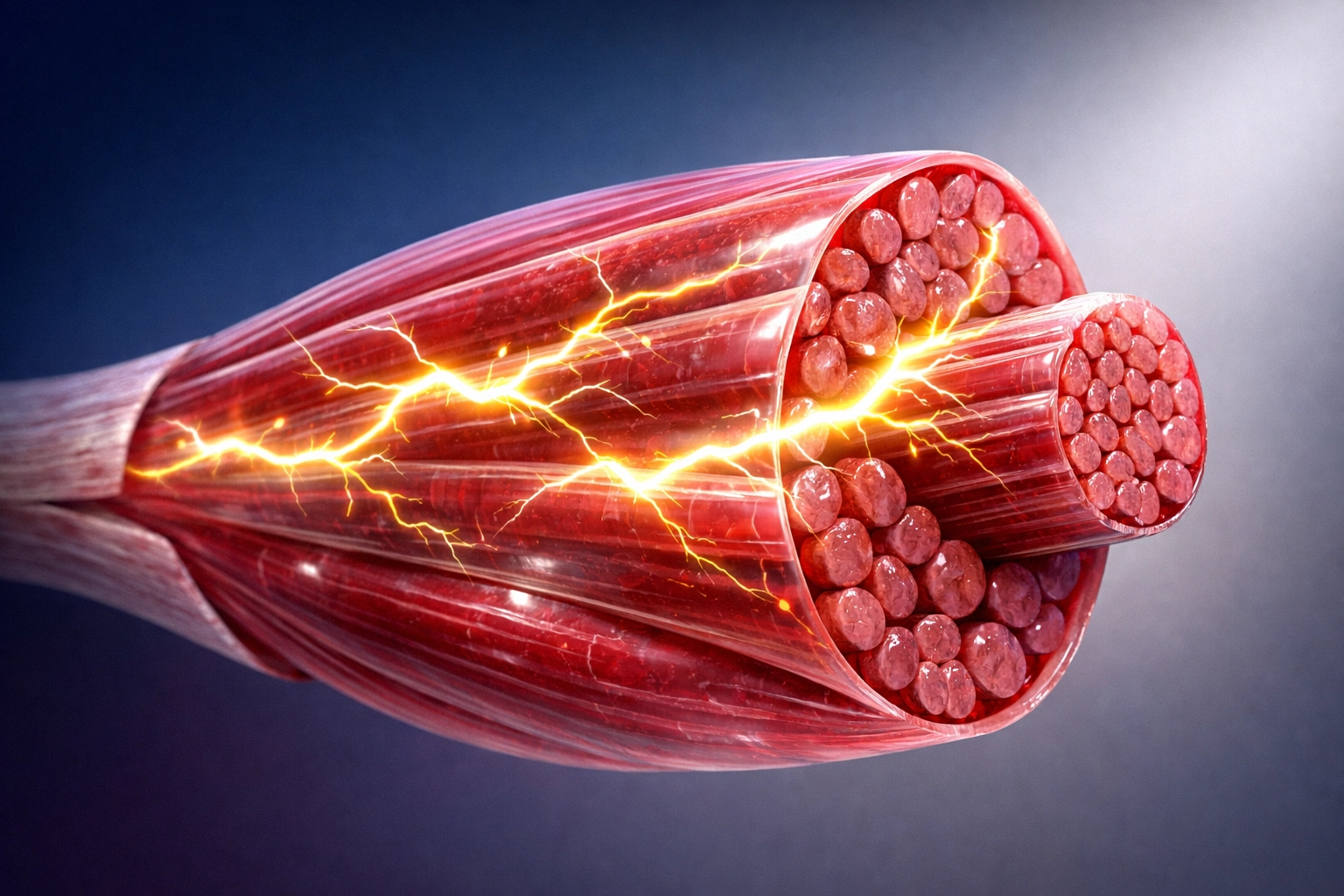
Electrolytes aren't just fancy marketing: they're essential minerals that carry electrical charges in your body. During exercise, they serve four critical functions:
1. Muscle Contraction Control
Every single muscle contraction relies on electrical signals transmitted by sodium, potassium, calcium, and magnesium. When these minerals drop below optimal levels, your muscles literally can't fire properly. That's why cramping happens: it's not just fatigue, it's an electrolyte imbalance interrupting nerve signals.
2. Fluid Balance Maintenance
Water alone doesn't hydrate your cells effectively. Electrolytes: particularly sodium: pull water into your cells where it's actually needed. Without adequate electrolytes, you can drink litres of water and still remain functionally dehydrated at the cellular level.
3. Cardiovascular Efficiency
Proper electrolyte balance maintains blood volume, which reduces strain on your heart during prolonged exercise. When electrolyte levels drop, your blood becomes more dilute, forcing your cardiovascular system to work harder to deliver oxygen to working muscles.
4. Temperature Regulation
Electrolytes play a key role in thermoregulation: your body's ability to maintain a stable core temperature during intense activity. This becomes particularly important during summer training or in heated indoor environments.
Best Intra-Workout Fueling for Endurance: Timing and Dosage
The strategy isn't to chug a massive sports drink all at once. The best intra-workout fueling for endurance involves small, frequent sips every 15-20 minutes.
Practical fueling protocol:
- Consume 150-300ml (roughly 5-10 ounces) every 15-20 minutes
- Adjust volume based on your sweat rate and exercise intensity
- Start fueling from the 30-minute mark, not waiting until you feel thirsty
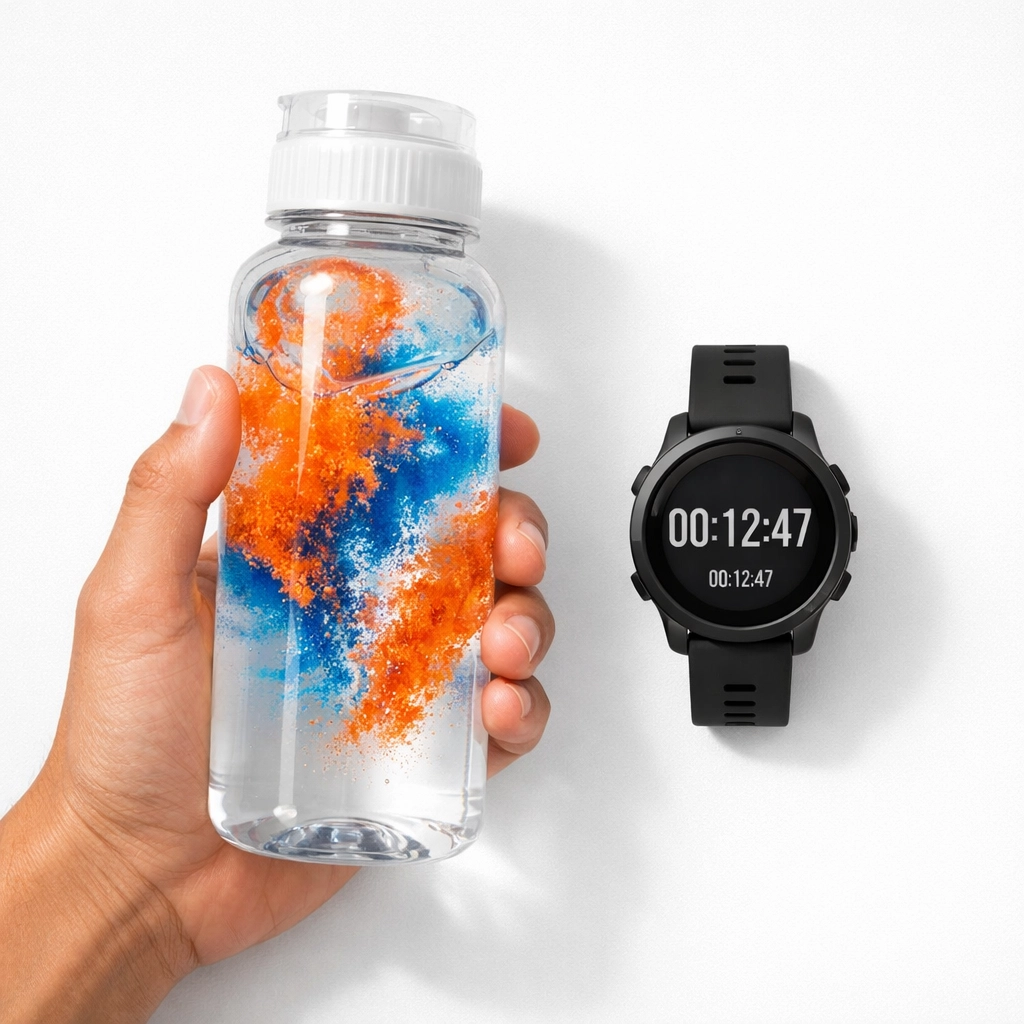
- Use electrolyte packets or tablets dissolved in your water bottle
Thirst is a lagging indicator: by the time you feel parched, you're already dehydrated. Setting a timer on your watch or using distance markers (every 2km, for example) helps maintain consistent fueling.
Sweat rate matters: A heavier sweater needs more frequent electrolyte intake than someone who barely perspires. You can determine your sweat rate by weighing yourself before and after a one-hour training session. For every kilogram lost, that's roughly one litre of fluid you've sweated out.
Signs You Need Electrolytes During Your Workout
Your body sends clear signals when electrolyte levels are dropping. Don't ignore these warnings:
Immediate signs:
- Muscle cramps or twitching
- Unusual fatigue despite adequate sleep
- Headache developing mid-workout
- Dizziness or light-headedness
- Nausea or stomach upset
Performance indicators:
- Inability to maintain your usual pace
- Heaviness in legs that doesn't match effort level
- Mental fog or difficulty concentrating
- Excessive thirst despite drinking water
If you're experiencing multiple symptoms, particularly during longer sessions, your electrolyte strategy needs adjustment. Don't wait for full-blown cramping: that's your body's emergency alarm, not an early warning system.
Choosing the Right Electrolyte Solution for Training
Not all electrolyte products are created equal. Here's what to look for when selecting your intra-workout fuel:
Essential mineral content:
- Sodium: 200-500mg per serving (the most critical electrolyte lost in sweat)
- Potassium: 50-150mg per serving
- Magnesium: 20-50mg per serving
- Calcium: 20-50mg per serving
Avoid unnecessary additions:
- Excessive sugar (unless you're in ultra-endurance territory requiring carbohydrate fuel)
- Artificial colours and flavours
- Proprietary blends without clear mineral quantities
Fitness Health offers targeted hydration solutions designed specifically for endurance athletes. These formulations balance essential electrolytes without the unnecessary extras found in many commercial sports drinks. The key is finding a solution that tastes good enough to drink consistently: even the best formulation is useless if it sits untouched in your bottle.
Electrolytes Beyond Just Sodium: The Complete Picture
While sodium gets the most attention (rightfully so, as it's lost in the highest quantities through sweat), the other minerals play equally important roles:
Potassium works alongside sodium to regulate fluid balance and prevent muscle cramping. It's particularly important for heart function during prolonged exercise.
Magnesium supports over 300 enzymatic reactions in your body, including energy production and muscle relaxation. Low magnesium is often the hidden culprit behind persistent cramping.
Calcium isn't just for bones: it's essential for muscle contractions and nerve signalling during exercise.
A complete electrolyte solution addresses all four minerals in appropriate ratios, not just sodium alone.
Pre-Loading and Post-Workout Electrolyte Strategy
Intra-workout fueling works best when it's part of a complete hydration strategy:
Before exercise: Start your workout properly hydrated. Drink 400-600ml of water with electrolytes 2-3 hours before training, allowing time for absorption and bladder emptying.
During exercise: Follow the 15-20 minute sipping protocol outlined above.
After exercise: Continue electrolyte intake for 2-3 hours post-workout, particularly if you've done an intense or long session. Your body needs time to fully restore electrolyte balance and rehydrate at the cellular level.
Special Considerations for Different Training Types
Marathon and ultra-distance running: These require the most aggressive electrolyte strategy. Aim for the higher end of sodium intake (400-500mg per hour) and consider sodium loading the day before long runs.
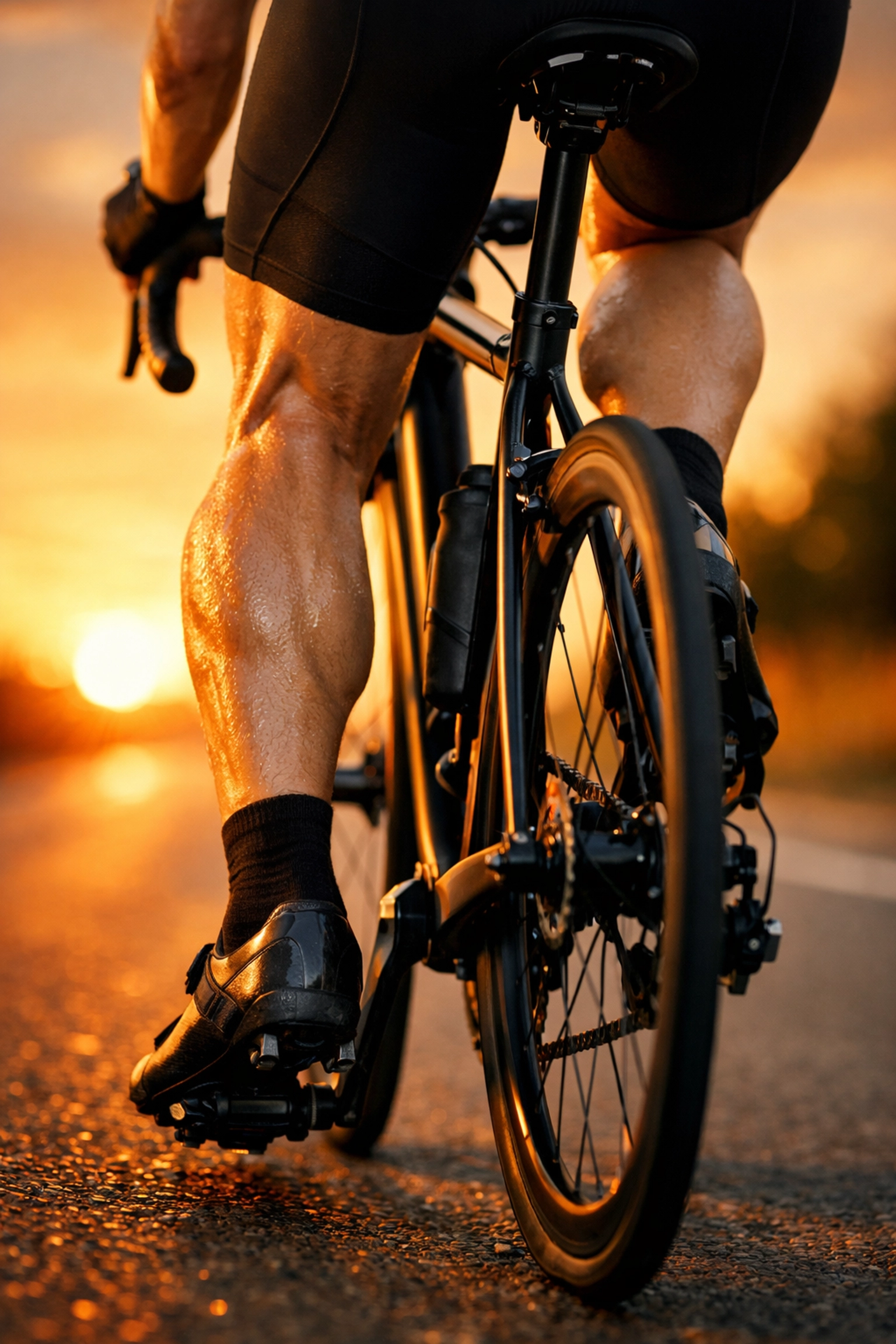
Cycling: The seated position and airflow reduce perceived sweat rate, but you're still losing significant electrolytes. Don't be fooled by feeling less sweaty: fuel consistently.
Triathlon training: Swimming masks sweat entirely, but you're still losing electrolytes. Include electrolytes in your water bottle for pool-side sipping during rest intervals.
High-intensity interval training (HIIT): Even though sessions are shorter, the intensity drives up sweat rate dramatically. If your HIIT session exceeds 45 minutes, electrolytes are beneficial.
Strength training: Standard sessions typically don't require intra-workout electrolytes, but high-volume training days (2+ hours) or circuit-style workouts benefit from electrolyte support.
Common Mistakes to Avoid
Mistake 1: Waiting until you're thirsty. Thirst indicates you're already 2% dehydrated, which can reduce performance by 10-15%.
Mistake 2: Drinking only water during long efforts. This can lead to hyponatremia (dangerously low blood sodium levels), particularly in endurance events.
Mistake 3: Overcomplicating the strategy. You don't need different products for different conditions. Find one quality electrolyte solution and use it consistently.
Mistake 4: Ignoring individual sweat rate. Your training partner's fueling strategy might not work for you. Experiment during training to find your optimal intake.
The Bottom Line on Intra-Workout Fueling
Understanding when to use electrolytes during workout sessions isn't complicated: if you're exercising for more than 60-90 minutes, working at high intensity, or training in heat, you need them. Period.
The best intra-workout fueling for endurance involves consistent, small sips every 15-20 minutes using a complete electrolyte formula that includes sodium, potassium, magnesium, and calcium. Don't wait for symptoms: fuel proactively from the start of longer sessions.
Your performance, recovery, and long-term training consistency all improve when you prioritize proper electrolyte balance. It's not about chasing the latest supplement trend: it's about giving your body the minerals it's actively losing through sweat so you can train harder, recover faster, and perform at your best.
Ready to dial in your hydration strategy? Start by tracking your next few long training sessions, noting when you feel symptoms, and adjusting your electrolyte intake accordingly. Your legs (and your race times) will thank you.