You've heard it a thousand times: "progressive overload is the key to building muscle." But here's the thing, most people are doing it completely wrong. They're adding weight when they shouldn't, ignoring other forms of progression, and wondering why their gains have stalled or why they're constantly injured.
Progressive overload isn't complicated, but it requires more nuance than just slapping another plate on the bar every week. Let's break down what most lifters misunderstand and how to actually apply this principle for consistent, long-term results.
What Progressive Overload Actually Means
Progressive overload is the gradual increase of stress placed on your muscles during training. The keyword here is "gradual." Your body adapts to the demands you place on it, so to keep growing stronger and building muscle, you need to continually challenge it in new ways.
But here's where the confusion starts: most people think progressive overload only means adding weight to the bar. That's one method, but it's far from the only one.
The Biggest Mistakes Lifters Make
Mistake #1: Thinking It's Only About Adding Weight
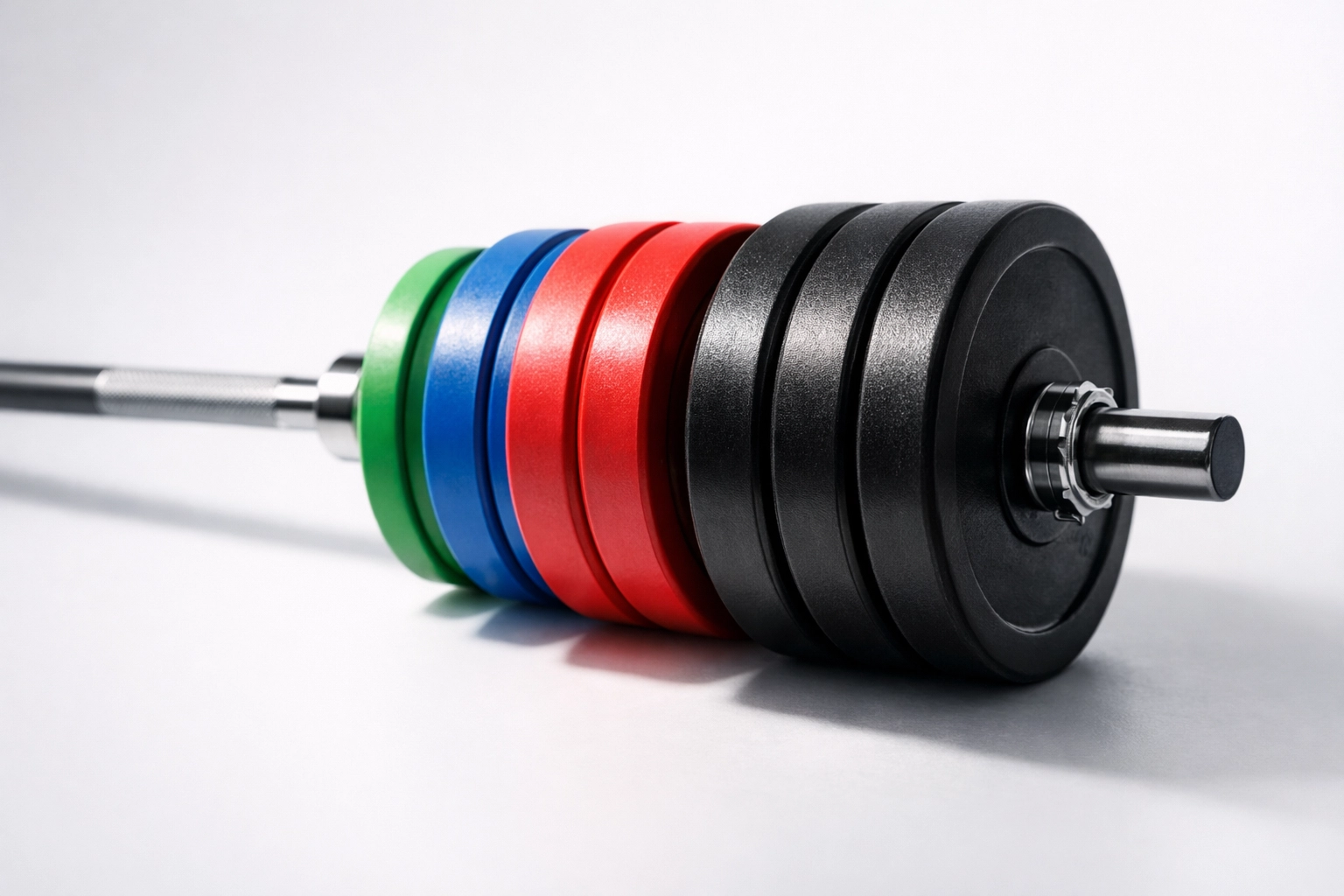
This is the most common misconception. Yes, increasing load is a form of progressive overload, but it's not the only variable you can manipulate. When you fixate solely on adding weight, you hit plateaus faster and increase your injury risk.
Other forms of progressive overload include:
- Increasing repetitions (doing 10 reps instead of 8 at the same weight)
- Adding sets (performing 4 sets instead of 3)
- Reducing rest periods between sets (going from 90 seconds to 60 seconds)
- Improving tempo (slowing down the eccentric portion of the lift)
- Increasing training frequency (training a muscle group twice per week instead of once)
- Improving range of motion (squatting deeper with proper form)
When you understand that all of these count as progression, you suddenly have multiple tools in your toolbox instead of just one.
Mistake #2: Ignoring the 10% Rule
The Principle of Progression states that increases in time, weight, or intensity should stay within 10% or less each week. This allows your body to adapt gradually while minimizing injury risk.
Yet walk into any gym and you'll see someone who benched 60kg last week trying to hit 70kg this week. That's a 16% jump: far too aggressive for sustainable progress.
Here's what the 10% rule looks like in practice:
- If you're squatting 100kg for 5 reps, aim for 105kg next week (or stick with 100kg and add a rep)
- If you're running 5km, increase to 5.5km the following week
- If you're doing 3 sets of an exercise, add a fourth set before increasing weight significantly
Small, consistent increases compound over time. A 5% increase per week might not feel impressive in the moment, but over 12 weeks, that's a 60% increase in total training volume.

Mistake #3: Confusing Progressive Overload with Ego Lifting
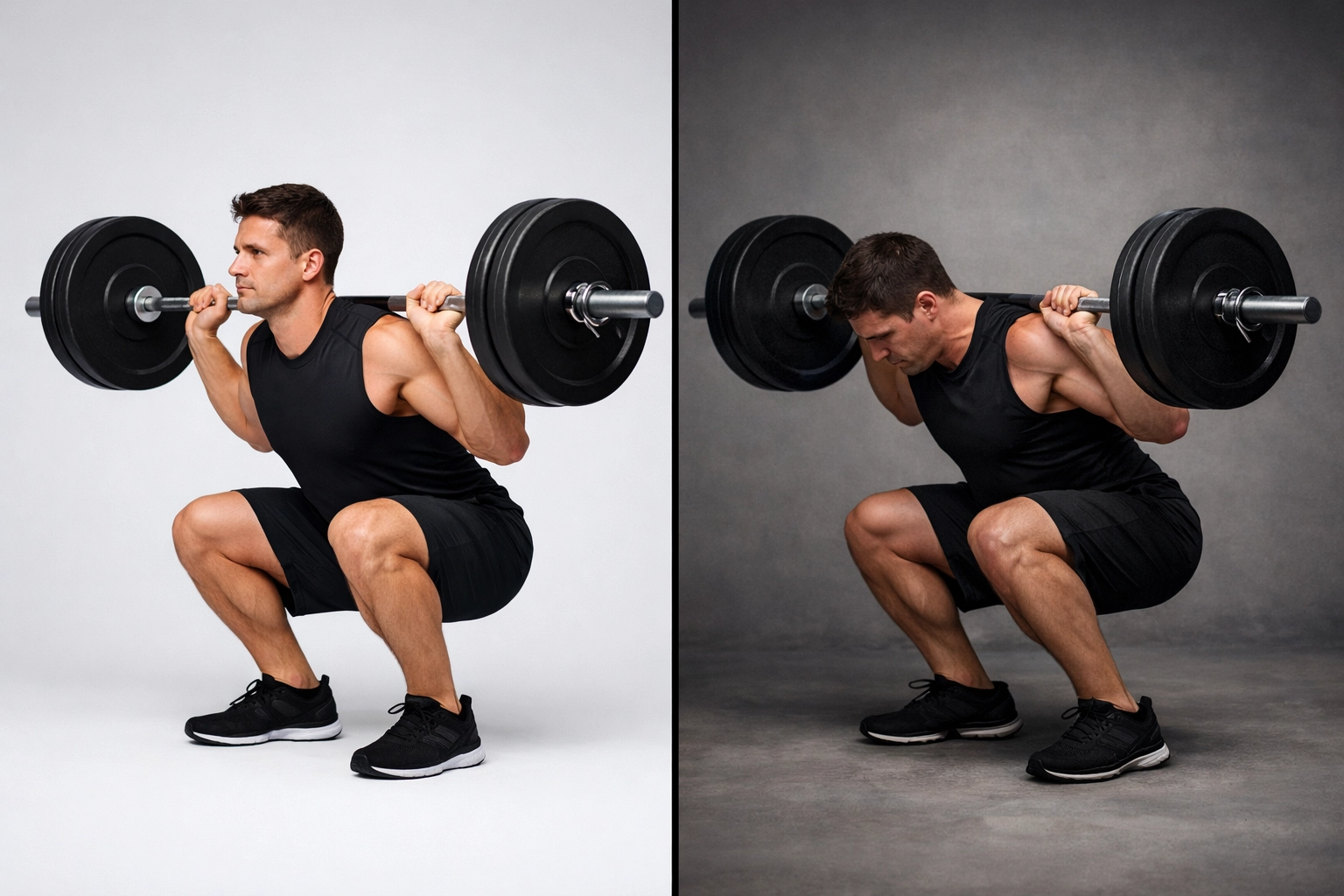
Ego lifting is when you load the bar with more weight than you can handle with proper form, purely to lift a bigger number. This isn't progressive overload: it's a fast track to injury and compromised muscle development.
Progressive overload requires controlled, deliberate increases where you maintain proper form throughout the entire range of motion. If you need to use momentum, partial reps, or questionable technique to complete the lift, you're not progressively overloading: you're just lifting recklessly.
Signs you're ego lifting instead of progressively overloading:
- Your form breaks down significantly on the last few reps
- You need a spotter to complete basic working sets
- You feel joint pain rather than muscle fatigue
- You can't control the eccentric (lowering) portion of the lift
- You're bouncing weights off your chest or using momentum
If this describes your training, drop the weight by 10-15% and focus on perfecting your technique. You'll build more muscle and stay injury-free. Check out our guide on training to failure to understand when pushing hard helps versus when it hurts your progress.
Mistake #4: Progressing Every Single Session
Your body doesn't adapt during the workout: it adapts during recovery. If you try to add weight or reps every single training session, you'll quickly overtrain and stall out.
A smarter approach includes:
- Micro-cycles where you progress for 3-4 weeks, then deload
- Alternating between intensity weeks (heavier weight, fewer reps) and volume weeks (lighter weight, more reps)
- Planning progression over monthly blocks rather than session-to-session
Most effective programs include a deload week every 4-6 weeks where you reduce volume or intensity by 40-50%. This isn't wasted time: it's allowing your nervous system and connective tissues to fully recover before you push forward again.
Mistake #5: Forgetting That Beginners and Advanced Lifters Progress Differently
If you've been training for six months, you can probably add weight or reps every week. If you've been training for five years, progression will be much slower: and that's completely normal.
Progression rates by experience level:
- Beginners (0-1 year): Can often progress weekly
- Intermediate (1-3 years): Progress every 2-4 weeks
- Advanced (3+ years): Progress every 4-8 weeks or longer
If you're an intermediate lifter trying to maintain a beginner's rate of progression, you'll burn out. Match your expectations to your experience level.
How to Apply Progressive Overload Correctly
Start with a Baseline
You can't progress if you don't know where you're starting from. Track your workouts with specific details:
- Exercise name
- Weight used
- Sets and reps completed
- Rest periods
- Difficulty rating (1-10)
Apps, notebooks, or spreadsheets all work: just be consistent.
Choose One Variable to Progress at a Time
Don't try to add weight AND reps AND sets all at once. Pick one variable for each exercise and focus on progressing that for 3-4 weeks before switching to a different variable.
Example 4-week progression for bench press:
- Week 1: 80kg x 3 sets x 8 reps
- Week 2: 80kg x 3 sets x 9 reps
- Week 3: 80kg x 3 sets x 10 reps
- Week 4: 82.5kg x 3 sets x 8 reps
Build in Deload Weeks
Every 4-6 weeks, reduce your training volume by 40-50%. This means either cutting sets in half or reducing weight while keeping volume the same.
During deload weeks, you're not being lazy: you're allowing adaptations to solidify. You'll often come back stronger after a proper deload than if you'd pushed through without one.
Track Strength, Not Just Weight
Progressive overload is ultimately about getting stronger, which doesn't always mean lifting heavier. If you can lift the same weight with better form, longer time under tension, or less rest between sets, you've gotten stronger.
When Progression Stalls
Eventually, linear progression stops working. When you hit a plateau, consider these strategies:
Change your rep ranges. If you've been training in the 8-12 rep range for months, spend 4-6 weeks in the 4-6 rep range with heavier weight.
Increase training frequency. If you're hitting a muscle group once per week, try twice per week with lower volume per session.
Manipulate tempo. Slowing down the eccentric phase (3-4 seconds lowering the weight) increases time under tension without adding weight.
Focus on weak points. If your squat is stuck, your issue might be weak glutes or poor ankle mobility, not the squat itself. Target assistance exercises that address specific limitations.
For more on building balanced strength, read our article on compound vs isolation exercises.
The Bottom Line
Progressive overload isn't just about adding weight to the bar every week. It's about intelligently manipulating training variables over time while respecting your body's need for recovery. Most lifters get this wrong by focusing solely on load increases, progressing too aggressively, or confusing progressive overload with ego lifting.
Master the fundamentals: track your workouts, progress gradually (10% or less per week), incorporate deload weeks, and remember that there are multiple ways to challenge your muscles. Do this consistently, and you'll build strength and muscle for years to come( without the injuries that come from doing it wrong.)