Fermentation is one of the oldest methods of food preservation, but today it is prized more for its significant health benefits than its shelf-life. At Fitness Health, we focus on how nutrition fuels the body, and few things are as transformative for your internal ecosystem as fermented vegetables.
Through the process of lacto-fermentation, natural bacteria break down the sugars and starches in vegetables, creating lactic acid. This process preserves the food and creates a wealth of enzymes, B vitamins, and various strains of probiotics. Integrating these foods into your diet can improve digestion, enhance nutrient absorption, and support a robust immune system.
If you are new to the world of home fermentation, choosing the right vegetables is the first step toward success. Some vegetables are naturally better suited for the process due to their structure and sugar content.
Why Fermented Vegetables Matter for Your Health
The primary appeal of fermented vegetables lies in their probiotic content. Probiotics are live microorganisms that provide health benefits when consumed, specifically by improving or restoring the gut flora. A healthy gut is linked to better mental clarity, improved mood, and more efficient weight management.
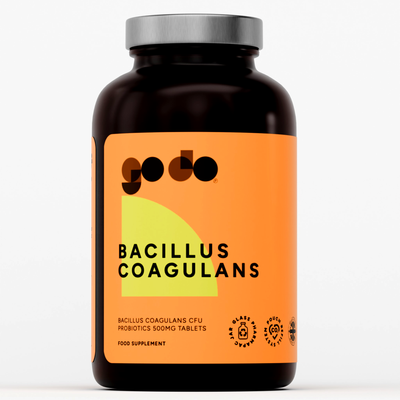
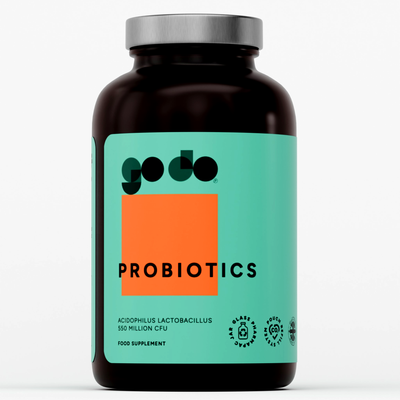
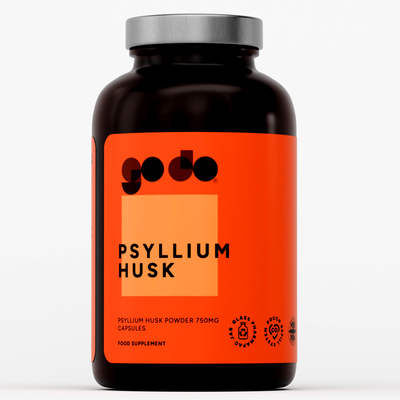
While you can supplement your intake with products like Fibre Pro Capsules, which provide a prebiotic and probiotic complex, whole-food sources like fermented vegetables offer a diverse range of bacterial strains that work synergistically with your body.
1. Cabbage: The King of Fermentation
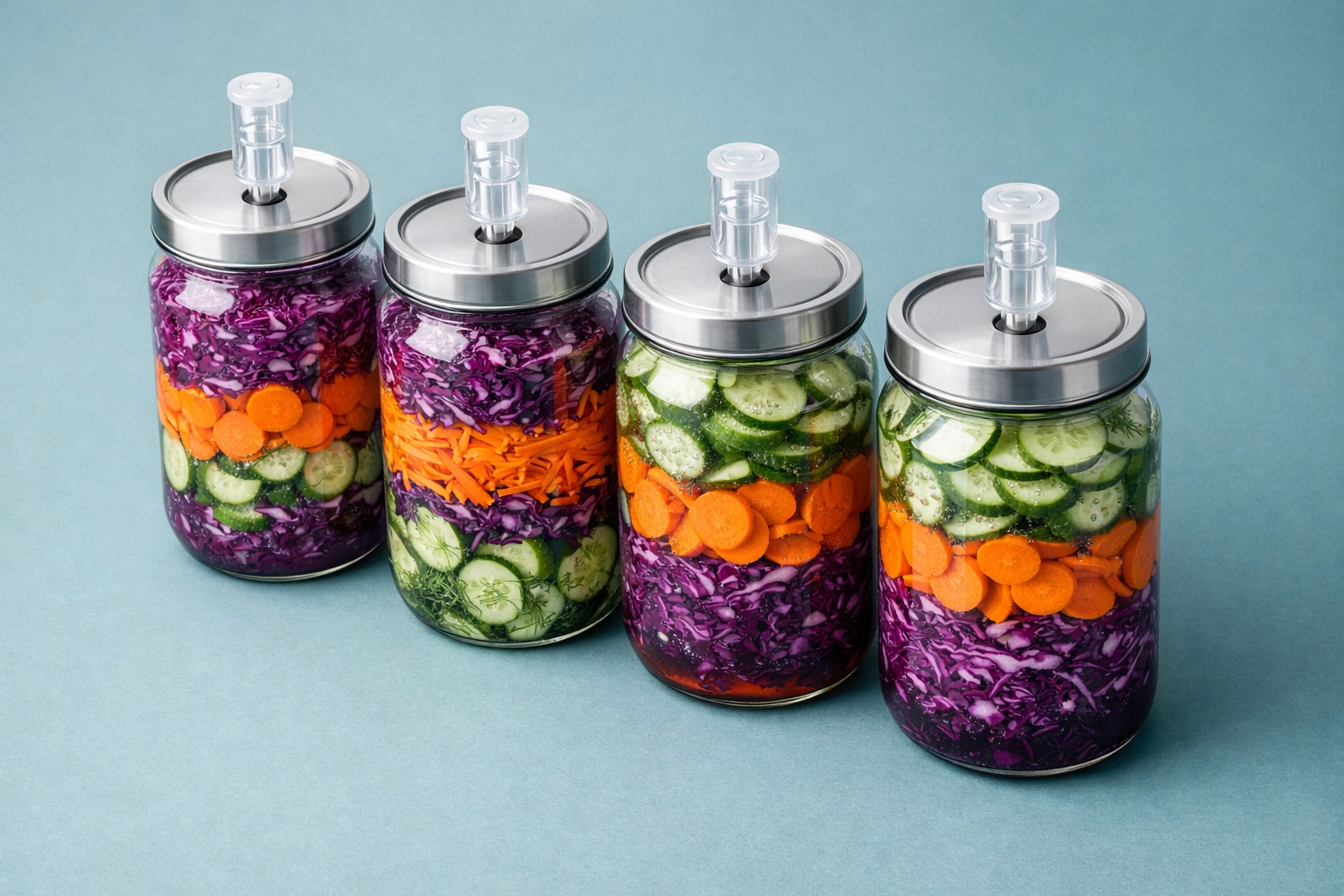
Cabbage is arguably the most famous vegetable for fermentation, serving as the base for both European sauerkraut and Korean kimchi. It is an ideal starter vegetable because it is packed with natural lactobacillus bacteria and has a high water content, which helps create its own brine.
Sauerkraut
Traditional sauerkraut requires only two ingredients: cabbage and salt. By shredding the cabbage and massaging it with salt, you draw out the moisture to create a brine that protects the cabbage from oxygen.
- Health Benefit: Cabbage is high in Vitamin C and Vitamin K. Fermentation makes these nutrients more bioavailable.
- Pro Tip: Use a weight to keep the cabbage submerged. Any cabbage exposed to air is prone to developing mold.
Kimchi
Kimchi often includes Napa cabbage along with radishes, garlic, ginger, and chili flakes. It offers a more complex flavor profile and a broader range of antimicrobial benefits due to the inclusion of garlic and ginger.
- Health Benefit: The combination of spices and fermentation supports metabolic health and may help manage inflammation.
2. Carrots: Sweet and Crunchy Probiotics
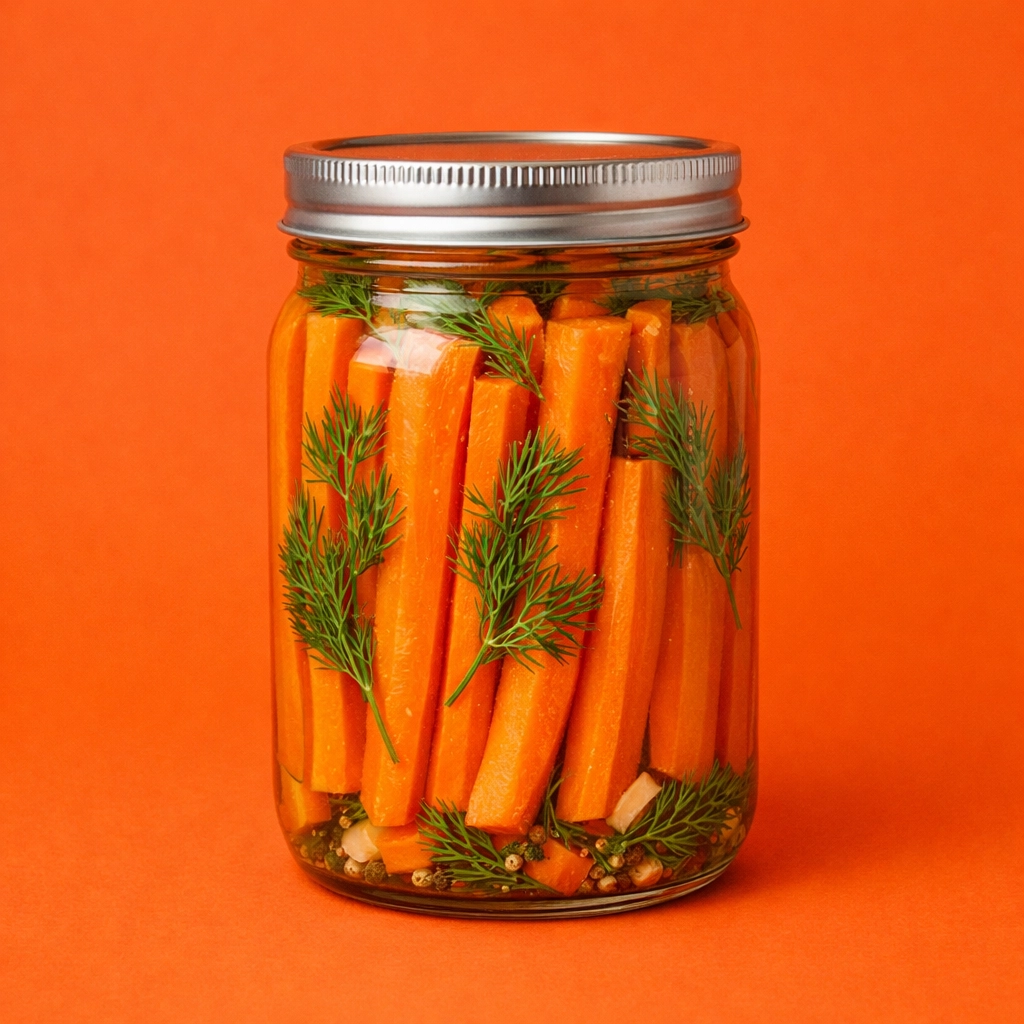
Carrots are a fantastic entry point for home fermenters because they maintain a satisfying crunch even after weeks in a brine. They are naturally high in sugar, which provides plenty of fuel for the beneficial bacteria to thrive.
How to Ferment Carrots
Unlike cabbage, carrots do not release enough liquid to create their own brine. You will need to prepare a salt-water solution (typically a 2% to 3% brine).
- Slice carrots into sticks or rounds.
- Pack them tightly into a glass jar.
- Submerge them completely in the brine.
- Add aromatics like dill, garlic, or ginger for extra flavor.
Fermented carrots are an excellent snack for those looking to manage their blood sugar, as the fermentation process consumes much of the natural sugar in the vegetable. To further support your metabolism, you might consider Chromium 8mg Tablets to help maintain normal blood glucose levels.
3. Cucumbers: The Brine-Based Classic
When most people think of fermented vegetables, they think of pickles. However, it is important to distinguish between "quick pickles" made with vinegar and "lacto-fermented pickles" made with a salt brine. Only the latter provides the probiotic benefits we are looking for.
Staying Crunchy
The biggest challenge with fermenting cucumbers is preventing them from becoming mushy. This happens when the pectin in the cucumber breaks down.
- Use the right cucumber: Choose small, bumpy "pickling" cucumbers rather than large, waxy slicing cucumbers.
- Add tannins: Adding a grape leaf, oak leaf, or even a black tea bag to the jar can help keep the cucumbers crisp.
- Trim the ends: The blossom end of the cucumber contains enzymes that can cause softening; always trim it off before fermenting.
Fermented pickles are incredibly hydrating and provide essential electrolytes, making them a great post-workout snack. If you’re focusing on muscle recovery alongside your gut health, pairing your fermented snacks with Zinc, Magnesium & Vitamin B6 can further support your physical goals.
4. Radishes: For Spicy Zing
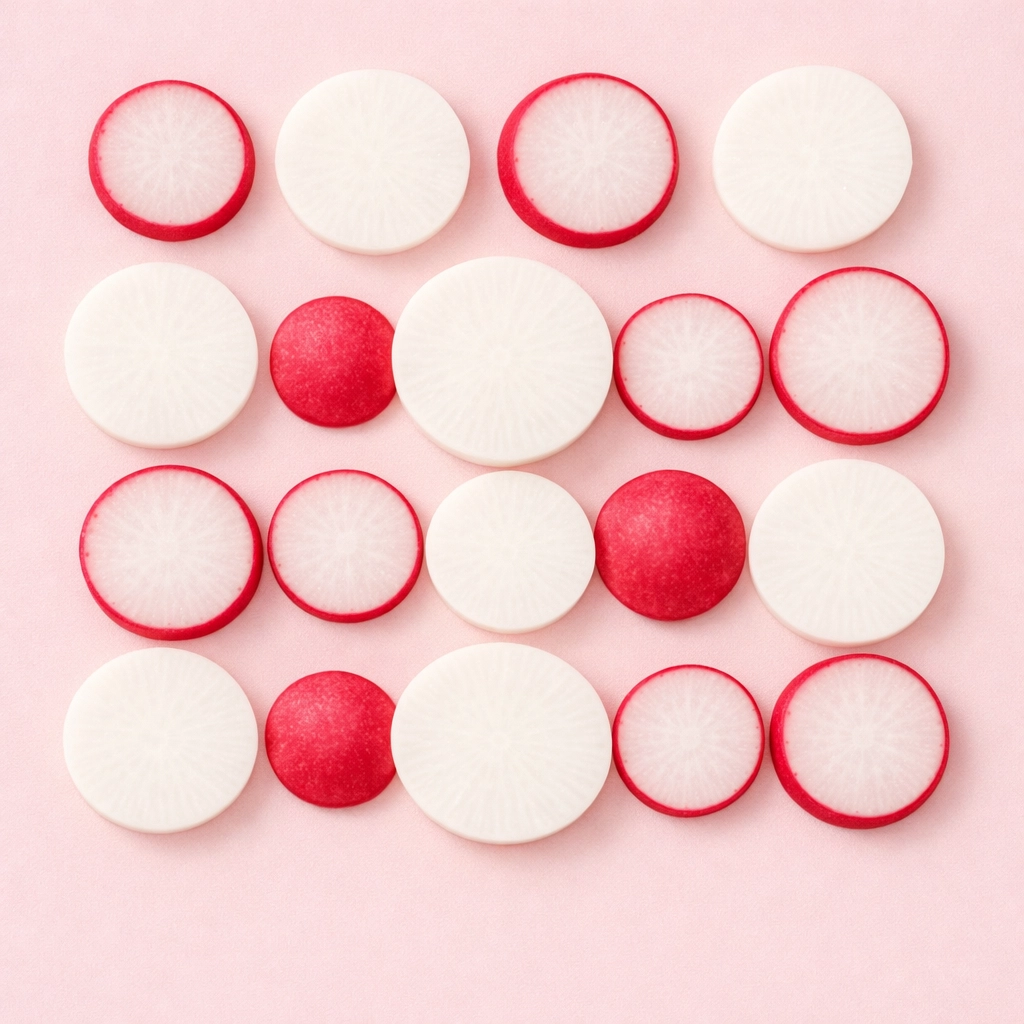
Radishes are often overlooked in the fermentation world, but they are incredibly rewarding. Whether you use small red radishes or the large Daikon variety, they take on a unique, tangy flavor when fermented.
Why Ferment Radishes?
Radishes contain sulfur compounds that become more mellow and complex during fermentation. They add a spicy "zing" to salads and sandwiches.
- Daikon Radish: Often used in kimchi or fermented in rounds, Daikon stays very crisp and absorbs the flavors of the brine beautifully.
- Red Radishes: These will turn the entire brine a vibrant pink color, making them a visually appealing addition to your kitchen counter.
The Essential Fermentation Ratio
To succeed with carrots, cucumbers, and radishes, you must master the brine ratio. For most vegetables, a 2% brine is the standard.
The Formula:
- 1 liter of filtered water.
- 20 grams of high-quality sea salt (avoid iodized salt, as iodine can inhibit fermentation).
Mix the salt into the water until fully dissolved before pouring it over your prepared vegetables.
Safety and Storage Guidelines
While fermentation is generally safe, it requires attention to detail to ensure you are cultivating the right kind of bacteria.
- Cleanliness is Key: Always wash your jars and your hands thoroughly before starting. You don't need to sterilize equipment like a surgeon, but they should be very clean.
- Temperature Control: The ideal temperature for fermentation is between 18°C and 24°C (65°F to 75°F). If it is too cold, fermentation will stall. If it is too hot, the vegetables may become mushy or develop off-flavors.
- The Submersion Rule: If the vegetable is under the brine, it is safe. If it pokes above the brine, it is at risk of mold. Use glass weights or even a smaller jar filled with water to keep everything pressed down.
- Taste Frequently: Start tasting your ferment after 3–5 days. Once it reaches a level of tanginess that you enjoy, move the jar to the refrigerator. The cold temperature will significantly slow down the fermentation process, allowing you to enjoy the vegetables for several months.
Enhancing Your Health Journey
Home fermentation is a powerful tool in your wellness kit, but it works best when part of a holistic approach. While fermented vegetables provide the probiotics, you also need to ensure your body has the foundational vitamins and minerals it needs to function.
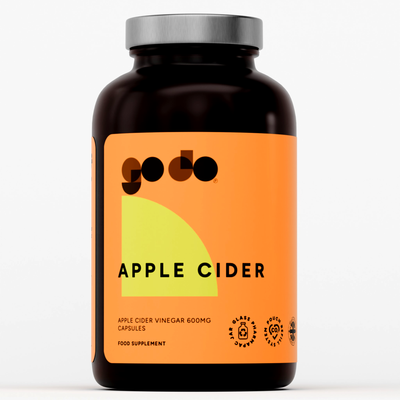
For example, a healthy gut assists in the absorption of minerals like Iron. If you are struggling with energy levels despite a good diet, adding Iron 14mg Tablets can help support your blood health and energy metabolism. Similarly, if your goal is weight management, you might find that Apple Cider Vinegar Capsules complement your fermented food intake by supporting digestion and metabolic health.
Summary of Best Practices
To get the most out of your home-fermented vegetables, remember these key takeaways:
- Start with Cabbage: It is the most "forgiving" vegetable for beginners.
- Keep it Salty: Never skip the salt; it is what keeps the "bad" bacteria at bay while the "good" bacteria do their work.
- Stay Submerged: Always keep your vegetables beneath the liquid level.
- Be Patient: Fermentation is a slow process. Let the bacteria work their magic over several days or weeks.
Fermenting at home is a skill that improves with practice. Once you master these four basic vegetables, you can begin experimenting with garlic, peppers, and even fruits like green tomatoes or lemons. Your gut: and your overall health: will thank you for the effort.
For more tips on nutrition and optimizing your fitness, explore our Strength and Fitness blog or check out our full range of health supports at Fitness Health.