The supplement world has no shortage of gut health trends, but bovine colostrum stands apart from the crowd. This nutrient-dense substance: produced by mammals in the first few days after giving birth: has earned the nickname "liquid gold" for good reason. Packed with immunoglobulins, growth factors, and immune-modulating compounds, colostrum offers a science-backed approach to digestive wellness that goes far beyond typical probiotic supplements.
Here's what the research actually says about colostrum and whether it deserves a place in a gut health protocol.
What Is Bovine Colostrum?
Bovine colostrum is the first milk produced by cows within 24-72 hours after calving. Unlike regular milk, colostrum contains significantly higher concentrations of:
- Immunoglobulins (IgG, IgA, IgM): Natural antibodies that neutralise pathogens
- Growth factors: Including epidermal growth factor (EGF) and transforming growth factor-beta (TGF-β)
- Lactoferrin: An antimicrobial protein with iron-binding properties
- Proline-rich polypeptides (PRPs): Immune-regulating compounds
- Prebiotics: Compounds that feed beneficial gut bacteria
This unique composition makes bovine colostrum fundamentally different from standard dairy products. While regular milk primarily provides macronutrients, colostrum delivers bioactive compounds specifically designed to support immune function and gut development.

How Colostrum Supports Gut Health
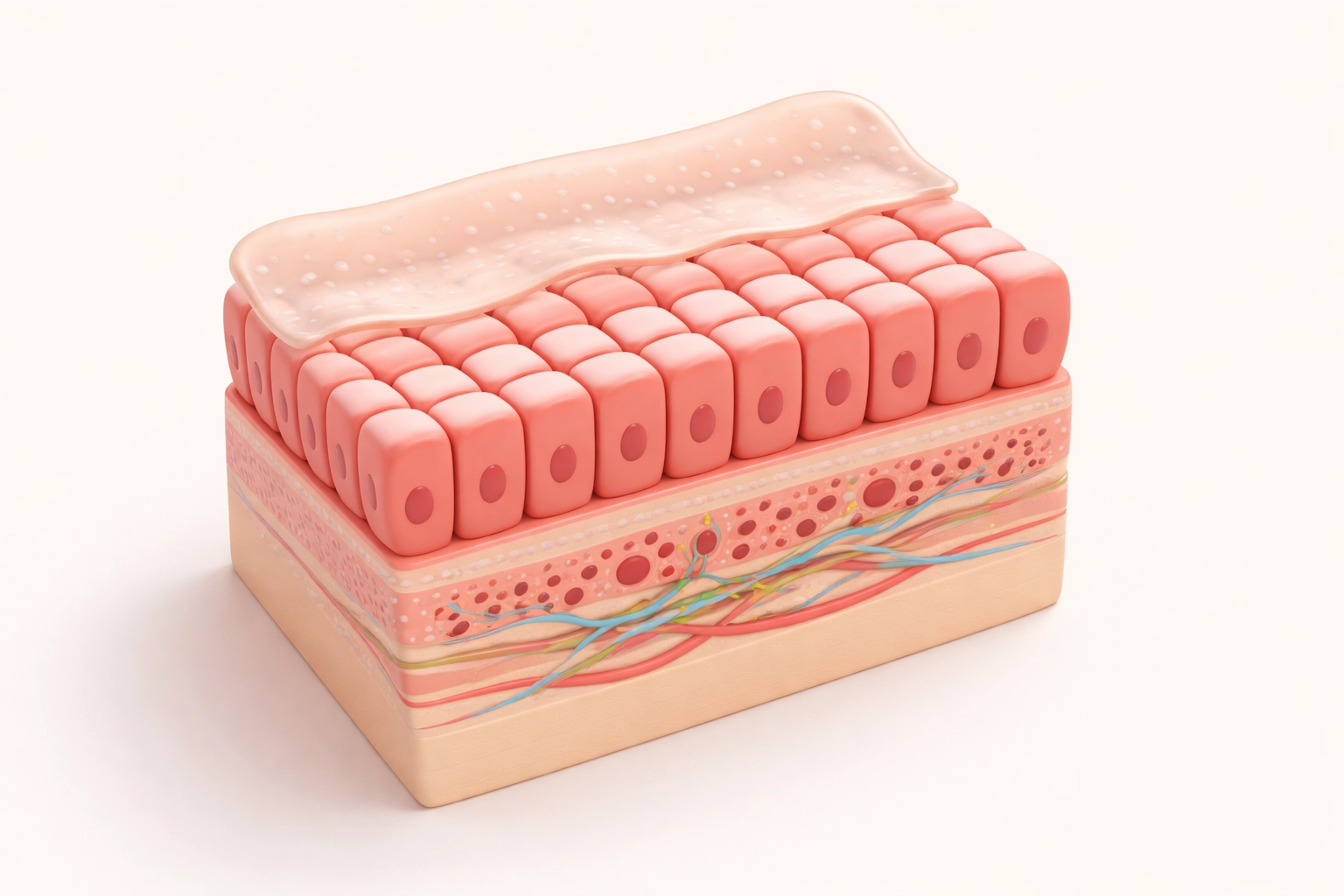
The gut lining consists of a single layer of cells that acts as a selective barrier: allowing nutrients through while keeping harmful substances out. When this barrier becomes compromised, a condition commonly called "leaky gut" or increased intestinal permeability develops.
Colostrum addresses gut health through four primary mechanisms:
1. Repairing the Gut Lining
The growth factors in colostrum: particularly EGF and TGF-β: actively stimulate the repair and regeneration of damaged intestinal cells. These compounds signal the body to produce new epithelial cells, essentially helping to "seal" gaps in the intestinal barrier.
This repair function proves especially valuable for individuals dealing with:
- Chronic stress-related gut damage
- Exercise-induced intestinal permeability
- Long-term NSAID use
- Inflammatory bowel conditions
2. Reducing Intestinal Inflammation
Proline-rich polypeptides in colostrum help regulate immune responses within the digestive tract. Rather than simply suppressing inflammation (which can compromise immune function), these compounds help bring the immune system back into balance.
Research indicates this immune-modulating effect may benefit those with inflammatory conditions like irritable bowel syndrome (IBS) and Crohn's disease.
3. Balancing Gut Bacteria
Colostrum provides prebiotic compounds that selectively nourish beneficial bacteria: particularly Bifidobacteria and Lactobacillus species: while suppressing harmful pathogens. The lactoferrin content adds antimicrobial properties that prevent bacterial overgrowth without disrupting healthy gut flora.
4. Strengthening Immune Barriers
The immunoglobulins in colostrum act as a first line of defence within the digestive tract. These antibodies bind to viruses, bacteria, and toxins, neutralising them before they can damage the gut lining or enter the bloodstream.
Research-Backed Benefits
The claims around colostrum aren't merely theoretical. Several clinical studies demonstrate measurable effects:
Leaky Gut and Intestinal Permeability
A study involving 16 athletes found that supplementation with 500 mg of colostrum daily for 20 days significantly decreased zonulin concentration: a key marker of intestinal permeability. In separate research, athletes taking 20 grams of bovine colostrum daily prevented 80% of the increase in gut permeability typically caused by intense exercise.
These findings hold particular relevance for endurance athletes, who frequently experience exercise-induced gut issues during training and competition.
Inflammatory Bowel Disease (IBD)
Research on IBD shows promising results when colostrum complements conventional treatment:
- Colostrum enemas combined with mesalazine (standard IBD medication) produced better outcomes than medication alone in patients with distal colitis
- Children with Crohn's disease taking TGF-β-rich supplements showed reduced disease severity, improved body mass index, and lower inflammatory markers
Infectious Diarrhoea
Clinical trials demonstrate colostrum's effectiveness against various forms of diarrhoea:
- Adults with HIV-associated diarrhoea taking 100 grams of bovine colostrum daily alongside medications saw a 21% greater reduction in stool frequency compared to medications alone
- Children with acute gastroenteritis receiving bovine colostrum showed significantly reduced vomiting and diarrhoea within 48 hours
Who Benefits Most from Colostrum Supplementation?
Based on current research, the following groups may see the greatest benefits from colostrum supplementation:
Athletes and Active Individuals Intense exercise increases intestinal permeability, leading to digestive discomfort and impaired nutrient absorption. Colostrum helps maintain gut barrier integrity during high training loads.
Those with Compromised Gut Health Individuals dealing with leaky gut syndrome, chronic digestive issues, or recovering from gastrointestinal infections may benefit from colostrum's repair and immune-supporting properties.
Frequent NSAID Users Long-term use of non-steroidal anti-inflammatory drugs damages the gut lining. Colostrum may help protect against and repair this damage.
Immune-Compromised Individuals The high immunoglobulin content provides additional immune support for those with weakened immune systems. For comprehensive immune and gut support, combining colostrum with other evidence-based supplements can prove beneficial: explore options at Fitness Health's supplement range.

How to Use Colostrum Effectively
Bovine colostrum comes in several forms: powder, capsules, and tablets. Here's how to approach supplementation:
Dosage Guidelines
Research studies have used varying doses depending on the condition:
| Purpose | Typical Daily Dose |
|---|---|
| General gut support | 500 mg – 3 g |
| Athletic performance | 10 – 20 g |
| Therapeutic use | 20 – 60 g |
Start with a lower dose and increase gradually to assess tolerance.
Timing Recommendations
- Take colostrum on an empty stomach for optimal absorption
- Morning consumption works well for most people
- Allow 30 minutes before eating other foods
Quality Considerations
Not all colostrum supplements are equal. Look for products that:
- Source from grass-fed, pasture-raised cows
- Are collected within the first 24 hours post-calving (highest bioactive content)
- Undergo low-temperature processing to preserve growth factors
- Provide third-party testing certification
Important Limitations to Consider
While research supports colostrum's gut health benefits, several caveats apply:
-
Study sizes remain relatively small. Most clinical trials involve limited participant numbers, and larger-scale research is needed to confirm findings.
-
Colostrum should complement, not replace, medical treatment. For serious gastrointestinal conditions, colostrum works best as part of a comprehensive treatment plan under medical supervision.
-
Individual responses vary. Some people notice significant improvements quickly, while others may require longer supplementation periods.
-
Dairy sensitivities matter. Those with severe dairy allergies should consult a healthcare provider before using bovine colostrum, though many with lactose intolerance tolerate it well due to its low lactose content.
The Bottom Line
Bovine colostrum offers genuine, research-backed support for gut health. Its unique combination of immunoglobulins, growth factors, and immune-modulating compounds addresses intestinal permeability through multiple pathways: repairing the gut lining, reducing inflammation, balancing bacteria, and strengthening immune barriers.
For athletes dealing with exercise-induced gut issues, individuals recovering from digestive problems, or anyone seeking evidence-based gut support, colostrum represents a worthwhile addition to a comprehensive health protocol. The "liquid gold" label may sound like marketing speak, but in this case, the science backs up the hype.
Those interested in supporting overall digestive wellness can explore digestive health supplements alongside dietary and lifestyle modifications for optimal results.