When it comes to building muscle and maximising strength, most fitness enthusiasts focus on testosterone. However, there's another hormone working behind the scenes that deserves attention: dihydrotestosterone, commonly known as DHT. This potent androgen plays a fascinating role in muscle development, athletic performance, and overall physical power.
Understanding how DHT functions in the body can help individuals make informed decisions about their training, nutrition, and supplementation strategies. Here's what the science says about this powerful hormone and its relationship with muscle growth.
What Exactly Is DHT?
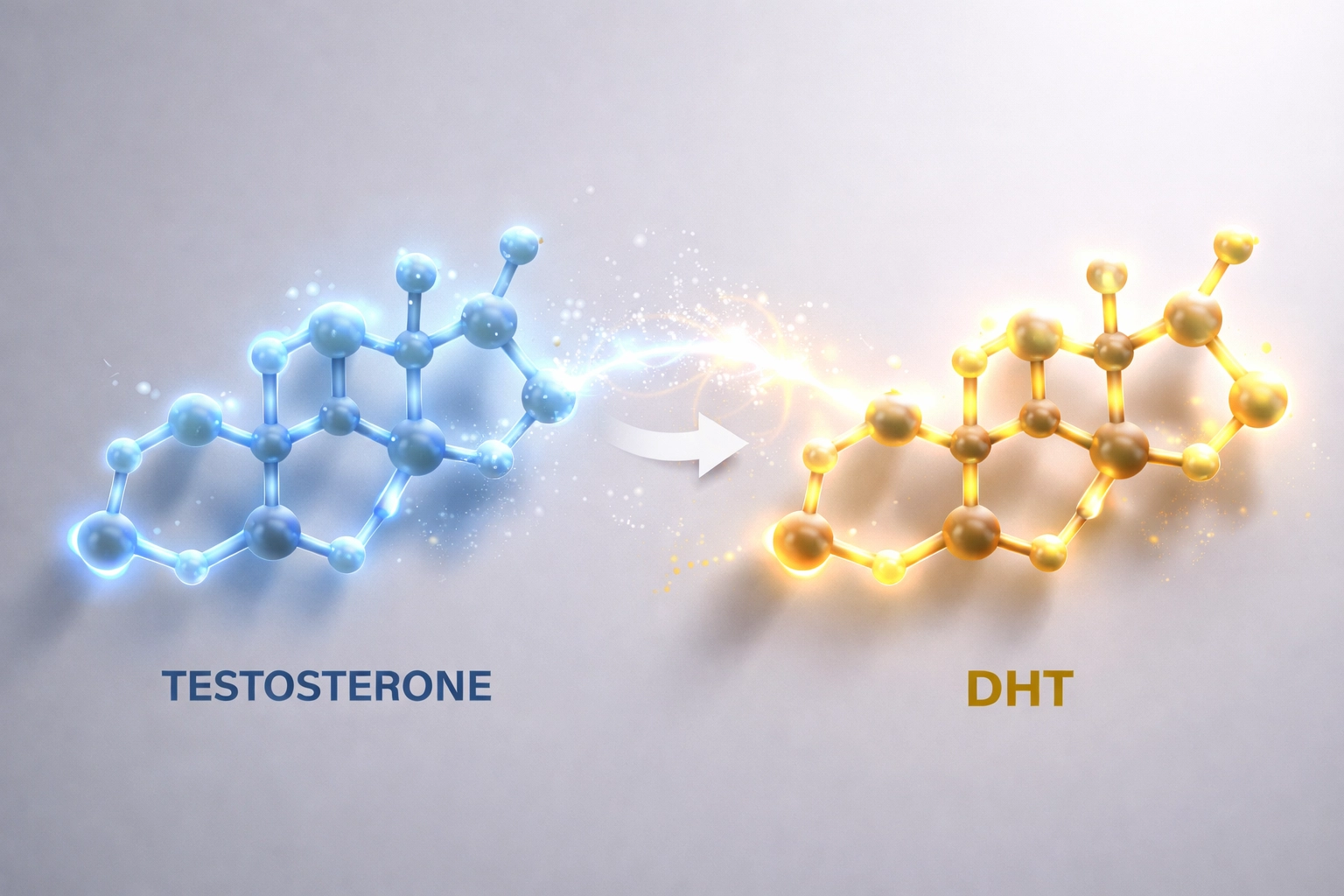
Dihydrotestosterone is an androgen hormone derived from testosterone. The body produces DHT when an enzyme called 5-alpha reductase converts testosterone into this more potent form. In fact, DHT is approximately three to five times more powerful than testosterone when it comes to binding to androgen receptors.
This conversion happens primarily in:
- The prostate gland
- Hair follicles
- Skin
- Liver
- Skeletal muscle tissue
While DHT only accounts for about 10% of testosterone's conversion, its increased potency makes it a significant player in androgenic processes throughout the body.
The Role of DHT in Muscle Development
DHT contributes to muscle growth through several mechanisms. During puberty, it promotes the development of male secondary sexual characteristics, including increased muscle mass. Research indicates that DHT influences muscle protein synthesis and may enhance the body's anabolic response to resistance training.
Key Functions of DHT in Muscle Tissue
1. Androgen Receptor Activation
DHT binds to androgen receptors in muscle tissue with high affinity. This binding triggers cellular processes that support muscle protein synthesis and tissue repair after training.
2. Strength and Power Enhancement
Studies have found correlations between muscular DHT levels and physical performance. In women, research demonstrates that muscle DHT levels correlate directly with strength and power output. Similar patterns appear in male subjects, particularly those engaged in regular resistance training.
3. Response to Resistance Training
Chronic resistance exercise increases muscular DHT levels. This elevation correlates with skeletal muscle hypertrophy in both healthy older adults and individuals with metabolic conditions like type 2 diabetes.
What the Research Shows
The relationship between DHT and muscle growth presents some interesting findings that warrant closer examination.
Evidence Supporting DHT's Anabolic Role
A significant study on resistance training revealed that when researchers blocked DHT synthesis using a 5-alpha reductase inhibitor, training-induced muscle hypertrophy was suppressed in diabetic rats. This finding suggests DHT contributes meaningfully to the muscle-building response triggered by exercise.
Additional research on postmenopausal rats showed that DHT appeared to increase muscle mass, indicating its anabolic potential extends beyond typical male hormone profiles.

The Conflicting Evidence
However, not all research points in the same direction. A Boston University study examined men receiving testosterone supplementation. Some participants also took dutasteride: a medication that blocks DHT production. The results showed that men in both groups experienced similar gains in fat-free mass, regardless of their DHT levels.
The researchers noted that "changes in fat-free mass did not differ between the dutasteride and placebo groups, who had very different DHT levels." This suggests that testosterone's muscle-building effects may not entirely depend on its conversion to DHT.
Key Takeaway: DHT appears to contribute to muscle development, particularly in the context of resistance training, but it may not be absolutely essential for testosterone-induced muscle gains. Multiple hormonal pathways likely work together to support hypertrophy.
The Double-Edged Sword: Benefits vs. Drawbacks
While DHT offers potential benefits for muscle growth and athletic performance, it comes with notable trade-offs that individuals should understand.
Potential Benefits
| Benefit | Description |
|---|---|
| Enhanced muscle protein synthesis | Supports tissue repair and growth |
| Increased strength output | Correlates with power performance |
| Fat distribution | May influence body composition |
| Bone density support | Contributes to skeletal health |
Potential Drawbacks
| Concern | Description |
|---|---|
| Hair follicle miniaturisation | Primary cause of male-pattern baldness |
| Acne development | Can stimulate sebaceous gland activity |
| Prostate health | Associated with benign prostatic hyperplasia |
This balance means that chasing maximum DHT levels for muscle gains could come at a cost. Individual responses vary significantly based on genetics, age, and overall health status.

Natural Factors That Influence DHT Levels
Several lifestyle factors affect DHT production and activity in the body. Understanding these can help individuals optimise their hormonal health naturally.
Factors That May Increase DHT
- Resistance Training – Regular weight training elevates muscular DHT levels
- Adequate Zinc Intake – This mineral supports testosterone production
- Sufficient Sleep – Hormone production peaks during deep sleep cycles
- Healthy Body Composition – Excess body fat can disrupt hormone balance
Factors That May Reduce DHT
- Saw Palmetto Supplementation – This herb may inhibit 5-alpha reductase activity
- Chronic Stress – Elevated cortisol can suppress androgen production
- Poor Nutrition – Caloric restriction and nutrient deficiencies impact hormone synthesis
- Certain Medications – 5-alpha reductase inhibitors specifically block DHT conversion
Supporting Healthy Hormone Balance
For those looking to maintain optimal hormone levels while pursuing fitness goals, a balanced approach works best. This includes:
Prioritise Compound Movements
Exercises like squats, deadlifts, and bench presses stimulate natural hormone production more effectively than isolation exercises. These movements recruit large muscle groups and create the metabolic stress that triggers anabolic responses.
Focus on Recovery
Sleep quality directly impacts hormone production. Aim for 7-9 hours of quality sleep per night. The body produces the majority of its anabolic hormones during deep sleep phases.
Maintain Nutritional Adequacy
Ensure sufficient intake of:
- Protein (1.6-2.2g per kg of body weight for active individuals)
- Healthy fats (essential for hormone synthesis)
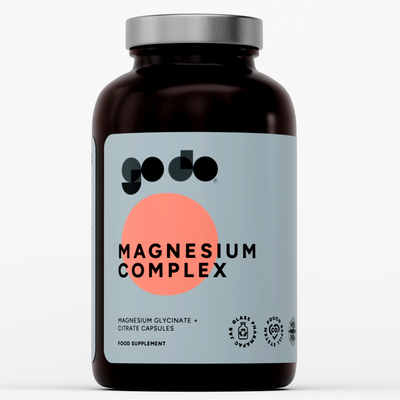
- Zinc and magnesium (key minerals for testosterone production)
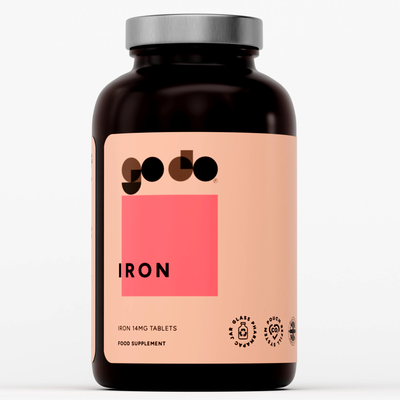
For those interested in supporting their nutritional needs, Fitness Health offers a range of high-quality, UK-made supplements designed with both efficacy and environmental responsibility in mind. All products feature eco-conscious packaging, reflecting a commitment to sustainability alongside health optimisation.

Practical Considerations
When approaching DHT and muscle growth, keep these points in mind:
- Individual Response Varies – Genetics play a significant role in how the body produces and responds to DHT
- Context Matters – DHT's contribution to muscle growth appears more significant during resistance training than at rest
- Balance Is Key – Maximising one hormone at the expense of overall health rarely produces optimal long-term results
- Monitor and Adjust – Pay attention to how the body responds to training and lifestyle modifications
Summary
DHT represents a potent androgen hormone that contributes to muscle growth, strength, and athletic performance. Research demonstrates its involvement in the hypertrophic response to resistance training, particularly through increased muscular DHT levels during chronic exercise.
However, the scientific picture remains nuanced. While DHT appears beneficial for muscle development in certain contexts, testosterone's anabolic effects don't seem entirely dependent on DHT conversion. This suggests multiple hormonal pathways work together to support muscle protein synthesis and hypertrophy.
The hormone's double-edged nature: offering muscle benefits while potentially affecting hair follicles and prostate health: means individuals should approach optimisation thoughtfully. Natural strategies like consistent resistance training, adequate sleep, proper nutrition, and quality supplementation provide the foundation for healthy hormone balance.
For comprehensive guidance on nutrition and fitness strategies that support overall health and performance, explore additional resources from Fitness Health.