Most of us have been taught that if you aren't spending hours in the gym every single day, your hard-earned muscle will simply vanish into thin air. It’s a stressful way to live, especially when work, family, and social lives start competing for those precious hours in your schedule. The good news is that maintaining muscle mass is actually far easier than building it from scratch, and it certainly doesn't require a permanent residence at your local fitness center. According to research from Harvard Health, muscle maintenance is a holistic process that relies on much more than just lifting heavy objects; it's about a synergy of movement, nutrition, and restorative sleep that keeps your body in an anabolic state without the burnout.
In this guide, we are going to dive into the "minimum effective dose" of training and how you can stay strong and toned while actually spending less time working out. We’ll look at why protein isn't the only nutrient you should be obsessing over and why your bedroom might be more important for your gains than the weight rack. If you've been looking for a way to keep your results without the obsession, you’re in the right place.
Table of Contents
- The Minimum Effective Dose for Muscle Retention
- Nutrition: More Than Just Protein Shakes
- The Secret Power of Sleep and Hormonal Balance
- Hydration and Micronutrients: The Foundation
- Evidence-Based Benefits of Holistic Maintenance
- Safety and Considerations
The Minimum Effective Dose for Muscle Retention
When it comes to maintaining muscle mass, intensity is your best friend while volume can take a back seat. Many people think they need to do four sets of twelve reps for every single muscle group twice a week just to keep what they have. In reality, science suggests you can maintain your strength and size with as little as one-third of your usual training volume, provided you keep the intensity high. This means that if you usually do nine sets of chest presses a week, you might only need three heavy sets to keep those muscles stimulated. The trick is to focus on compound movements like squats, deadlifts, and overhead presses that recruit multiple muscle groups at once, giving you the most "bang for your buck" during your short sessions.
Consistency is still key, but it doesn't have to be daily. Two full-body sessions per week, lasting about forty-five minutes each, are often plenty for the average person to hold onto their gains. During these sessions, focus on lifting weights that are heavy enough to bring you close to technical failure. By keeping the load high, you send a strong signal to your nervous system and your muscles that the strength is still required for survival. This prevents the "use it or lose it" response that happens when we stop training altogether. To support this high-intensity work, many people find that strength and fitness supplements like creatine can help maintain those energy stores in the muscle tissue even when gym time is limited.

Nutrition: More Than Just Protein Shakes
We have all seen the guys at the gym chugging three protein shakes a day, but muscle retention is about a lot more than just hitting a protein target. While protein is the building block of muscle, your total calorie intake is the foundation. If you drop into a massive calorie deficit because you're "busy," your body will eventually look to its own muscle tissue for energy. To maintain muscle mass, you should aim to eat at "maintenance calories": the amount of energy your body needs to stay exactly where it is. This provides enough fuel for your brain and daily activities so that your protein intake can go toward its intended purpose: repairing and maintaining your muscle fibers.
That said, don't ignore your protein completely. Aiming for around 1.6 to 2.2 grams of protein per kilogram of body weight is a solid range for most active adults. It's also helpful to spread this protein out across three or four meals throughout the day rather than eating it all at once. This keeps a steady stream of amino acids in your blood, which helps suppress muscle protein breakdown. Including high-quality sources like lean meats, beans, or a clean vegan-friendly supplement can make hitting these targets much easier without adding unnecessary stress to your meal planning.
The Secret Power of Sleep and Hormonal Balance
You might find it surprising, but the most important work for your muscles actually happens while you are unconscious. Sleep is when your body releases the bulk of its growth hormone and testosterone, both of which are critical for maintaining muscle mass and bone density. If you are only getting five or six hours of sleep, your cortisol levels (the stress hormone) will likely rise. High cortisol is essentially the enemy of muscle; it encourages muscle breakdown and fat storage, especially around the midsection. By prioritizing seven to nine hours of quality shut-eye, you are giving your body the recovery environment it needs to stay anabolic.
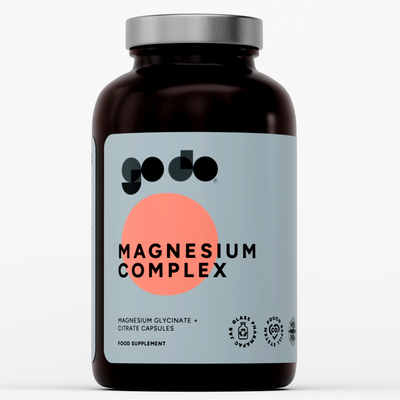
To improve your sleep quality, consider a "wind-down" routine that doesn't involve scrolling through your phone. The blue light from screens can mess with your melatonin production, making it harder to fall into those deep, restorative stages of sleep. Many fitness enthusiasts use sleep support solutions like magnesium or zinc to help relax their nervous system before bed. When your nervous system is calm, your body can focus entirely on repair rather than staying in a "fight or flight" mode. Remember, you aren't being "lazy" by sleeping; you are literally protecting your gains.

Hydration and Micronutrients: The Foundation
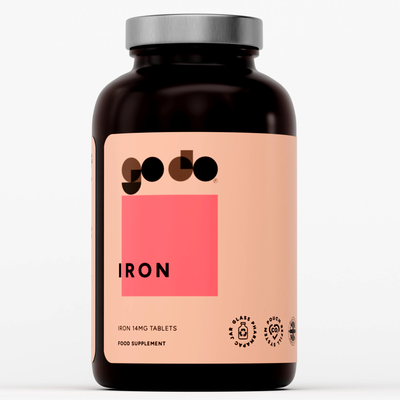
It is easy to get caught up in macros: protein, carbs, and fats: and completely forget about the micronutrients that make those macros work. Vitamins and minerals like Vitamin D, Magnesium, and Zinc play massive roles in muscle contraction and hormonal health. For instance, a deficiency in Vitamin D is often linked to muscle weakness and a higher risk of injury. Since many of us spend our days indoors, keeping an eye on these levels is vital for long-term muscle health. A simple multivitamin or mineral complex can act as a safety net, ensuring your body has the co-factors it needs to keep your muscles functioning optimally.
Hydration is another often-overlooked factor in maintaining muscle mass. Your muscles are roughly 75% water, and even slight dehydration can lead to a decrease in strength and an increase in perceived effort. When your muscle cells are well-hydrated, they appear fuller and are more resistant to breakdown. Plus, water is essential for transporting nutrients into your cells and flushing out waste products from metabolic processes. Think of hydration as the lubricant for your metabolic engine; without it, things start to grind to a halt, and your recovery will suffer.

Evidence-Based Benefits of Holistic Maintenance
Adopting a more balanced, holistic approach to muscle retention isn't just about saving time. It offers a range of health benefits that go far beyond just looking good in a t-shirt. By stepping away from the "more is always better" mindset, you can achieve:
- Improved Joint Health: Reducing your training volume can give your tendons and ligaments much-needed time to recover, preventing chronic overuse injuries.
- Lower Stress Levels: Not stressing about missing a gym session reduces overall cortisol, which helps with weight management and mental clarity.
- Sustained Energy: By focusing on recovery and sleep, you’ll find you have more energy for your work and hobbies outside of fitness.
- Hormonal Harmony: Proper sleep and micronutrient intake support natural testosterone and growth hormone production.
- Better Metabolic Health: Maintaining muscle mass helps keep your resting metabolic rate high, making it easier to maintain a healthy body weight.
Safety and Considerations
While maintaining muscle is generally a safe and healthy goal, there are a few things to keep in mind to ensure you don't overdo it or ignore important signs from your body:
- Listen to Pain: If a "heavy" session causes sharp joint pain, stop immediately. Maintenance shouldn't come at the cost of injury.
- Monitor Fatigue: If you feel constantly drained, you might need more calories or more sleep, even if your gym time is low.
- Check with a Pro: If you have underlying health conditions, especially related to your heart or kidneys, talk to a doctor before significantly increasing your protein or mineral intake.
- Quality Over Ego: When lifting heavy with low volume, form is everything. Don't sacrifice technique just to move a heavier weight.
Maintain Your Gains with Fitness Health
At Fitness Health, we believe that staying fit shouldn't be a full-time job. Our premium nutritional supplements are designed in the UK with high-quality ingredients to support your journey, whether you're hitting personal bests or just trying to stay healthy in a busy world. From our eco-conscious paper packaging to our vegan-friendly options, we provide affordable solutions that put your health first.