We’ve all been there, teeth grit, face turning a worrying shade of purple, and every muscle in our body screaming as we try to grind out that very last rep. For years, the mantra in the gym was "no pain, no gain," and if you weren't hitting total muscular failure every single set, you just weren't trying hard enough. But honestly? That "go-to-the-wall" mentality often leaves us feeling more burnt out than buff. Interestingly, modern sports science suggests that constantly pushing to failure might actually be slowing down your progress. According to research published by the National Academy of Sports Medicine (NASM), finding the right intensity isn't about doing everything you possibly can, but about knowing exactly how much you have left in the tank. This is where the magic of Reps in Reserve (RIR) comes in.
Table of Contents
- What Exactly is Reps in Reserve (RIR)?
- The Science of Leaving One in the Tank
- How to Calculate Your RIR During a Workout
- Evidence-Based Benefits of RIR Training
- Safety First: When to Push and When to Stop
- Why RIR is the Future of Sustainable Fitness
What Exactly is Reps in Reserve (RIR)?
If you’ve never heard the term "Reps in Reserve" before, don’t sweat it. It’s a pretty simple concept that can completely change the way you look at your workout log. Essentially, RIR is a way to measure your training intensity based on how many more repetitions you could have done before your form broke down or you simply couldn't lift the weight again.
Think of it like a fuel gauge for your muscles. If you finish a set of squats and feel like you could have squeezed out two more good reps if someone had a life-sized pizza waiting for you at the finish line, then you’ve just performed a set at 2 RIR. If you literally couldn't have done a single extra inch of movement, that’s 0 RIR, also known as training to failure. It’s a much more intuitive way to train than trying to guess percentages of a one-rep max that you haven't tested in three years.

The Science of Leaving One in the Tank
I remember when I first started lifting; I thought if I didn't drop the weights because my arms were shaking, the workout didn't count. I’d spend the next three days struggling to put on a t-shirt. It felt "hardcore," but my progress stalled. When I finally switched to an RIR-based approach, everything clicked.
The science shows that for muscle growth, or hypertrophy, the most important thing is creating enough tension in the muscle fibers. You don't actually need to hit 0 RIR to get this effect. In fact, training at 1–3 RIR provides almost the same muscle-building stimulus as going to failure, but with a massive advantage: it doesn't wreck your central nervous system. When you manage your stimulus to fatigue ratio correctly, you can recover faster, which means you can train more often and with better quality.
If you're looking to support that recovery process, checking out our Strength & Fitness collection can give you that extra edge. Whether it's high-quality creatine or essential amino acids, giving your body the right building blocks is just as important as the numbers in your gym diary.
How to Calculate Your RIR During a Workout
Using RIR is a skill, and like any skill, it takes a little practice to get right. In the beginning, most people tend to underestimate how many reps they actually have left. Here is how I like to coach people through it:
- Find Your Baseline: Every now and then, on a safe exercise like a bicep curl or a leg extension, actually go to true failure. This teaches your brain what "zero" feels like.
- The "Speed Test": Pay attention to the speed of the weight. When the weight starts to slow down significantly despite you pushing as hard as possible, you’re usually around 2–3 RIR.
- Be Honest: Ask yourself, "If my life depended on it, could I do three more?" If the answer is an easy yes, add a little more weight next time.
Using a minimalist approach to your tracking: like a simple notebook and a stopwatch: can keep you focused on the feeling of the muscle rather than getting distracted by complex apps.

Evidence-Based Benefits of RIR Training
Switching to RIR isn't just a trend; it's backed by solid evidence for anyone looking to build a sustainable, strong body. Here are the main perks:
- Better Fatigue Management: You won't feel like a zombie for the rest of the day. By avoiding total failure, you keep your stress hormones (like cortisol) in check.
- Increased Training Volume: Because you aren't "burning out" on set one, you can actually perform more total sets across your entire workout.
- Technical Proficiency: Most injuries happen during those "grinder" reps where form falls apart. RIR keeps your technique crisp and safe.
- Auto-Regulation: Had a bad night's sleep? Your 2 RIR weight will naturally be a bit lighter that day, protecting you from overtraining.
- Long-Term Consistency: It's much easier to stay motivated when you don't leave the gym feeling completely defeated every single day.
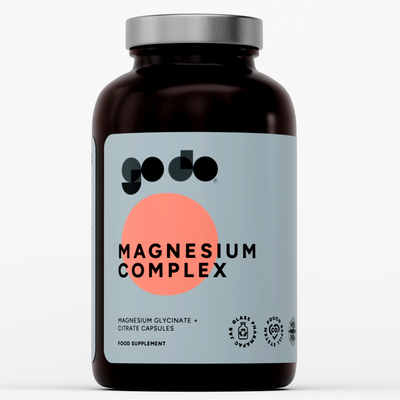
To keep your performance high across these sets, making sure your mineral levels are topped up is a game-changer. Our Magnesium Complex is a fan favorite for supporting muscle function and helping you wind down after a big session.
Safety First: When to Push and When to Stop
While RIR is a fantastic tool, it’s important to remember that safety is the foundation of all fitness. Training close to your limit always carries some risk if not done mindfully.
Safety Warnings & Contraindications:
- Complex Lifts: For big "compound" movements like squats, deadlifts, or overhead presses, it is generally safer to stay at a higher RIR (around 2–4). The risk of a back injury during a failed heavy squat is much higher than a failed bicep curl.
- Pre-existing Conditions: If you have high blood pressure or cardiovascular issues, training to very low RIR (close to failure) can cause significant spikes in blood pressure. Always consult with a doctor before starting a high-intensity program.
- Joint Pain: If you feel sharp pain in your joints (not the "burn" in the muscle), stop the set immediately regardless of your RIR goal.
Why RIR is the Future of Sustainable Fitness
As we move through 2026, the fitness world is shifting away from the "punish your body" mindset and toward a "nourish and challenge" philosophy. Reps in Reserve is the perfect tool for this because it respects your body’s daily fluctuations. It’s about being a student of your own effort.
Training this way allows you to stay in the game for the long haul. When you combine smart training with high-quality, UK-made supplements, you're setting yourself up for success that lasts decades, not just a few weeks. At Fitness Health, we believe that premium health solutions shouldn't cost the earth: which is why we offer professional-grade formulations in eco-conscious paper packaging at prices that actually make sense.

Fuel Your Progress with Fitness Health
Ready to take your recovery and performance to the next level? At Fitness Health, we specialize in premium nutritional supplements designed to support your peak fitness journey. From vitamins and minerals to specialized nootropics, our UK-made, vegan-friendly formulas are crafted to help you reach your goals without the premium price tag. Plus, our eco-friendly packaging means you're looking after the planet while you look after yourself.

Explore our full range of supplements here!
Recommended Reading:
Meta Description: Master your workouts with Reps in Reserve: The One Number That Changes Everything. Learn how to optimize hypertrophy, manage training fatigue, and use RIR for better, more sustainable fitness results.