Gym anxiety is more common than the confident-looking gym floor might suggest. If you feel watched, worry about using equipment incorrectly, or feel afraid to go to the gym, you are not failing at fitness. Research on social physique anxiety shows that concerns about being judged on your body can become a genuine barrier to exercise participation. This review of exercise and anxiety research also explains why physical activity can support mental wellbeing once people can access it comfortably.
The good news is that you do not need to feel confident before you walk through the door. Confidence usually comes later, after your brain has collected enough evidence that the gym is manageable.
Contents
- What gym anxiety actually feels like
- Why waiting to feel motivated does not work
- How to feel comfortable at the gym
- What to do on your first gym visit
- How to handle feeling watched
- When gym anxiety may need extra support
- A light Fitness Health reminder
- Recommended reading
What gym anxiety actually feels like
Gym anxiety can look different from person to person. You might rehearse what to say at reception, worry that you will choose the wrong machine, or feel your heart race when you enter the free-weights area.
Some people avoid busy periods because they are concerned about being watched. Others feel uncomfortable changing clothes, exercising near very fit people, or wearing clothing that shows their body. You may even know logically that nobody is paying attention, while still feeling intensely visible.
That experience has a name in research: social physique anxiety. It describes concern that other people are evaluating your body or appearance during physical activity. Studies have found that gym environments, mirrors, appearance-focused messaging, and body comparisons can increase this discomfort. It can affect beginners, people returning after a long break, and experienced lifters alike.
It is also worth separating ordinary gym nerves from poor gym culture. If someone harasses you, makes unwanted comments, or behaves in a threatening way, the problem is not your anxiety. Speak to gym staff, use a safer area, or choose a different facility. You deserve a respectful training environment at every size and ability level.
Why waiting to feel motivated does not work
The classic advice is to wait until you feel motivated. That sounds sensible, but anxiety often makes motivation unreliable. If going to the gym feels threatening, your brain will naturally prefer the immediate relief of staying home.
That creates a familiar loop:
- You imagine being judged.
- You avoid the gym.
- You feel temporary relief.
- Your brain learns that avoidance kept you safe.
- The next visit feels even bigger.
This is one reason graded exposure can help. In anxiety treatment, exposure means approaching a feared situation in manageable stages rather than avoiding it completely. You can apply the same principle to gym anxiety without turning your workout into a dramatic test of courage.
Your first goal might simply be entering the building and spending 15 minutes on a treadmill. Another visit might involve using one resistance machine. Later, you could try a busier time or a new section of the gym.
The point is not to force yourself through overwhelming panic. The point is to collect calm, repeatable experiences. Each visit tells your brain, “I was uncomfortable, but I handled it.”
How to feel comfortable at the gym
Choose a quieter time
Ask reception when the gym is usually calm. Early mornings, late evenings, and weekend afternoons may be quieter, although every facility is different. If the gym has an app, it may show live or typical occupancy levels.
A quieter visit gives you more space to learn where things are. You are less likely to wait for equipment, and you can take your time adjusting a machine without feeling rushed.
This is not avoidance if you use it as a starting point. It is a sensible way to reduce the initial difficulty before gradually becoming more comfortable at busier times.
Have a small plan before you arrive
Decision-making becomes harder when you feel anxious. Wandering around the gym and trying to invent a workout on the spot can make you feel as though everyone knows you are new.
Write down a short session before you leave home. For example:
- Five minutes of easy walking.
- Two or three simple resistance machines.
- Five minutes of gentle cycling.
- Leave while you still feel successful.
A plan does not need to be impressive. It only needs to remove uncertainty. Repeat the same session for a few visits if that helps. Familiarity is not boring here; it is how the environment becomes less threatening.

Start with machines if the free-weights area feels intimidating
Machines are often a useful entry point because they provide more stability and clear adjustment points. You can focus on learning the movement without worrying as much about balancing a barbell or choosing a bench.
Try one light set first. Adjust the seat, check the range of motion, and ask a member of staff if you are unsure. Gym staff should be able to explain how equipment works; asking for help is normal, not embarrassing.
You can move towards dumbbells, barbells, or group classes later. There is no fitness rule saying you must start with the area that currently makes you most nervous.
Use headphones as a boundary, not a hiding place
Headphones can make a busy room feel more private. Choose music, a podcast, or silence if that helps you settle. Just keep the volume low enough to hear safety instructions and remain aware of people around you.
You can also choose a familiar station near the edge of the room. A little control over your surroundings may make it easier to stay present rather than scanning the gym for signs that something is going wrong.
Start going to the gym alone in small doses
If you are searching for how to start going to the gym alone, begin with a visit that has a clear ending. Fifteen or 20 minutes is enough. You do not need to prove that you can complete a two-hour workout.
A simple solo visit might look like this:
- Enter and put your belongings away.
- Walk or cycle gently for five minutes.
- Use one familiar machine for two easy sets.
- Stretch briefly or walk for another five minutes.
- Leave.
Finishing before anxiety becomes overwhelming can help you build a positive association with the gym. Over time, add one exercise or a few minutes, rather than changing everything at once.
What to do on your first gym visit
A first visit is often easier when the goal is orientation rather than performance. Walk around and notice where the toilets, water station, changing rooms, cardio machines, resistance machines, and staff desk are located.
If your gym offers an induction, book one. A short explanation of how to adjust equipment can remove one of the most common fears: doing something “wrong” in public.
For a first training session, choose movements that feel predictable. Walking, cycling, a light rowing-machine session, or a few supported resistance machines are all reasonable options. Keep the effort moderate enough that you could speak in short sentences. You are practising being in the environment, not testing your maximum strength.
You may notice that the gym is much less theatrical than you expected. People pause between sets, check their phones, refill water bottles, change plates, and look for available equipment. Most are concentrating on their own training.
How to handle feeling watched
The spotlight effect is the tendency to overestimate how much other people notice us. In a gym, anxiety can make a small mistake feel like the entire room saw it. In reality, most people are focused on their own sets, appearance, programme, or music.
Try replacing “Everyone is looking at me” with a more accurate thought: “I feel visible because I am anxious, but feeling visible is not proof that people are watching.”
It can also help to shift attention from appearance to function. Instead of asking, “Do I look like I belong here?” ask, “What movement am I practising?” or “Can I keep this set controlled?” This does not mean pretending body image concerns are easy. It simply gives your attention a more useful job.
You might also be surprised by experienced lifters. Many of the strongest people in a gym remember feeling new, and they are often happy to explain equipment or share a practical tip. You do not have to approach anyone, but there is no need to assume that everyone experienced is judging you.
Research connects exercise self-efficacy, the belief that you can manage exercise demands, with lower social physique anxiety. You build that belief through small mastery experiences: adjusting the machine, completing the set, returning another day, and discovering that you can cope.

Evidence-based benefits of working through gym anxiety
Approaching the gym gradually can offer more than access to a workout. It may help you:
- Build confidence through real experience rather than positive slogans.
- Improve familiarity with equipment and the gym layout.
- Reduce uncertainty around exercising near other people.
- Make strength, aerobic fitness, mobility, and general health training more accessible.
- Create opportunities for the anxiety around public exercise to become less intense over time.
- Support mental wellbeing, since regular physical activity is associated with lower anxiety symptoms for many people.
These benefits are not guaranteed after one visit, and exercise is not a replacement for professional treatment. They are reasons to make the environment more manageable rather than deciding that anxiety means the gym is not for you.
When gym anxiety may need extra support
Consider speaking with a GP or mental health professional if anxiety about the gym is persistent, worsening, or affecting other parts of your life. Extra support may be particularly useful if you experience panic attacks, intense fear of being judged in many settings, compulsive exercise, severe body-image distress, or avoidance that prevents you from doing activities you value.
A qualified professional can help you decide whether structured cognitive behavioural therapy, graded exposure, or another approach would be appropriate. Speak to a GP about persistent anxiety, insomnia, low mood, or physical symptoms that concern you. Stop exercising and seek urgent medical advice for symptoms such as chest pain, fainting, or severe unexplained breathlessness.
You are also allowed to choose alternatives while you work on gym anxiety. Home strength training, outdoor walking, small-group sessions, or a women-only or inclusive facility may be better starting points. The goal is not to prove that one particular gym is right for you. The goal is to find a safe, sustainable way to move.
A light Fitness Health reminder
Good training starts with feeling supported, not pressured. Fitness Health creates affordable, UK-made nutritional products for people working towards everyday health and performance goals, with vegan-friendly options and paper-based packaging across much of the range.
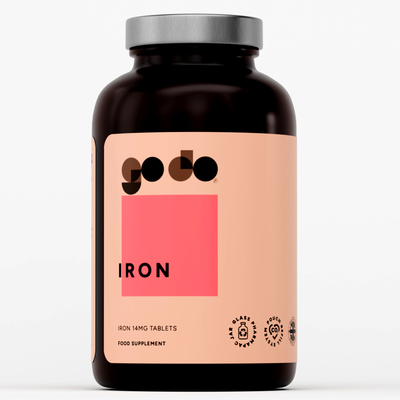
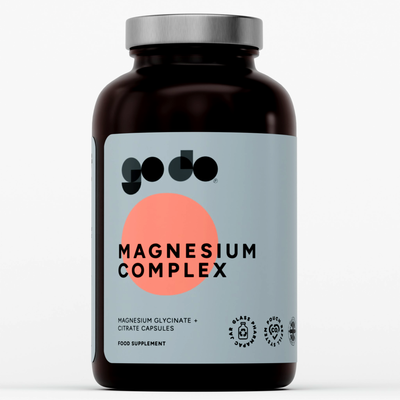
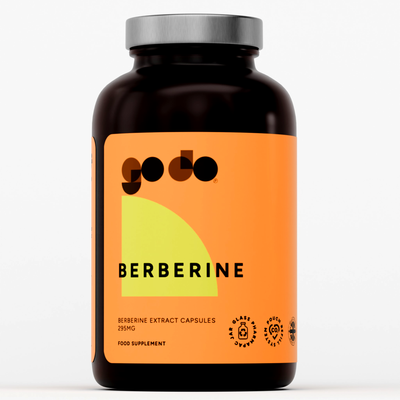
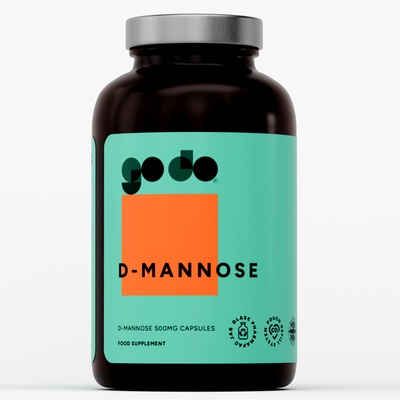
Supplements cannot remove gym anxiety, and they are not a substitute for professional mental health support. If you already use supplements as part of your training routine, choose products that fit your needs and follow the label directions.

Recommended reading
For more training and recovery ideas, you may also enjoy:
- Types of Sports Recovery Methods
- How to Reduce Muscle Soreness Between Games
- Muscle Glycogen Replenishment Strategies
- Fitness Health for further health and training resources