

The three pillars that drive the largest share of athletic recovery are sleep, nutrition (refueling and rehydrating), and training-load management. Everything else, from ice baths to pneumatic boots, layers on top of those. The most-used recovery method categories are active recovery, cold and heat therapies, compression, manual and self-myofascial work, photobiomodulation, flotation, electrostimulation, and targeted supplements. According to a narrative review published in MDPI, the fundamentals deliver a larger contribution to recovery than most devices, and evidence for many newer gadgets remains mixed. The GSSI recommends individualized experimentation because no single method works the same way for every athlete.
Here is a quick map of the main types of sports recovery methods covered below:
- Passive recovery: sleep, rest, flotation/REST tanks
- Active recovery: light movement, mobility, stretching
- Thermal: cold water immersion (CWI), contrast water therapy, whole-body cryotherapy (WBC), sauna, infrared
- Mechanical: compression garments, pneumatic compression devices
- Manual and self-myofascial: massage, foam rolling
- Photobiomodulation: red-light therapy
- Electrical: TENS, neuromuscular electrical stimulation (NMES)
- Nutritional adjuncts: protein, electrolytes, creatine, antioxidants
- Psychological: mindfulness, meditation, mental relaxation
- Emerging: hyperbaric oxygen therapy (HBOT)
Pro Tip: Before spending money on any device, confirm that sleep, post-session nutrition, and weekly load are dialed in. Those three levers almost always move the needle more than any gadget.
Key Takeaways
Sleep, nutrition, and training-load management form the foundation of every effective recovery plan, and no device or modality consistently outperforms them.
| Point | Details |
|---|---|
| Fundamentals first | Sleep, nutrition, and load management deliver the largest recovery return before any device is added. |
| Match method to timing | Use CWI and foam rolling immediately post-session; save massage and sauna for the 24–72-hour window. |
| Strongest evidence | Cold water immersion, compression garments, foam rolling, and active recovery have the most consistent research support. |
| Track individual response | Monitor soreness, sleep quality, and readiness daily; adjust the foundation before changing the modality. |
| Fitnesshealth as adjunct | Fitnesshealth offers quality-tested protein, electrolytes, sleep-support, and recovery bundles that complement evidence-based recovery behaviors. |
Table of Contents
- The Main Types of Sports Recovery Methods, Explained by Category
- How to prioritize your recovery plan
- What the research actually says about recovery evidence
- Safety notes and contraindications
- What actually works in practice
- Fitnesshealth supports your recovery from the inside out
- Sources
The Main Types of Sports Recovery Methods, Explained by Category
The sections below organize recovery techniques for athletes into three application types: passive (the body does the work), active (low-intensity movement assists recovery), and proactive (deliberate interventions that accelerate specific outcomes). Each entry includes a use case, an evidence label, and a practical protocol.
Passive recovery methods
Sleep Sleep is the single most powerful recovery tool available, and it costs nothing. During slow-wave and REM sleep, the body releases growth hormone, consolidates motor learning, and repairs damaged muscle tissue. NASM’s practitioner resource identifies sleep as the most effective low-cost recovery strategy available. Target 7–9 hours for adults; elite athletes often benefit from 9–10 hours during heavy training blocks. Circadian rhythm matters too: consistent sleep and wake times improve sleep quality more than total time in bed alone. Evidence: Strong.
Rest and load management Planned rest days and periodized training blocks prevent the cumulative fatigue that no recovery modality can fix after the fact. Reducing training volume substantially during a deload week allows connective tissue and the central nervous system to catch up with muscular adaptation. Evidence: Strong.
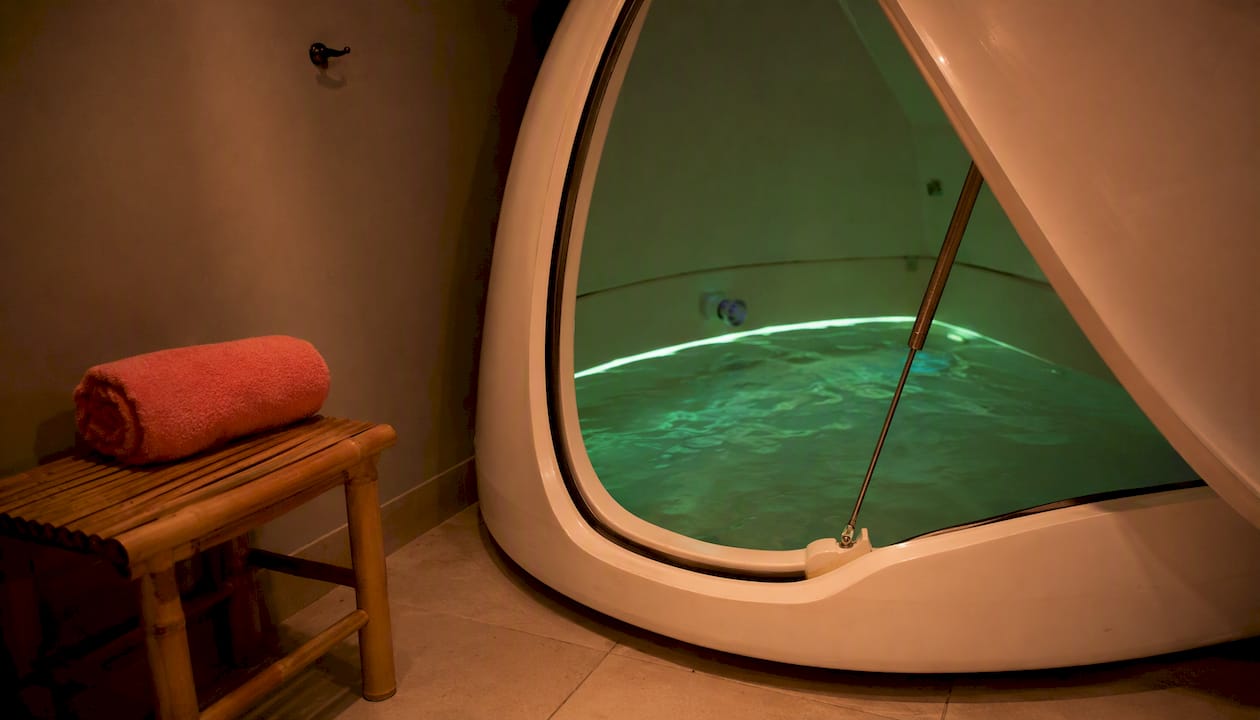
Flotation / REST tanks Restricted Environmental Stimulation Therapy (REST) involves floating in a skin-temperature, high-density Epsom salt solution that eliminates sensory input. The primary benefit is psychological: reduced cortisol, lowered perceived stress, and improved sleep onset. Mass General Brigham lists flotation among common recovery interventions for athletes. Protocol: 60-minute sessions, one to two times per week during high-stress training blocks. Evidence: Limited to mixed (small sample sizes; promising for psychological recovery).
Active recovery methods
Light movement and active recovery Active recovery outperforms complete rest for managing stiffness because circulation accelerates without taxing the system further. GSSI lists active recovery among its most commonly recommended techniques. Evidence: Strong for perceived soreness and stiffness; mixed for performance markers.
Stretching and mobility work Static stretching held for 30–60 seconds per muscle group, or dynamic mobility flows, can reduce perceived tightness and maintain range of motion across a training block. The evidence for stretching preventing delayed-onset muscle soreness (DOMS) is modest, but its role in maintaining movement quality over a season is well-supported by coaches. Evidence: Mixed for soreness reduction; moderate for long-term mobility maintenance.
Thermal recovery methods
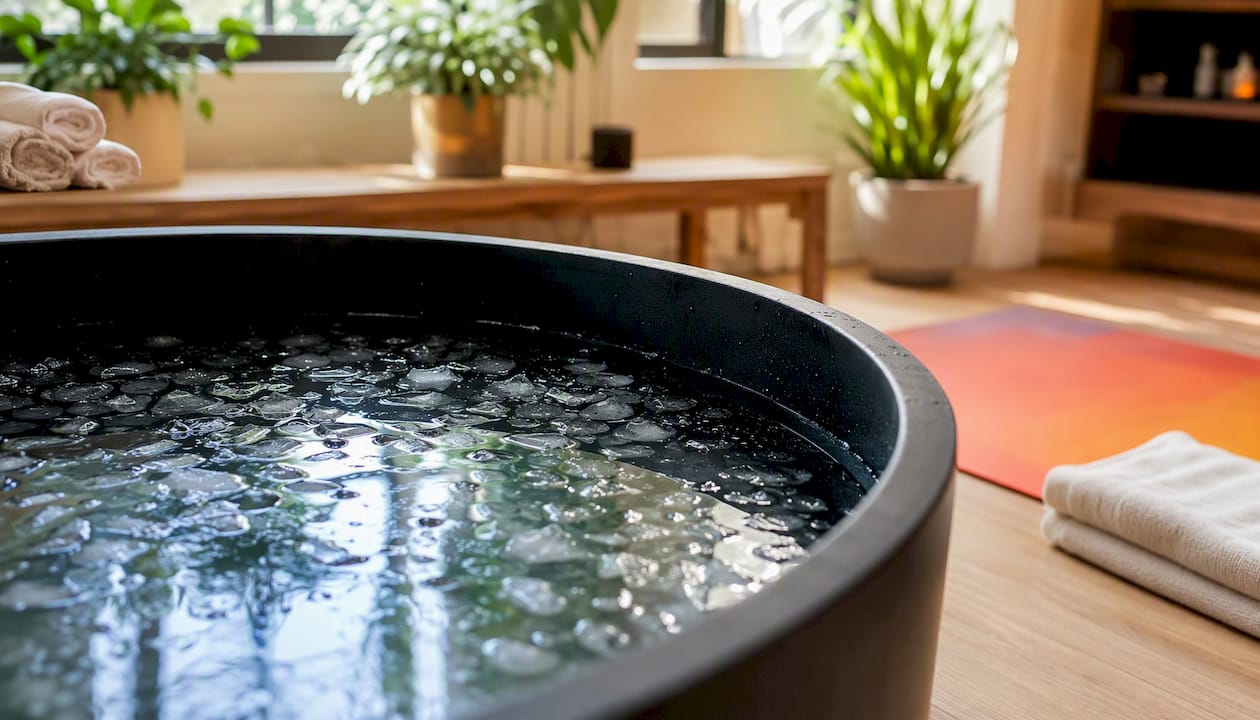
Cold water immersion (CWI) CWI at 10–15°C for 10–15 minutes is one of the most studied recovery interventions. It reduces perceived soreness and supports next-day readiness, particularly for endurance athletes. The MDPI narrative review rates hydrotherapy among the methods with higher evidence levels. One important caveat: regular post-resistance-training ice baths may blunt hypertrophy adaptations by suppressing the inflammatory signaling that drives muscle growth. Use CWI strategically, not habitually after every strength session. Evidence: Strong for perceived soreness and short-term readiness; mixed for long-term adaptation.
Contrast water therapy Alternating between hot (38–40°C) and cold (10–15°C) water in cycles of 1–2 minutes each, for a total of 15–20 minutes, creates a vascular pumping effect that may accelerate metabolite clearance. Evidence: Mixed. Some athletes report strong subjective benefit; controlled trials show modest objective gains.
Whole-body cryotherapy (WBC) WBC exposes the body to extremely cold air (minus 110°C to minus 140°C) for 2–4 minutes in a cryochamber. The umbrella review published in PMC found mixed evidence overall, with cryotherapy showing promising tendencies for training recovery (8–24 hours) in endurance athletes. Cost and access limit practical use for most athletes. Evidence: Mixed.
Sauna and infrared therapy Traditional sauna (80–100°C, 15–20 minutes) and far-infrared sauna (45–60°C, 30–45 minutes) promote muscle relaxation, improve sleep quality, and may support cardiovascular adaptation. Infrared penetrates tissue more deeply at lower ambient temperatures, which some athletes tolerate better. Sauna use within two hours of bedtime can disrupt sleep onset for heat-sensitive individuals. Evidence: Mixed for direct recovery; moderate for relaxation and sleep quality.
Mechanical recovery methods
Compression garments Graduated compression socks, tights, and sleeves apply external pressure that supports venous return and reduces exercise-induced swelling. The PMC umbrella review identified compression garments as showing promising tendencies for training recovery in endurance athletes. Wear during or immediately after exercise for 12–24 hours. Evidence: Moderate to strong for perceived soreness and swelling; mixed for performance.
Pneumatic compression devices Sequential pneumatic compression boots (e.g., used in clinical and sports settings) inflate in segments from distal to proximal, mimicking the muscle-pump mechanism. They are popular in professional sports for travel recovery and between-session freshness. Evidence: Mixed (limited high-quality RCTs; strong anecdotal support from practitioners).
Manual and self-myofascial methods
Foam rolling and self-myofascial release (SMR) Foam rolling for 60–120 seconds per muscle group, immediately post-session or the following morning, consistently reduces perceived soreness and improves short-term range of motion. The MDPI review rates foam rolling among the methods with higher evidence levels. It is low-cost, requires no equipment beyond the roller, and fits into any warm-down. Evidence: Moderate to strong for perceived soreness and ROM.
Massage Sports massage, deep tissue work, or even a 10–15 minute targeted session reduces perceived muscle tension and supports psychological relaxation. GSSI lists massage among its commonly recommended recovery techniques. Frequency and timing matter: a deep session 24–48 hours post-competition is better tolerated than immediately after. Evidence: Moderate for soreness and relaxation; limited for direct performance enhancement.
Photobiomodulation
Red-light therapy (PBM) Photobiomodulation uses red (630–700 nm) and near-infrared (800–1100 nm) light to stimulate mitochondrial activity and reduce local inflammation. Mass General Brigham lists it among common recovery interventions. Pre-exercise application may reduce muscle damage; post-exercise use targets soreness. Protocol: 5–20 minutes per targeted area, 3–5 times per week. Evidence: Mixed to promising (growing body of small RCTs; larger trials needed).
Electrostimulation
TENS and NMES Transcutaneous electrical nerve stimulation (TENS) targets pain modulation; neuromuscular electrical stimulation (NMES) produces passive muscle contractions that can assist blood flow and reduce soreness. Both are used in clinical and sports settings. Evidence: Limited to mixed for recovery-specific outcomes; stronger evidence for pain management in rehabilitation.
Nutrition and hydration as recovery strategies
Refueling and rehydrating are not optional add-ons. They are recovery. Consuming 20–40 g of high-quality protein within 30–60 minutes of a session initiates muscle protein synthesis. Pairing protein with carbohydrate (0.8–1.2 g/kg body weight) restores glycogen faster, which matters most in tournament blocks or double-session days. NASM identifies hydration as one of the most effective low-cost recovery strategies. Electrolyte replacement (sodium, potassium, magnesium) is especially important after sweat-heavy sessions. For deeper guidance on recovery nutrition timing, the specifics of when and what to eat make a measurable difference. Evidence: Strong.
Supplements function as adjuncts, not replacements. Creatine monohydrate, omega-3 fatty acids, and tart cherry extract have the most consistent evidence for recovery support. Antioxidant supplements like vitamin C and E may reduce oxidative stress but can also blunt training adaptations if dosed too aggressively. Use third-party tested products and review any supplement against current medication or medical conditions.
Psychological recovery methods
Mindfulness, meditation, and structured mental relaxation reduce perceived stress, lower cortisol, and improve sleep quality. A 10–15 minute guided breathing or body-scan session post-competition can shift the nervous system from sympathetic to parasympathetic dominance faster than passive sitting. Psychological recovery is often the most neglected category in athlete planning, yet it directly affects sleep quality and next-session motivation. Evidence: Moderate for stress reduction and sleep; limited for direct performance metrics.
Emerging methods
Hyperbaric oxygen therapy (HBOT) It is used in clinical wound care and has attracted interest in sports medicine. Current evidence for healthy athletes is preliminary; most studies are small and methodologically limited. HBOT requires medical supervision and carries risks (oxygen toxicity, barotrauma) that make it unsuitable for unsupervised use. Evidence: Limited for athletic recovery in healthy populations.
How to prioritize your recovery plan
The biggest mistake athletes make is reaching for a device before confirming the basics. A practical prioritization framework starts with a simple checklist and then layers in modalities based on time, goal, and constraints.
Step 1: Confirm the foundation
Before adding any modality, verify these four non-negotiables:
- Sleep: Are you hitting 7–9 hours consistently? If not, no device closes that gap.
- Nutrition: Did you refuel within 60 minutes post-session with protein and carbohydrate?
- Hydration: Is urine pale yellow? Have you replaced electrolytes after heavy sweat sessions?
- Load management: Is your weekly volume periodized, with planned deload weeks?
A practical guide to faster muscle recovery covers the recovery pyramid in detail if you want to audit each pillar.
Step 2: Match the method to your timeline
Immediate (0–2 hours post-session) Refuel, rehydrate, and get off your feet. CWI or contrast water therapy fits here if soreness is the priority. Foam rolling for 10–15 minutes addresses acute stiffness. Compression garments can go on immediately.
Short-term (2–24 hours / tournament turnaround) Sleep is the priority. Add active recovery (light walk or cycle) if stiffness is high. Pneumatic boots or compression garments during travel. Mindfulness or breathing work before bed.
Training recovery (24–72+ hours) Massage, sauna, or infrared sessions fit here. Mobility and stretching work. Reassess load for the next session.
Step 3: Match the method to your goal
| Goal | Primary method | Secondary option |
|---|---|---|
| Reduce perceived soreness | CWI, foam rolling | Compression garments |
| Next-day performance readiness | Sleep, refueling | Active recovery |
| Restore range of motion | Stretching, mobility | Foam rolling, massage |
| Psychological reset | Mindfulness, flotation | Sauna |
| Travel fatigue | Compression garments | Hydration, sleep hygiene |
Step 4: Factor in sport type and individual response
Endurance athletes benefit most from CWI and compression for training recovery. Power and strength athletes should limit post-session CWI frequency to avoid blunting hypertrophy. Team sport athletes, who face congested fixture schedules, prioritize sleep, refueling, and compression between matches. GSSI recommends treating recovery as an individual skill: test modalities in context, track outcomes (soreness scores, sleep quality, session RPE), and favor simple, repeatable protocols.
Age and sex also shape the picture. Older athletes generally need longer recovery windows and may benefit more from sleep extension and load reduction than from thermal modalities. Female athletes may experience different hormonal responses to cold exposure and should track how methods interact with their menstrual cycle phase.
What the research actually says about recovery evidence
The evidence base for sports recovery strategies is genuinely uneven, and understanding that unevenness helps coaches make smarter choices.
The MDPI narrative review is direct: sleep, nutrition, and load management sit at the top of the recovery pyramid. Foam rolling, compression garments, hydrotherapy, photobiomodulation, and active recovery have higher evidence levels than most newer devices. The PMC umbrella review found mixed evidence across ten recovery tools, with compression garments and cryotherapy showing the most consistent tendencies for training recovery in endurance athletes, while noting that the methodological quality of the underlying reviews varied.
Key research finding: Across major reviews, the methods with the most consistent evidence for reducing perceived soreness and supporting short-term readiness are cold water immersion, compression garments, foam rolling, and active recovery. Whole-body cryotherapy, red-light therapy, and flotation show promise but lack the volume of high-quality trials needed for strong recommendations.
Common methodological problems across the literature include small sample sizes (often fewer than 20 participants), heterogeneous protocols (different temperatures, durations, and timing), short follow-up periods, and difficulty blinding participants. These limitations mean that effect sizes from individual studies often do not replicate at scale.
Evidence-strength summary:
| Method | Evidence level | Primary benefit | Adaptation caution |
|---|---|---|---|
| Sleep | Strong | Repair, motor learning, hormonal | None |
| Nutrition and hydration | Strong | Glycogen, protein synthesis | None |
| Active recovery | Strong | Soreness, stiffness | None |
| Foam rolling | Moderate–Strong | Perceived soreness, ROM | None |
| Compression garments | Moderate | Swelling, soreness | None |
| Cold water immersion | Moderate–Strong | Soreness, readiness | Blunts hypertrophy if chronic |
| Massage | Moderate | Soreness, relaxation | None |
| Contrast water therapy | Mixed | Metabolite clearance | None |
| Sauna / infrared | Mixed | Relaxation, sleep | Dehydration risk |
| Whole-body cryotherapy | Mixed | Soreness | Cost, access |
| Red-light therapy | Mixed–Promising | Inflammation, soreness | None identified |
| Flotation / REST | Limited–Mixed | Psychological, sleep | None |
| TENS / NMES | Limited–Mixed | Pain, blood flow | None |
| HBOT | Limited | Tissue repair | Medical supervision required |
For season-critical decisions, prefer methods backed by randomized controlled trials and monitor individual responses rather than applying population averages.
Safety notes and contraindications
Recovery methods carry real risks when applied without context. The following flags apply across the most commonly used techniques.
Cold therapies (CWI, WBC, contrast)
- Avoid or use with medical supervision if you have Raynaud’s disease, uncontrolled hypertension, or peripheral vascular disease.
- Do not use CWI immediately after resistance training if hypertrophy is a primary goal.
- Never use a cold plunge alone; a second person should be present, particularly for first-time users.
Heat therapies (sauna, infrared)
- Sauna is contraindicated for athletes who are already dehydrated or heat-intolerant.
- Avoid sauna use within 2 hours of bedtime if you are sensitive to heat-related sleep disruption.
- Individuals with cardiovascular conditions should consult a physician before using high-temperature sauna.
Compression garments and pneumatic devices
- Avoid compression over areas of suspected deep vein thrombosis, open wounds, or active infection.
- Athletes with peripheral vascular disease should get medical clearance before using pneumatic compression.
Supplements
- Use only third-party tested products (NSF Certified for Sport, Informed Sport) to reduce contamination risk.
- Review all supplements against current medications, particularly anticoagulants and immunosuppressants.
- High-dose antioxidants (vitamin C and E) taken chronically may blunt training adaptations; use targeted, not blanket, supplementation. See zinc and athletic recovery for an example of evidence-based micronutrient use.
When to stop and seek care Stop any recovery modality and consult a clinician if you experience numbness or tingling that persists beyond the session, worsening pain rather than improvement, signs of infection after soft-tissue work (redness, heat, swelling, fever), or chest discomfort during thermal therapies.
Pediatric athletes and older adults need adjusted protocols. Younger athletes should avoid extreme thermal exposures; older athletes benefit from longer warm-up periods before cold exposure and may need lower-intensity compression. Mayo Clinic’s sports medicine resources provide accessible safety guidance for both populations.
What actually works in practice
The recovery pyramid is not a metaphor. It is a decision filter. Start at the base every single time.
For a practical example: a competitive cyclist finishing a three-day stage race would prioritize 40 g of protein plus 80 g of carbohydrate within 30 minutes of each stage, compression tights during the transfer bus, 9 hours of sleep, and a 20-minute easy spin the following morning. CWI after the hardest stage adds a meaningful soreness benefit. Mindfulness breathing before bed on night two, when pre-race nerves spike, addresses the psychological load that would otherwise cut into sleep quality.
The mistake most athletes make is adding devices before tracking whether the basics are actually landing. Track three simple metrics each morning: a soreness score (1–10), a sleep quality score (1–10), and a readiness-to-train rating. Review those numbers weekly. If soreness stays high despite consistent CWI, the problem is probably load or nutrition, not the ice bath temperature. Adjust the foundation before adjusting the modality.
GSSI’s resources frame recovery as a self-regulatory skill, not a checklist. The athletes who recover best are the ones who know their own patterns well enough to adjust in real time, not the ones with the most equipment.
Fitnesshealth supports your recovery from the inside out
Recovery starts with what you put into your body, and that is where Fitnesshealth fits. The supplements and wellness products available at Fitnesshealth are designed as adjuncts to sleep, food, and load management, not replacements for them. Quality-tested protein and meal-replacement formulas support the refueling window. Electrolyte blends cover rehydration after sweat-heavy sessions. Sleep-support formulas address the circadian and relaxation side of recovery. Curated recovery bundles take the guesswork out of building a supplement stack that actually matches the evidence.
Every product on the site is selected with the same evidence-aware standard this article applies to recovery methods: does it have a clear mechanism, a reasonable evidence base, and a role that complements the fundamentals? Browse the Fitnesshealth recovery supplement range to find products that fit your training phase, sport type, and recovery goals. This article is for general information only and is not a substitute for professional medical or nutritional advice.
Sources
The sources below were used to build the evidence summaries, protocol guidance, and safety notes in this article.
- Fundamentals or Icing on Top of the Cake? A Narrative Review of Recovery Strategies and Devices for Athletes
- Assessing the evidence for 10 recovery tools and techniques (umbrella review)
- Recovery Techniques For Athletes - Gatorade Sports Science Institute
- Recovery Techniques for Athletes | Mass General Brigham
- Athlete Recovery Techniques to Achieve Peak Performance










