Trying to eat perfectly can make healthy eating feel harder than it needs to be. The 80/20 nutrition rule offers a more flexible approach: make most of your choices nutrient-dense, while leaving some room for foods you genuinely enjoy. It is not a medically proven ratio, but it can be a useful way to build a sustainable eating pattern. The Harvard Healthy Eating Plate is a helpful evidence-based guide for filling most meals with vegetables, fruit, whole grains, healthy proteins and unsaturated fats.
Table of Contents
- What the 80/20 nutrition rule means
- Why rigid perfection can backfire
- What belongs in the 80 percent
- How to include the flexible 20 percent
- Using 80/20 nutrition around training
- Making flexible eating work socially
- Evidence-based benefits and important limits
- Safety warnings and when to seek support
- A realistic approach that lasts
- Fitness Health: build your everyday nutrition support
- Recommended reading
What the 80/20 nutrition rule means
The 80/20 rule in nutrition usually means that around 80% of your food choices come from nutrient-dense, minimally processed foods. The remaining 20% is flexible.
That flexible part might include pizza with friends, a slice of birthday cake, a takeaway after a long workday, or your favourite chocolate bar. It is not a reward for being “good”. It is simply part of eating like a normal human being.
You can think about the ratio across a day, a week, or your overall eating pattern. You do not need to calculate every calorie or label every meal. In fact, that would miss the point.
The number 80 is a guide, not a target you must hit perfectly. There is no strong evidence that exactly 80/20 is better than 85/15, 90/10 or another balanced pattern. The real value is using the idea to move away from all-or-nothing thinking.
A healthy eating pattern should support your health, training, culture, budget and enjoyment. It should also be flexible enough to survive busy Mondays and relaxed weekends.
Why rigid perfection can backfire
Many people start a new eating plan with a long list of rules. No sugar. No takeaway food. No eating out. No desserts. Every meal must be “clean”.
This can feel motivating at first. Then real life happens.
You stay late at work. Your friend invites you for dinner. You travel. You feel tired. One meal does not match the plan, so you decide the whole day is ruined. That thought can turn one flexible meal into an entire weekend of overeating.
This is one reason rigid dieting can be difficult to maintain. Research on weight management repeatedly suggests that long-term adherence matters at least as much as the specific diet style. A review published through PubMed Central notes that diets with very different macronutrient compositions can produce similar longer-term outcomes, while adherence is a major factor in success.
Flexible eating does not guarantee weight loss. It also does not make calorie balance irrelevant. But it can make a healthy pattern easier to follow without creating unnecessary guilt.
The goal is not to eat perfectly. The goal is to return to your usual habits after an ordinary deviation.
What belongs in the 80 percent
The nutrient-dense 80% should give your body the basics it needs. That includes protein, fibre, vitamins, minerals, essential fats and enough energy to support your daily life.
A simple foundation might include:
- Vegetables and fruit in a variety of colours
- Beans, lentils, peas and other legumes
- Whole grains such as oats, brown rice, quinoa and wholegrain bread
- Protein sources such as eggs, fish, poultry, tofu, yoghurt, beans and nuts
- Healthy fats from olive oil, avocado, seeds and oily fish
- Water, tea or coffee with little added sugar
You do not need to build a perfect plate at every meal. A bowl of porridge with berries is a solid breakfast. A jacket potato with beans and salad works for lunch. A stir-fry with tofu, vegetables and rice can make a quick dinner.
The NHS Eatwell Guide also focuses on overall balance rather than banning individual foods. That is a useful mindset. Look at the pattern across the week, not one plate in isolation.

How to include the flexible 20 percent
The flexible 20% works best when you choose foods intentionally rather than eating them because you feel you have already failed.
Maybe you want dessert after dinner. Enjoy it. Maybe you are meeting friends for burgers. Order the burger you actually want and eat it slowly. Maybe you are watching a film and want popcorn. Put some in a bowl and settle in.
Flexible eating is not the same as eating without awareness. It still helps to notice hunger, fullness and enjoyment. You might also choose a portion that feels satisfying rather than eating until you feel uncomfortable.
Avoid calling flexible foods “bad”. Food has different nutritional qualities, but moral labels can make eating more stressful. A doughnut is not a character flaw. A salad is not proof that you are a better person.
You can also make a flexible choice more balanced without taking the fun out of it. Add vegetables to a pizza meal. Have fruit alongside a pastry. Include a protein-rich breakfast before a social dinner. These are options, not rules.
Using 80/20 nutrition around training
Training can make your food choices feel more complicated, especially if you are trying to build muscle, lose body fat or improve performance.
The basics still matter most. Eat enough overall energy for your goal, include regular protein sources, and choose carbohydrate-rich foods that help you train well. Oats, rice, potatoes, pasta, fruit and bread can all fit into a performance-focused diet.
Before training, a meal or snack containing carbohydrate and some protein may be useful. After training, a balanced meal can help you replace energy and support recovery. It does not need to be a perfectly timed shake.
For people who struggle to eat enough protein, a convenient supplement can be useful. Fitness Health’s Strength & Fitness collection includes options such as creatine and other training-focused products. Supplements can complement a varied diet, but they should not be used to compensate for consistently poor meals.
The flexible 20% can fit around training too. A meal out after a long session will not erase your progress. In many cases, enjoying food with your training community can make the whole routine more sustainable.
Making flexible eating work socially
Social eating is part of health. Meals with family, celebrations, travel and dinners with friends all contribute to wellbeing.
A common mistake is trying to “save calories” all day before a social event. Arriving extremely hungry can make it much harder to make choices that feel comfortable. A better approach is to eat normally earlier in the day, include protein and fibre, and then enjoy the occasion.
You can also decide what matters most to you. Perhaps the restaurant dessert is your favourite part, while alcohol is not important. Or maybe you want to enjoy the main meal and skip the starter. There is no universal right answer.

Evidence-based benefits and important limits
The strongest evidence supports the principles behind flexible eating, rather than the exact 80/20 percentage.
Potential benefits include:
- Better long-term adherence: A plan that fits your lifestyle is more likely to be followed than one built around constant restriction.
- Less all-or-nothing thinking: One indulgent meal does not need to become an abandoned week.
- More social flexibility: You can participate in meals and celebrations without feeling that progress has been lost.
- A broader, more varied diet: Focusing on nutrient-dense foods encourages vegetables, fruit, whole grains, legumes and quality protein.
- A more comfortable relationship with food: Allowing enjoyable foods may reduce the feeling that they are forbidden or scarce.
However, the 80/20 rule is not a guarantee of weight loss or improved health. Someone could technically follow an 80/20 pattern while eating portions that do not match their energy needs. The flexible 20% can also become much larger without noticing.
Use the framework as a gentle guide. Keep an eye on your energy, training performance, hunger, digestion and progress towards your personal goal.
Safety warnings and when to seek support
Flexible eating is not suitable as a substitute for medical nutrition advice. Speak with a qualified healthcare professional or registered dietitian if you have diabetes, kidney disease, gastrointestinal disease, food allergies, a history of eating disorders, or another condition that affects your nutritional needs.
If the 80/20 idea makes you count obsessively, compensate for food, skip meals, binge, or feel intense guilt, it may not be the right framework for you. A more individualised approach can be safer and more supportive.
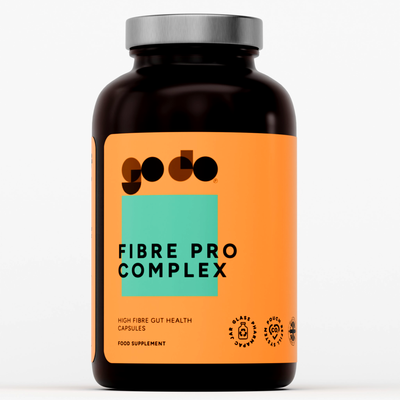
Take care with supplements too. For example, fibre products such as Fibre Pro Capsules should be used according to the product directions. Increase fibre gradually, drink enough fluid, and ask a pharmacist or clinician about possible interactions if you take medication. Supplements should not replace a varied diet or prescribed treatment.
A realistic approach that lasts
The best version of the 80/20 nutrition rule is not a strict calculation. It is a reminder to build most meals around foods that support your health, while leaving room for pleasure and real life.
Some weeks may look closer to 90/10. Others may be more like 70/30. Holidays, travel and stressful periods happen. You do not need to punish yourself afterwards. Simply return to your normal meals at the next opportunity.
Consistency is built through ordinary choices repeated over time. A balanced breakfast, a decent lunch, enough water, regular movement and a dinner you enjoy will take you much further than a perfect plan you can only follow for six days.
Fitness Health: build your everyday nutrition support
Fitness Health creates affordable, UK-made supplements for everyday wellness, training and specialised health goals. Whether you are looking for digestive support, vitamins and minerals, energy products or strength-focused options, explore the full Fitness Health collection.
Supplements are most useful when they fit into a wider routine that already includes nourishing food, regular movement, good sleep and realistic expectations.
Recommended reading
- Fitness Health Weight Loss collection
- Fitness Health Gut Health collection
- Fitness Health Energy collection
- The Busy Professional’s Nutrition Toolkit: 15-Minute Meal Prep That Actually Sticks
- Seasonal Eating 101: A Beginner’s Guide to Mastering Your Gut Health
- Periodization for Your Plate: How to Eat in Training Blocks
Meta description: The 80/20 Nutrition Rule for Real Life: Flexible Eating Without Losing Progress explains how to enjoy nutrient-dense foods, social meals and treats while building a sustainable nutrition routine.