Maintaining a diverse and resilient gut microbiome is increasingly recognised as a cornerstone of overall wellbeing, influencing everything from immunity to mental health. Research published in PubMed Central (PMC) highlights that dietary diversity is one of the most potent drivers of microbial richness. One of the most effective, natural ways to achieve this diversity is through seasonal eating, the practice of consuming fruits and vegetables that are naturally harvested at specific times of the year.
Table of Contents
- Key Takeaways
- The Science of Seasonal Eating and the Microbiome
- The Gut-Health Benefits of Local Produce
- Building Your Plate: UK Seasonal Produce Guide
- Recipe: Gut-Friendly Chicken and Vegetable Tray Bake
- The Role of Fibre Supplements in Gut Health
- Step-by-Step Framework for Gut Mastery
- Real-World View: Hype vs. Science
- Safety and Contraindications
- Frequently Asked Questions
- Recommended Reading
Key Takeaways
| Feature | Benefit for Gut Health |
|---|---|
| Dietary Diversity | Feeds a wider range of beneficial bacterial strains. |
| Nutrient Density | Higher vitamin and antioxidant levels in fresh-picked produce. |
| Fibre Variety | Rotating pectin, inulin, and cellulose based on the season. |
| Microbiome Resilience | Helps the gut adapt to environmental changes and stressors. |
| Cost-Effectiveness | In-season produce is typically cheaper and more accessible. |
The Science of Seasonal Eating and the Microbiome
The human gut is home to trillions of microorganisms that require a variety of fuel sources, primarily plant-based fibres, to thrive. When we eat the same five vegetables year-round, we essentially "monocrop" our internal ecosystem, favouring a narrow group of bacteria.
Seasonal eating forces a natural rotation of nutrients. For example, the Hadza hunter-gatherers of Tanzania, who eat entirely seasonally, show significant shifts in their microbiome composition throughout the year, reflecting the availability of different tubers, berries, and honey. This cyclical change is linked to higher microbial diversity compared to Western populations.
Fibre Types Found in Seasonal Foods
| Fibre Type | Found In (UK Season) | Mechanism of Action |
|---|---|---|
| Inulin | Onions, Leeks, Garlic (Year-round/Spring) | Potent prebiotic; selectively feeds Bifidobacteria. |
| Pectin | Apples, Pears (Autumn/Winter) | Forms a gel; supports regular bowel movements. |
| Resistant Starch | Potatoes, Parsnips (Autumn/Winter) | Ferments in the large intestine to produce butyrate. |
| Cellulose | Cabbage, Kale, Carrots (Winter) | Provides "bulk" to help food move through the digestive tract. |
"A diverse diet is the most important factor for a healthy gut microbiome, which in turn influences immune function and metabolic health." , World Gastroenterology Organisation (WGO)
The Gut-Health Benefits of Local Produce
Freshness matters. Once a vegetable is harvested, its nutrient profile begins to degrade. Seasonal foods are often sourced locally, meaning they spend less time in transit and storage. This preserves sensitive antioxidants and phytonutrients that protect the gut lining from oxidative stress.
Furthermore, plants grown in their natural season often require fewer chemical interventions. Reducing exposure to pesticides is beneficial for the microbiome, as some agricultural chemicals have been shown to alter bacterial populations in animal studies.
 Alt Text: A minimalist close-up of high-fibre seasonal foods including leafy greens, seeds, and whole grains.
Pro Tip: Shop at local farmers' markets or look for the "UK Grown" labels in supermarkets. This ensures your produce hasn't spent weeks in cold storage, preserving those vital prebiotics.
Building Your Plate: UK Seasonal Produce Guide
To master your gut health, aim for the "30 plants a week" target. This includes not just vegetables, but also fruits, nuts, seeds, herbs, and spices.
- Spring: Asparagus, jersey royal potatoes, leeks, spring greens, spinach.
- Summer: Courgettes, tomatoes, peppers, beetroot, runner beans, berries.
- Autumn: Pumpkins, squash, apples, pears, blackberries, mushrooms.
- Winter: Brussels sprouts, kale, carrots, parsnips, swede, red cabbage.
Recipe: Gut-Friendly Chicken and Vegetable Tray Bake
This chicken and vegetable tray bake is designed to be a high-fibre powerhouse. The beauty of this recipe lies in its adaptability; simply swap the vegetables based on what is currently in season.
 Alt Text: A top-down professional photo of a roasted chicken and vegetable tray bake with carrots and broccoli.
Ingredients (Serves 4)
- 4 chicken thighs (bone-in, skin-on for collagen support)
- 800g seasonal vegetables (e.g., carrots, red onions, broccoli, peppers)
- 1 can (400g) chickpeas, drained and rinsed
- 3 tbsp olive oil
- 3 cloves garlic, smashed
- 1 tsp dried thyme or rosemary
- Salt and black pepper to taste
Instructions
- Preheat your oven to 200°C (180°C fan).
- Chop all seasonal vegetables into roughly equal-sized bite-sized pieces.
- Toss the vegetables and chickpeas in a large roasting tray with 2 tbsp of olive oil, garlic, herbs, and seasoning.
- Nestle the chicken thighs amongst the vegetables. Drizzle the remaining oil over the chicken skin and season.
- Roast for 35–45 minutes until the chicken is cooked through and the vegetables are tender and slightly charred.
- Serve immediately. For an extra fibre boost, top with a sprinkle of pumpkin seeds or a dollop of probiotic-rich Greek yoghurt.
The Role of Fibre Supplements in Gut Health
While "food first" is the ideal strategy, reaching the recommended 30g of fibre daily can be challenging. This is where fibre supplements become a valuable tool. Supplements can provide specific types of fibre that may be lacking in your current seasonal rotation.
Common Fibre Supplement Profiles
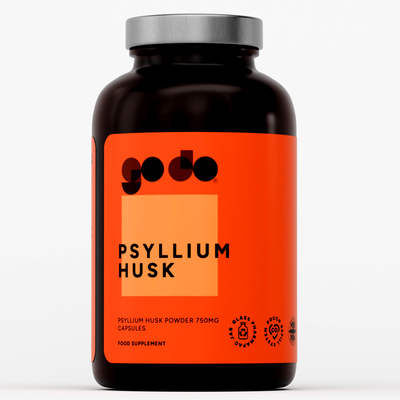
- Psyllium Husk: Excellent for regularity and forming a gel-like substance that soothes the gut lining.
- Inulin Powder: A powerful prebiotic that specifically targets the growth of "good" bacteria like Lactobacillus.
- Methylcellulose: A non-fermentable fibre that is often better tolerated by those prone to bloating.
At Fitness Health, we recommend supporting your high-fibre diet with a high-quality probiotic to ensure the bacteria are present to ferment that fibre effectively.
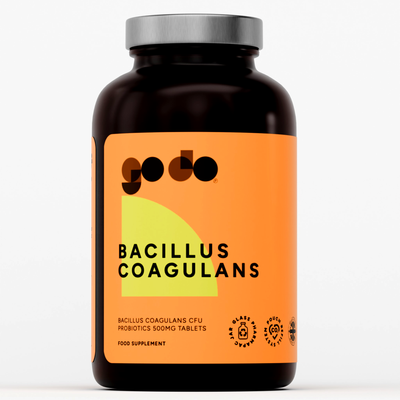
 Alt Text: Fitness Health Bacillus Coagulans probiotic advertisement for gut support.
Step-by-Step Framework for Gut Mastery
Follow this practical guide to transition into a seasonal, gut-friendly lifestyle:
- The "Audit" Phase: For one week, track how many different plant foods you eat. Aim for 30.
- The "Seasonal Swap": Identify three non-seasonal items you buy regularly (e.g., strawberries in winter) and swap them for a seasonal alternative (e.g., apples).
- The "Bulk-Up" Method: Always add a legume (beans, lentils, chickpeas) to your tray bakes to instantly increase fibre density.
- The "Supplement Support": If you struggle with bloating or irregular bowel movements, introduce a fibre supplement like psyllium husk, starting with a half-dose to allow your gut to adapt.
- The "Hydration Habit": Fibre requires water to work. Increase your fluid intake by 500ml for every 5g of supplemental fibre added.
Real-World View: Hype vs. Science
- The Hype: "Seasonal eating will cure all digestive issues instantly."
- The Science: While seasonal eating provides the raw materials for a healthy gut, it is not a panacea. Chronic issues like SIBO (Small Intestinal Bacterial Overgrowth) or IBD (Inflammatory Bowel Disease) require clinical intervention. Seasonal eating is a preventative and supportive strategy, not a standalone cure.
- The Hype: "You must only eat organic seasonal produce."
- The Science: While organic can reduce pesticide exposure, eating conventional seasonal vegetables is far better for your gut than eating no vegetables at all. Don't let the "perfect" be the enemy of the "good."
Safety and Contraindications
Increasing fibre intake too quickly can lead to temporary bloating, gas, and abdominal cramps. Always:
- Start Slow: Gradually increase portions of high-fibre foods.
- Consult a GP: If you have a history of bowel obstructions, Crohn's disease, or severe IBS, consult a healthcare professional before significantly increasing fibre or starting fibre supplements.
- Medication Timing: Fibre supplements can interfere with the absorption of certain medications. Take them at least two hours apart from other prescriptions.
Frequently Asked Questions
Q: Is frozen veg as good as seasonal fresh veg? A: Yes! Frozen vegetables are often frozen at the point of harvest, preserving their nutrient content. They are an excellent way to maintain variety when certain fresh items are out of stock.
Q: Can I use fibre supplements every day? A: Most people can safely use fibre supplements daily, provided they maintain adequate hydration. However, long-term reliance should be discussed with a nutritionist.
Q: Why does the tray bake include chickpeas? A: Chickpeas are high in galacto-oligosaccharides (GOS), a type of prebiotic fibre that is particularly effective at supporting a healthy microbiome.
Recommended Categories
* [Gut Health Supplements](https://fitnesshealth.co/collections/gut-health) * [Immune Support](https://fitnesshealth.co/collections/immunity) * [Vitamins and Minerals](https://fitnesshealth.co/collections/antioxidants)
Ready to support your digestive journey? Explore our range of premium, UK-made supplements designed for optimal health.
 Alt Text: Fitness Health Magnesium Complex capsules advertisement.
Article generated by Penny