Optimal physical performance is often measured by the weight on the bar or the speed of a sprint, yet the silent foundation of these achievements is joint health. According to the National Institutes of Health (NIH), maintaining joint integrity is not just about avoiding pain; it is a physiological requirement for functional longevity. Without adequate range of motion (ROM), the body compensates, leading to inefficient movement patterns and premature plateaus.
In this installment of our Pure Fitness series, we break down the mechanics of mobility and why "bulletproofing" your joints is the ultimate secret to sustainable strength gains.
Table of Contents
- [#takeaways]Key Takeaways
- [#science]The Science of Mobility: More Than Just Stretching
- [#strength]How Joint Health Drives Long-Term Strength
- [#mechanisms]The Anatomy of a Healthy Joint
- [#supplements]Evidence-Based Supplementation for Joint Support
- [#framework]Step-by-Step: The 5-Minute Daily Mobility Framework
- [#reality]Real-World View: Mobility Hype vs. Scientific Reality
- [#safety]Safety and Contraindications
- [#faq]Frequently Asked Questions
- [#recommended]Recommended Reading
Key Takeaways
| Feature | Description | Benefit |
|---|---|---|
| Mobility vs. Flexibility | Control through a range of motion vs. passive muscle length. | Improved stability and force production. |
| Full ROM Training | Using resistance through the entire joint range. | Increases ROM as effectively as stretching. |
| Synovial Health | Movement-induced lubrication of the joint capsule. | Reduces friction and cartilage wear. |
| Supplementation | Glucosamine, Turmeric, and Omega-3s. | Supports anti-inflammatory pathways and structure. |
The Science of Mobility: More Than Just Stretching
In the fitness industry, the terms "mobility" and "flexibility" are often used interchangeably, but they represent distinct physiological qualities. Flexibility refers to the ability of a muscle to lengthen passively. Mobility, however, is the ability of a joint to move actively through a range of motion.
Scientific literature suggests that mobility is a "skill" that integrates muscle length, joint capsule health, and neuromuscular control. A 2021 systematic review found that resistance training performed through a full ROM can improve joint flexibility just as effectively as traditional stretching. This "loaded mobility" is the cornerstone of building joints that are both supple and strong.
"Exercise training can improve pain, stiffness, joint dysfunction, and muscle weakness in those with joint concerns." , National Center for Complementary and Integrative Health (NCCIH)
How Joint Health Drives Long-Term Strength
If you cannot achieve a deep squat position due to ankle or hip restriction, your body will compensate by rounding the lower back. This shift not only increases injury risk but also limits the amount of force your primary movers (quads and glutes) can generate.
The Power of Range of Motion (ROM)
- Force Production: Muscles produce the most force when they can move through their full contractile range.
- Load Distribution: Healthy joints distribute mechanical stress across a larger surface area of cartilage and bone, preventing "hot spots" of wear and tear.
- Efficiency: Better mobility allows for more efficient "leverage" during heavy lifts, meaning you move more weight with less perceived effort.
Pro Tip: Stop thinking of mobility as a "warm-up." Think of it as "movement preparation" that primes your nervous system to access deeper, stronger positions.
The Anatomy of a Healthy Joint

A healthy joint is a marvel of biological engineering. To understand how to protect it, we must look at the key components:
| Component | Function | Scientific Role |
|---|---|---|
| Articular Cartilage | Shock absorption. | Reduces friction during movement. |
| Synovial Fluid | Lubrication. | Provides nutrients to cartilage which lacks blood supply. |
| Joint Capsule | Structural integrity. | Keeps the "lubricant" contained and provides stability. |
| Ligaments/Tendons | Connection. | Transmits force from muscle to bone. |
Movement is the primary driver of joint health. Because cartilage has no direct blood supply, it relies on a process called imbition, the mechanical "pumping" of synovial fluid into the tissue during movement, to receive nutrients and remove waste.
Evidence-Based Supplementation for Joint Support
While movement is medicine, nutrition provides the building blocks. At Fitness Health, we specialize in formulations that support these delicate biological structures at affordable prices.
Key Nutrients for Joint Longevity
- Glucosamine & Chondroitin: Studies indicate these compounds are essential for cartilage matrix formation and may help slow joint space narrowing.
- Turmeric (Curcumin): Known for its potent anti-inflammatory properties, curcumin can be as effective as some NSAIDs for reducing joint discomfort.
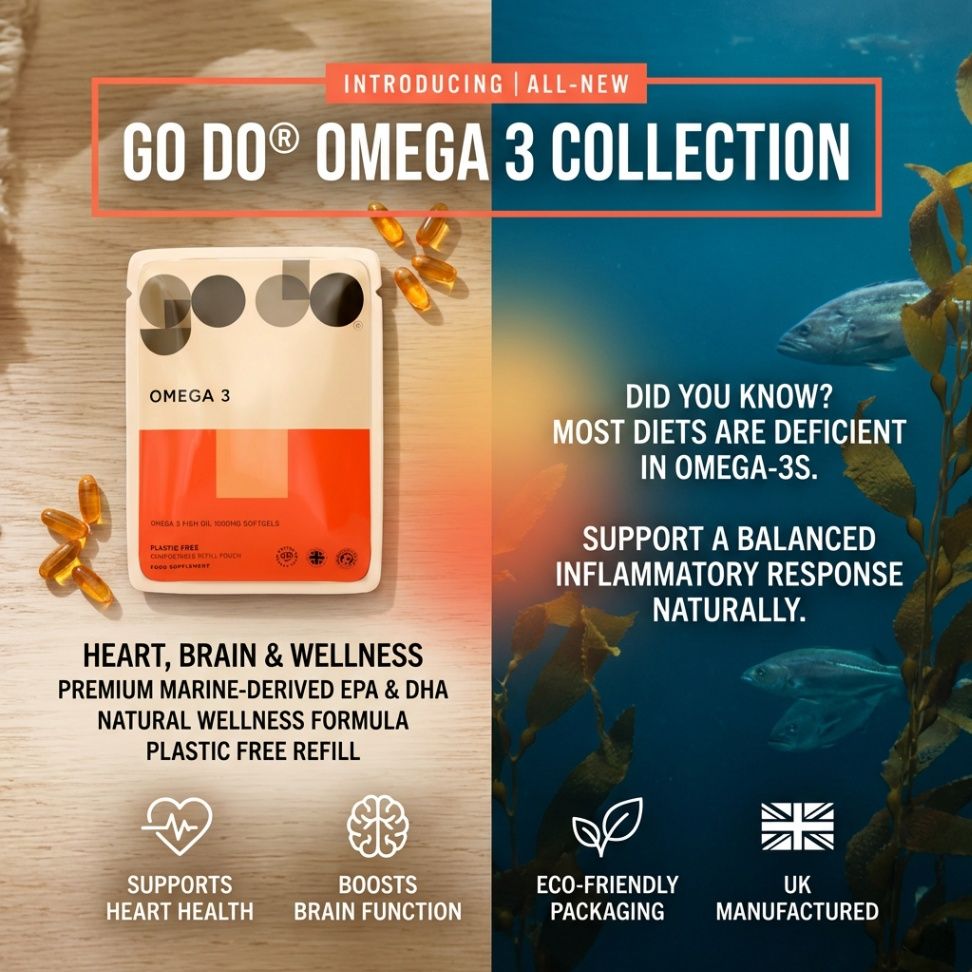
- Omega-3 Fatty Acids: EPA and DHA help modulate the body's inflammatory response, keeping joint stiffness at bay.
Step-by-Step: The 5-Minute Daily Mobility Framework
Consistency beats intensity. Implement this "5-Minute Joint Check" every morning to maintain ROM.
- Ankle Wall Mobilization (60 Seconds): Stand facing a wall. Push your knee toward the wall while keeping your heel down. Repeat for 30s per side.
- 90/90 Hip Switches (60 Seconds): Sit on the floor with legs in 90-degree angles. Rotate your hips from side to side without using your hands for support.
- Thoracic Extensions (60 Seconds): Use a foam roller or the back of a chair to gently extend your upper back, opening the chest.
- World's Greatest Stretch (60 Seconds): A deep lunge with a thoracic rotation. Spend 30s on each side.
- Wrist Circles & CARs (60 Seconds): Controlled Articular Rotations (CARs) for the wrists and neck to stimulate synovial fluid.

Real-World View: Mobility Hype vs. Scientific Reality
The Hype: You need to spend 45 minutes on a foam roller before every workout to "break up scar tissue." The Reality: Foam rolling provides a temporary neurological "window" of increased ROM but does not physically change tissue structure. For long-term change, you must strengthen the new range of motion you've accessed.
The Hype: "Popping" your joints causes arthritis. The Reality: Joint "cracking" is usually just the release of gas bubbles (cavitation) in the synovial fluid. There is no significant evidence linking habitual cracking to arthritis, provided there is no accompanying pain.
Safety and Contraindications
While mobility is beneficial, it must be approached with caution:
- Hypermobility: If you are naturally very "bendy" (Ehlers-Danlos Syndrome or general hypermobility), focus on stability rather than further stretching.
- Acute Injury: Never perform aggressive mobility drills on a freshly sprained or inflamed joint.
- Consultation: Always speak with a healthcare professional before starting a new supplement regimen, especially if you are on blood thinners (Turmeric can have a mild thinning effect).
Support Your Strength Journey with Fitness Health
Stronger lifts start with healthier joints. At Fitness Health, we believe premium wellness shouldn't break the bank. Our UK-made, eco-conscious supplements are designed to keep you moving through every stage of your fitness journey.
Explore our Joint & Bone Health Collection
- Affordable: Most products between $13-15.
- Eco-Friendly: Paper-based packaging to reduce plastic waste.
- Fast Shipping: Worldwide delivery from our UK facility.
Frequently Asked Questions
Q: How long does it take for joint supplements to work? A: Most studies on Glucosamine and Turmeric show the best results after 8–12 weeks of consistent daily use.
Q: Should I do mobility work before or after my workout? A: Dynamic mobility is best before a workout to prepare the joints. Static stretching is more effective post-workout for recovery and muscle length.
Q: Can mobility prevent all injuries? A: No, but it reduces the risk of overuse injuries by ensuring that no single joint is taking more load than it was designed to handle.
Recommended Reading
- How to Build a Workout Supplement Stack That Works
- The Role of Magnesium in Muscle Recovery
- Creatine: Beyond Muscle Growth
Article generated by Penny