For decades, the standard fitness breakfast has been a choice between two extremes: a sugary bowl of cereal or a cold, chalky protein shake. However, as we move through 2026, a significant shift in morning nutrition is taking place. Driven by a deeper understanding of metabolic health and the "fiber-maxxing" movement, fitness enthusiasts are trading their shakers for ladles.
Breakfast soups have emerged as the premier choice for those prioritizing high protein, low carbohydrates, and superior gut health. While the concept may seem unconventional to Western palates, it draws from centuries of traditional wisdom in cultures where savory, broth-based morning meals are the norm. This transition is not just a culinary fad; it is a tactical approach to managing blood sugar, improving satiety, and optimizing nutrient density.
The Metabolic Science Behind Savory Mornings
The primary reason athletes and health-conscious individuals are moving away from protein shakes and smoothies is the "glucose spike." Even high-quality protein powders often contain sweeteners or are blended with fruit, which can lead to a rapid rise in blood sugar followed by a mid-morning energy crash.
Breakfast soups, particularly those that are low in refined carbohydrates, provide a steady stream of energy. By consuming a savory, warm meal, you trigger the body’s GLP-1 response more effectively than with liquid nutrition. This hormone is responsible for signaling fullness to the brain, helping you manage weight and reduce cravings throughout the day. If your goal is long-term weight management, transitioning to a savory profile is one of the most effective dietary changes you can make.
For those focusing on body composition, you can learn more about how nutrition supports physical training in our guide on compound vs isolation exercises.
Why Soups Outperform Shakes in 2026
The 2026 nutritional landscape is defined by "Bio-Efficiency." We no longer just want calories; we want those calories to perform multiple functions. Breakfast soups offer several advantages over traditional supplements:
- Hydration and Electrolytes: Most people wake up in a state of mild dehydration. Broth-based soups provide immediate hydration along with essential minerals like sodium, potassium, and magnesium.
- Bioavailable Protein: When you use bone broth or slow-cooked meats, you are consuming protein in a form that is incredibly easy for the gut to process.
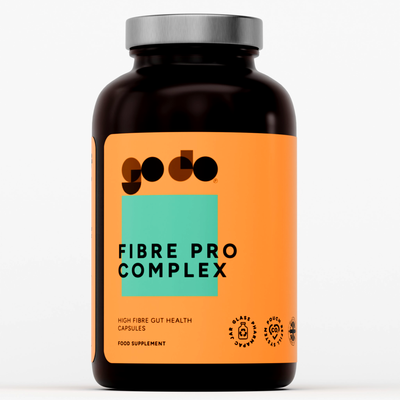
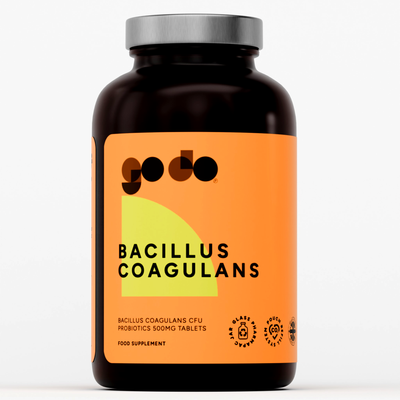
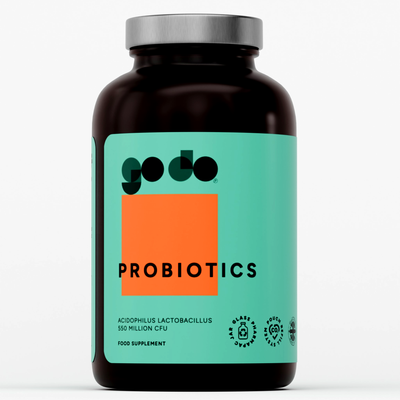
- Gut Health Integration: Soups allow for the easy addition of fermented ingredients like miso or fibrous vegetables that support a healthy microbiome. You can browse our dedicated gut health collection to find supplements that complement this dietary approach.
- Satiety: The physical volume of soup, combined with the heat, slows down the eating process. This leads to better digestion and a more accurate "fullness" signal compared to a shake consumed in thirty seconds.

Macro-Counting with Breakfast Soups
A common concern when switching to soup is whether it can match the high protein content of a shake. With a strategic approach, breakfast soups can easily exceed the 30–40g of protein typically found in a standard scoop of whey.
The Foundation: The Broth
Start with a high-quality bone broth. A single cup of bone broth can contain up to 10g of protein. It also provides collagen, which is essential for joint health.
The Protein Boost
To hit your macros, add 100g to 150g of a lean protein source. Shredded chicken, silken tofu, or poached eggs are excellent choices that integrate well with various flavor profiles.
Fiber-Maxxing: The 2026 Trend
"Fiber-maxxing" is the practice of intentionally increasing dietary fiber to improve metabolic health and digestion. Soups are the perfect vehicle for this. By adding bok choy, spinach, bean sprouts, or mushrooms, you increase the volume and nutritional value of the meal without significantly impacting the calorie count.
Cultural Inspirations for Your Morning Bowl
The viral success of breakfast soups in 2026 can be traced back to cultural staples that have existed for generations. These traditional recipes provide a template for anyone looking to start their day with a savory meal.
1. Ginger-Scallion Chicken Soup
Inspired by traditional Chinese medicinal cooking, this soup focuses on anti-inflammatory ingredients. Ginger helps "wake up" the digestive system, while scallions provide a mild antioxidant boost. This is a perfect option for those focusing on immunity.
2. Miso and Egg Drop Soup
Japanese miso soup is a probiotic powerhouse. By whisking in an egg (the "drop" method), you add high-quality fats and protein. It is a quick, five-minute meal that is significantly more satisfying than a meal-replacement bar.
3. Colombian Changua
A traditional milk and egg soup that is surprisingly comforting. It utilizes simple pantry staples and provides a unique profile for those who aren't ready to dive into purely broth-based meals.

How to Meal Prep Breakfast Soups
The biggest barrier to a healthy breakfast is often time. While a shake is fast, a soup can be even faster if you prepare correctly. Follow these steps to ensure you have a macro-friendly breakfast ready in under three minutes:
- Batch Cook the Base: Prepare a large pot of broth or base soup on Sunday. Portions should be stored in glass containers to maintain flavor and nutritional integrity.
- Prep the "Add-ins": Chop your vegetables and pre-cook your proteins. Keep them in separate containers so you can vary the flavor profile throughout the week.
- The Reheating Strategy: Do not boil the soup aggressively, as this can degrade certain vitamins and the texture of proteins like tofu or eggs. Use a gentle simmer on the stove or a low-power setting on the microwave.
- Fresh Finishes: Always add fresh herbs (cilantro, parsley, scallions) or a squeeze of lime at the very end. This adds "brightness" to the dish and provides a final hit of Vitamin C.
Supplementing Your Soup Ritual
While breakfast soups are nutrient-dense, they can be further optimized with strategic supplementation. At Fitness Health, we recommend looking at how your diet interacts with your supplement stack.
- Collagen: Unflavored collagen powder can be stirred directly into a warm soup without changing the taste, providing an extra 10-20g of protein.
- Antioxidants: Adding ingredients like turmeric or black pepper to your soup works synergistically with our antioxidants collection.
- Weight Management: If you are using soups as part of a calorie-controlled diet, our weight loss supplements can help bridge the gap and support your metabolic rate.

The Low-Carb Advantage
For those following a ketogenic or low-carb lifestyle, breakfast soups are a game-changer. Unlike many "low carb" protein powders that use sugar alcohols (which can cause bloating), a homemade soup is naturally free from artificial additives. By focusing on healthy fats, such as adding a teaspoon of sesame oil or a slice of avocado to your soup, you provide your brain with the fuel it needs for focus and cognitive performance. For additional cognitive support, explore our nootropics collection.
Summary: Key Takeaways
- Savory vs. Sweet: Shifting to savory breakfasts reduces insulin spikes and mid-morning hunger.
- Hydration: Soups provide essential fluids and electrolytes immediately upon waking.
- Fiber-Maxxing: Use soups to hit high-fiber goals by incorporating various greens and sprouts.
- Customization: Use bone broth and lean proteins to reach specific macro targets (30g+ protein).
- Efficiency: Meal prepping bases makes soup a faster option than most traditional breakfasts.
As we look toward the future of fitness nutrition in 2026, the trend is clear: we are returning to whole foods, savory flavors, and gut-centric meals. Breakfast soup isn't just a trend; it's a superior way to fuel your body for the demands of the day.
If you have questions about how to adjust your macros for a soup-based diet, visit our FAQs or contact us for expert guidance on your health journey. For more information on our company values and commitment to your health, please see our organisation values.