You've dialed in your training program. Your sleep schedule is solid. You're hitting your protein targets. But your strength gains have plateaued, and you can't figure out why.
The answer might be hiding in your gut.
Research from Harvard Medical School and multiple performance labs has confirmed what many athletes are just beginning to understand: your digestive system doesn't just process food: it directly influences muscle function, recovery capacity, and training performance. When your gut microbiota is out of balance, your strength suffers. When it's optimized, you unlock performance gains that no amount of extra sets can replicate.
Here's what actually happens in your body, and what you can do about it.
The Metabolic Compounds That Build Strength
Your gut contains trillions of bacteria that produce metabolic compounds during digestion. The most important for strength athletes are short-chain fatty acids (SCFAs), particularly butyrate.
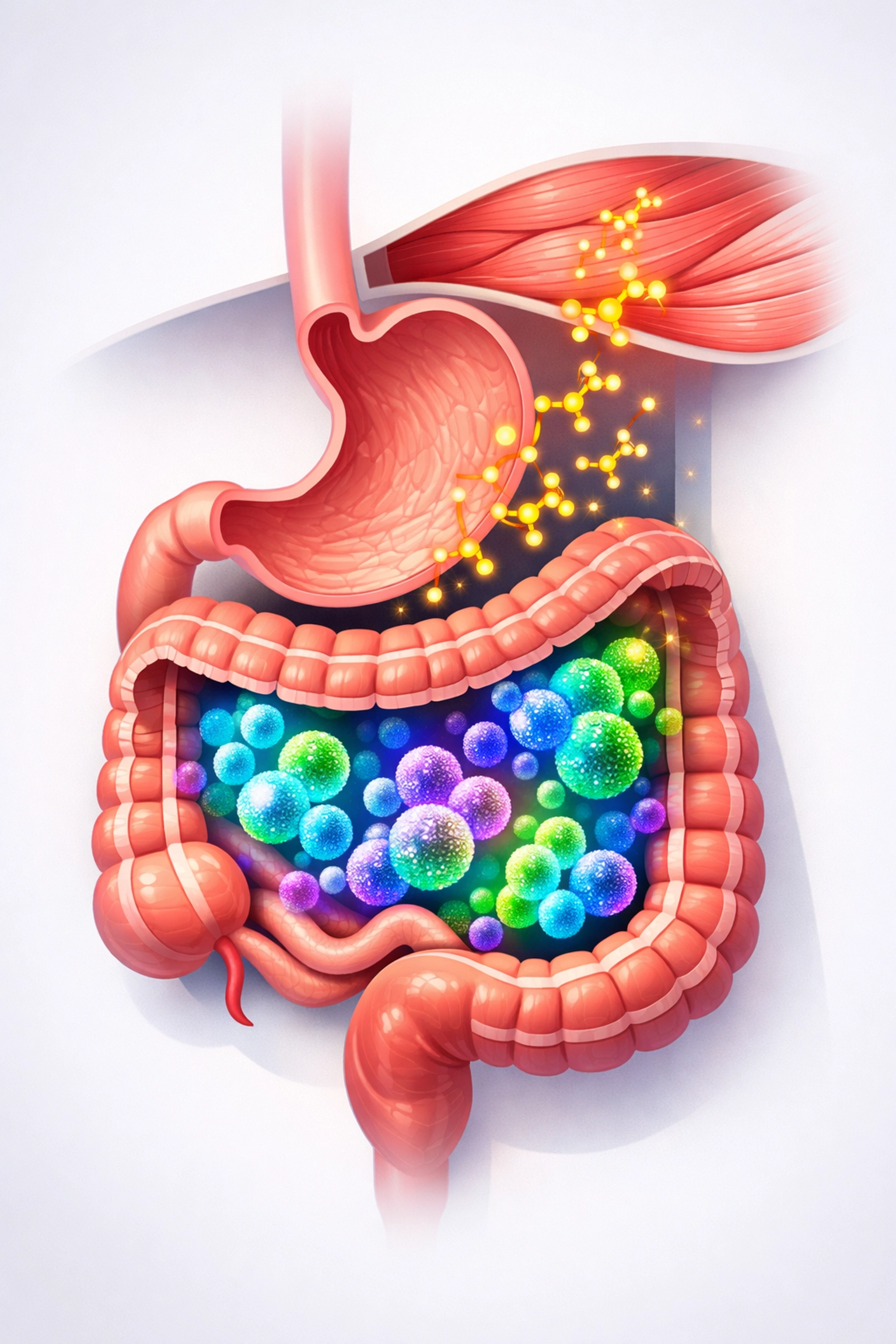
When gut bacteria ferment fiber-rich foods, they produce butyrate. This compound has four direct effects on muscle performance:
- Increases glucose availability by being oxidized in muscle tissue, providing more energy for contractions
- Promotes blood flow to working muscles, improving oxygen and nutrient delivery
- Improves insulin sensitivity, allowing muscles to absorb and store more glycogen
- Preserves muscle mass during caloric deficits or training stress
A study of Boston Marathon runners found that better-performing athletes had significantly higher levels of butyrate in their digestive systems. The difference wasn't marginal: it correlated directly with race performance and cardiorespiratory fitness markers.
The Lactate-Butyrate Cycle That Extends Performance
During intense training, your muscles produce lactate: the compound responsible for that burning sensation and muscle stiffness during hard sets. Most people think lactate is just a waste product, but researchers have identified a specific bacterium that changes everything.
Veillonella bacteria, which are more abundant in trained athletes, metabolize lactate and convert it into butyrate. This creates what researchers call a "virtuous circle":
- Heavy training produces lactate
- Veillonella bacteria consume the lactate
- This produces more butyrate
- Butyrate enhances muscle function
- You can train harder and longer
When mice were given a Veillonella-based probiotic, they ran 13% longer. That's equivalent to adding multiple extra reps or minutes to your working sets without any additional training stimulus.
Why Microbiota Diversity Determines Your Strength Ceiling
Athletes with more diverse gut bacteria consistently outperform those with less diverse microbial communities. This isn't correlation: it's causation.
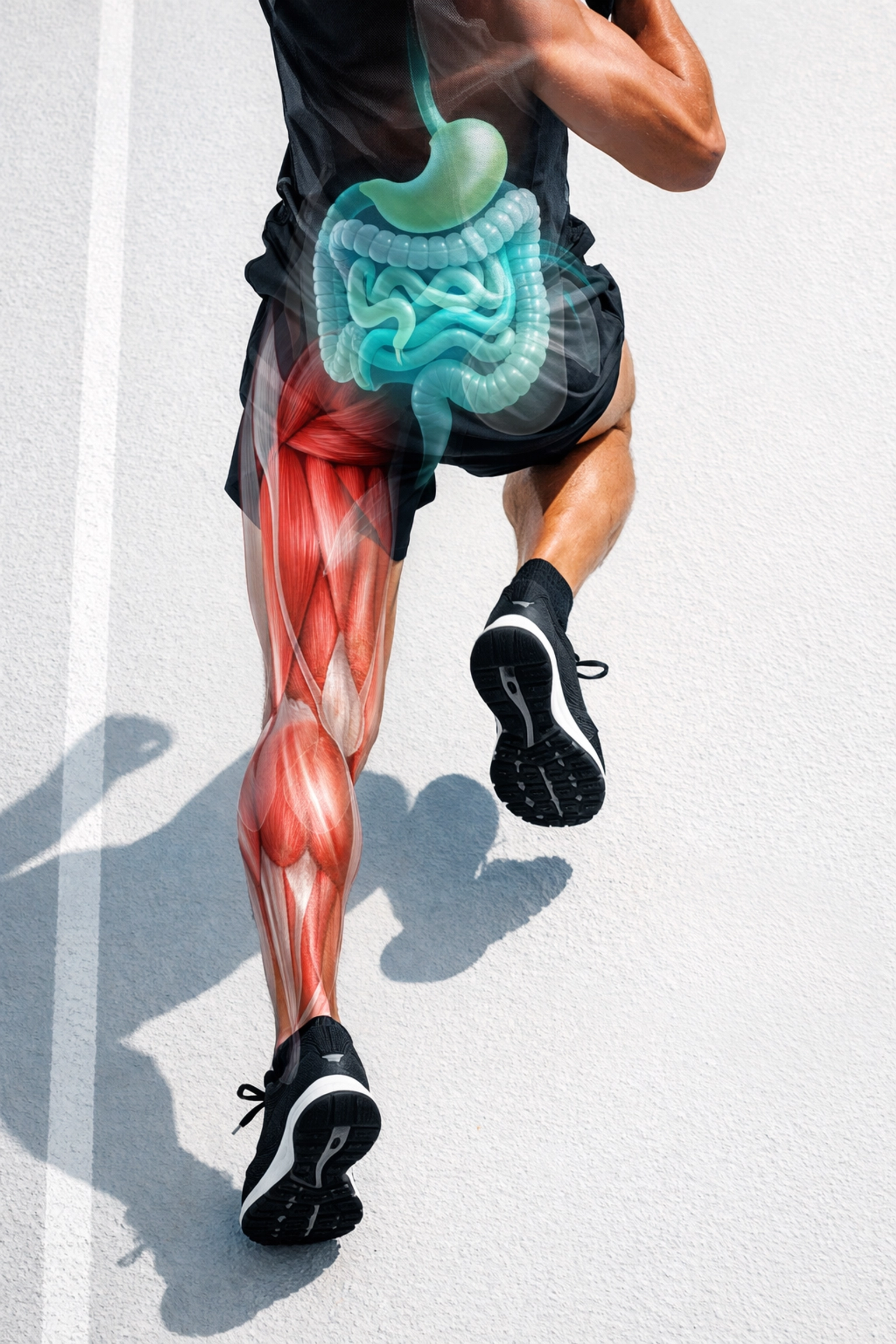
Peak oxygen uptake (VO2 max) correlates strongly with the abundance of butyrate-producing bacteria. Higher diversity means:
- Greater populations of health-promoting bacteria like Akkermansia and Bifidobacterium
- Better nutrient absorption from the food you eat
- Reduced systemic inflammation that interferes with recovery
- Improved immune function that keeps you training consistently
Studies using antibiotic-treated mice demonstrated this directly. Mice with reduced microbiota diversity gained significantly less muscle mass from identical resistance training programs compared to untreated mice. The training stimulus was the same. The microbial environment was different. The results were dramatically different.
The Exercise-Digestion Feedback Loop You Need to Understand
Here's where it gets complicated: exercise changes your gut microbiota, and your gut microbiota changes how you respond to exercise.
Moderate aerobic exercise (swimming, cycling, brisk walking) increases microbial diversity. More diversity improves metabolism and immune response. Better metabolism and immunity support consistent training. This creates an upward spiral of adaptation.
But there's a threshold where more exercise damages gut health:
- Endurance events like marathons increase intestinal permeability (leaky gut)
- Irregular, very strenuous workouts cause microbial imbalances
- Excessive training volume leads to gastrointestinal and respiratory infections
Research shows the optimal approach is moderate exercise four to five days per week. Think 30-60 minutes of brisk walking, stair climbing, swimming, or cycling on non-strength training days. This maintains microbial diversity without triggering the negative cascade of overtraining.
For strength athletes specifically: prioritize compound movements with adequate recovery between sessions rather than daily high-intensity training that compromises gut function.
Warning Signs Your Gut Is Limiting Your Strength Gains
Most athletes miss these signals because they attribute them to training variables instead of digestive health:
Performance indicators:
- Strength plateaus despite consistent progressive overload
- Longer recovery times between training sessions
- Decreased work capacity during high-rep sets
- Poor endurance during metabolic conditioning
Physical symptoms:
- Frequent bloating or digestive discomfort after meals
- Irregular bowel movements (constipation or diarrhea)
- Food sensitivities that weren't present previously
- Frequent minor illnesses or infections
Metabolic markers:
- Difficulty losing body fat despite caloric deficit
- Poor muscle definition even at lower body fat percentages
- Energy crashes 2-3 hours after meals
- Persistent inflammation or joint stiffness
An unbalanced microbiota contributes to global body inflammation. This reduces muscle recovery capacity at the cellular level. You can do all the foam rolling and stretching you want: if your gut microbiota is compromised, your recovery will remain impaired.
Practical Steps to Optimize Gut Health for Strength Training
The research provides clear guidelines for supporting digestive health that translates to performance gains.
Dietary priorities:
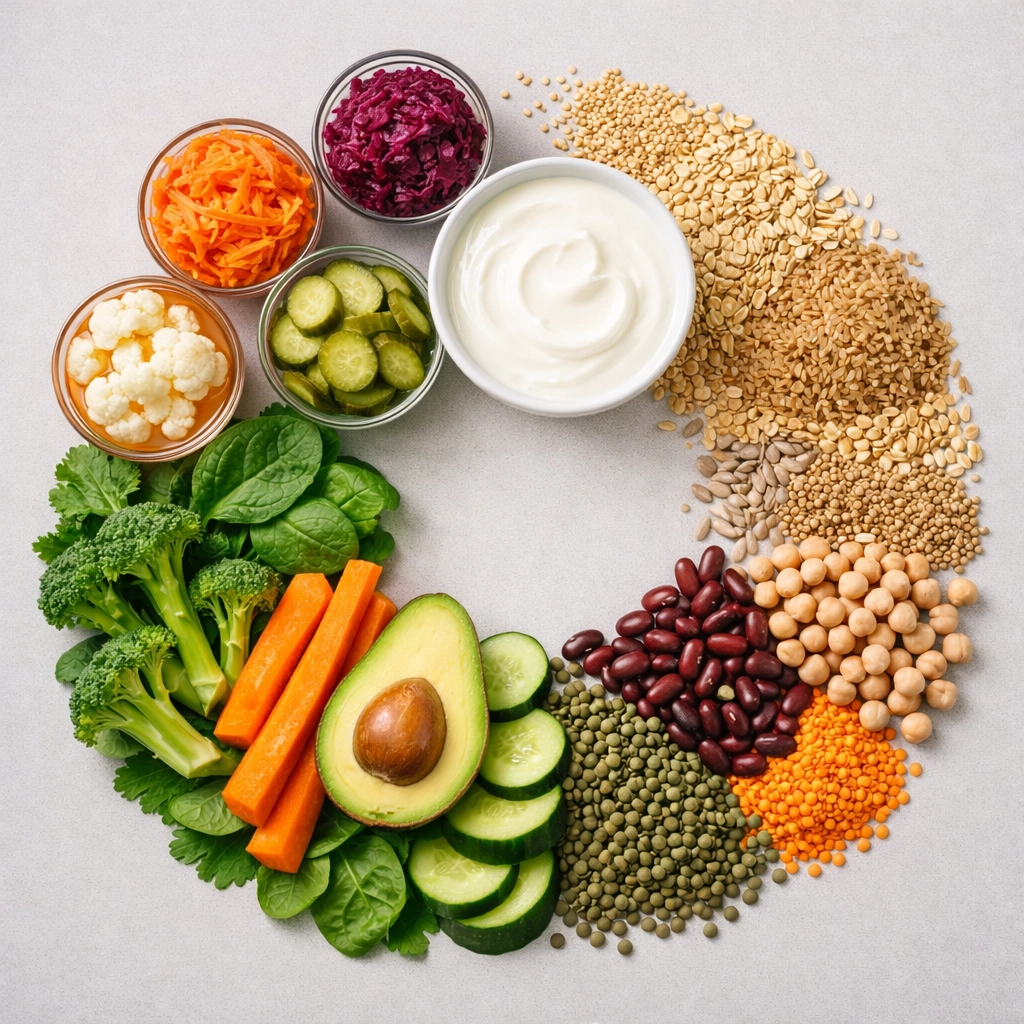
Increase fiber intake to 25-35 grams daily from whole food sources. Gut bacteria ferment fiber to produce butyrate. More fiber equals more butyrate production. Focus on:
- Legumes (lentils, chickpeas, black beans)
- Whole grains (oats, quinoa, brown rice)
- Vegetables (broccoli, Brussels sprouts, artichokes)
- Resistant starches (cooked and cooled potatoes, green bananas)
Include fermented foods daily. These provide live bacteria that colonize your digestive system:
- Unsweetened yogurt with live cultures
- Kefir
- Sauerkraut or kimchi
- Kombucha (watch sugar content)
Minimize antibiotics unless medically necessary. A single course of antibiotics can reduce microbial diversity for months. If you must take antibiotics, supplement with probiotics during and after treatment.
Training modifications:
Structure your week with 3-4 strength training sessions and 2-3 moderate aerobic sessions. This maintains the exercise-digestion feedback loop without crossing into overtraining territory.
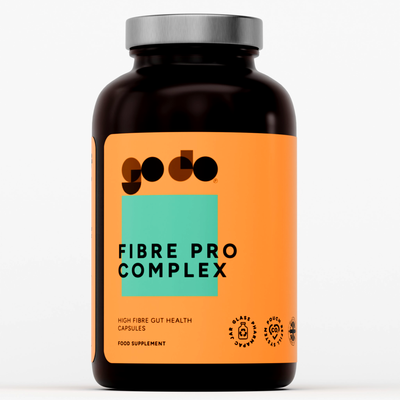
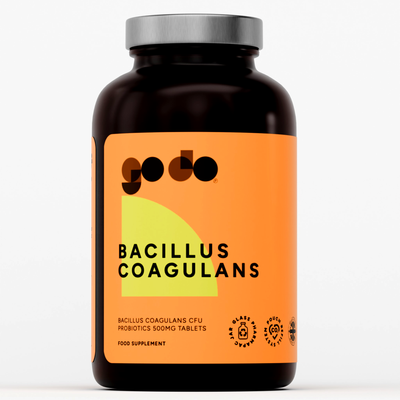
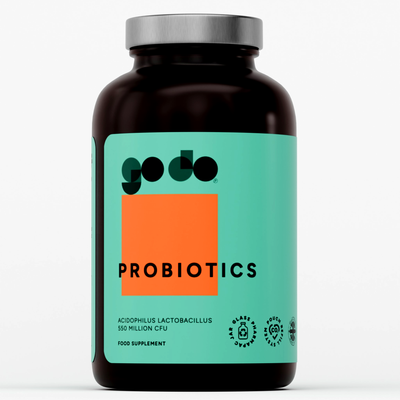
For gut health support, check out targeted gut health supplements that provide prebiotic fiber and probiotic strains shown to benefit athletes.
Recovery protocols:
Prioritize sleep consistency over sleep duration. Irregular sleep schedules disrupt circadian rhythms that regulate digestive function and microbial populations. Aim for the same sleep and wake times within 30 minutes daily.
Manage training stress through periodization. Constant high-intensity training without deload weeks creates chronic stress that damages gut barrier function. Program 1 deload week every 4-6 weeks of hard training.
The Timeline for Gut-Driven Performance Improvements
Changes to gut microbiota composition occur within 24-48 hours of dietary modifications. However, meaningful shifts in bacterial populations require 2-4 weeks of consistent intervention.
Most athletes notice improved digestion within the first week. Energy stability and reduced bloating appear in weeks 2-3. Strength and recovery improvements become evident in weeks 4-8 as the new microbial environment fully establishes.
This isn't a quick fix. It's a fundamental optimization of your body's performance capacity.
What This Means for Your Training
Your digestive system is producing compounds that directly enhance or limit muscle function every single day. Training harder won't overcome a compromised gut microbiota. More supplements won't fix bacterial imbalances.
The athletes who understand this connection: who prioritize gut health alongside training and nutrition: gain an advantage that's both measurable and sustainable. They recover faster. They build strength more efficiently. They maintain performance over longer training blocks.
Your next strength breakthrough might not require a new training program. It might just require feeding the trillions of bacteria that determine how your muscles respond to the work you're already doing.