The Gut-Performance Connection: How Probiotics Help You Absorb Your Fuel More Effectively
![[HERO] The Gut-Performance Connection: How Probiotics Help You Absorb Your Fuel More Effectively](https://cdn.marblism.com/CmMnYCUWZk9.webp)
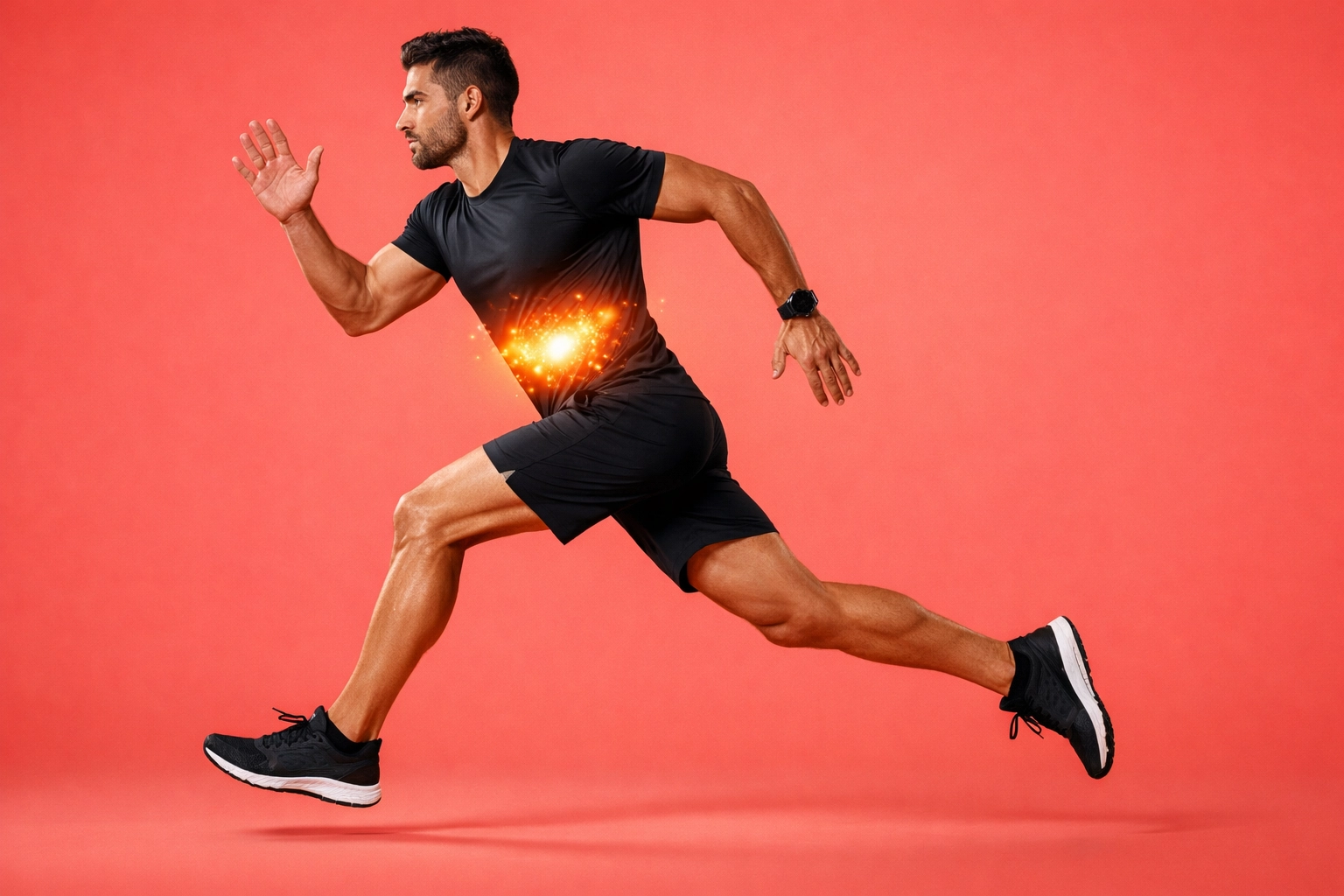
Your gut isn't just responsible for digestion: it's the foundation of your athletic performance. If you're smashing protein shakes and loading up on carbs but still feeling sluggish during training, your gut health might be the missing piece. Probiotics don't just support digestive comfort; they fundamentally change how efficiently your body extracts and uses fuel from the food you eat.
Why Gut Health Affects Fitness Performance
Your gut microbiome contains trillions of bacteria that do far more than help you digest food. These microorganisms directly influence nutrient absorption, energy production, and even muscle recovery. When your gut barrier is compromised or your bacterial balance is off, you're essentially running on half a tank: no matter how clean your diet is.
Athletes face unique gut challenges. Intense exercise redirects blood flow away from the digestive system, which can weaken the intestinal barrier and cause nutrient loss. This is why so many endurance athletes deal with GI distress during long training sessions or races. A healthy gut microbiome acts as your first line of defence, ensuring nutrients get where they need to go even under physical stress.
How Probiotics Improve Nutrient Absorption
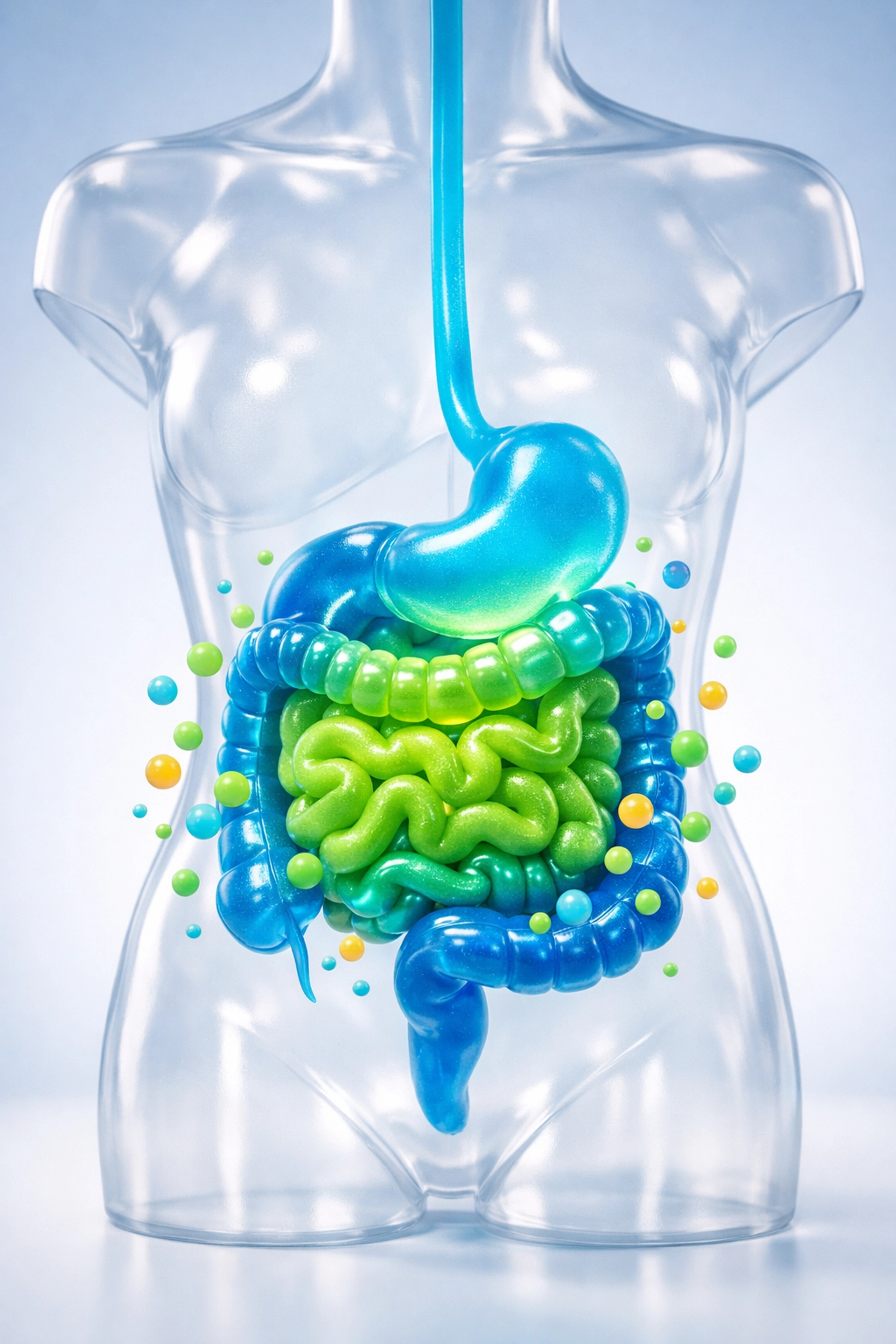
Probiotics work through several mechanisms to optimize how your body processes fuel:
Enhanced intestinal permeability: Probiotics strengthen tight junctions between intestinal cells and increase mucus production. This creates a robust barrier that prevents nutrient leakage while allowing efficient absorption of proteins, fats, and carbohydrates. When your gut barrier is functioning properly, more of what you eat actually makes it into your bloodstream.
Digestive enzyme support: Beneficial bacteria produce enzymes that break down complex nutrients into absorbable forms. This means your body can extract more energy and building blocks from the same amount of food. If you've ever felt like your meals aren't translating into performance gains, this could be the reason.
Short-chain fatty acid production: Probiotics produce compounds like butyrate that nourish intestinal cells and promote healing. These fatty acids also influence muscle fibre composition, increasing the proportion of oxidative fibres that support endurance performance. Essentially, probiotics help your gut create fuel sources that directly benefit your muscles.
Probiotics for Athletes: Specific Performance Benefits
Improved Protein Metabolism
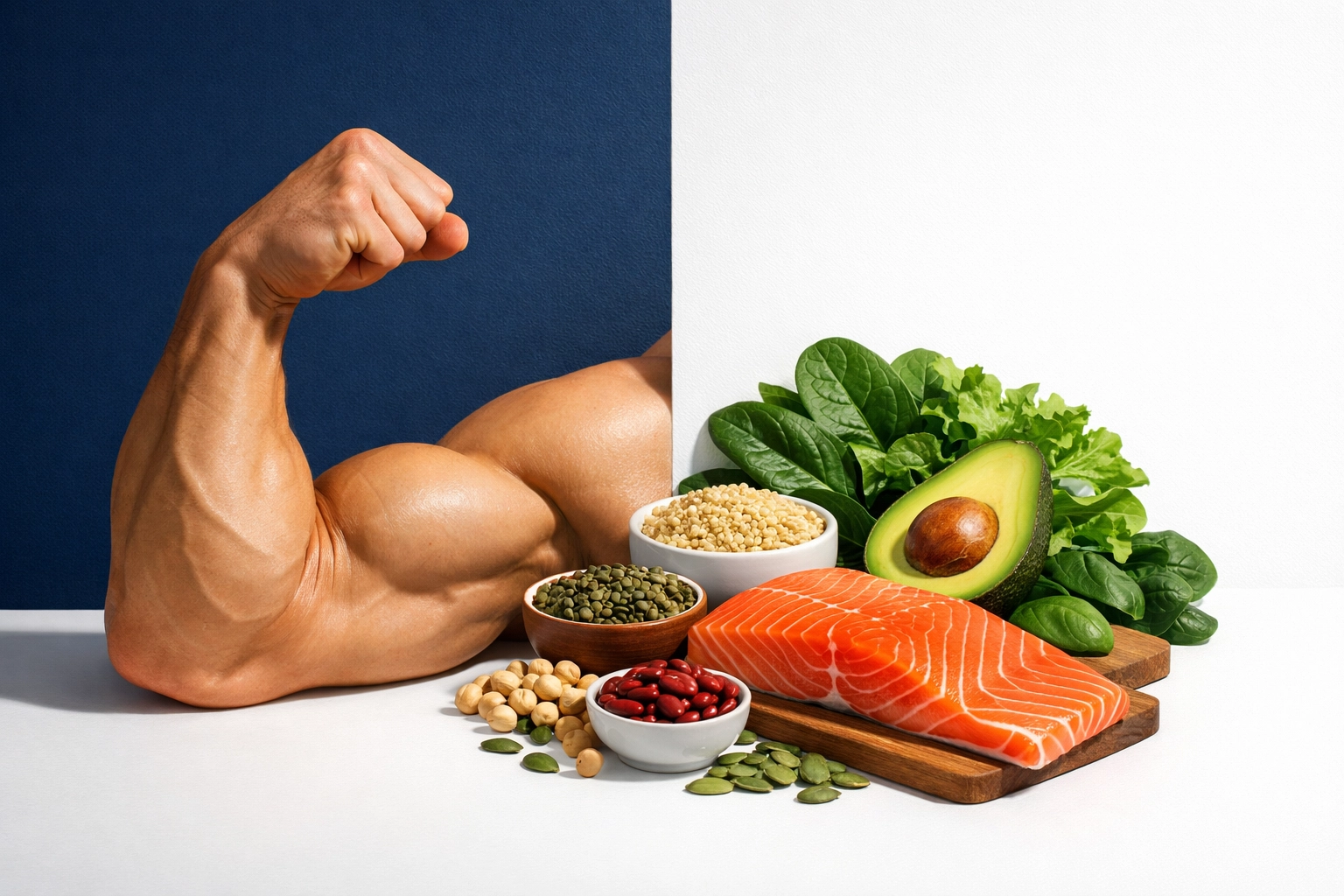
When you combine probiotic supplementation with protein-rich foods, your body becomes significantly more efficient at absorbing and using amino acids. Research shows that probiotics increase the bioavailability of branched-chain amino acids (BCAAs): the building blocks your muscles need for growth and repair.
This is particularly valuable if you're training hard or following a plant-based diet. Plant proteins can be harder to digest and absorb compared to animal sources, but probiotics bridge that gap by improving amino acid extraction from all protein sources.
Enhanced Energy Availability
Your gut bacteria play a direct role in metabolizing carbohydrates and fats for energy. A balanced microbiome helps regulate blood sugar levels and improves your body's ability to switch between fuel sources during exercise. This means better endurance, more stable energy levels, and less risk of "hitting the wall" during long training sessions.
The short-chain fatty acids produced by probiotics also serve as an alternative fuel source, particularly for endurance activities. By supporting the production of these compounds, probiotics essentially give you access to an additional energy reservoir.
Reduced GI Distress During Exercise
Intense training causes physiological stress that can compromise gut function. Blood flow shifts away from the digestive system to working muscles, which increases intestinal permeability and can trigger cramping, bloating, or worse. Probiotics strengthen the gut barrier, making it more resilient to these exercise-induced challenges.
If you've had to cut a run short or struggled through a race due to stomach issues, improving your gut health with probiotics could be a game-changer. Athletes who supplement with probiotics consistently report fewer GI disturbances during training and competition.
The Inflammation Factor
Chronic low-grade inflammation from gut dysbiosis can sabotage recovery and performance. When your gut barrier is compromised, undigested food particles and bacterial fragments can enter the bloodstream, triggering an immune response. This systemic inflammation diverts energy away from muscle repair and adaptation.
Probiotics help maintain gut barrier integrity, reducing inflammatory markers and allowing your body to focus resources on recovery. This is why some athletes notice improvements in recovery time and muscle soreness after adding probiotics to their routine: it's not just about digestion, it's about reducing the inflammatory burden on your entire system.
Implementing Probiotics for Performance
Choosing the Right Strains
Not all probiotics are created equal. For athletic performance and nutrient absorption, look for formulations containing:
- Lactobacillus strains: Particularly L. acidophilus and L. plantarum, which support protein digestion and gut barrier function
- Bifidobacterium strains: Including B. lactis and B. longum, which help with carbohydrate metabolism and immune function
- Multiple strain formulas: Research suggests that diverse probiotic blends offer broader benefits than single-strain supplements
Choose supplements with at least 10-50 billion CFU (colony-forming units) per serving. Higher counts aren't necessarily better: quality and strain diversity matter more than raw numbers.
Timing and Dosage
For optimal results, take probiotics consistently rather than sporadically. Most athletes benefit from daily supplementation, taken with food to improve bacterial survival through stomach acid. Morning intake works well for most people, but the most important factor is consistency.
If you're new to probiotics, start with a lower dose and gradually increase over 1-2 weeks. This allows your gut microbiome to adjust without causing temporary digestive discomfort.
Pairing with Prebiotics
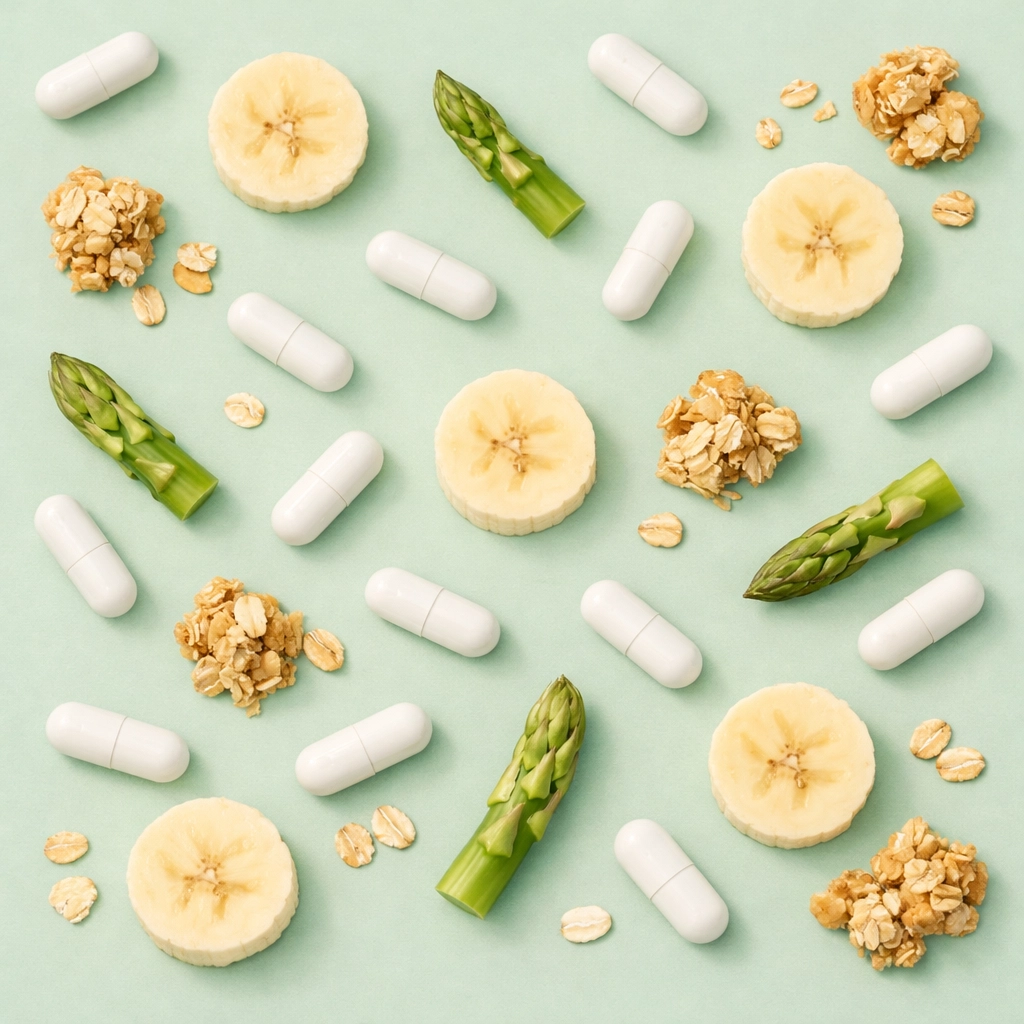
Prebiotics are types of fibre that feed beneficial gut bacteria. Think of probiotics as the seeds and prebiotics as the fertilizer: you need both for optimal results. Good prebiotic sources include:
- Oats and whole grains
- Bananas (slightly green)
- Garlic and onions
- Asparagus and artichokes
- Legumes and beans
Many athletes find success with combination prebiotic-probiotic supplements, though whole food sources are equally effective if you're meeting your fibre targets.
What to Expect: Realistic Timelines
Don't expect overnight transformations. Gut microbiome changes take time, and you'll likely notice improvements in stages:
Weeks 1-2: Digestive regularity and reduced bloating typically improve first. Some athletes notice less GI distress during workouts within this timeframe.
Weeks 3-6: Energy levels and recovery may start to improve as nutrient absorption becomes more efficient. This is when many people report feeling like their nutrition is "working better."
Months 2-3: Long-term adaptations in muscle metabolism and performance capacity become apparent. Studies on BCAA absorption and exercise performance show meaningful changes in this window.
Consistency is critical. Stopping probiotic supplementation will gradually return your microbiome to its previous state, so think of this as an ongoing strategy rather than a short-term fix.
Beyond Supplements: Supporting Gut Health Holistically
While probiotics are powerful, they work best as part of a broader gut health strategy:
- Limit processed foods and added sugars: These feed harmful bacteria and promote inflammation
- Stay hydrated: Proper hydration supports mucus production and gut barrier function
- Manage stress: Chronic stress directly impacts gut bacteria composition and intestinal permeability
- Prioritize sleep: Poor sleep quality disrupts the gut microbiome and impairs recovery
- Avoid unnecessary antibiotics: While sometimes medically necessary, antibiotics wipe out beneficial bacteria along with harmful ones
If you're dealing with persistent gut issues that affect your training, consider working with a healthcare professional. Conditions like SIBO (small intestinal bacterial overgrowth) or food sensitivities require targeted approaches beyond general probiotic supplementation.
The Bottom Line on Probiotics for Athletes
Your gut is where performance begins. No matter how dialed in your training plan or nutrition strategy is, if your body can't efficiently absorb and use what you're feeding it, you're leaving gains on the table. Probiotics improve nutrient absorption through multiple mechanisms: strengthening your gut barrier, supporting enzyme production, and creating beneficial metabolic byproducts.
For athletes, this translates to better protein utilization, more stable energy levels, reduced GI distress, and improved recovery. The research on probiotics for athletes is clear: optimizing your gut microbiome is one of the most overlooked yet impactful performance strategies available.
Start with a quality multi-strain probiotic, pair it with prebiotic-rich whole foods, and give it at least 6-8 weeks to work. Track how you feel during training, monitor your recovery, and pay attention to digestive comfort. The gut-performance connection isn't hype: it's fundamental physiology that every serious athlete should understand and optimize.