Walk into any gym and you'll see the same scene: lifters piling plates onto barbells, convinced that heavier weight equals better results. It's one of the most persistent beliefs in fitness: and one of the most misleading.
The reality? Your muscles don't actually know how much weight is on the bar. They only respond to one thing: how hard they're working. Understanding this distinction can transform your training results while keeping you safer in the process.
The Science Behind Muscle Growth
Muscle growth happens when you create enough mechanical tension and metabolic stress to force adaptation. For years, we assumed this meant lifting the heaviest weights possible. Research from the Journal of Strength and Conditioning Research tells a different story.
Studies comparing high-weight, low-rep training against light-weight, high-rep training found that both groups achieved similar muscle growth: as long as each set was taken close to failure. The determining factor wasn't the load itself, but rather how thoroughly each approach fatigued the muscle fibers.

This happens because total muscle fatigue, not absolute weight, drives the adaptation response. When you fatigue a muscle adequately, you recruit and engage all available muscle fibers. Miss that fatigue threshold, and you could lift heavy all day without triggering optimal growth.
What "Proximity to Failure" Actually Means
Training to or near failure means continuing a set until you can't perform another rep with proper form. This doesn't necessarily require maximal loads.
Consider these two scenarios:
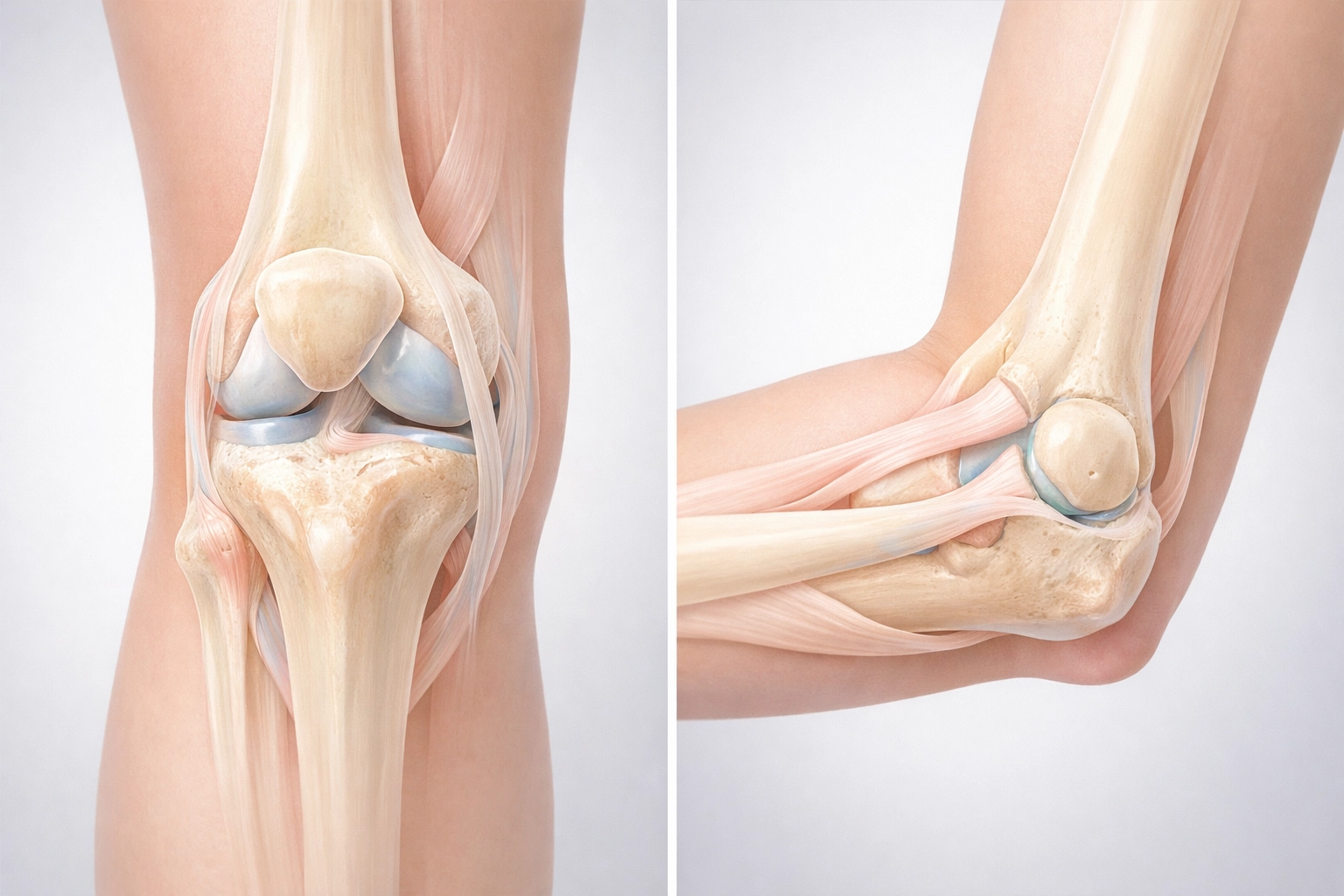
Scenario A: You perform 5 reps with 100kg, stopping 3-4 reps short of failure because the weight feels challenging.
Scenario B: You perform 15 reps with 60kg, stopping only when you physically cannot complete another rep with good technique.
Scenario B will likely produce better muscle growth despite using 40% less weight. The lighter load allowed you to reach true muscular fatigue: the actual stimulus for adaptation.
When Heavy Lifting Makes Sense
Heavy loads aren't useless: they just serve a different primary purpose. Strength development specifically requires heavier loads because it trains your nervous system to recruit more motor units simultaneously.
If your goals include:
- Increasing your 1-rep max
- Competing in powerlifting or Olympic lifting
- Building maximal force production
- Improving athletic performance requiring explosive power
Then heavier weights (typically in the 1-6 rep range) should feature prominently in your program.
For general muscle building, joint health, and sustainable progress, however, a variety of loading strategies works better than constantly pushing maximum weights.
The Hidden Costs of Always Lifting Heavy
Constantly training with near-maximal loads creates several problems that compound over time.
Injury Risk Increases Exponentially
Heavy weights magnify every technical flaw in your movement. That slight elbow positioning issue that causes no problems with moderate weight? At 90% of your max, it becomes a pathway to tendinitis or worse.
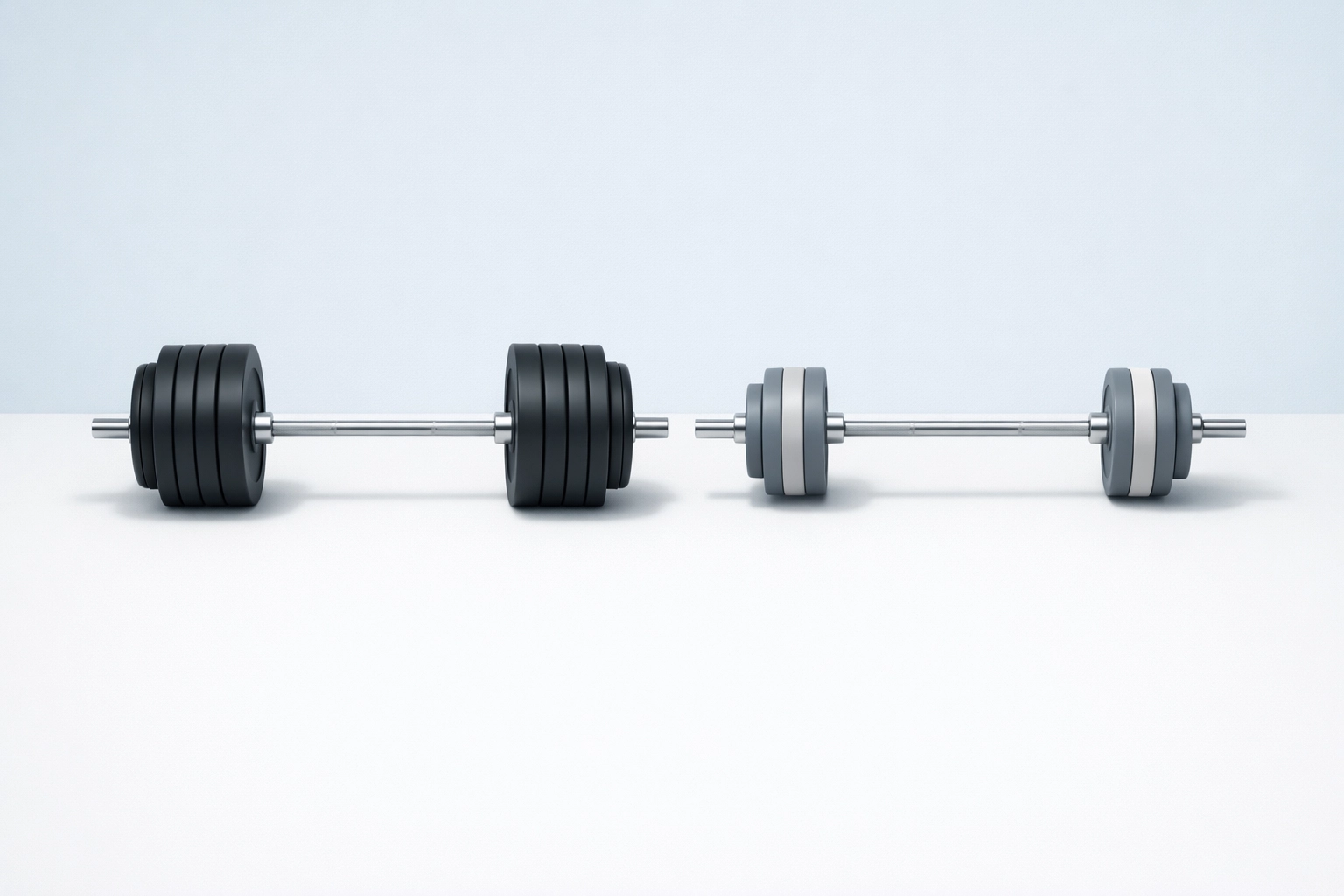
Joint stress accumulates faster under heavy loads. Your connective tissue: tendons, ligaments, and cartilage: adapt more slowly than muscle tissue. You might feel strong enough to handle heavy weights, but your joints may be silently accumulating damage.
Recovery Demands Become Unsustainable
Heavy lifting doesn't just fatigue your muscles: it taxes your entire nervous system. This central fatigue requires 48-72 hours or more to fully resolve, limiting how frequently you can train productively.
Compare this to moderate-weight training taken to failure, which primarily creates local muscle fatigue. You can often train the same muscle group again within 24-48 hours, increasing your total training volume over time.
Form Deteriorates Under Maximum Loads
Perfect technique becomes nearly impossible when you're straining under maximum weight. Yet proper form is precisely what you need most when forces are highest. This creates a paradox where heavy lifting is both most demanding of good technique and least conducive to maintaining it.
How to Program Smarter, Not Just Heavier
Effective training uses a spectrum of intensities, each serving specific purposes.
The 3-Zone Approach
Heavy Days (6-8 reps, 2-3 reps from failure)
- Frequency: Once per week per muscle group
- Purpose: Neural adaptation, strength maintenance
- Recovery: 72+ hours before training same muscles again
Moderate Days (8-12 reps, 1-2 reps from failure)
- Frequency: Twice per week per muscle group
- Purpose: Primary muscle building work
- Recovery: 48-72 hours between sessions
Light Days (12-20 reps, 0-1 reps from failure)
- Frequency: 2-3 times per week per muscle group
- Purpose: Volume accumulation, technique practice, metabolic stress
- Recovery: 24-48 hours sufficient
This structure allows you to accumulate more total quality volume than programs focused solely on heavy lifting, while managing fatigue and injury risk better.
Practical Programming Example
For a chest-focused training week:
Monday - Heavy
- Barbell bench press: 4 sets × 6 reps at 85% 1RM
Wednesday - Moderate
- Dumbbell bench press: 3 sets × 10 reps to near failure
- Incline press: 3 sets × 12 reps to near failure
Friday - Light
- Push-ups: 3 sets × 15-20 reps to failure
- Cable flies: 3 sets × 15 reps to failure
This provides varied stimulus, manages recovery, and accumulates significantly more total volume than three heavy sessions would allow.
Signs You're Over-Relying on Heavy Weights
Watch for these indicators that you need to adjust your approach:
- Chronic joint pain that worsens with training
- Frequent minor injuries that never fully resolve
- Consistently needing 4+ days between training the same muscle group
- Progress has stalled despite maintaining or increasing loads
- Form breakdown occurring earlier in sets than previously
- Feeling burnt out or dreading workouts
- Sleep quality declining despite adequate sleep opportunity
When Lighter Weights Win
Specific situations make lighter loads the clearly superior choice:
Learning New Movements: Master the pattern with manageable weight before adding load. Your nervous system needs repetition to groove proper motor patterns.
Coming Back from Injury: Rebuild capacity gradually with weights that allow pain-free movement through full range of motion.
High-Frequency Training: If you're training the same muscle group 3+ times per week, lighter loads with higher reps allow adequate recovery between sessions.
Isolation Work: Exercises targeting smaller muscle groups (rear delts, biceps, triceps) respond well to moderate weights and higher rep ranges with less injury risk.
Deload Periods: Every 4-6 weeks, reduce loads by 30-40% while maintaining or increasing reps to allow recovery while preserving the training stimulus.
For more context on training intensity and recovery, check out our article on training to failure.
Making It Work: Your Action Plan
Start implementing these changes this week:
-
Identify your current training intensity distribution. Track one week of workouts and categorize each working set as heavy, moderate, or light based on the rep ranges above.
-
Adjust toward the 3-zone approach. If you're doing heavy work more than once per week per muscle group, scale back and add moderate or light sessions instead.
-
Learn to gauge proximity to failure accurately. For each set, note how many more reps you could have completed with good form. Most lifters underestimate this initially.
-
Track performance across all rep ranges. Progressive overload applies whether you're lifting 5 reps or 15 reps. Aim to add weight or reps over time regardless of the loading zone.
-
Monitor recovery markers. If you're consistently sore for 3+ days, joint pain is worsening, or you dread training sessions, you're likely over-relying on heavy loading.
The goal isn't to eliminate heavy lifting: it's to use it strategically as one tool among several, rather than treating it as the only path to progress. By varying your training intensities and focusing on the actual stimulus (fatigue and proximity to failure) rather than just the load, you'll build more muscle with less injury risk and more sustainable progress.
Your muscles respond to hard work, not just heavy weight. Understanding this distinction separates lifters who progress consistently for years from those who burn out, get injured, or plateau after a few months.