You're doing everything right in the gym. Progressive overload? Check. Proper form? Handled. Protein intake? Sorted. But you're still sore for days, struggling to hit the same numbers in your next session, and wondering why recovery takes so long.
The problem isn't your training: it's what you're doing (or not doing) between workouts. Most recovery advice focuses on trendy gadgets or expensive protocols, but the research tells a different story. Here's what actually works.
Why Standard Recovery Advice Falls Short
Walk into any gym and you'll hear contradictory recovery advice. Ice baths. Foam rolling. Compression gear. While some of these have merit, they miss the fundamental mechanisms that control how fast your muscles repair and adapt.
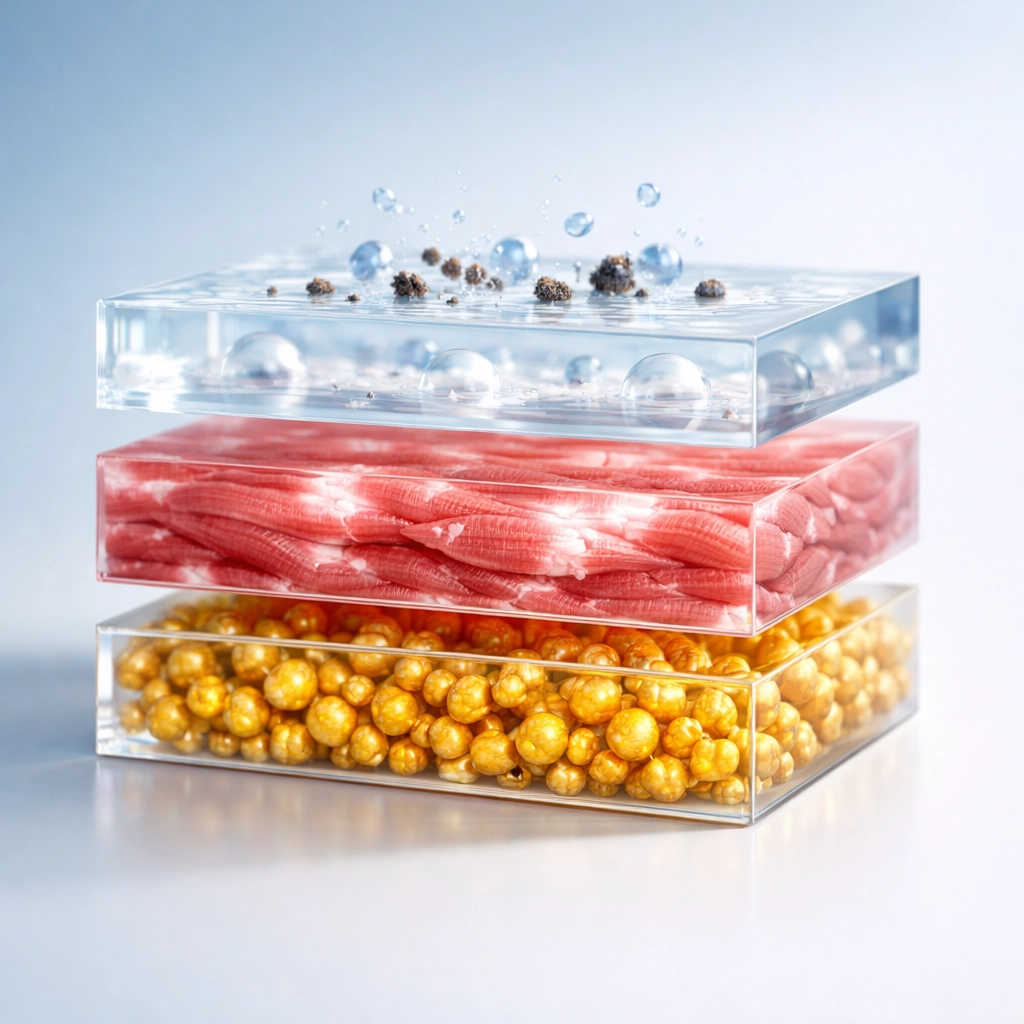
Muscle recovery happens at the cellular level through three key processes:
- Removal of metabolic waste products
- Repair of damaged muscle fibers
- Restoration of energy stores (primarily glycogen)
The most effective recovery strategies target all three simultaneously. Single-intervention approaches rarely deliver optimal results.
Sleep: The Most Powerful Recovery Tool You're Probably Misusing
If you're sleeping less than 7 hours per night, you're undermining every other recovery strategy you implement. The data is clear: poor sleep reduces muscle protein synthesis by up to 18%.
During deep sleep stages, your body releases growth hormone in concentrated pulses. This hormone drives tissue repair and muscle regeneration. Interrupt those deep sleep cycles, and you interrupt recovery at its source.
What actually works:
- Aim for 7-9 hours of total sleep time
- Maintain consistent sleep and wake times (even on weekends)
- Keep your bedroom temperature between 60-67°F
- Limit blue light exposure 90 minutes before bed
- Avoid training within 3 hours of bedtime for heavy sessions
The research doesn't support sleeping 10+ hours for enhanced recovery. Once you hit the 7-9 hour range, additional sleep time shows diminishing returns for muscle repair.
Active Recovery Outperforms Complete Rest
Lying on the couch after a hard training session feels right, but it's one of the least effective recovery approaches. Active recovery: light movement that increases blood flow without causing additional muscle damage: consistently outperforms passive rest in meta-analyses.
Light activity (20-40% of maximum effort) accelerates metabolite removal and delivers oxygen and nutrients to damaged tissues. Think walking, easy cycling, or gentle yoga: not another workout.

Practical active recovery protocol:
- 20-30 minutes of low-intensity movement
- Heart rate should stay below 60% of maximum
- Focus on movement patterns different from your main training
- Perform on days between intense training sessions
A meta-analysis comparing active versus passive recovery found active recovery reduces delayed onset muscle soreness (DOMS) more effectively than complete rest. The mechanism is straightforward: movement pumps blood through muscle tissue, which removes inflammatory markers and delivers repair materials.
If you're interested in optimizing between-session work, check out our guide on training to failure to understand when pushing hard helps versus when it delays recovery.
Cold Water Immersion: The Evidence Is Strong
Cold water immersion (CWI) has high-level clinical evidence for reducing DOMS symptoms and accelerating regeneration, particularly in the 24-96 hour window post-exercise.
The mechanism involves:
- Decreased tissue temperature, which slows secondary damage
- Facilitated removal of metabolic waste products
- Reduced inflammation through vasoconstriction followed by vasodilation
Effective CWI protocol:
- Water temperature: 50-59°F (10-15°C)
- Duration: 10-15 minutes
- Timing: Within 1 hour post-training
- Frequency: After high-intensity or high-volume sessions only
Don't use cold water immersion after every workout. Recent research suggests chronic cold exposure immediately post-training may blunt hypertrophic adaptations. Use it strategically when recovery speed matters more than maximum adaptation (competitions, intense training blocks, or when managing accumulated fatigue).
Heat Therapy: Underrated for Strength and Hypertrophy
While cold gets most of the attention, heat therapy shows benefits for muscle strength and hypertrophy through different mechanisms. Heat exposure triggers gene expression changes and accelerates angiogenic factors: the development of new blood vessels that deliver nutrients to muscle tissue.
Recent studies comparing cold versus hot water immersion found no significant difference in most recovery markers. Heat may be equally effective while potentially supporting rather than interfering with muscle growth adaptations.

Heat therapy application:
- Hot water immersion: 100-104°F (38-40°C) for 10-15 minutes
- Sauna: 15-20 minutes at 160-180°F
- Timing: 3-6 hours post-training (not immediately after)
- Best for: Recovery between moderate-intensity sessions
Nutrition Timing: Carbohydrates May Matter More Than You Think
Most recovery nutrition advice focuses heavily on protein, and while protein supports muscle repair through branched-chain amino acids (particularly leucine), research suggests carbohydrates may accelerate certain recovery markers more effectively.
Carbohydrate intake post-training improves:
- Maximum force production in subsequent sessions
- Glycogen resynthesis rates
- Calcium concentration in muscle cells
- Overall fatigue resistance
Evidence-based post-workout nutrition:
- 0.5-0.7g carbohydrates per pound of body weight within 2 hours
- 0.14-0.23g protein per pound of body weight
- Prioritize fast-digesting carbs (white rice, potatoes, fruit)
- Don't obsess over the "anabolic window": total daily intake matters more
The 30-minute post-workout window isn't as critical as once believed, but consuming adequate carbohydrates within 2-4 hours post-training does accelerate glycogen restoration. If you train again within 24 hours, this becomes more important.
What About Supplements for Recovery?
Most recovery supplements show minimal effect sizes in controlled studies. However, a few have supporting evidence:
Potentially effective:
- Creatine monohydrate: Supports ATP regeneration and cellular hydration
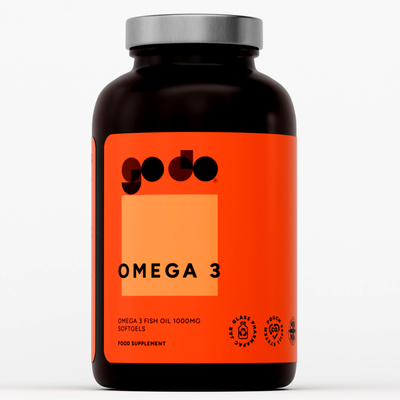
- Omega-3 fatty acids: May reduce muscle soreness through anti-inflammatory mechanisms
- Tart cherry juice: Some evidence for DOMS reduction (likely through polyphenols)
Limited or no evidence:
- BCAAs (if total protein intake is adequate)
- Glutamine (unless you're in extreme deficit)
- Recovery-specific proprietary blends
For more on supplement quality and what to look for, we have detailed guides on our vitamins and minerals blog.

Putting It Together: A Science-Based Recovery Protocol
Here's how to structure recovery for maximum effectiveness:
After every training session:
- Consume adequate carbohydrates and protein within 2 hours
- Hydrate to replace fluid loss (weigh yourself pre/post if training is intense)
- Perform 10-15 minutes of low-intensity cooldown movement
Between training days:
- Prioritize 7-9 hours of quality sleep
- Perform 20-30 minutes of active recovery on off days
- Use heat therapy for general recovery support
After particularly intense sessions:
- Consider cold water immersion within 1 hour post-training
- Increase carbohydrate intake by 20-30% in the 24 hours following
- Extend time between high-intensity sessions if needed
What not to do:
- Don't use cold water immersion after every workout
- Don't replace sleep with other recovery modalities
- Don't overthink supplementation at the expense of basic nutrition
- Don't perform intense "recovery workouts" that add training stress
The Bottom Line
Muscle recovery isn't complicated, but it requires consistency with fundamentals rather than chasing trendy interventions. Sleep quality, active recovery, strategic use of temperature therapy, and proper nutrition timing: applied consistently: will deliver better results than expensive recovery technology.
Start with sleep. If you're not getting 7-9 hours consistently, no other recovery strategy will compensate. Add active recovery between sessions. Use cold or heat strategically around intense training blocks. Get your nutrition timing reasonably close.
The research is clear: these fundamental strategies accelerate recovery more effectively than any supplement, device, or specialized protocol. Master the basics before looking for advanced solutions.