Low-carb diets, ketogenic lifestyles, and precision macro-counting have become the gold standard for weight management and metabolic health in 2026. Whether you are following a "savory breakfast" protocol or managing your intake alongside GLP-1 medications, reducing carbohydrates offers undeniable benefits for blood sugar stability and fat loss.
However, when you eliminate or significantly restrict entire food groups: like grains, starchy vegetables, and many fruits: you aren't just cutting calories and sugar. You are also removing the primary delivery systems for essential vitamins, minerals, and phytonutrients. Without a strategic approach to supplementation, a "clean" low-carb diet can quickly lead to micronutrient deficiencies that stall your progress and leave you feeling fatigued.
At Fitness Health, we see many customers struggle with the "keto flu" or mid-day energy crashes, only to realize their mineral levels are depleted. Here is how to identify the gaps in your carb-conscious diet and the specific supplements needed to fill them.
The Magnesium Crisis in Low-Carb Eating
Magnesium is involved in over 300 biochemical reactions in the human body, including protein synthesis, muscle function, and energy production. Unfortunately, some of the highest sources of magnesium are carbohydrate-heavy foods like beans, whole grains, and bananas.
When you cut these out, your magnesium levels often plummet. This is compounded by the fact that as insulin levels drop on a low-carb diet, your kidneys excrete sodium, potassium, and magnesium at a much higher rate. This "flushing" effect is the primary cause of muscle cramps, heart palpitations, and the dreaded "brain fog" associated with low-carb transitions.
How to Supplement:
- Form: Look for Magnesium Citrate or Magnesium Bisglycinate for better absorption.
- Timing: Taking magnesium in the evening can also support better sleep quality.
- Dosage: Most adults benefit from 200–400mg daily, but always consult with a professional regarding your specific macro needs.
Explore our Vitamins and Minerals collection to find high-bioavailability magnesium options that keep your muscles functioning correctly during high-intensity training.

Electrolytes: Beyond Just Salt
On a standard high-carb diet, the body holds onto water and electrolytes because insulin tells the kidneys to retain sodium. When you switch to a carb-conscious or macro-focused diet, insulin levels stabilize and drop. This is great for weight loss, but it means your body is no longer "holding" onto the essential salts it needs.
If you find yourself feeling dizzy when standing up or experiencing persistent headaches, you are likely dealing with an electrolyte imbalance. It’s not just about adding more table salt to your meals; you need a balanced ratio of sodium, potassium, and calcium.
Key Electrolyte Needs:
- Sodium: Essential for maintaining blood pressure and fluid balance.
- Potassium: Critical for heart health and preventing muscle weakness.
- Calcium: Necessary for nerve signaling and bone density, especially if you are also avoiding dairy.
Maintaining this balance is crucial for staying active. If your goal is performance-based, check out our Strength and Fitness collection for supplements that support recovery and mineral replenishment.
Solving the Fiber Gap and Gut Microbiome
The 2026 "fiber-maxxing" trend highlights a major issue in the low-carb community: the loss of prebiotic fiber. Most people get their fiber from oats, lentils, and whole-wheat products. When these are removed, the "good" bacteria in your gut can starve, leading to bloating, constipation, and a weakened immune system.
A healthy gut is the foundation of metabolic health. If your microbiome is out of balance, your body may struggle to regulate hunger hormones, making your macro-counting much harder than it needs to be.
Supporting Your Digestive Health
To keep your gut moving while staying low-carb:
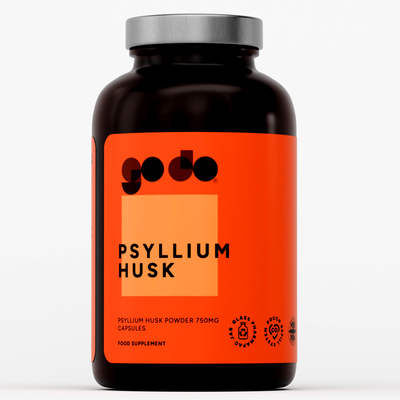
- Psyllium Husk or Inulin: These provide non-impact fiber that doesn't spike blood sugar.
- Probiotics: Introduce beneficial bacteria strains to repopulate the gut.
- Digestive Enzymes: If you are increasing your intake of proteins and fats to replace carbs, your gallbladder and pancreas might need help. Supplementing with lipase (for fats) and proteases (for protein) can prevent digestive discomfort.
You can find targeted support in our Gut Health collection to ensure your digestive system thrives even without the bulk of traditional carbohydrates.

B-Vitamins and Metabolic Energy
Grains are frequently "fortified" with B-vitamins, meaning that when you stop eating bread and cereals, your intake of B1 (Thiamine), B6, and B9 (Folate) can drop significantly. B-vitamins act as cofactors in the process of turning the food you eat into cellular energy (ATP).
If you are following a low-carb diet but find yourself constantly reaching for caffeine, you might not be lacking "energy": you might be lacking the B-vitamins required to access the energy stored in your body fat.
Why B-Vitamins Matter for Carb-Conscious Dieters:
- B12: Essential for nerve function and preventing anemia, especially if you are opting for a plant-based low-carb approach.
- B6: Involved in over 100 enzyme reactions, mostly concerned with protein metabolism.
- Folate: Critical for DNA repair and cell division.
For a focused energy boost that doesn't rely on stimulants, browse our Energy collection.
Vitamin C and Antioxidant Support
Many people associate Vitamin C strictly with oranges and grapefruit. While bell peppers and broccoli are great low-carb sources, many people on restrictive diets don't consume enough variety to meet their daily requirements. Vitamin C is a powerful antioxidant that protects your cells from oxidative stress, which can increase when you are pushing your body into a fat-burning state.
Furthermore, Vitamin C is essential for collagen synthesis. If you are using low-carb dieting for joint health or anti-aging, Vitamin C is a non-negotiable partner to your protein intake.

Omega-3s and Healthy Fats: The Brain Fuel
When you cut carbs, your brain switches from using glucose to using ketones (derived from fats). This transition requires a high-quality supply of fatty acids. While many low-carb diets are high in fats, they are often skewed toward Omega-6 (found in seed oils and some meats), which can be pro-inflammatory.
Supplementing with high-quality Omega-3 (EPA and DHA) ensures that your brain has the structural fats it needs for focus and cognitive function. It also helps balance the inflammatory response in the body, which is vital for long-term heart health.
Targeted Fat Supplementation:
- Fish Oil/Krill Oil: Provides direct EPA/DHA.
- MCT Oil: A medium-chain triglyceride that is rapidly converted into ketones, providing an immediate energy source for the brain and muscles without a glucose spike.
The Role of "Greens" Powders
For many, the hardest part of a macro-counting diet is the prep work required to eat enough leafy greens. A high-quality greens powder can act as a "nutritional insurance policy." Look for blends that include spirulina, chlorella, and kale extracts. These provide the phytonutrients and chlorophyll often missing when we focus purely on protein and fat macros.
While they shouldn't replace whole vegetables, they are excellent for maintaining immunity during periods of intense dieting or caloric deficit.

Summary Checklist for the Carb-Conscious
To ensure your low-carb journey is sustainable and healthy, audit your current supplement stack against this checklist:
- Electrolytes: Are you getting enough Sodium, Potassium, and Magnesium to avoid the "low-carb crash"?
- Fiber: Are you taking a prebiotic or psyllium supplement to support gut transit and microbiome health?
- Omega-3s: Are you balancing your fat intake with high-quality fish or algae oils?
- B-Vitamins: Is your energy production supported by a high-quality B-complex?
- Digestive Enzymes: If you've increased protein/fat, are you experiencing bloating? If so, consider enzymes.
Final Thoughts
Cutting carbs can be a powerful tool for transforming your health, but it requires a more nuanced approach than just "eating less bread." By proactively filling these nutritional gaps, you can enjoy the mental clarity and weight-loss benefits of a low-carb diet without the physical downsides of nutrient depletion.
If you’re unsure where to start, our Best Sellers list features the most trusted formulas our community uses to stay balanced and fueled.
Stay consistent, track your macros, and give your body the micronutrient support it deserves.