For decades, tracking macronutrients (proteins, fats, and carbohydrates) was a manual, often tedious process. It involved scales, barcodes, and the constant search for "hidden" ingredients in databases that were frequently inaccurate. As we navigate through 2026, the landscape has fundamentally shifted. We have entered the era of Digital Macros, where artificial intelligence and wearable technology have converged to automate nutrition tracking and provide real-time metabolic feedback.
At Fitness Health, we recognize that the biggest barrier to nutritional success isn't a lack of willpower, but a lack of actionable data. In this guide, we explore how AI-powered nutrition tracking and the latest wearables are changing the game, allowing you to optimize your diet with surgical precision.
The End of Manual Logging: Photo-Based Macro Analysis
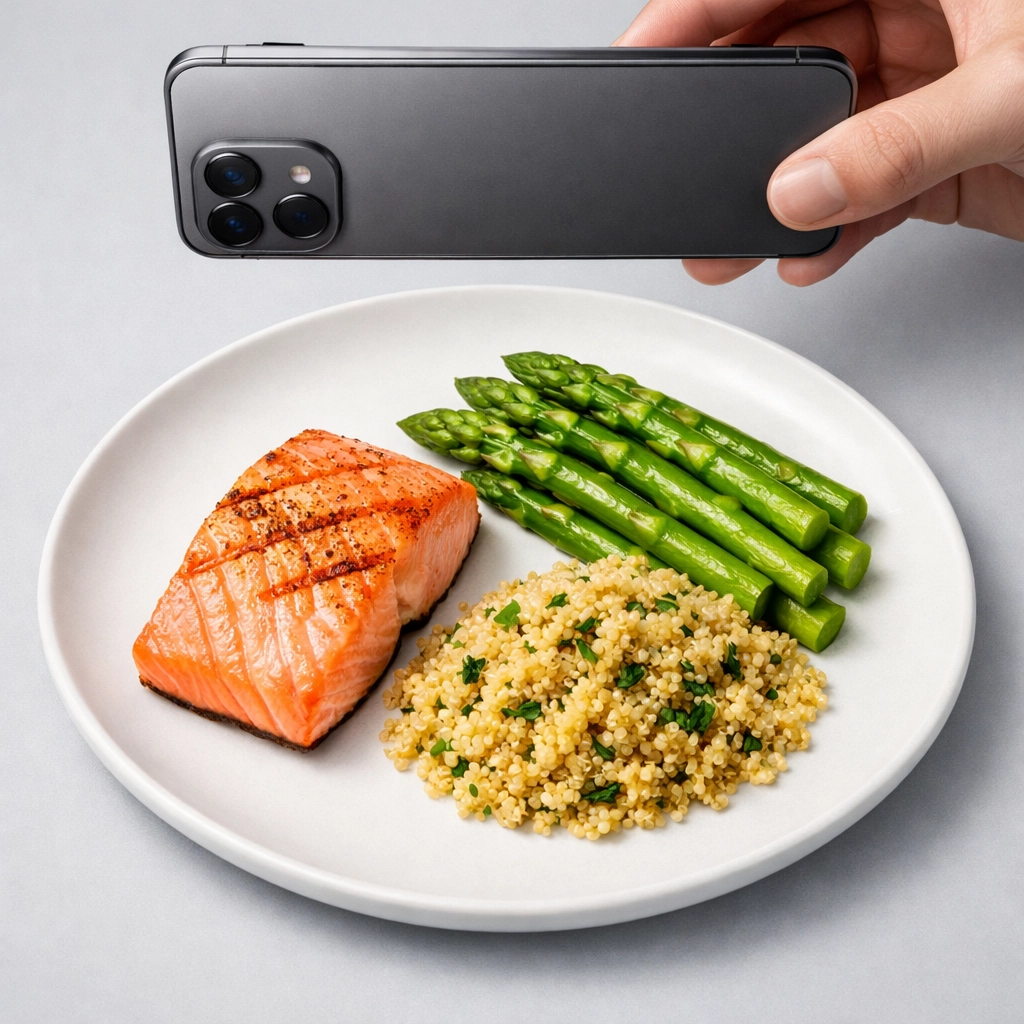
The most significant advancement in 2026 nutrition is the perfection of photo-based macro tracking. Systems like Garmin’s Active Intelligence have moved beyond simple calorie estimation. Today, your smartphone camera serves as a sophisticated nutritional scanner.
By capturing a single image of your meal, AI algorithms perform a volumetric analysis. These systems recognize individual ingredients, estimate weights based on plate size and depth, and cross-reference a massive global database of home-cooked, restaurant, and packaged foods.
How it works in practice:
- Capture: Open your tracking app and snap a photo before eating.
- Analysis: The AI identifies the protein source (e.g., grilled salmon), the carbohydrate (e.g., quinoa), and the fats (e.g., avocado slices).
- Calculation: It calculates the specific macro breakdown: for example, 35g protein, 40g carbs, and 12g fat: and logs it instantly.
- Adjustment: If the AI misses a specific sauce or dressing, you can use voice commands to add "one tablespoon of olive oil" for a perfect log.
This technology eliminates the friction of traditional tracking, making it easier to stay consistent with your goals, whether you are focusing on weight loss or muscle gain.
Wearable Integration: Moving Beyond the Plate
Tracking what you eat is only half the battle. The true power of "Digital Macros" in 2026 lies in how this data interacts with your body's biometric signals. Your nutrition no longer exists in a vacuum; it is now contextualized by your sleep, recovery, and activity levels.
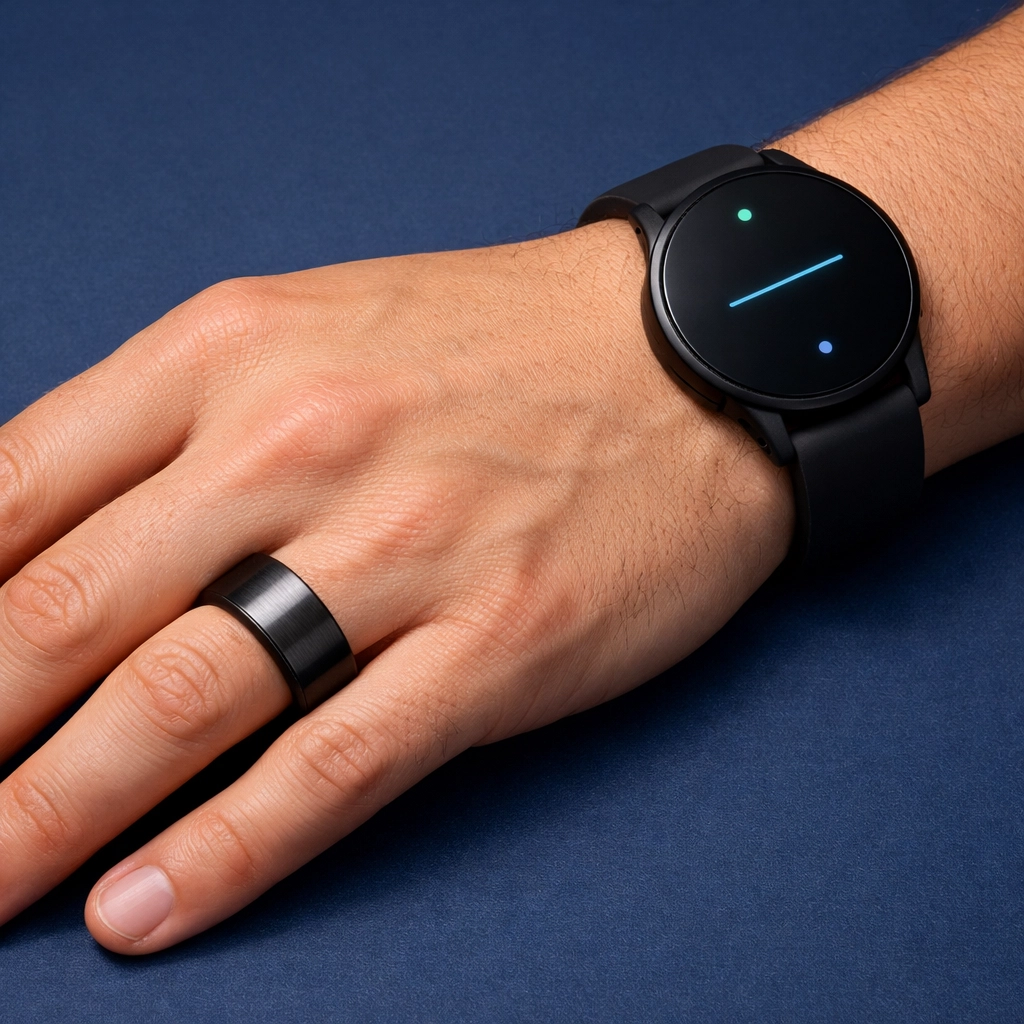
Wearables like smart rings and advanced fitness watches now synthesize nutrition data alongside heart rate variability (HRV), blood oxygen levels, and body temperature. This integration allows for a proactive approach to health. For example, if your wearable detects a drop in HRV and poor recovery metrics, your AI coach might suggest increasing your protein intake or adjusting your vitamins and minerals to support muscle repair.
The Sleep-Nutrition Loop
One of the most profound insights gained from the 2026 tech stack is the correlation between late-night macro timing and sleep quality. Advanced AI platforms can now tell you exactly how a high-carb meal consumed after 8:00 PM affects your deep sleep cycles. If your wearable detects frequent disturbances after specific meals, it will flag these patterns and suggest alternative macro distributions for your evening meals to improve sleep quality.
AI-Powered Personalization and Real-Time Coaching
In 2026, we have moved away from "static" meal plans. A meal plan written six months ago cannot account for how you feel today or the intensity of your morning workout. AI now acts as a real-time metabolic coach.
Instead of hitting a generic target of 2,000 calories every day, your digital coach adjusts your targets based on live data. If you have had a particularly high-output day: perhaps a session focusing on compound vs isolation exercises: the AI will automatically increase your carbohydrate and protein targets for that evening to facilitate glycogen replenishment and muscle protein synthesis.
Actionable Insights provided by 2026 AI:
- Performance Priming: "You have a high-intensity session in 2 hours. Consume 30g of fast-acting carbs now for peak performance."
- Recovery Alerts: "Your recovery score is low. Increase protein by 20% today and consider an energy boost supplement."
- Satiety Management: "Based on your glucose patterns, adding 10g of fiber to this meal will prevent a mid-afternoon energy crash."
Optimizing Strength and Fitness through Data
For those dedicated to strength and fitness, digital macros offer a competitive edge. The integration of AI allows for "Dynamic Refeeding." By analyzing your lifting volume and intensity recorded via your watch, the AI can determine the optimal window for nutrient timing.
This data-driven approach ensures that you are neither under-fueling (which leads to muscle loss and fatigue) nor over-fueling (which leads to unwanted fat gain). It brings a level of scientific rigor to the "bulking and cutting" cycles that was previously only available to professional athletes with dedicated nutritionists.
Filling the Gaps: Supplements in the Digital Age
Even with the most advanced AI tracking, whole foods sometimes fall short of meeting specific physiological demands, especially during periods of high stress or intense training. Digital macros help identify these gaps with startling clarity.
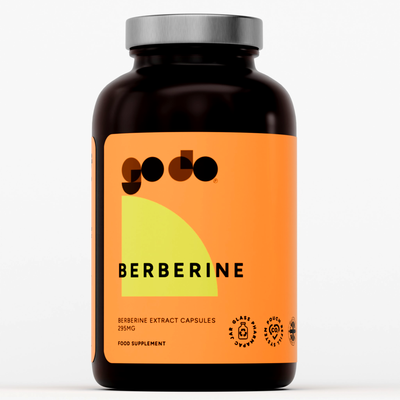
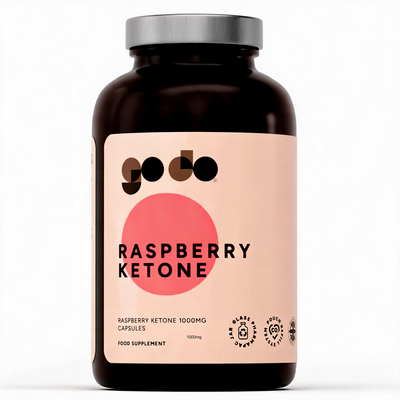
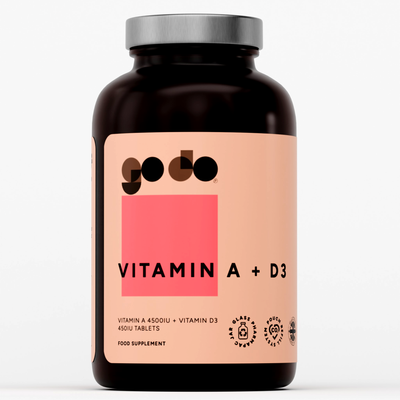
When your AI identifies a consistent deficiency in specific micronutrients or a need for better inflammatory response management, targeted supplementation becomes the logical next step.
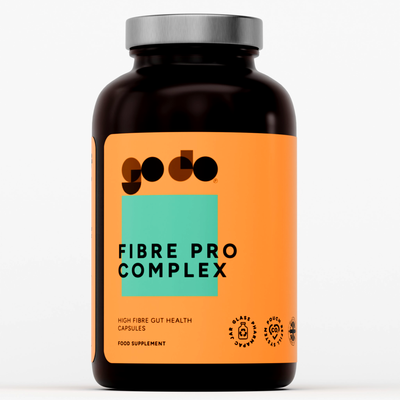
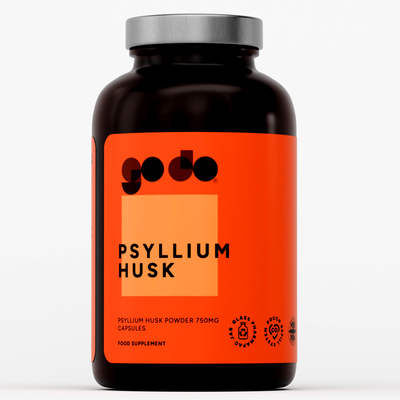
- Gut Health: If your photo-tracking shows a low diversity of fibrous plants, your AI may recommend a gut health protocol to ensure your microbiome can efficiently process the macros you are consuming.
- Metabolic Support: For those on low-carb diets, the AI might suggest antioxidants to help manage oxidative stress during fat adaptation.
- Joint Recovery: If your activity data shows high-impact loading, the system may prompt a joint health supplement to prevent long-term wear and tear.

How to Implement a "Digital Macro" Strategy Today
To take advantage of these technological advancements, you don't need to be a tech expert. You simply need the right tools and a structured approach. Follow these steps to modernize your nutrition:
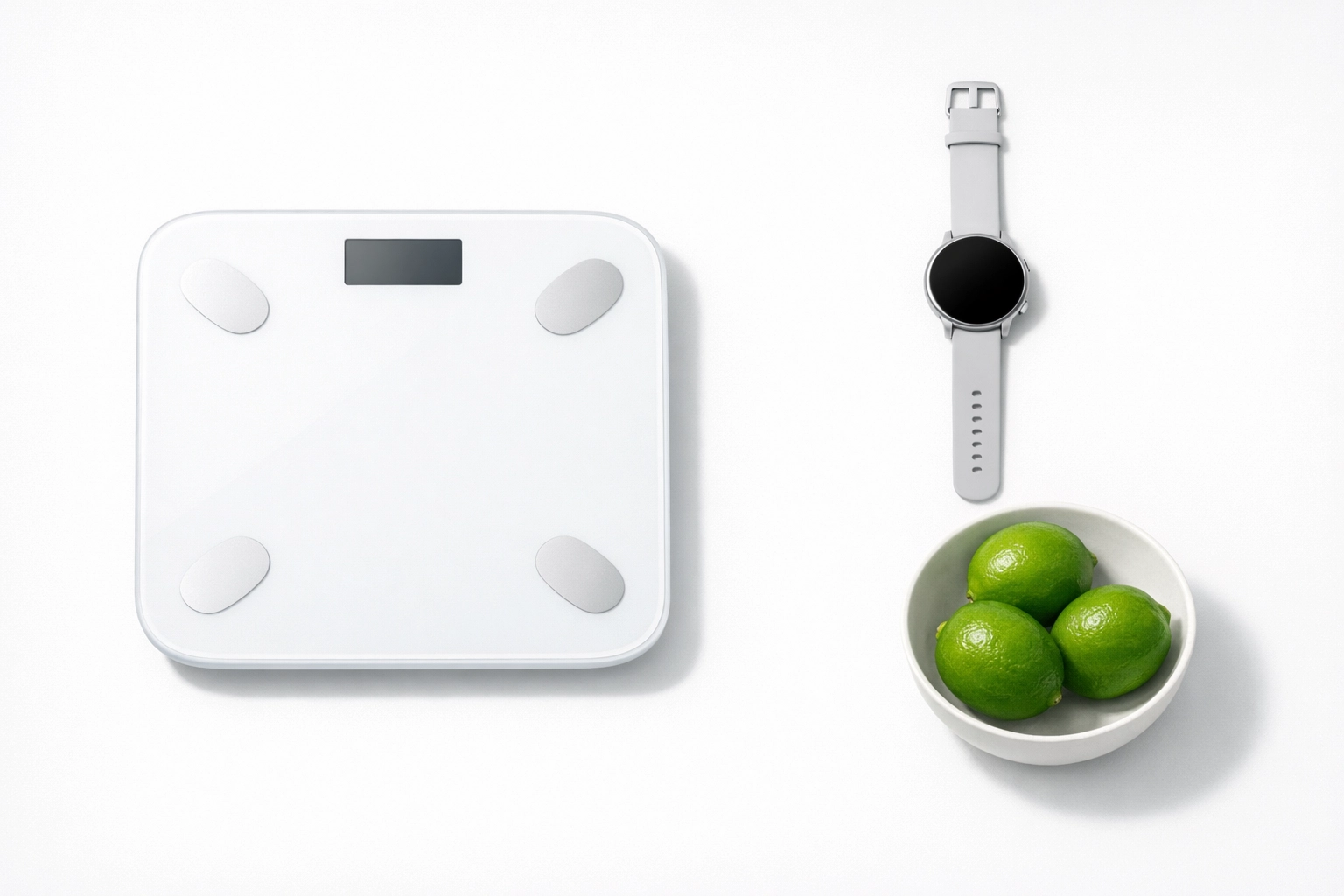
- Invest in a Compatible Wearable: Choose a device that offers a unified health data platform. Look for features like HRV tracking, skin temperature sensing, and integrated nutrition logging.
- Choose an AI-First Tracking App: Move away from manual databases. Use apps that prioritize photo recognition and offer "Active Intelligence" insights rather than just raw numbers.
- Sync Your Data: Ensure your fitness tracker, smart scale, and nutrition app are all talking to each other. This creates the "feedback loop" necessary for personalized coaching.
- Prioritize Fiber and Protein: Regardless of the tech, the fundamentals of weight loss and health remain. Use the AI to ensure you are hitting a minimum of 1.6g of protein per kg of body weight and maintaining high fiber levels (the 2026 "fiber-maxxing" trend).
- Review the Patterns: Once a week, look at the AI-generated summaries. Pay attention to how specific foods correlate with your "Ready Score" or recovery metrics.
The Future of Nutrition is Individualized
The shift toward Digital Macros is more than just a convenience; it is a move toward truly individualized healthcare. In 2026, we no longer guess what works. We observe, we track, and we optimize. By using AI to bridge the gap between what we eat and how we perform, we can achieve health outcomes that were previously thought impossible.
At Fitness Health, we are committed to providing the best sellers in nutritional support to complement your high-tech tracking. Whether you are hacking your macros for a marathon or simply looking to improve your daily energy, the tools are now in your hands: and on your wrist.
Key Takeaways for 2026 Nutrition:
- Automation is standard: Photo-based tracking has replaced manual entry for the majority of tech-forward users.
- Context is everything: Your macro targets should change based on your sleep and activity data.
- AI is your coach: Use the "Active Intelligence" features of your devices to receive real-time, actionable advice.
- Identify gaps early: Use data to determine exactly when you need vitamins and minerals to support your lifestyle.
By embracing the convergence of AI and wearables, you are not just counting calories; you are mastering your metabolism. Reach out to our customer service team if you need guidance on which supplements best align with your current digital macro goals.