If you find yourself reaching for a third cup of coffee or a sugary snack by 2:00 PM, your breakfast is likely the culprit. For decades, the standard Western breakfast has revolved around "dessert disguised as health food": sugary cereals, fruit juices, pastries, and sweetened yogurts. While these provide a quick hit of energy, they set the stage for a metabolic rollercoaster that guarantees a mid-day crash.
The shift toward savory breakfasts: meals centered on protein, healthy fats, and fiber rather than refined sugars and starches: is not just a dietary trend. It is a biological strategy for stabilizing blood sugar, managing hunger, and maintaining cognitive focus throughout the day. Whether you are following a strict macro-counting diet or simply looking to improve your daily productivity, transitioning to a savory morning routine is one of the most effective changes you can make.
The Glucose Rollercoaster: Why Your Morning Pastry is Sabotaging Your 2 PM
To understand why savory breakfasts work, you must understand the relationship between glucose and insulin. When you consume a carbohydrate-heavy breakfast like toast with jam or a large bowl of cereal, your body quickly breaks those carbohydrates down into glucose (sugar). This causes a rapid spike in your blood sugar levels.
In response, your pancreas secretes insulin to shuttle that glucose out of the bloodstream and into your cells for energy or storage. However, when the spike is high and fast, the body often overcompensates with an insulin surge. This leads to a rapid drop in blood sugar, often dipping below your baseline. This "postprandial dip" is exactly what causes the classic mid-day slump: irritability, brain fog, and intense cravings for more carbohydrates to bring your levels back up.
By choosing a savory breakfast, you introduce nutrients that digest more slowly. Protein and fats do not cause the same aggressive insulin response that sugars do. This results in a stable, steady release of energy that can carry you through to lunch without the need for emergency snacking.

The "Big Three" Macro Formula for Morning Energy
A successful savory breakfast isn't just "not sweet." It is a calculated combination of three essential components. To maximize your metabolic health and support weight loss goals, aim for the following macro profile:
1. High-Quality Protein (Aim for 30 Grams)
Protein is the most satiating macronutrient. Research indicates that consuming roughly 30 grams of protein at breakfast helps regulate the hormones that control hunger (ghrelin) and fullness (peptide YY). This amount also supports muscle maintenance, which is crucial if you are prioritizing strength and fitness.
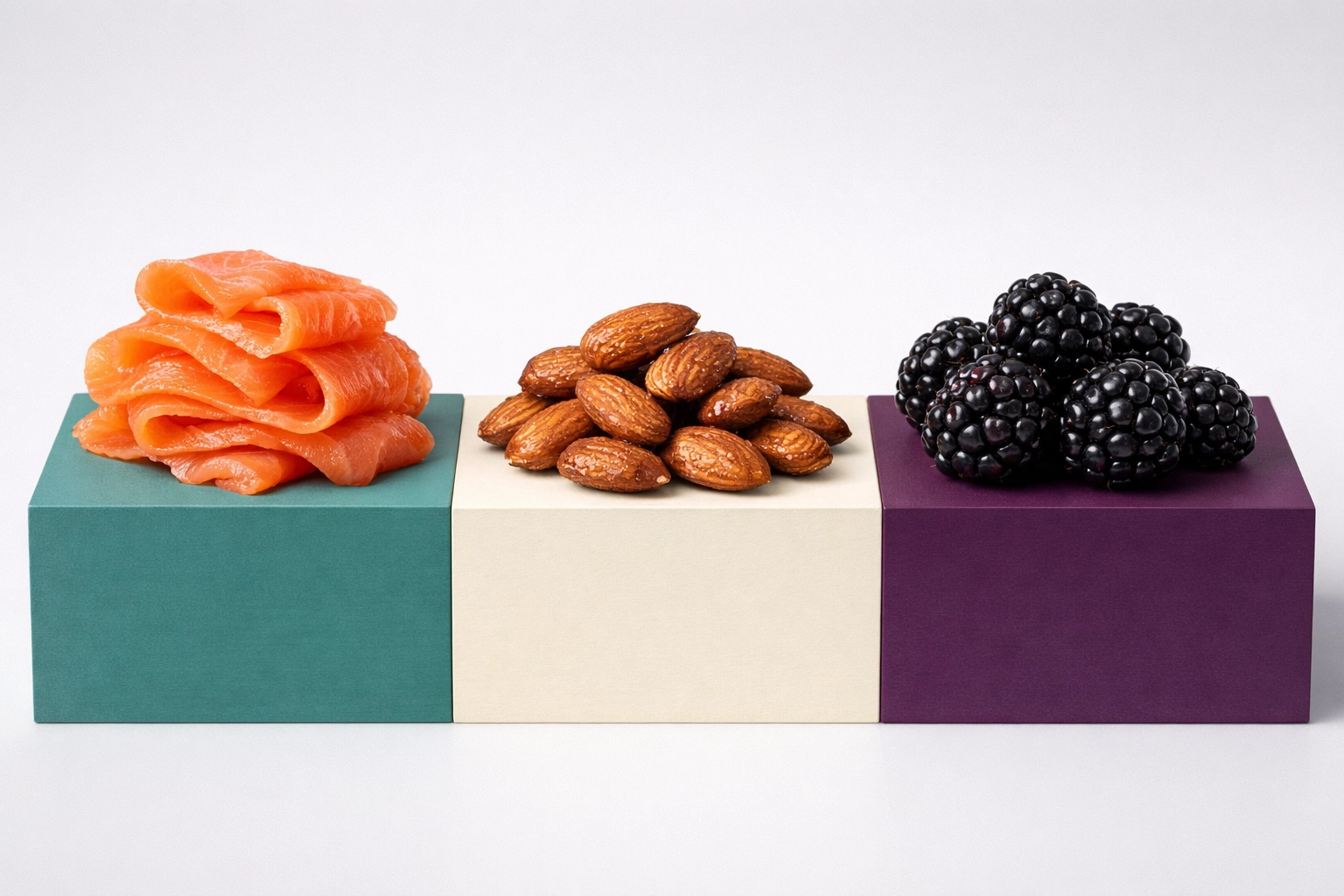
- Sources: Eggs, egg whites, smoked salmon, ground turkey, tofu, or high-quality Greek yogurt (unsweetened).
2. Healthy Fats
Fats slow down gastric emptying, meaning food stays in your stomach longer. This further blunts the blood sugar response of any carbohydrates you do eat. Fats are also essential for brain health and the absorption of fat-soluble vitamins (A, D, E, and K).
- Sources: Avocado, extra virgin olive oil, nuts, seeds, and the fats naturally occurring in eggs or fatty fish.
3. High-Fiber Carbohydrates
You do not need to be zero-carb to avoid the mid-day slump. In fact, fiber is essential for gut health and long-term satiety. The key is choosing fibrous, complex carbohydrates that contain the "brakes" necessary to slow down sugar absorption.
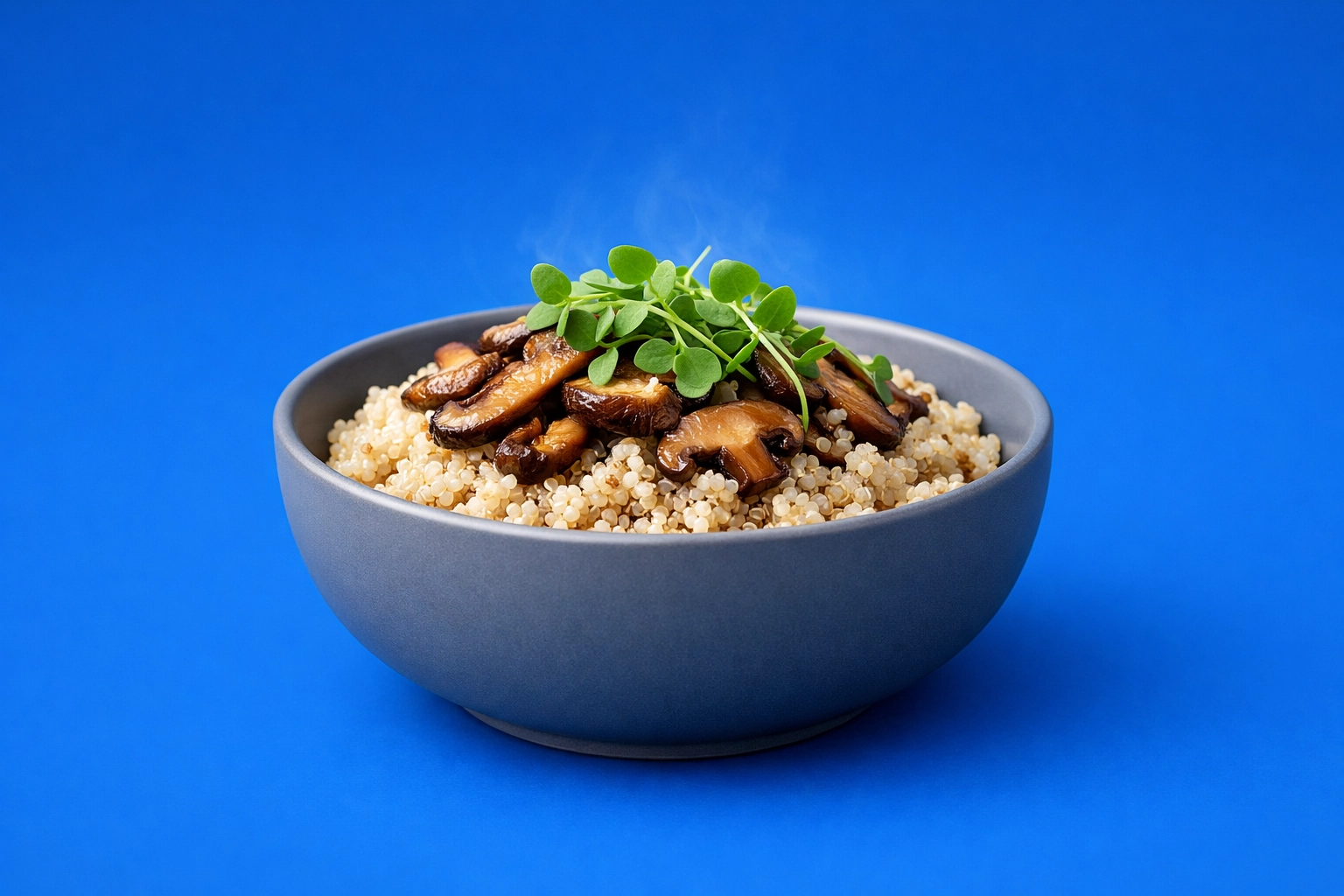
- Sources: Sautéed spinach, kale, bell peppers, mushrooms, black beans, or a small portion of quinoa.
5 Savory Breakfast Concepts to Replace Your Cereal
Transitioning to savory breakfasts doesn't have to be complicated. Here are five practical ideas that fit into a busy schedule:
- The "Power Bowl": Two poached eggs over a bed of sautéed kale and mushrooms, topped with half an avocado and a sprinkle of hemp seeds.
- Smoked Salmon Wrap: Use a high-fiber tortilla or large collard green leaf. Fill with smoked salmon, cream cheese (or a dairy-free alternative), capers, and sliced cucumbers.
- Savory Tofu Scramble: Firm tofu crumbled and seasoned with turmeric, nutritional yeast, and sea salt. Stir in black beans and diced tomatoes for extra fiber and antioxidants.
- Cottage Cheese with a Twist: Instead of fruit, top plain cottage cheese with sliced cherry tomatoes, cracked black pepper, and a drizzle of pesto.
- Breakfast Soup: A growing trend in 2026, savory soups (like bone broth with wilted greens and a soft-boiled egg) provide hydration, collagen, and protein in a highly digestible format.
Why "Fiber-Maxxing" Matters in 2026
The term "Fiber-Maxxing" has become a staple in modern health circles, and for good reason. Fiber is the ultimate regulator of the microbiome. A healthy gut environment is directly linked to how your body processes sugar and manages inflammation.
When you prioritize savory breakfasts, you have more opportunities to include vegetables: something rarely found in sweet breakfasts. Adding a handful of spinach to your eggs or black beans to a breakfast burrito significantly increases your daily fiber intake, supporting gut health and ensuring that your digestion remains efficient.
Supporting Your Metabolic Health Beyond the Plate
While food is the foundation, certain supplements can enhance the benefits of a savory, low-glycemic lifestyle. If you are struggling with energy levels even after changing your diet, consider the following:
- Magnesium: Essential for glucose metabolism and muscle function.
- Gut Health Support: Probiotics and digestive enzymes can help your body transition to a higher-protein, higher-fiber diet without bloating. You can find targeted formulas in our gut health collection.
- Antioxidants: Reducing oxidative stress helps the body maintain metabolic flexibility: the ability to switch between burning fats and carbohydrates for fuel. Explore our antioxidant range for support.
Common Pitfalls to Avoid
When switching to savory breakfasts, many people make mistakes that inadvertently trigger the very slumps they are trying to avoid.
- The "Hidden Sugar" Trap: Be careful with sauces and condiments. Sriracha, ketchup, and certain "healthy" green juices can contain significant amounts of added sugar that will spike your insulin.
- Under-eating Protein: A single egg only contains about 6 grams of protein. To reach the 30-gram threshold for maximum satiety, you likely need a combination of eggs and another protein source, or a side of high-protein grains.
- Neglecting Hydration: Often, mid-morning fatigue is actually mild dehydration. Pair your savory breakfast with a large glass of water or herbal tea rather than relying solely on caffeine.
- Ignoring Electrolytes: If you are significantly reducing refined carbohydrates, your body may flush out more water and sodium. Ensure you are getting enough electrolytes to prevent headaches and lethargy.
Summary: How to Start Tomorrow
The transition to savory breakfasts is one of the most immediate ways to reclaim your energy and focus. By stabilizing your blood sugar from the moment you wake up, you eliminate the physiological triggers that lead to afternoon exhaustion.
Your Action Plan:
- Audit your current breakfast: Is it primarily starch or sugar?
- Pick one protein: Aim for 30 grams (e.g., 3 eggs + 2 slices of turkey bacon).
- Add a green: Sauté spinach or add sliced cucumber to your plate.
- Incorporate fat: Add avocado or use olive oil for cooking.
- Monitor your energy: Pay attention to how you feel at 2:00 PM. You will likely notice a significant increase in clarity and a decrease in hunger.
For more information on optimizing your diet for performance and longevity, visit our Strength and Fitness blog or contact our team through our help center for personalized guidance.