In the world of fitness, trends often arrive with a lot of noise and very little substance. However, as we move through 2026, one practice has risen above the social media "hacks" to become a cornerstone of science-backed longevity: Japanese Walking.
Known formally in the scientific community as Interval Walking Training (IWT), this method has transitioned from a localized health initiative in Nagano, Japan, to a global phenomenon. Unlike the "10,000 steps" goal: which was originally a marketing slogan rather than a clinical recommendation: Japanese Walking is rooted in over two decades of physiological research. It offers a blueprint for improving cardiovascular health, increasing muscle strength, and managing metabolic markers without the high-impact stress of running.
What Exactly is Japanese Walking?
Japanese Walking is a high-intensity interval workout that simplifies the concept of metabolic conditioning. The structure is incredibly straightforward:
- Brisk Walking (High Intensity): Walk at a pace that is approximately 70% of your maximum capacity for 3 minutes. At this level, you should feel slightly out of breath but still able to speak in short sentences.
- Leisurely Walking (Low Intensity): Transition to a relaxed pace (about 40% of your maximum capacity) for 3 minutes.
- Repeat: Continue this cycle for 30 minutes.
While the "3/3" ratio is the gold standard, variations including 2-minute recovery intervals are also common. The goal is to perform this routine at least four times a week to see systemic physiological changes.

The Origin: The Shinshu University Study
The credibility of this trend stems from a landmark 2007 study conducted by researchers at Shinshu University. They followed 246 middle-aged and older adults over five months to compare the effects of three different protocols: high-intensity interval walking, moderate-intensity continuous walking, and no walking.
The results were transformative. The group practicing Japanese Walking experienced a 9% increase in peak aerobic capacity. Subsequent follow-up studies, including a 2019 update, saw these gains reach as high as 14%. To put that in perspective, a 14% increase in aerobic capacity can effectively "de-age" a person’s cardiovascular system by a decade.
By 2025, the trend gained even more traction as research demonstrated its effectiveness for individuals with type 2 diabetes and chronic lower extremity weakness, proving that "low impact" does not have to mean "low results."
The Science of Why It Works
The effectiveness of IWT lies in the concept of cardiovascular "shocks." When you maintain a steady, moderate pace (like a traditional walk), your body eventually reaches a state of homeostasis where it becomes efficient at that specific intensity. While good for burning calories, it does little to push your physiological ceiling.
1. Improved Heart Health and Blood Pressure
By alternating intensities, you force the heart and lungs to adapt to rapid changes in oxygen demand. This strengthens the cardiac muscle and improves arterial flexibility. Research shows that systolic blood pressure can drop by approximately 10 points for men and 8 points for women: significantly higher than the 3-point drop observed in steady-state walkers. For those focusing on long-term wellness, supporting these changes with targeted heart health supplements can provide the nutritional foundation the body needs for these vascular adaptations.
2. Targeted Muscle Hypertrophy
One of the most surprising findings of the Shinshu University study was the impact on leg strength. Participants saw a 13% increase in thigh strength and a 17% increase in hamstring strength. Because the "brisk" intervals require more explosive power than a standard stroll, the fast-twitch muscle fibers are engaged more frequently, leading to improved functional mobility.
3. Metabolic Flexibility
Interval walking has a profound effect on blood sugar management. A 2019 study indicated that participants reduced their lifestyle-related disease (LSD) score by an average of 17%. This score tracks blood pressure, BMI, blood glucose, and cholesterol. The high-intensity bursts improve insulin sensitivity, making it an excellent tool for those using weight loss support strategies to manage their metabolic health.

Supporting the Trend: Nutrition and Supplementation
Because Japanese Walking involves higher intensities than standard walking, your body requires specific support to handle the increased load on the joints and the demand for energy.
Joint Health
The increased pace of the "brisk" intervals puts more force through the knees and ankles. While this is beneficial for bone density, it requires healthy cartilage and synovial fluid to prevent discomfort. Utilizing joint health supplements containing glucosamine or collagen can help maintain the integrity of these tissues as you increase your walking intensity.
Energy and Metabolism
To hit that 70% maximum heart rate during your brisk intervals, you need accessible energy. Many practitioners find that a clean energy booster or a B-vitamin complex helps them push through the intense segments without feeling premature fatigue.
Recovery and Inflammation
Any interval training produces metabolic by-products and oxidative stress. To ensure you can perform the routine four times a week, recovery is key. Antioxidants help neutralize free radicals produced during high-intensity bursts, reducing muscle soreness and allowing for quicker turnaround between sessions.
How to Get Started: A Step-by-Step Guide
If you are ready to move beyond basic step-counting, follow this structured approach to Japanese Walking.
Step 1: Establish Your Baseline
Before you start, determine what "70% effort" feels like for you. You should be walking fast enough that your breathing becomes deep and rapid, and you cannot easily hold a long conversation.
Step 2: The Warm-Up
Never jump straight into a brisk interval. Spend 5 minutes walking at a very slow, leisurely pace to lubricate your joints and gradually increase your heart rate.
Step 3: The 3/3 Cycle
- 3 Minutes Brisk: Swing your arms, take purposeful strides, and focus on your breath.
- 3 Minutes Easy: Let your heart rate settle. Do not stop walking; keep moving slowly to aid circulation.
- Repeat 5 times to reach the 30-minute mark.
Step 4: Use Technology
In 2026, we have the advantage of AI-driven wearables. Many modern fitness trackers now have specific "Interval Walking" modes that will vibrate on your wrist when it’s time to switch intensities. Some even use real-time heart rate data to tell you if you need to pick up the pace to hit that 70% threshold.

Key Takeaways for Long-Term Success
To make Japanese Walking a permanent part of your fitness routine, consistency is more important than perfection.
- Frequency: Aim for 4 times a week. Even if you only have time for 10 or 20 minutes, the interval method is still superior to a longer, slow walk.
- Terrain: While flat ground is great for beginners, adding a slight incline during the brisk intervals can further increase muscle activation and calorie burn.
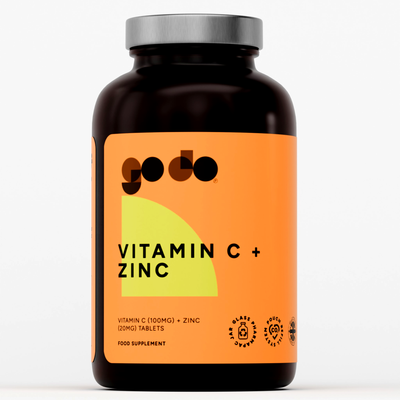
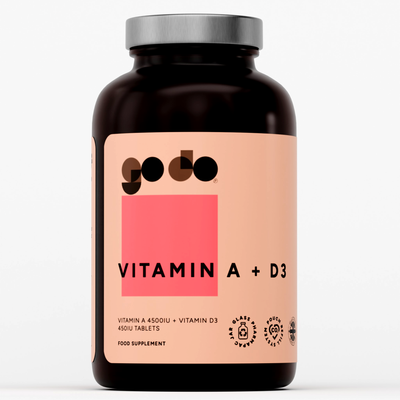
- Hydration and Basics: Don't forget the fundamentals. A high-quality vitamin and mineral regimen ensures your body has the micronutrients necessary for cellular repair and energy production.
Why This Trend is Here to Stay
The reason Japanese Walking has moved from a 2007 study to a 2026 global trend is its accessibility. It bridges the gap between the sedentary lifestyle and the high-intensity gym culture. It acknowledges that not everyone wants to: or can: run, but everyone can benefit from the science of intervals.
By combining this science-backed movement with the right nutritional support, such as strength and fitness supplements, you are not just walking; you are actively re-programming your body for better health.
Whether you are looking to lower your blood pressure, strengthen your legs, or simply find a workout that fits into a busy schedule, Japanese Walking offers a clear, proven path forward. It’s time to stop just counting steps and start making every step count.
Safety Disclaimer: Before beginning any new high-intensity exercise program, especially if you have pre-existing heart conditions or joint issues, consult with a healthcare professional. Always listen to your body and adjust the intensity to your current fitness level.