High-Intensity Interval Training (HIIT) has dominated the fitness industry for over a decade. Since 2013, it has consistently ranked in the top ten fitness trends globally. However, the original "go hard or go home" mentality is shifting. We are now entering the era of HIIT 2.0: a more sophisticated, data-driven, and sustainable approach to cardiovascular conditioning.
The evolution of HIIT focuses on two primary pillars: safety and efficiency. While the 1.0 version often led to overtraining and joint strain, HIIT 2.0 utilizes modern physiology and technology to deliver the same metabolic benefits with significantly less risk.
The History: From Olympic Tracks to Living Rooms
To understand where HIIT is going, we must look at where it began. The concept isn't new; it has been refined over a century of athletic research.
- The 1920s (The Finnish Influence): Olympic runner Hannes Kolehmainen and coach Lauri Pihkala pioneered interval training to build elite endurance.
- The 1930s (Gerschler & Reindell): German coaches developed systematic intervals, discovering that the "recovery" phase was just as important for heart strengthening as the "work" phase.
- The 1990s (The Tabata Breakthrough): Professor Izumi Tabata published his landmark 1996 study. He proved that four minutes of ultra-high-intensity work (20 seconds on, 10 seconds off) was more effective for both aerobic and anaerobic systems than an hour of steady-state cardio.
Today, HIIT 2.0 takes these foundational principles and adapts them for the general population, moving away from elite-only protocols toward accessible, longevity-focused movement.
HIIT 2.0: Moving Beyond the "All-Out" Mentality
The biggest criticism of traditional HIIT was the high injury rate. Modern HIIT 2.0 addresses this by introducing new protocols like VIIT and HVIT.
VIIT (Variable Intensity Interval Training)
Instead of staying at 90-100% maximum heart rate for every interval, VIIT mixes intensities. A typical VIIT session might include:
- High Intensity: Burpees or sprints (Anaerobic).
- Medium Intensity: Kettlebell swings or fast walking (Aerobic).
- Low Intensity: Yoga poses or slow lunges (Active recovery).
This variation reduces the total "impact load" on the joints while keeping the heart rate elevated enough to trigger the "afterburn effect" (EPOC).
HVIT (High-Volume Interval Training)
HVIT focuses on slightly lower intensities (around 80% max effort) but extends the duration of the session. This is often safer for those focusing on weight loss because it allows for more total movement without reaching the point of mechanical failure where form breaks down.

Prioritizing Joint Health and Longevity
In the 2.0 era, "efficiency" doesn't mean "faster." It means achieving the best result with the least amount of collateral damage to the body. This is where joint health becomes a priority.
High-impact movements like box jumps and tuck jumps are being replaced or supplemented with low-impact, high-intensity alternatives:
- Assault Bikes: Maximize caloric burn with zero impact on the knees.
- Sled Pushes: Build functional strength and cardiovascular capacity without the eccentric load that causes muscle soreness.
- Swimming Sprints: The ultimate full-body HIIT workout for those with existing joint concerns.
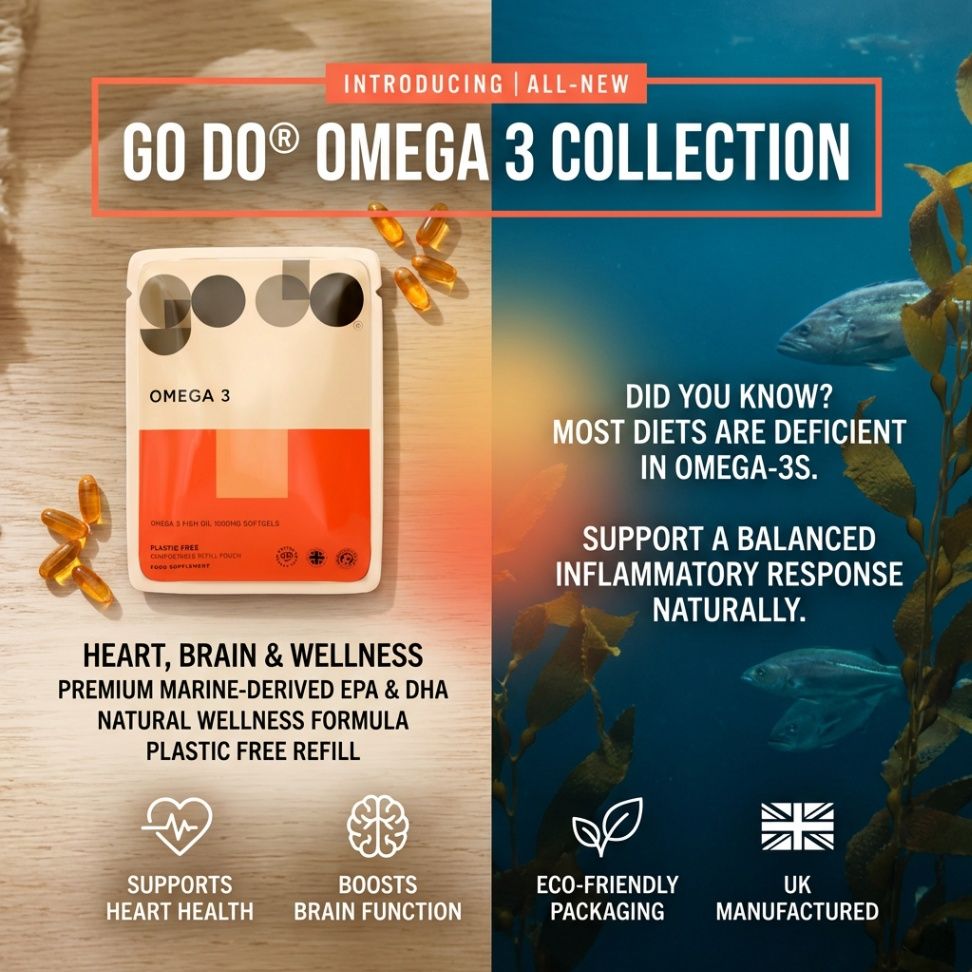
Supporting your body through these transitions is vital. Supplementing with Omega 3 can help manage the systemic inflammation caused by intense training sessions.
The Role of Data and Wearables
HIIT 2.0 is heavily reliant on biofeedback. In the past, athletes guessed their intensity based on how "out of breath" they felt. Now, we use wearable technology to track:
- HRV (Heart Rate Variability): This tells you if your nervous system is recovered enough to handle a HIIT session. If your HRV is low, HIIT 2.0 suggests a mobility day instead.
- Real-time Heart Rate Zones: To ensure you are actually hitting the 85-95% range required for HIIT, rather than hovering in the "grey zone" of moderate intensity.
- Recovery Times: Monitoring how quickly your heart rate drops after an interval is a primary marker of cardiovascular fitness.
For those looking to sharpen their mental game and focus during these high-intensity windows, exploring nootropics or focus-enhancing supplements can provide the cognitive edge needed to maintain proper form under fatigue.

Designing a HIIT 2.0 Routine: Safety First
If you want to implement the next generation of HIIT into your schedule, follow this structured 30-minute framework.
1. The Functional Warm-Up (8 Minutes)
Move away from static stretching. Use dynamic movements like cat-cow, bird-dog, and bodyweight squats. This prepares the central nervous system and lubricates the joints.
2. The Power Phase (10 Minutes)
Choose one primary movement. Perform 30 seconds of work at 90% effort, followed by 90 seconds of active recovery (walking). Repeat for 5 rounds. This focuses on power output rather than just getting tired. For an extra boost, many athletes use energy-focused adaptogens to sustain performance without the crash of traditional stimulants.
3. The Functional Strength Phase (8 Minutes)
Incorporate compound movements like lunges or push-ups. HIIT 2.0 recognizes that progressive overload is necessary even in cardio-focused sessions.
4. The Metabolic Cool-Down (4 Minutes)
Slow, controlled nasal breathing to transition the body from the sympathetic (fight or flight) to the parasympathetic (rest and digest) nervous system.
Nutrition and Recovery for the Modern Athlete
You cannot sustain HIIT 2.0 on a poor diet. High-intensity work demands high-quality fuel.
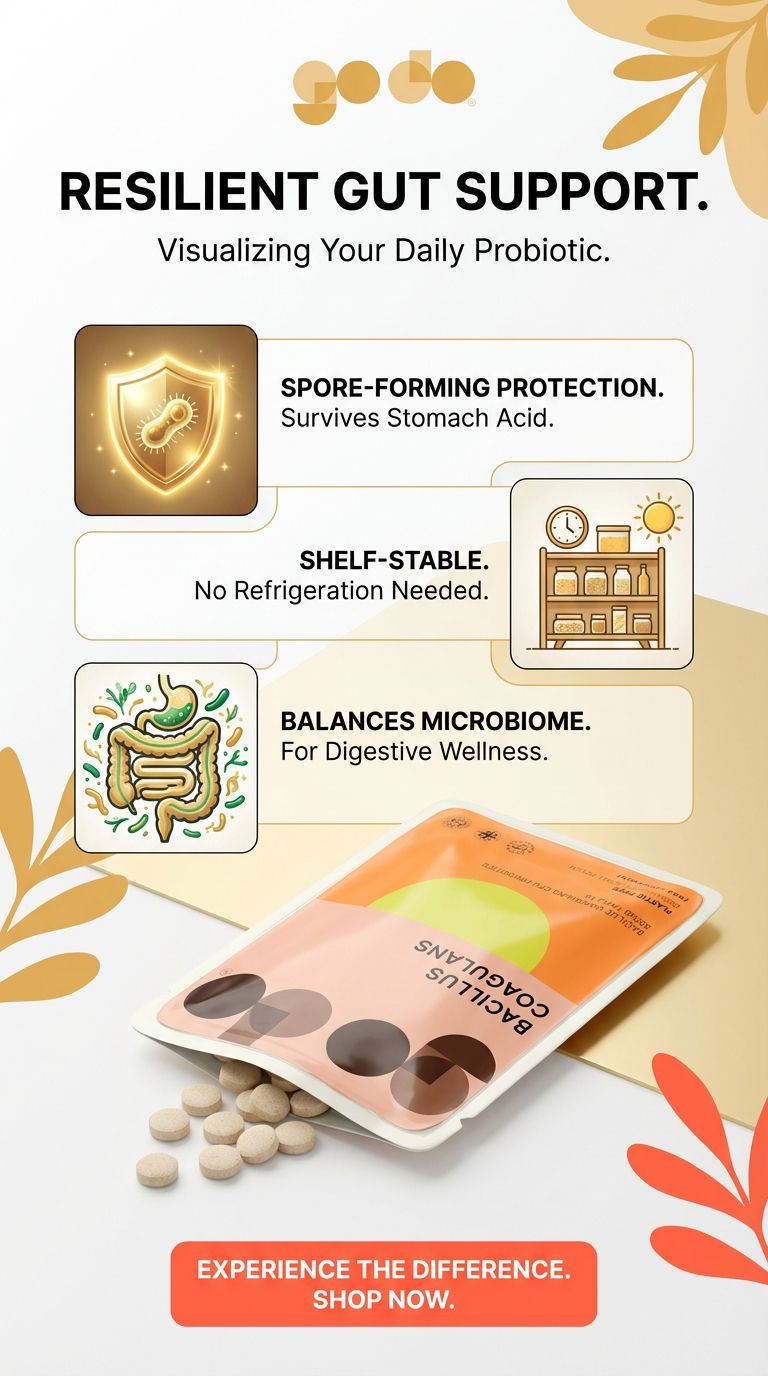
- Gut Health: Intense exercise can temporarily stress the digestive system. Maintaining a healthy microbiome with targeted probiotics ensures better nutrient absorption and faster recovery.
- Antioxidants: High-intensity training increases oxidative stress. Incorporating antioxidant-rich supplements helps neutralize free radicals produced during heavy exertion.
- Sleep: This is the most underrated aspect of HIIT 2.0. Growth hormone is released during deep sleep, repairing the micro-tears in muscle tissue. If you struggle to wind down after a late-afternoon HIIT session, consider natural sleep aids to ensure your recovery is as intense as your workout.
Summary of HIIT 2.0 Principles
To transition your training into the modern era, keep these takeaways in mind:
- Work Smarter: Use VIIT to vary intensity and reduce the risk of overuse injuries.
- Monitor Recovery: Use wearables to track HRV and heart rate recovery; don't perform HIIT if your body isn't ready.
- Quality Over Quantity: Two high-quality, 20-minute HIIT sessions per week are more effective than five mediocre ones.
- Support the System: Use strength and fitness supplements to provide the building blocks your body needs to adapt to the stress of high-intensity work.
- Focus on Longevity: Choose low-impact variations (like rowing or biking) to preserve your joints while challenging your heart.
HIIT 2.0 isn't about doing more; it's about doing better. By combining the efficiency of the Tabata era with modern safety protocols and recovery science, you can enjoy the cardiovascular benefits of high-intensity training for decades to come.