When it comes to building a lean, powerful physique, time is often the most significant constraint. In the pursuit of maximum results with minimum waste, the debate between compound and isolation exercises is central to exercise physiology. While both modalities serve specific purposes, scientific evidence consistently points toward multi-joint movements as the cornerstone of training efficiency. Research published in PubMed (PMC4592763) suggests that for many individuals, the inclusion of single-joint exercises in a program already containing multi-joint movements may not yield significantly greater gains in muscle size or strength, highlighting the inherent power of compound lifting.
Table of Contents
- The Mechanics of Efficiency
- Key Takeaways
- Metabolic Response and Hormonal Output
- Comparative Data Table
- When Isolation is Essential
- The Real-World View: Hype vs. Science
- Step-by-Step Framework for an Efficient Split
- Safety Warnings and Contraindications
- Frequently Asked Questions
- Recommended Reading
The Mechanics of Efficiency

Efficiency in the gym is defined by the amount of mechanical tension and metabolic stress generated per unit of time. Compound exercises are multi-joint movements that recruit several muscle groups simultaneously. For example, a barbell squat involves the quadriceps, glutes, hamstrings, and the entire core complex.
Conversely, isolation exercises involve a single joint and focus on one primary muscle group, such as a bicep curl or a leg extension. While isolation has its place in fine-tuning aesthetics, it lacks the systemic impact of compound lifts.
The Science of Multi-Joint Mastery
A systematic review published in the journal Sports Medicine indicates that "multi-joint exercises produce greater improvements in maximal oxygen consumption (VO2max) and general physical fitness" compared to programs focusing solely on single-joint movements. This is because the neurological demand of coordinating multiple muscle groups forces the body to adapt more comprehensively.
"The findings of the present study suggest that MJ [Multi-Joint] and SJ [Single-Joint] training are both effective for improving muscle strength and hypertrophy... However, MJ training resulted in greater gains in VO2max and physical performance." , Gentil et al., 2015.
Key Takeaways
| Feature | Compound Exercises | Isolation Exercises |
|---|---|---|
| Muscle Recruitment | High (Multiple groups) | Low (Targeted group) |
| Time Efficiency | Superior | Lower |
| Strength Transfer | High (Functional) | Specific to the joint |
| Metabolic Cost | High | Low |
| Primary Goal | Strength & Total Mass | Symmetry & Correctives |
Metabolic Response and Hormonal Output

The metabolic cost of an exercise is directly proportional to the amount of muscle mass involved. Because compound lifts like deadlifts and presses require a massive amount of energy to execute, they trigger a more significant acute hormonal response.
Systemic vs. Localized Fatigue
While isolation exercises allow you to push a specific muscle to failure without being limited by other muscle groups, compound lifts challenge the cardiovascular and central nervous systems. This systemic challenge is what drives long-term adaptation in bone density and metabolic rate.
Pro Tip: The 80/20 Rule of Training
Focus 80% of your training volume on 3-5 key compound movements (Squat, Bench, Row, Overhead Press, Deadlift). Use the remaining 20% for isolation work to address specific aesthetic goals or weaknesses. This ensures maximum efficiency without burnout.
Comparative Data Table
The following table compares common movements based on joint involvement and muscle recruitment efficiency.
| Exercise | Joints Involved | Primary Muscles | Secondary/Stabilizers | Efficiency Rating |
|---|---|---|---|---|
| Back Squat | Hips, Knees, Ankles | Quads, Glutes | Lower Back, Abs, Adductors | ⭐⭐⭐⭐⭐ |
| Bench Press | Shoulders, Elbows | Pectorals | Triceps, Anterior Deltoid | ⭐⭐⭐⭐ |
| Deadlift | Hips, Knees, Spine | Posterior Chain | Traps, Forearms, Core | ⭐⭐⭐⭐⭐ |
| Leg Extension | Knee | Quadriceps | None | ⭐⭐ |
| Bicep Curl | Elbow | Biceps | Brachialis | ⭐ |
When Isolation is Essential

Despite the efficiency of compound lifts, isolation exercises are not obsolete. They are critical in three specific scenarios:
- Correcting Imbalances: If your left quad is significantly weaker than your right, a bilateral compound squat may allow the stronger side to compensate. Single-leg extensions ensure parity.
- Specific Hypertrophy: Muscles like the lateral deltoids or the calves are often under-stimulated in large compound movements. Targeted isolation is required to achieve "peak" development in these areas.
- Injury Rehabilitation: When a joint is compromised, isolation work allows for blood flow and muscle maintenance without placing undue stress on the injured structure.
The Real-World View: Hype vs. Science
In the fitness industry, you will often hear that "you can't build big arms without curls" or "squats are the only way to grow legs."
The Science: Hypertrophy (muscle growth) is primarily driven by mechanical tension and total weekly volume per muscle. If you match the volume, a leg extension can grow the quad as much as a squat. The Reality: To match the volume of 3 sets of heavy squats using only isolation, you would need to perform multiple sets of leg extensions, adductor machines, and glute bridges. The sheer time required makes compound lifting the only practical choice for busy individuals.
Step-by-Step Framework for an Efficient Split
If you want to maximize your time in the gym, follow this structural framework for every workout:
- The Anchor (Compound): Start with one heavy, multi-joint movement (e.g., Deadlifts). This is when your central nervous system is freshest.
- The Secondary (Compound): Follow with a moderate-intensity compound movement from a different angle (e.g., Pull-ups or Rows).
- The Finisher (Isolation): End with 1-2 isolation movements for the specific muscles you want to highlight (e.g., Face Pulls or Calf Raises).
- The Review: If you are too fatigued to finish your isolation work, don't sweat it. You’ve already hit 90% of your potential gains with the first two steps.
Safety Warnings and Contraindications
While compound lifts are superior for efficiency, they carry a higher risk of injury if performed with poor mechanics.
- Spinal Loading: Exercises like the squat and deadlift place significant load on the vertebrae. Individuals with pre-existing disc issues should consult a professional and consider "spine-friendly" alternatives like the Belt Squat or Trap Bar Deadlift.
- Central Fatigue: High-volume compound training can lead to overtraining faster than isolation work. Monitor your active recovery signals and sleep quality.
- Form Breakdown: Never sacrifice form for weight in a multi-joint lift. A breakdown in form during a bicep curl results in a missed rep; a breakdown during a squat can result in a hospital visit.
Optimize Your Performance with Fitness Health
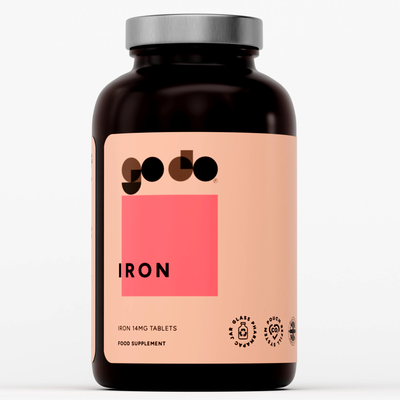
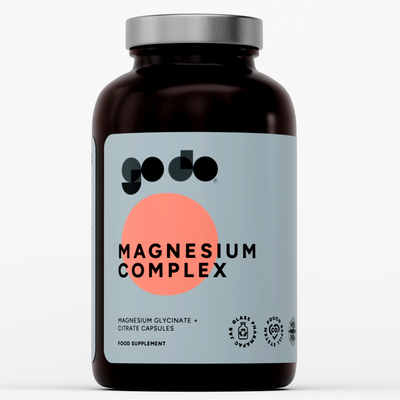
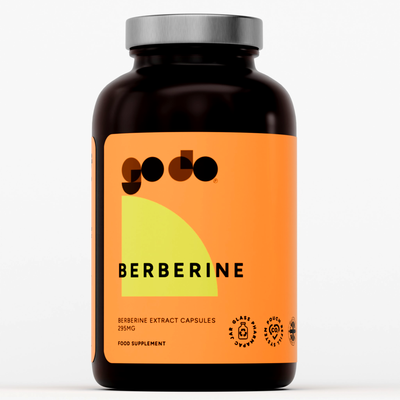
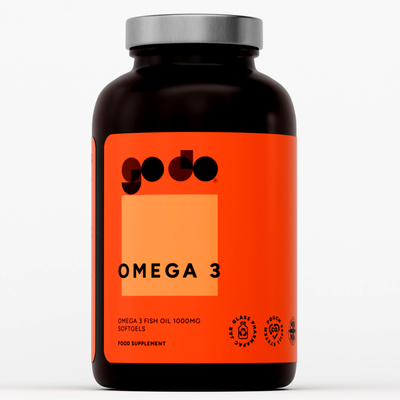
While training mechanics are the foundation, your body requires the right building blocks to recover. At Fitness Health, we provide high-quality, UK-made supplements in eco-conscious packaging to support your fitness journey.

Explore our range of premium supplements to complement your efficient training routine.
Frequently Asked Questions
Q: Can I build a great physique using ONLY compound movements?
A: Yes. Many powerlifters and athletes build incredible physiques using only the "Big 5" lifts. However, you may find that smaller muscles like the side delts or biceps lack that "polished" look.
Q: Are isolation exercises better for weight loss?
A: No. Compound exercises burn significantly more calories both during and after the workout (the EPOC effect) because they involve more muscle mass and require more energy to recover from.
Q: How many compound exercises should I do per session?
A: Generally, 2 to 3 major compound movements per session are sufficient. Any more than that, and the quality of your output usually begins to drop due to systemic fatigue.
Recommended Reading
- Training Habits: The Secret to Long-Term Success
- How to Build a Workout Supplement Stack That Works
- Overcoming Plateaus: The Science of Stalled Progress
Article generated by Penny