Adaptogens are everywhere right now. Your Instagram feed is full of them. Your local health shop has an entire wall dedicated to them. But here's what most supplement brands won't tell you: the scientific evidence backing most adaptogen claims is disappointingly weak.
Let's cut through the marketing noise and look at what actually works.
What Adaptogens Actually Do (In Theory)
Adaptogens are natural substances: typically herbs or mushrooms: that supposedly help your body adapt to physical, chemical, or biological stress. The idea is that they regulate your hypothalamic-pituitary-adrenal (HPA) axis, which controls how your body responds to stress.
Sounds impressive, right? But there's a catch.
For something to be classified as a true adaptogen, it needs to meet strict scientific criteria:
- Must be non-toxic with minimal side effects
- Must produce a non-specific defensive response to stress
- Must have a normalizing influence regardless of the direction of change from normal
Here's the problem: very few substances actually meet these requirements.
The Five "True" Adaptogens (According to Science)
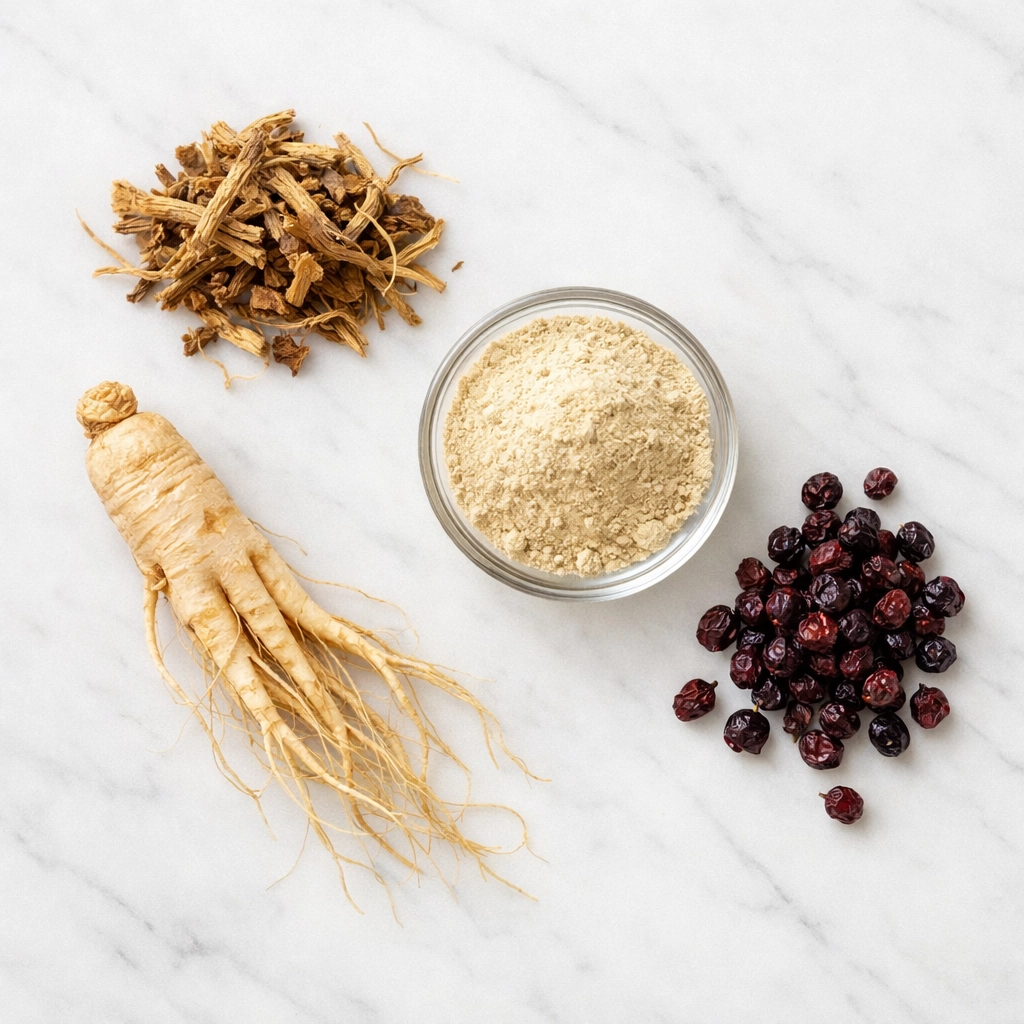
After decades of research, scientists have identified only five plants that meet the strict definition of adaptogens:
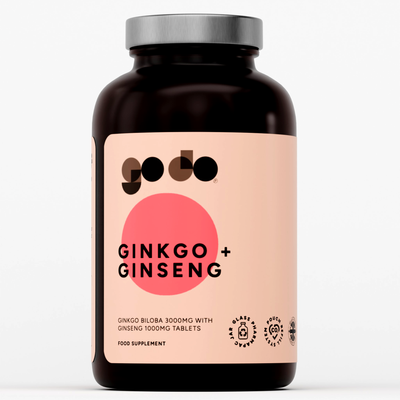
- Panax ginseng (Asian ginseng)
- Schisandra chinensis (Five-flavor berry)
- Acanthopanax senticosus (Eleuthero)
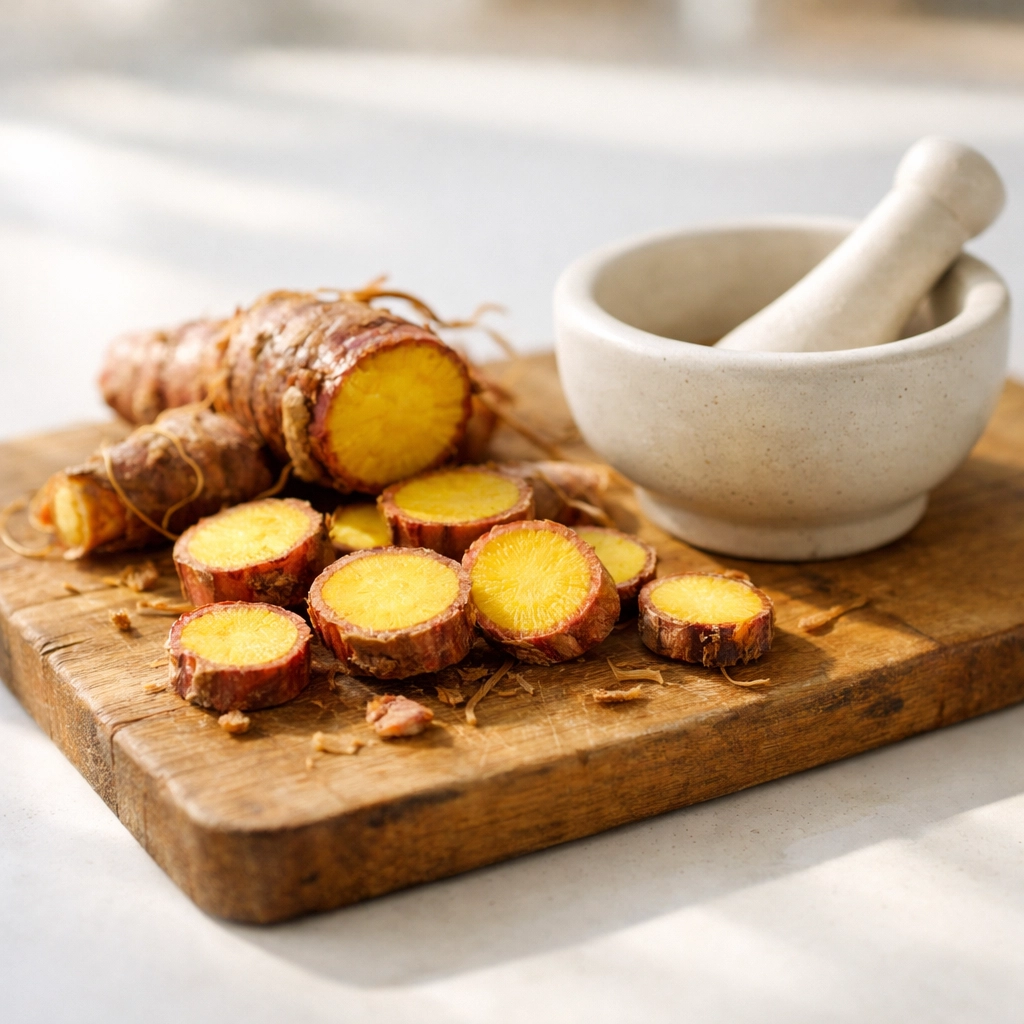
- Rhodiola crenulata (Arctic root)
- Lepidium meyenii (Maca)
Notice what's missing? Most of the trendy adaptogens you see marketed everywhere: including ashwagandha, holy basil, and cordyceps mushrooms: don't make this list.
That doesn't mean they're useless. It just means they haven't met the rigorous scientific criteria to be classified as true adaptogens.
Which Adaptogens Have Actual Evidence
Rhodiola Rosea: The Most Promising Option
Rhodiola is probably your best bet if you're looking for an adaptogen with research backing. Multiple studies suggest it may help with:
- Mental fatigue during stressful periods
- Physical endurance in athletes
- Mild to moderate depression symptoms
The evidence isn't overwhelming, but it's more consistent than most other adaptogens. Typical dosing ranges from 200-600mg of standardized extract daily.
Ashwagandha: Popular But Problematic
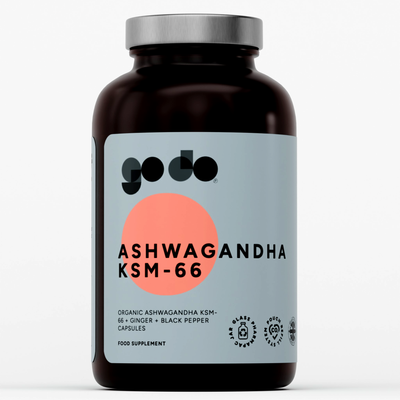
Ashwagandha has become the poster child of the adaptogen movement. Some studies show it may reduce cortisol levels and anxiety symptoms. However:
- Most studies are small and poorly designed
- Results often don't significantly outperform placebo
- Safety concerns are mounting (more on this below)
- It's been banned in Denmark due to inability to establish safe intake limits
If you're pregnant or trying to conceive, avoid ashwagandha entirely. There's evidence it may cause miscarriage.
Panax Ginseng: Overhyped for Energy
Asian ginseng has been used in traditional medicine for centuries, but modern research tells a different story. While it technically qualifies as a true adaptogen, the actual benefits in human trials are marginal at best.
Studies examining energy levels, cognitive function, and athletic performance show inconsistent results. When benefits do appear, they're often small and disappear when researchers account for placebo effects.
Schisandra: Limited Human Data
Schisandra meets the technical definition of an adaptogen, but there's a massive gap between what happens in test tubes and what happens in actual humans. Most research focuses on liver protection and antioxidant activity, but real-world applications remain unclear.
The Ones That Don't Work (Or Aren't What You Think)
Holy Basil (Tulsi): Marketing Over Science
Holy basil is frequently marketed as an adaptogen, but there's minimal quality research in humans. The few studies that exist are small, short-term, and often funded by supplement companies.
Cordyceps: The Mushroom That Might Do Nothing
Cordyceps mushrooms have become incredibly popular for athletic performance and energy. The problem? Most supplements use lab-grown versions that are chemically different from the wild varieties studied in research. The evidence for these cultivated versions is essentially non-existent.
Maca: Good for Some Things, Not an Adaptogen
Maca technically makes the true adaptogen list, but calling it a stress-reducer is a stretch. The strongest evidence suggests it may help with sexual function and mood in post-menopausal women. For general stress? The data isn't there.
The Uncomfortable Truth About Adaptogen Research
Here's what supplement companies don't advertise: when researchers conduct rigorous, placebo-controlled trials on adaptogens, the results are often disappointing.
A recent study on long COVID patients taking an adaptogen mixture showed something revealing. Participants reported improvements in fatigue, headaches, breathing difficulty, and other symptoms. Great news, right?
Not quite. The placebo group improved by almost identical amounts. The adaptogen group showed only marginal differences in a few specific measures: nothing clinically meaningful.
This pattern repeats across adaptogen research:
- Small study sizes with short follow-up periods
- Lack of proper randomization
- Benefits that disappear when compared to placebo
- Selective reporting of positive results
After more than 40 years of intensive research, very few plant-based adaptogens have made it into mainstream medicine. That should tell you something.
Safety Concerns Nobody Talks About
Despite being marketed as natural and harmless, adaptogens carry real risks:
Medication Interactions: Many adaptogens interact with common medications, including blood thinners, diabetes medications, and immunosuppressants. If you're on prescription drugs, talk to your doctor before adding adaptogens.
Pregnancy and Nursing: Several adaptogens, particularly ashwagandha, are unsafe during pregnancy. Others simply haven't been studied enough to confirm safety.
Hormone Disruption: Some adaptogens affect hormone levels. This can be beneficial or harmful depending on your individual circumstances, but it's rarely discussed in marketing materials.
Long-Term Safety Unknown: Most studies on adaptogens last weeks or months, not years. We don't know what happens when people take these substances daily for extended periods.
How to Actually Know If Adaptogens Are Worth It
Before spending money on adaptogens, ask yourself:
1. What specific problem am I trying to solve?
Generic "stress" isn't specific enough. Are you dealing with chronic fatigue? Anxiety? Sleep issues? Poor recovery from training? Different problems require different solutions.
2. Have I addressed the basics?
If you're sleeping 5 hours a night, drinking excessive coffee, and eating poorly, no adaptogen will fix that. Sort out sleep, nutrition, and stress management fundamentals first.
3. Am I prepared for minimal results?
Set realistic expectations. Even the best-studied adaptogens show modest effects that may not be noticeable in daily life.
4. Can I afford to potentially waste money?
Quality adaptogens aren't cheap. If money is tight, investing in better food, a gym membership, or therapy will likely provide better returns.
What to Do Instead
Rather than reaching for adaptogens as a first line of defense against stress, focus on evidence-based strategies:
- Sleep optimization: 7-9 hours consistently beats any supplement
- Regular exercise: More reliable for stress reduction than any herb
- Stress management techniques: Meditation, breathing exercises, and therapy have stronger evidence than adaptogens
- Nutrition basics: Adequate protein, micronutrients, and hydration matter more than exotic herbs
If you still want to try adaptogens after addressing these fundamentals, Rhodiola rosea has the most consistent evidence. Start with 200mg of standardized extract and assess after 4-6 weeks. If you notice no difference, you're not broken: the supplement just isn't working for you.
The Bottom Line
Adaptogens aren't the stress-fighting miracle most brands claim them to be. The evidence is weak, inconsistent, and often no better than placebo. The supplement industry has created a massive market around substances that rarely deliver on their promises.
That said, a few adaptogens: particularly Rhodiola: show enough promise to be worth trying if you've already optimized the basics. Just go in with realistic expectations, watch for side effects, and don't let clever marketing convince you that these herbs are essential for managing modern stress.
Your body already has sophisticated stress-management systems built in. Sometimes the best support isn't a supplement; it's adequate sleep, good food, regular movement, and time to recover.